Light Up Savings: maximizing energy efficiency is key to minimizing your energy bills and maximizing your comfort in your home. Imagine a home brilliantly lit, yet remarkably economical. This article delves into the practical applications of light-up savings in your home, exploring ways to drastically reduce energy consumption while enjoying the benefits of bright, stylish lighting. We’ll explore the myriad benefits of energy-efficient lighting, including significant cost savings, environmental friendliness, and advanced technological innovations. This comprehensive guide will illuminate the path towards a more sustainable and budget-friendly home lighting solution, leaving you well-informed about the many aspects of energy-efficient lighting solutions.
The Importance of Energy-Efficient Lighting
Understanding the Environmental Impact of Lighting
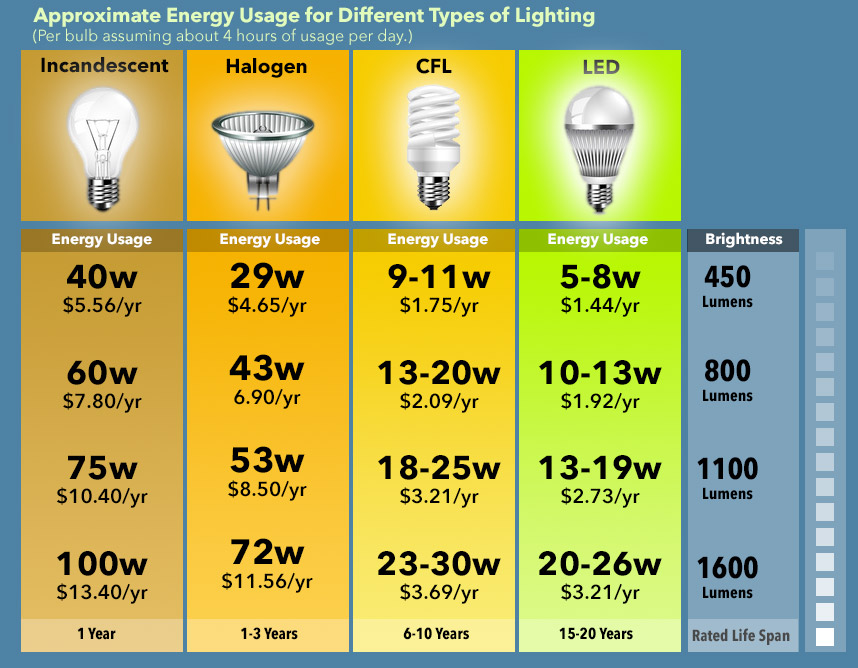
Residential lighting accounts for a significant portion of overall household energy consumption. Incandescent bulbs, despite their familiarity, are remarkably inefficient, converting a meager portion of the energy they consume into light, while the majority is wasted as heat. This inefficiency directly contributes to higher energy bills and a heavier environmental footprint. Switching to energy-efficient lighting choices reduces the burden on our planet and leads to considerable financial savings over time. In fact, many cities and states actively promote the use of energy-efficient lighting through incentives and rebates. This proactive approach encourages homeowners to embrace sustainability while benefiting from substantial energy savings.
Unveiling the Versatility of LED Lighting
Exploring the Advancements in LED Technology
Light-emitting diodes (LEDs) represent the vanguard of energy-efficient lighting technology. LED bulbs boast an exceptionally long lifespan compared to traditional options, often lasting tens of thousands of hours. Their remarkable efficiency translates into substantial savings on energy bills over the long term. Further, they offer an impressive range of color temperatures and light output options, allowing you to tailor the lighting to your specific needs and preferences within each room.
Understanding the Advantages and Disadvantages of LED Lights
One crucial advantage of LED lighting is its ability to create a customizable ambience within different rooms. The array of color temperatures and brightness levels offers unparalleled flexibility in setting the mood. Moreover, their superior durability often minimizes the need for frequent replacements. However, one important consideration when choosing LEDs is that although efficient, there is still an upfront cost. A wise buyer should carefully evaluate the projected energy savings and the life expectancy of the LEDs against the initial investment.
Smart Lighting Systems: The Future is Now
How Smart Lighting Systems Improve Energy Efficiency
Smart lighting systems offer a new level of control and optimization for energy-efficient lighting. These innovative systems enable remote management and scheduling of lights, ensuring they are only on when needed. Through sophisticated sensors, smart systems can automatically adjust lighting intensity based on ambient conditions, further optimizing energy consumption. Many smart systems also allow for customization, with the ability to tailor the lighting to your daily routines, such as creating pre-set lighting schedules for different occasions or activities. This proactive approach reduces energy waste and maximizes efficiency. Moreover, advanced sensors react to motion, adjusting lighting intensity as needed, thereby further reducing energy use.
Measuring Savings with Smart Lighting Systems
Studies consistently demonstrate that homes equipped with smart lighting systems experience significant reductions in energy consumption compared to homes with traditional lighting systems. One notable case study found that a homeowner using a smart lighting system reduced their energy consumption by 20%. The reduced consumption in electricity directly translates to substantial cost savings on the homeowner’s monthly electricity bills. These tangible savings reinforce the appeal of smart lighting systems, making them an increasingly popular choice for homeowners.
Beyond Bulbs: Optimizing Your Home’s Lighting Design
Designing for Optimal Energy Efficiency
Beyond bulb selection, strategic lighting design significantly impacts overall energy efficiency. Well-placed lamps, strategically positioned sconces, and thoughtfully integrated fixtures can dramatically reduce the need for overhead lighting. This approach enhances energy efficiency, ensuring light is directed where it’s needed most.
Optimizing Natural Light Sources
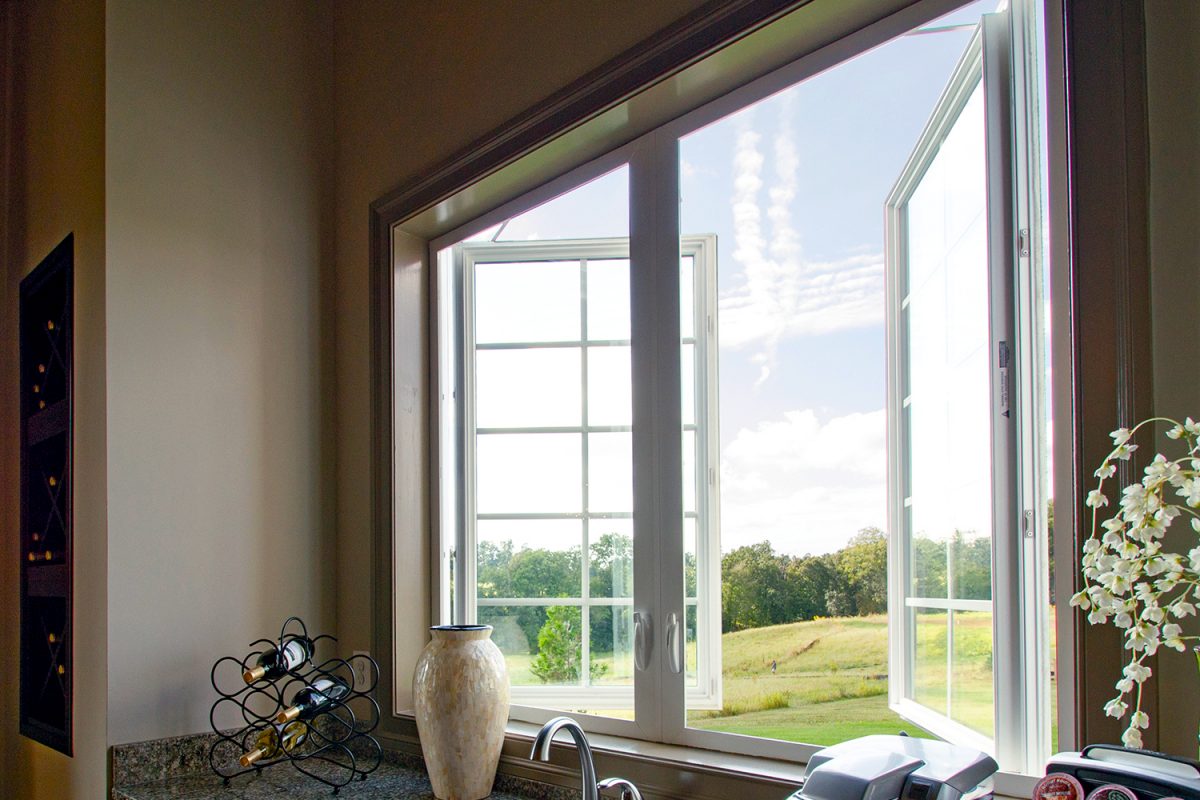
Maximizing the use of natural light is paramount to lowering energy consumption. Utilize large windows to brighten interior spaces during daylight hours. Consider strategically placing furniture to maximize natural light. Also, explore the possibility of adding skylights to further enhance natural illumination and reduce reliance on artificial lighting, thereby minimizing your energy footprint and reducing energy expenditure.
Financing Your Light-Up Savings
Exploring Financing Options for Energy-Efficient Upgrades
Many utility companies and local governments offer incentives and rebates for energy-efficient upgrades, including those related to lighting. These programs frequently provide financial support for purchasing energy-efficient appliances, fixtures, and light sources. The goal is to promote sustainability while lessening the financial burden of adoption. Be sure to check with your local utility or energy-efficiency programs for specific offerings.
Evaluating the Return on Investment (ROI)
The return on investment (ROI) of energy-efficient lighting upgrades often surpasses initial costs in the long run. Carefully assess the energy savings you can realistically anticipate, factoring in your current energy costs, the projected lifespan of the bulbs or fixtures, and the prevailing electricity rates in your region. A thorough assessment can provide insight into the expected cost savings over time.
Practical Tips for Implementing Energy-Efficient Lighting
Selecting Appropriate Bulbs for Specific Needs
When selecting energy-efficient bulbs, consider your needs and preferences. LED bulbs, for example, come in different color temperatures, from warm white to cool white, influencing the atmosphere of each room. Research and find the appropriate light spectrum for your specific needs.
Integrating Smart Home Technology for Enhanced Control
Consider incorporating smart home technology to enhance your energy-efficient efforts. Many smart systems allow you to schedule your lights, control them remotely, and adjust lighting levels based on ambient conditions. This integration optimizes the practicality and effectiveness of light-up savings
Making Adjustments to Current Lighting Systems
Thoroughly examine your current lighting design and identify any areas for improvement. Replacing outdated fixtures with energy-efficient alternatives can considerably reduce energy consumption. Implementing these strategies will lead to significant reductions in energy expenditure.
Understanding the Role of Maintenance in Light-Up Savings
Understanding the role of routine maintenance is key to maximizing energy efficiency. Regular cleaning of light fixtures and ensuring adequate airflow around bulbs is important. This practice directly contributes to the lifespan of light sources and significantly impacts the energy consumption over the long run.
Frequently Asked Questions
What are the best energy-efficient lighting options available?
Several energy-efficient lighting options are readily available, including LED bulbs, compact fluorescent lamps (CFLs), and innovative smart lighting systems. LED bulbs are generally considered the most energy-efficient, offering long lifespans and superior light quality compared to traditional incandescent bulbs. CFLs also represent a significant upgrade from incandescent bulbs, while smart lighting systems allow you to personalize your lighting and control it remotely, further optimizing energy consumption.
How much can I save by switching to energy-efficient lighting?
The potential savings from switching to energy-efficient lighting can vary greatly depending on your current lighting usage, your location’s electricity rates, and the specific energy-efficient solutions you choose. Studies have shown potential savings of 75% or more on lighting energy bills when using energy-efficient LED lights compared to traditional incandescent bulbs. However, you may need to factor in the initial cost of the replacement bulbs.
What are some important factors to consider when choosing energy-efficient lighting?
Several key factors influence the suitability of a specific energy-efficient light source. Factors include the required lighting intensity and color temperature, the intended area of use (e.g., kitchen, bathroom), and the overall aesthetic preferences for the lighting within that space. Consider lumens, color temperature (Kelvin), and the fixture’s compatibility when making your selection. Remember, the right energy-efficient lighting choice can not only optimize your savings, but also enhance the look of your home.
In conclusion, embracing light-up savings through energy-efficient lighting is a win-win for both your wallet and the environment. By understanding the diverse options available, assessing your home’s energy needs, and making informed choices, you can significantly reduce your energy bills while fostering a sustainable lifestyle. Ready to illuminate your home with savings? Explore our guide on energy-efficient lighting solutions today!