HVAC Efficiency: Upgrading for Energy Savings and Comfort is essential for homeowners looking to minimize energy consumption and enhance their living spaces. This comprehensive guide dives into the details of upgrading your HVAC system to maximize efficiency, focusing on energy savings and indoor comfort. HVAC efficiency encompasses a variety of strategies and technologies, from installing energy-efficient equipment to optimizing home insulation. This article explores these solutions in detail, highlighting the positive impact on both your wallet and the environment. The guide is structured to address common issues and offer practical solutions for achieving optimal energy savings and comfort.
Understanding the Importance of HVAC Efficiency
Improving HVAC efficiency is a crucial aspect of modern homeownership. An inefficient HVAC system not only impacts your energy bills but also negatively affects indoor comfort and overall health. The rising cost of energy makes energy-efficient HVAC systems a critical investment to save money in the long run and contribute to sustainability. This article provides a comprehensive overview of upgrading your HVAC system, examining several ways to achieve optimal performance and significant savings.
Evaluating Your Current HVAC System
Assessing Current System’s Efficiency
A crucial first step in improving HVAC efficiency is understanding your current system’s performance. Consider the age, type, and efficiency rating of your current HVAC system. Older systems, particularly those manufactured before energy efficiency standards were more stringent, may be considerably less efficient. Factors like the system’s SEER (Seasonal Energy Efficiency Ratio) rating for air conditioners or the HSPF (Heating Seasonal Performance Factor) for heat pumps are crucial indicators of its overall energy use. Analyzing the SEER and HSPF ratings and comparing them to newer models can inform your decision-making process.
Identifying Potential Weaknesses
Beyond the system’s rating, inspect the related components. Assess the condition of ductwork, insulation, and any necessary accessories. Ductwork leaks or blockages lead to significant energy loss, as conditioned air is escaping before it can reach the intended rooms. Likewise, inadequate insulation around the ductwork allows significant heat transfer, reducing efficiency and affecting your energy bills.
The Role of Professional Assessment
Employing a qualified HVAC technician for a comprehensive system evaluation can provide invaluable insights. Professional assessments can identify any hidden problems and provide personalized recommendations for your specific home. Their expertise can aid in determining whether an upgrade is necessary or if repairs or maintenance adjustments will suffice. A professional evaluation ensures that you receive tailored recommendations for maximum efficiency within your budget.
Upgrading to High-Efficiency Equipment
Choosing the Right HVAC System Type
Selecting the correct HVAC equipment type is essential. Factors like your climate, home size, and budget should guide your choice. Modern, energy-efficient systems like heat pumps, high-efficiency furnaces, or ductless systems are all viable options. Heat pumps, for example, are excellent choices for regions with moderate climates, offering efficient heating and cooling. High-efficiency furnaces, meanwhile, are suitable for areas with colder winters.
Key Features to Consider in New Equipment
When selecting new equipment, prioritize Energy Star-certified models. Energy Star-certified units meet strict efficiency requirements, contributing significantly to overall energy savings. The SEER and HSPF ratings should also be reviewed to evaluate the units’ performance in heating and cooling applications. These ratings indicate the unit’s efficiency in delivering thermal energy. In addition, consider programmable thermostats to control temperature based on your daily schedule, thereby minimizing energy use during periods of non-occupancy.
Enhancing Home Insulation and Ductwork
The Impact of Insulation
Proper insulation plays a crucial role in regulating indoor temperature, minimizing heat transfer, and improving overall HVAC efficiency. Inadequate insulation can cause excessive heat loss during colder months and excessive heat gain during warmer months, leading to increased energy consumption. By ensuring that your attic, walls, and crawl spaces are adequately insulated, you can reduce the strain on your HVAC system.
Optimizing Ductwork for Efficiency
Leaky or poorly insulated ductwork represents a significant source of energy loss. Addressing leaks in the ductwork and ensuring proper insulation can substantially reduce energy waste and improve HVAC efficiency. Consider sealing any gaps or cracks in the ductwork to maintain the integrity of the airflow, thereby improving the efficiency of your system.
Air Sealing for Reduced Air Leaks
Additional steps, like air sealing, further enhance HVAC efficiency. Sealing air leaks around windows and doors, or in exterior walls, significantly reduces energy loss from infiltration, lowering energy consumption and enhancing efficiency. These improvements minimize the amount of energy required to maintain the desired indoor temperature.
Maintaining Your HVAC System
Regular Maintenance Schedule
Regular maintenance is crucial for extending the lifespan of your HVAC system and maintaining peak efficiency. This includes consistent filter changes, yearly tune-ups, and prompt repairs when needed. Consistent maintenance reduces the likelihood of breakdowns, ensures optimal performance, and can potentially extend the unit’s service life, saving you money in the long run.
Professional HVAC Maintenance Services
Hiring a qualified HVAC technician to perform regular maintenance checks ensures that your system operates at peak performance. Professional inspections allow early identification of potential issues, such as leaks or other malfunctions, preventing more serious problems down the line. Routine inspections can prevent more substantial problems.
The Benefits of Using Programmable Thermostats
Controlling Temperatures Automatically
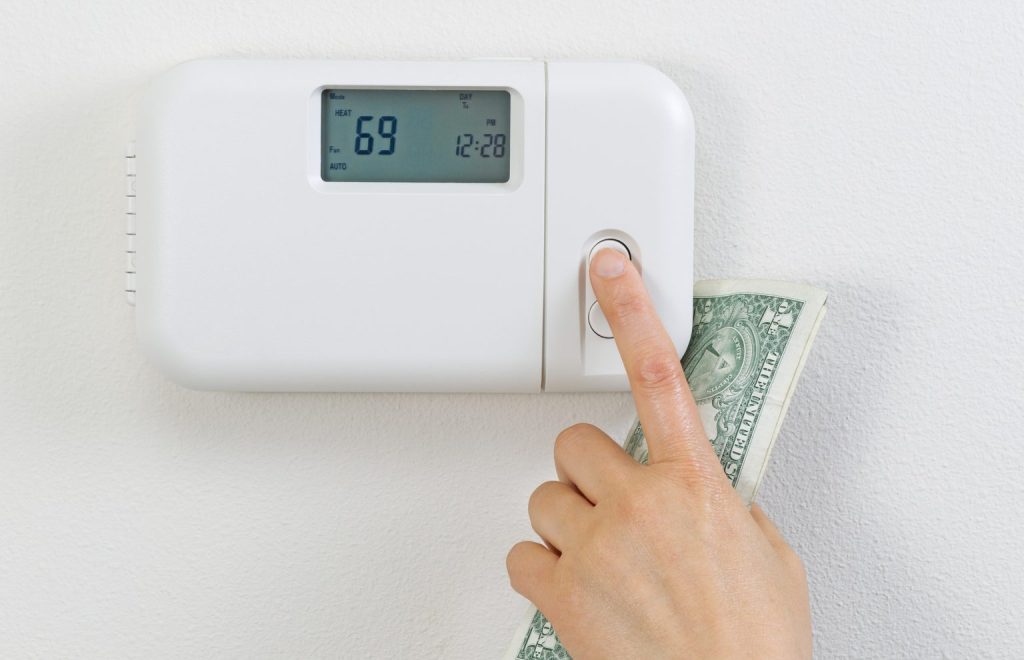
Programmable thermostats enhance efficiency by adjusting the temperature based on your schedule. By setting different temperatures for different times of day, you can minimize energy consumption during periods of non-occupancy and enhance efficiency. Programmable thermostats are a cost-effective way to substantially reduce energy bills.
Optimizing Energy Consumption
Programmable thermostats make efficient temperature control easy. A well-designed programming schedule can drastically reduce energy consumption, leading to considerable savings on your energy bills and improving comfort.
Examples of Efficiency Upgrade Benefits
Case Study 1: Homeowners in a cold climate saw a 25% reduction in energy bills after upgrading to a high-efficiency heat pump and improving attic insulation.
Case Study 2: A family in a warmer climate experienced a 40% reduction in cooling costs after replacing an outdated air conditioner with a high-efficiency model and sealing ductwork leaks.
These case studies exemplify the significant energy savings that can be realized with effective HVAC system upgrades.
The Environmental Impact of HVAC Efficiency
Reducing Carbon Footprint
Improving HVAC efficiency contributes directly to environmental sustainability. Decreased energy consumption results in a smaller carbon footprint. This is important in today’s environment, with an increasing emphasis on environmental sustainability.
Promoting Sustainable Practices
Upgrading to an energy-efficient HVAC system encourages sustainable practices, reducing reliance on fossil fuels and lowering greenhouse gas emissions, promoting a sustainable future.
Budget Considerations for Upgrades
Cost Comparison of Different Options
Assessing the cost of upgrades against the projected savings is important. Consider the upfront costs of equipment, labor, and materials, and balance this against the long-term savings on energy bills. A qualified HVAC professional can provide a detailed cost estimate, which can help you make informed decisions about your home’s HVAC system.
Financial Incentives for Energy Efficiency
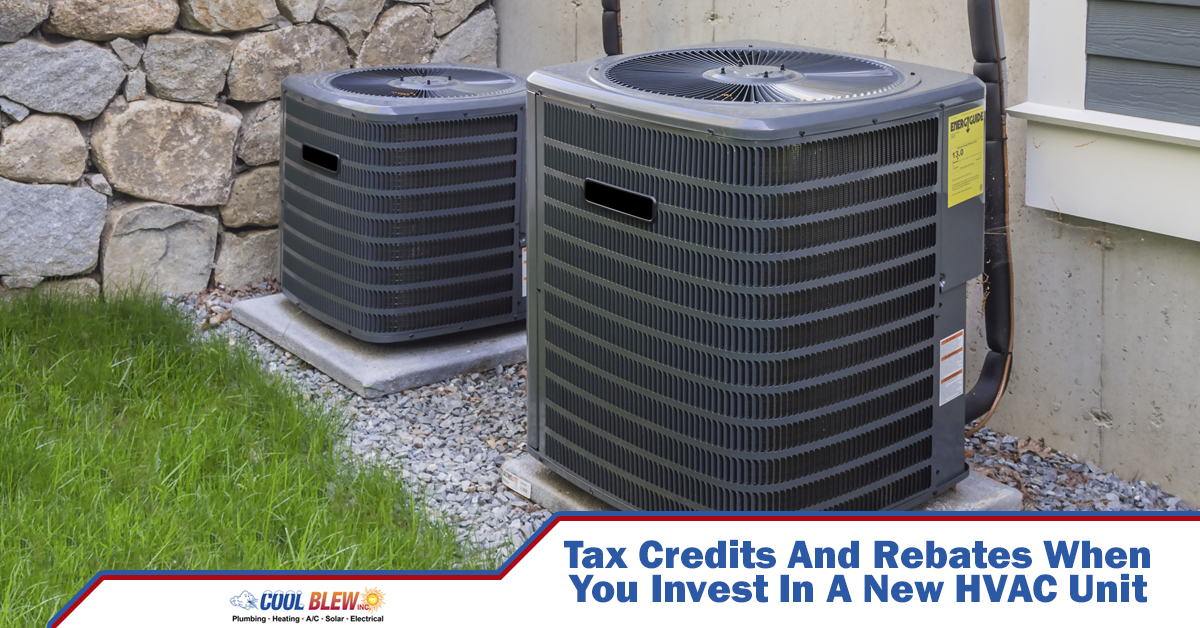
Look for financial incentives that can help make upgrades more affordable, potentially covering some of the associated costs. Many energy efficiency programs or government initiatives may offer rebates or incentives for upgrading to more energy-efficient equipment. This can help offset the investment required for significant upgrades and reduce financial burdens.
HVAC Efficiency FAQs
What are the most common reasons for low HVAC efficiency?
Several factors can contribute to low HVAC system efficiency. Poor insulation in the home can allow significant heat transfer, requiring the system to work harder. Outdated or improperly sized equipment is another major culprit. Furthermore, inadequate maintenance, including neglecting regular filter changes and tune-ups, can drastically reduce efficiency. Finally, ductwork leaks or blockages impede airflow, diminishing the overall efficiency of the entire system. Addressing these issues can lead to substantial improvements in energy savings.
How much can upgrading my HVAC system save me on energy bills?
The energy savings you’ll achieve from upgrading your HVAC system depend on several factors, including your home’s insulation, climate, and the efficiency rating of the new equipment. An upgrade to a high-efficiency HVAC system could potentially reduce your energy bills by 20-50% or more, depending on the previous system and the specific upgrade. A professional energy audit can provide a more accurate estimate of potential savings based on your home’s unique characteristics.
What are the potential long-term benefits of HVAC system upgrades?
HVAC system upgrades offer a multitude of long-term benefits beyond immediate energy savings. Improved indoor air quality is a significant advantage, as modern systems often include features like air filtration and humidity control. Increased comfort is another key benefit, maintaining a consistent and comfortable temperature within your home. Moreover, modern HVAC systems often come with advanced diagnostics and control features, simplifying maintenance and allowing for optimal performance adjustment.
In conclusion, upgrading your HVAC system for efficiency is a smart investment that yields significant returns in the long run. Improved energy savings, enhanced comfort, and a lower carbon footprint are key benefits. By considering factors like system type, insulation, and maintenance, you can maximize your HVAC system’s efficiency and create a more sustainable and comfortable home environment. Contact a qualified HVAC professional for a comprehensive assessment and personalized recommendations for your specific needs to ensure optimal performance and long-term value. Remember, ongoing maintenance and tune-ups are crucial for long-term HVAC efficiency.