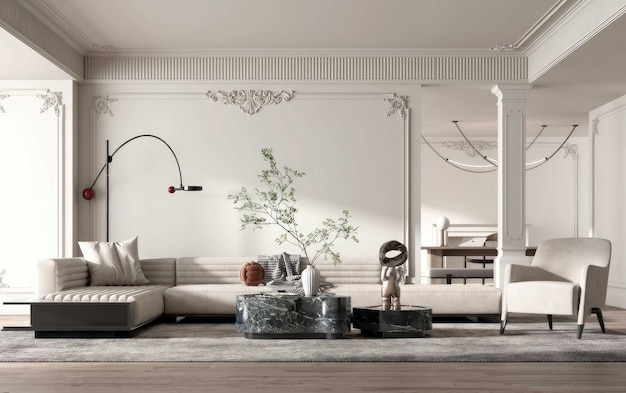
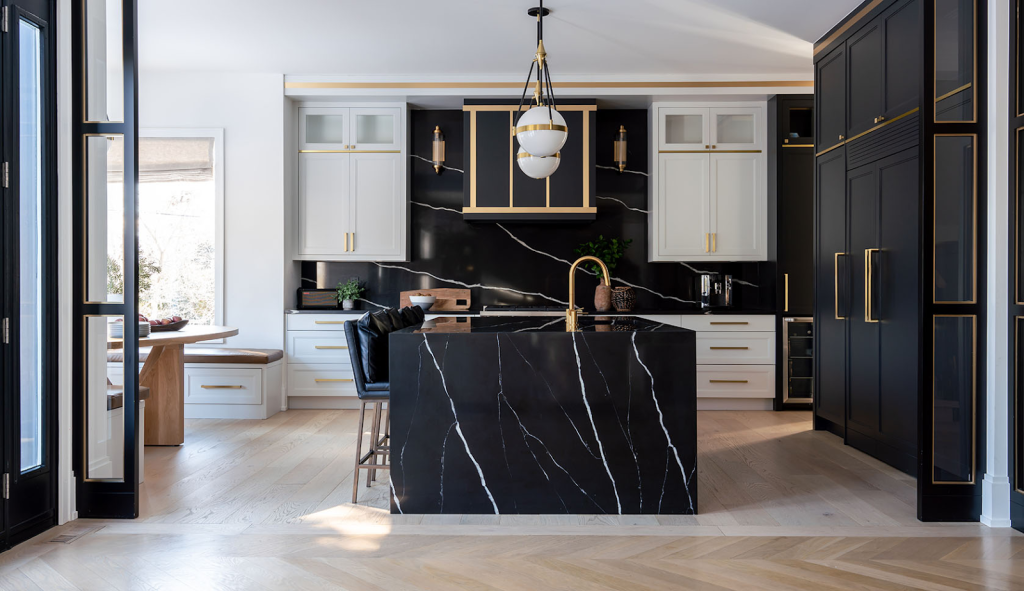
Luxury interior design is the art of crafting spaces that inspire awe and comfort—spaces that reflect a high-end lifestyle. These designs go beyond mere aesthetics, encompassing an understanding of the client’s unique needs and preferences to create an experience. Often, homeowners desire a luxurious interior but face challenges in achieving that vision due to budget constraints, design limitations, or a lack of understanding of luxury design principles. This article aims to guide you through the process of creating high-end spaces with style and elegance, covering key considerations, design elements, and strategies for a seamless and successful luxury interior design project.
Understanding the Essence of Luxury Interior Design
Defining Luxury Interior Design
Luxury interior design is more than just using expensive materials; it’s about creating a sophisticated and immersive environment that enhances the lifestyle of the inhabitants. This philosophy blends aesthetics, functionality, and bespoke elements to craft a personalized space that embodies elegance, comfort, and unparalleled style. High-quality materials and meticulous craftsmanship are key ingredients, but an understanding of the client’s aspirations, values, and lifestyle is paramount.
Identifying Challenges in Luxury Design
Many homeowners dream of luxurious interiors, but the journey often involves various obstacles. Budget constraints, finding suitable professionals, and selecting the right materials can create significant hurdles. This article aims to break down those obstacles and offer practical guidance for achieving the desired luxury look.
Prioritizing the Client’s Vision and Needs
Understanding Client Preferences
Before embarking on any luxury interior design project, meticulously understanding the client’s lifestyle, preferences, and aspirations is crucial. A designer should engage in detailed conversations to uncover the client’s vision, desired ambience, and functional requirements. This could involve reviewing their existing décor, understanding their spending preferences, and gauging their taste in art, design, and personal preferences. A well-executed questionnaire, detailed discussions, and thorough documentation of the client’s unique needs ensure alignment with the final product.
Strategically Selecting High-Quality Materials
Choosing the Right Materials
High-end spaces are often characterized by meticulously selected materials. Luxurious fabrics like silk, cashmere, and velvet add a touch of sophistication. Precious metals like gold and platinum, used in fixtures and accents, further amplify the luxury feel. Furthermore, using exquisite woods like mahogany or ebony, combined with stone materials like marble and granite, establishes a sense of refined elegance. Careful consideration of durability, maintenance, and aesthetics is crucial.
Incorporating Bespoke Elements for a Unique Touch
Designing Unique Pieces
Bespoke elements are fundamental to creating truly luxurious spaces. Custom-made furniture, bespoke lighting fixtures, and tailor-made draperies all contribute to a sense of individuality and uniqueness. This personalized approach differentiates the space from generic designs, providing a bespoke experience. A well-thought-out design with unique pieces adds warmth and character that no cookie-cutter approach can replicate.
Mastering Spatial Planning for Optimal Function and Flow
Creating a Balanced Space
Thoughtful spatial planning is critical in luxury interior design. The arrangement of furniture, lighting, and the incorporation of smart technology should be meticulously planned to optimize both aesthetics and function. Creating a sense of spaciousness, flow, and visual balance is key to maximizing the potential of the space, especially in luxury homes. Creating open layouts, strategically placed furniture, and an ideal lighting plan are crucial elements.
Mastering the Art of Lighting to Enhance Ambiance
Creating the Right Atmosphere
Lighting plays a pivotal role in setting the mood in a luxury interior design project. Sophisticated lighting designs, from ambient lighting to accent lighting, can transform a space. Using designer chandeliers, strategically placed sconces, and accent lighting with high-end finishes create a focal point and add depth to the area. Different light sources and intensities can set different moods within the space.
Bringing Art and Aesthetics Together
Integrating Art and Design
Luxury interiors often integrate art into the design, enhancing the overall ambience. A carefully selected artwork or a piece of sculpture can add a sense of refinement and personality. The selection of art and its placement should complement the space’s design. The color palettes, textures, and patterns can help elevate the design’s overall visual appeal.
Elevating the Experience through Technological Integration
Integrating Technology Seamlessly
The integration of advanced technology is a hallmark of modern luxury interior design. Incorporating smart lighting controls, automated window treatments, and seamless integration of entertainment systems elevate the living experience. This allows for personalized control over every aspect of the environment and adds sophistication while increasing efficiency in the space.
Maintaining Consistency in Luxury Interior Design
Creating a Unified Look
Maintaining consistency in style, materials, and color palettes throughout a luxury design project creates a cohesive and sophisticated look and feel. This often involves the seamless integration of various aspects, such as the selection of furniture, decor, and accessories, ensuring a harmonious interplay between all elements. Consistency reinforces the luxurious feel, making it distinct and visually appealing, even in large spaces or multiple rooms.
Frequently Asked Questions
What are the key considerations when designing a luxury interior?
Key considerations for luxury interior design include the use of high-quality materials, bespoke elements, attention to detail, and thoughtful spatial planning. Creating a sense of grandeur and sophistication is crucial. This involves understanding the client’s lifestyle and preferences to seamlessly integrate luxurious elements into their daily routines.
In conclusion, creating luxury interiors is a multifaceted process that goes beyond mere aesthetics. It’s about crafting an experience, reflecting lifestyle, and creating a space that elevates the living experience. By incorporating these design principles and considering the client’s unique preferences, you can deliver truly exceptional luxury interior design. If you are passionate about transforming spaces into luxurious havens, consider taking a luxury interior design course to further enhance your skills and knowledge. Explore our online resources for further inspiration and guidance.