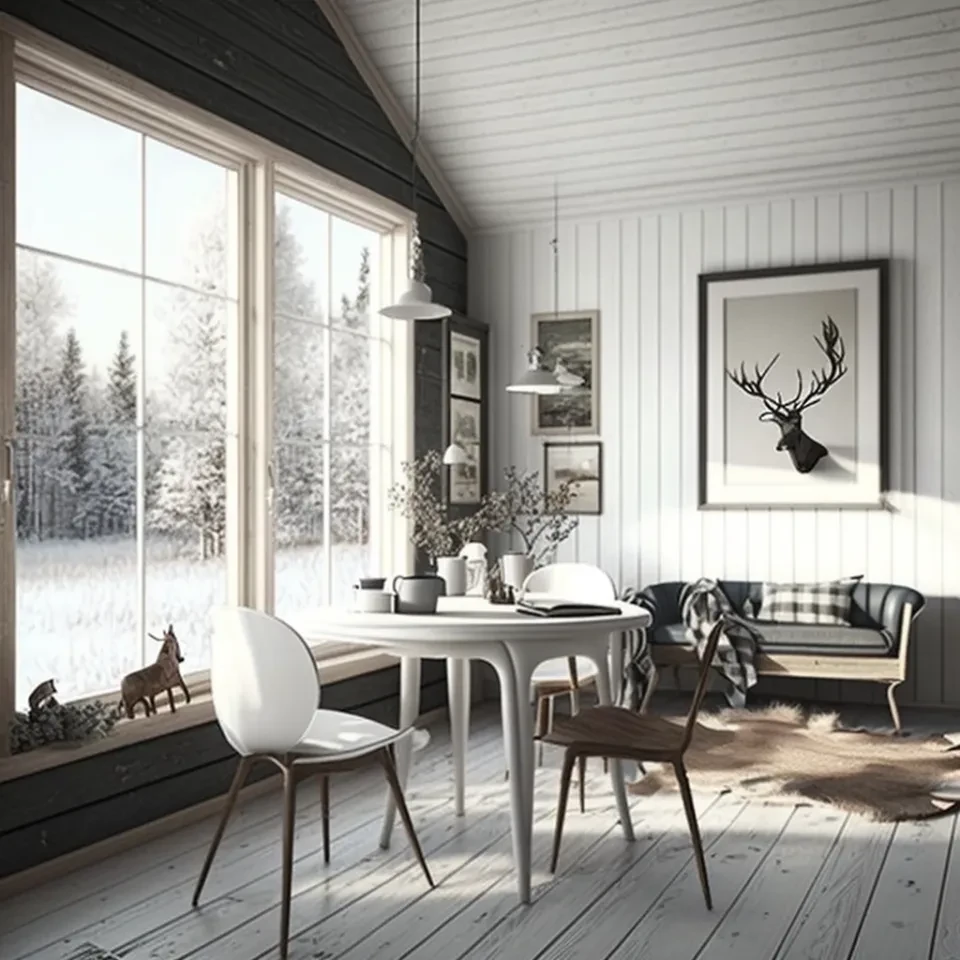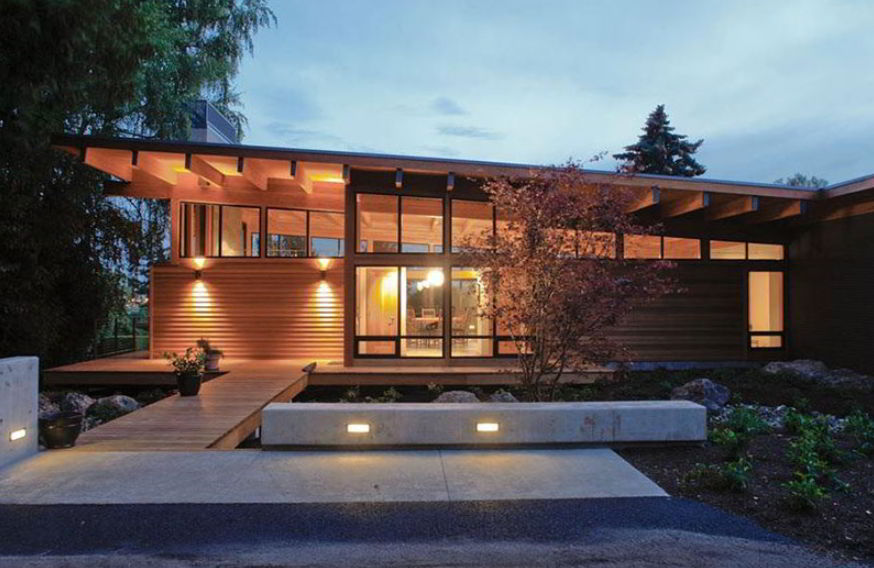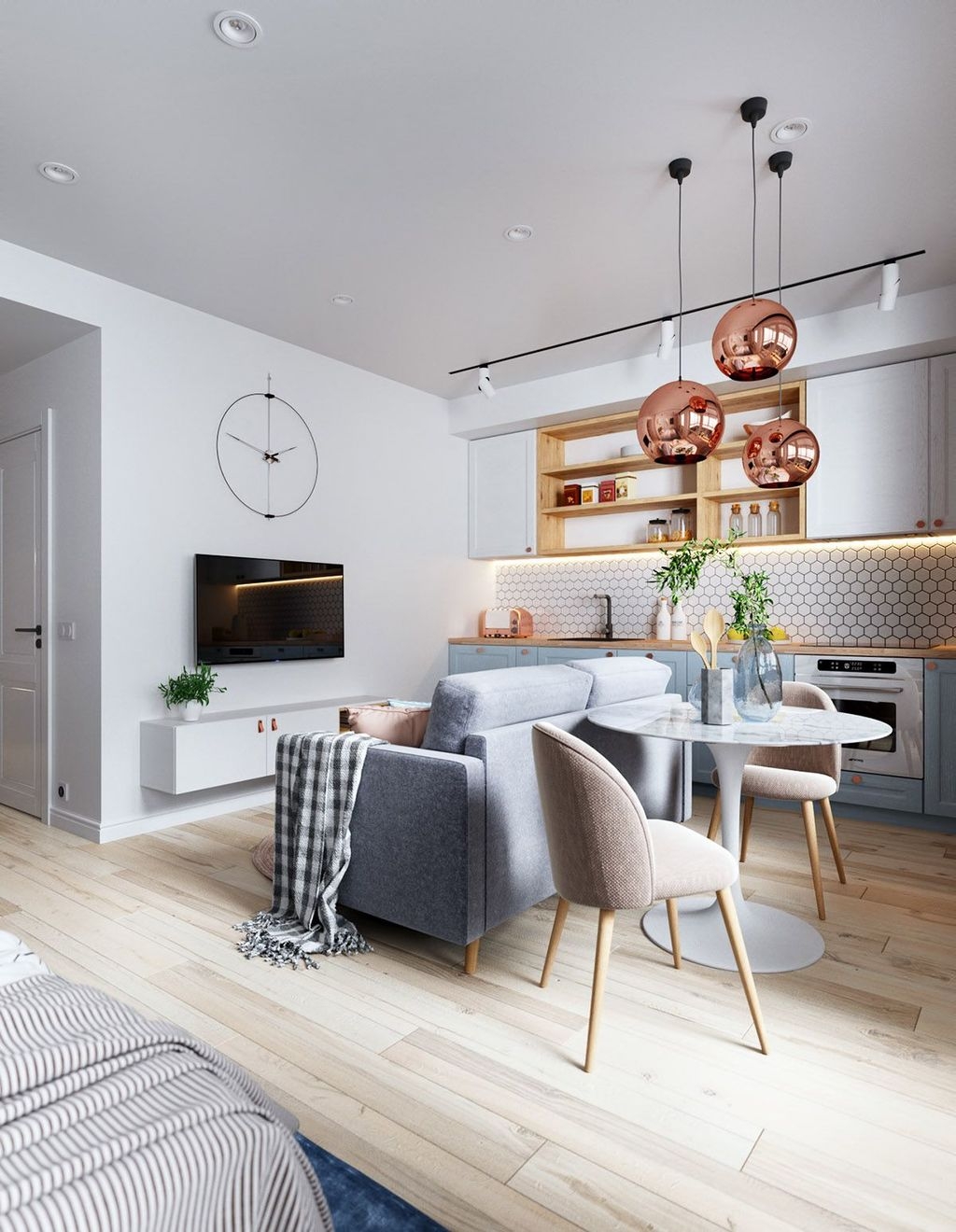

Home decorating tips are essential for transforming a house into a personalized sanctuary. This comprehensive guide delves into actionable strategies for styling your space like a pro. Whether you’re a seasoned interior design enthusiast or a newbie, this detailed roadmap will guide you through the process. Common challenges such as budget constraints, limited space, or a lack of inspiration will be addressed. We’ll explore a range of interior design styles, from minimalist to bohemian, and offer various budget-friendly decor solutions. This guide will outline a clear structure, showcasing steps and techniques needed to achieve your desired interior design aesthetic.
Understanding Your Style and Space
Defining Your Aesthetic
Before diving into decorating, understanding your personal style is paramount. What mood do you want your space to evoke? Do you gravitate towards classic, modern, rustic, bohemian, or perhaps eclectic styles? A good way to define your aesthetic is to consider colors, patterns, textures, and furniture that resonate with you. Collect images of spaces that inspire you—from magazines, websites, or social media—and note the elements you admire most. Pinterest, Houzz, or Instagram can be invaluable for this step. Consider your lifestyle, hobbies, and overall personal preferences to define your aesthetic.
Evaluating Your Space
Another critical aspect is evaluating the unique characteristics of your living space. Does it have ample natural light, or is it more confined and intimate? Consider the size and shape of each room. A small room might benefit from lighter colors and a minimalist approach, while a spacious room can accommodate bolder colors and more substantial furniture. The purpose of the space is also key. A family room will have different needs than a formal dining area.
Setting a Budget
Budgeting for your home decorating project is an essential step. Knowing your budget allows you to make informed decisions and stay within your financial means. Research the cost of different materials, furniture, and accessories to get a realistic idea of the expenses involved. Consider the alternative options like secondhand or vintage items to add a touch of individuality while staying within your budget limits.
Choosing a Color Palette
Creating a Mood
Color palettes significantly impact the overall ambiance of your space. A warm color palette, such as earthy tones or warm neutrals, can create a cozy and inviting atmosphere. Cool colors like blues, greens, and grays promote calmness and serenity. Consider how different colors affect your mood and choose colors that resonate with your personal preferences and lifestyle. Analyze the effects that different colors have on your emotional state. Warm colors evoke feelings of excitement and warmth, while cool colors can convey serenity and tranquility.
Integrating Color Accents
Incorporating color accents through accessories, artwork, and textiles can add a pop of personality. Consider using accent walls or strategically placing colorful rugs or throw pillows. Experiment with different color combinations to find the perfect harmony between the walls, furniture, and accessories. A good way to make the color pop is to integrate various shades of the same color. For example, different shades of blue can produce an impactful and memorable effect.
Utilizing Color Psychology
Understanding color psychology can greatly influence your home decor choices. Colors can evoke specific emotions and feelings, so carefully consider how different hues affect the space. The warm yellow tones create a feeling of cheerfulness, while the calm blue shades suggest serenity. Choose colors that reflect your personality and complement the overall aesthetic you’re aiming for.
Furniture Placement and Arrangement
Creating Flow
Furniture placement significantly affects the flow and functionality of a space. Arrange furniture pieces to create a seamless flow between different areas in the room. Allow for easy movement and interaction within the space. Analyze how people naturally move and interact within the room and arrange furniture accordingly. Consider the natural light and how it impacts the furniture and overall design.
Maximizing Space
Maximize space by strategically placing furniture and ensuring that there is ample room for movement. Clever furniture arrangements can create a sense of spaciousness, especially in smaller rooms. Consider using multifunctional furniture pieces to save space, such as ottomans that double as storage or beds with built-in drawers. Properly placed mirrors can also add a sense of spaciousness to a room.
Incorporating Lighting
Lighting is key to creating the right ambiance. Natural light should be maximized, supplemented with strategically placed lamps, and the lighting should be varied to create different moods.
Incorporating Accessories and Textiles
Adding Personal Touches
Accessories and textiles play a vital role in adding personality and warmth to a space. Incorporate items that reflect your hobbies, interests, and travel experiences. Use throw pillows, blankets, rugs, artwork, and decorative objects. This creates a personalized and reflective aesthetic that accurately portrays your unique personality.
Textures and Patterns
Use a variety of textures and patterns to create visual interest. Combine smooth fabrics with textured elements and patterned fabrics with solid colors. Create a variety in your space by carefully balancing the different textures and patterns.
Bringing in Nature
Incorporate natural elements like plants, flowers, and wood to add a touch of life and freshness to your space. Plants bring life and color into the space while also improving air quality. Introduce natural elements to complement existing colors.
Decorating on a Budget
Creative Finds
Finding affordable home decor options doesn’t mean compromising on style. Look for creative finds at thrift stores, flea markets, and online marketplaces. These places offer a treasure trove of unique and affordable treasures. Thrift shops and secondhand stores can provide unique pieces at a fraction of the cost of new ones. Look for unique pieces to highlight and personalize the home’s aesthetic.
DIY Projects
DIY projects allow you to express your creativity and personalize your space without breaking the bank. Try painting furniture, creating wall art, or making throw pillows. These projects allow you to personalize the space by adding unique touches. Turn your hobbies and skills into decorative elements that will make the house a personal reflection.
Repurposing Items
Repurpose items you already own for a fresh new look. Give old jars, trays, or wooden crates a new function. Use them to store accessories or display decorative items. This provides a low-cost and creative method to personalize the home decor aesthetic.
Tips for Different Rooms
Living Room Design
Maximize natural light in living rooms with light-colored furniture and sheer curtains to create an airy and spacious feel. Incorporate comfortable seating and cozy throws to promote relaxation and conversation. Strategic lighting enhances the ambiance and showcases architectural features. Choose furniture that fits the scale of the space, and place it thoughtfully to create a well-balanced layout that encourages relaxation and conversation.
Bedroom Decor
Create a calming atmosphere in the bedroom by using soft colors, soothing textures, and comfortable bedding. Ensure ample storage space to keep the bedroom organized and clutter-free. Good lighting and a comfortable mattress are fundamental.
Kitchen Design
Maximize kitchen space with compact appliances and strategic storage solutions. Use light colors and high gloss surfaces to reflect light and create an airy feel. Consider adding decorative elements that resonate with your style. Practical and aesthetically pleasing are two goals that should be equally important.
Maintaining Your Style
Regular Updates
Maintain your style with regular updates to keep your space feeling fresh and exciting. Switch up accessories, rearrange furniture, or add new plants to inject fresh energy into the space. Consider seasonal or holiday themes. This helps the space feel consistent with the time of year. Keeping the home style updated is an important component to keeping the style alive.
Adapting to Your Needs
As your lifestyle evolves, adapt your decor accordingly. If your family grows, create more seating space. If your hobbies change, add accessories that match your new interests. Adapt the space and decor to match your needs. This enhances comfort and convenience.
Conclusion
FAQ
FAQ
How can I find affordable home decor?
Affordable home decor is absolutely achievable! Look for deals at thrift stores, secondhand shops, and online marketplaces. Consider creating your own unique decor items, such as handmade wall hangings or DIY painted furniture. You can also take advantage of sales events and coupons to further reduce costs. Remember to prioritize quality over quantity when choosing affordable options. You can also explore “DIY” projects for a unique and cost-effective way to style your space.
What are some key design elements to consider when decorating a home?
Key design elements to consider are color palettes, lighting, and furniture placement. Choose a color scheme that complements your personal style and enhances the atmosphere you want to create. Appropriate lighting is crucial for setting the mood and showcasing your decor. Strategic furniture placement optimizes space, creates a visually appealing layout, and allows for comfortable and functional living. Consider the flow and the overall design aesthetic. Don’t be afraid to experiment and have fun with it!
In conclusion, mastering home decorating is about more than just aesthetics; it’s about creating a space that reflects your personality and enhances your well-being. By following these home decorating tips, you can transform your living space into a stylish haven, bringing harmony and comfort into your everyday life. Ready to elevate your home decor? Browse our curated collection of home decor inspiration on our website!