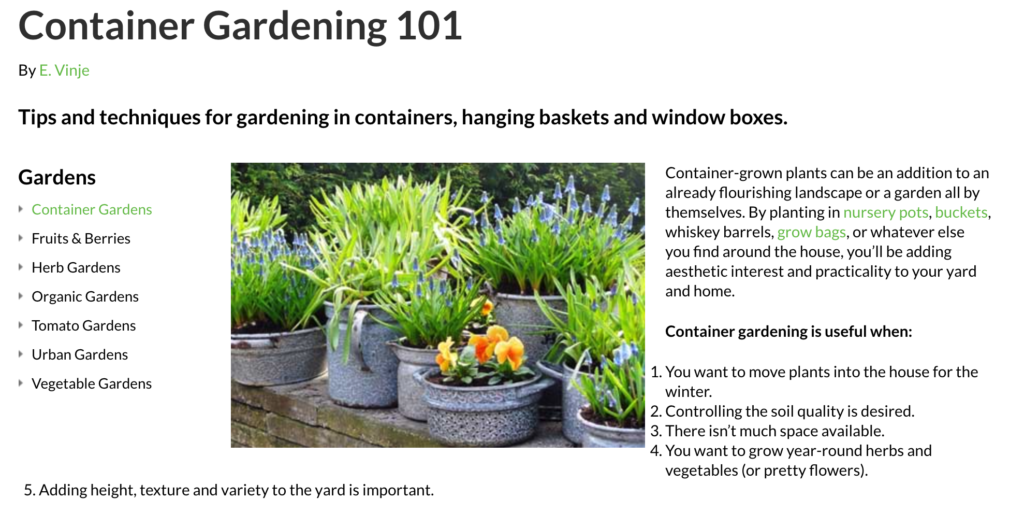
Container gardening is a fantastic way to grow your own food and flowers, even in limited spaces. Imagine a vibrant herb garden on your balcony, fresh vegetables growing on your patio, or colorful flowers brightening up your doorstep. This comprehensive guide to container gardening provides everything you need to know, from choosing the right containers to selecting the perfect plants. We will break down the process into easy-to-understand sections. This guide will cover essential aspects such as choosing the right containers, soil preparation, plant selection, and watering techniques, helping you cultivate your own beautiful and productive garden.
Choosing the Right Containers
Container Materials and Sizes
Container gardening allows for flexibility, letting you choose from a variety of containers. The right container will not only provide a suitable growing space but also protect your plants. Terracotta pots are classic choices, offering excellent drainage. Plastic containers, on the other hand, are budget-friendly, durable, and come in various sizes and shapes. If you are considering vertical gardening, hanging baskets and wall planters are great choices for maximizing vertical space, while larger elevated beds are ideal for more extensive container gardens. Consider your space, budget, and the plants you plan to grow when making your container choice.
Soil Preparation for Success
Soil Mix and Amendments
Choosing the right soil mix is crucial for healthy plant growth in containers. A well-draining soil mix is essential to prevent root rot, a common problem in container gardening. A good potting mix usually consists of peat moss, perlite, and vermiculite, providing a balanced soil structure that allows for adequate drainage while retaining moisture. Adding compost or other organic matter to your potting mix can further enhance nutrient availability and improve soil structure, creating a fertile environment for your plants.
Plant Selection for Your Garden
Choosing the Right Plants
Plant selection is an exciting part of container gardening. Consider the amount of sunlight your container garden receives. Some plants thrive in full sun, while others prefer partial shade. For example, tomatoes and peppers generally require more sunlight than herbs and lettuce. Thoroughly researching the specific needs of each plant, such as sunlight requirements, watering needs, and expected growth size, is essential. This helps you choose the right plants for your container garden.
Watering Techniques and Maintenance
Watering Strategies for Container Gardens
Watering is essential for maintaining healthy plants in your container garden. How often you water will depend on the specific plants you choose, the container size, and the weather conditions. Overwatering can lead to root rot, while underwatering will cause wilting and stunted growth. Using a moisture meter helps you check the moisture levels of your soil before watering. Regular monitoring ensures that your plants get the right amount of water, supporting their growth and productivity.
Pest and Disease Control
Protecting Your Plants
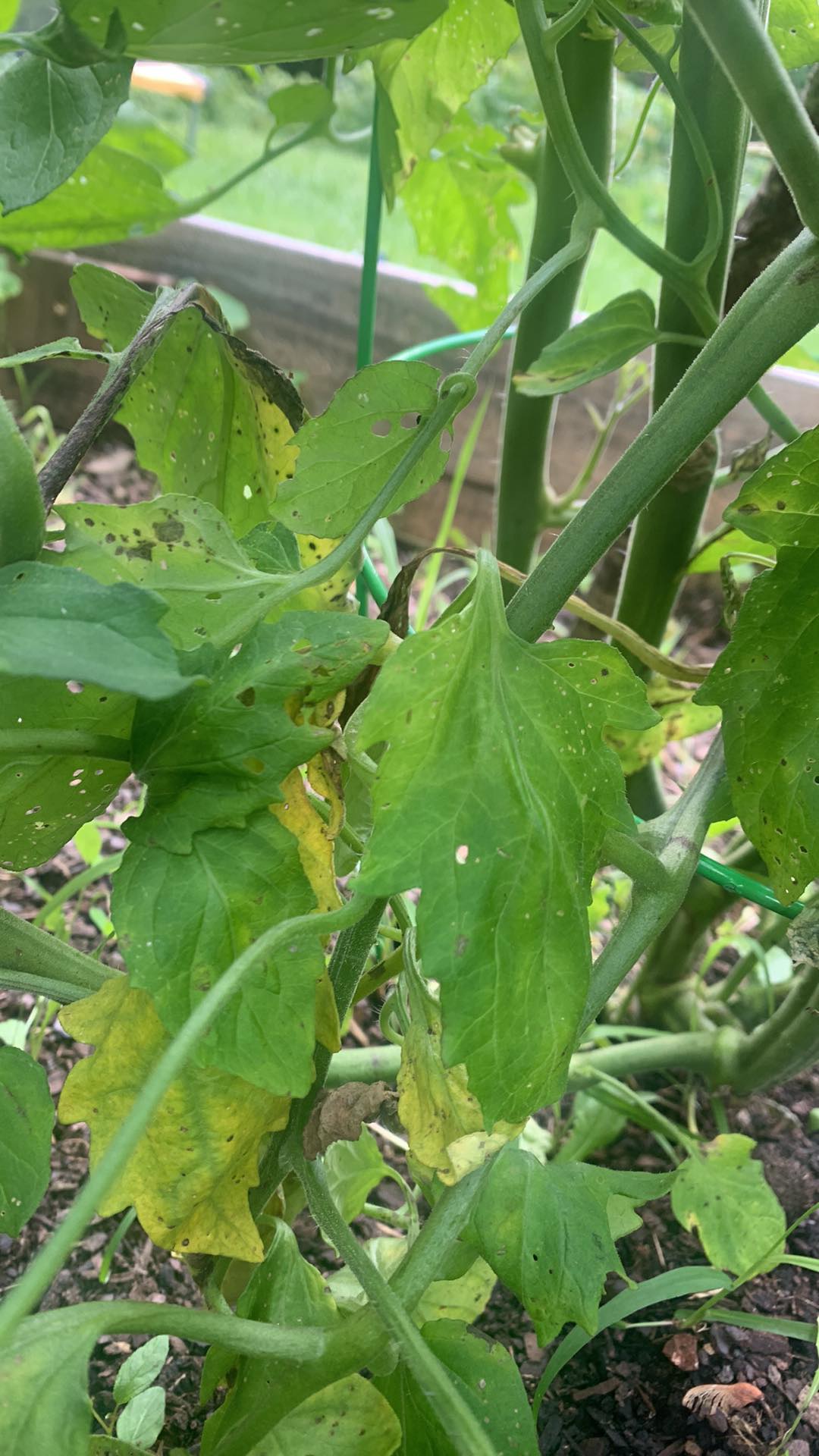
Maintaining a pest and disease-free environment is essential for healthy plants. Monitoring your container garden regularly for signs of pests and diseases is key. Insecticidal soaps and neem oil are effective, eco-friendly alternatives for controlling common pests. Prevention is key, so maintaining good soil quality, providing proper drainage, and adequate spacing between plants help prevent pest infestations and diseases.
Vertical Container Gardening Ideas
Growing Up, Not Out
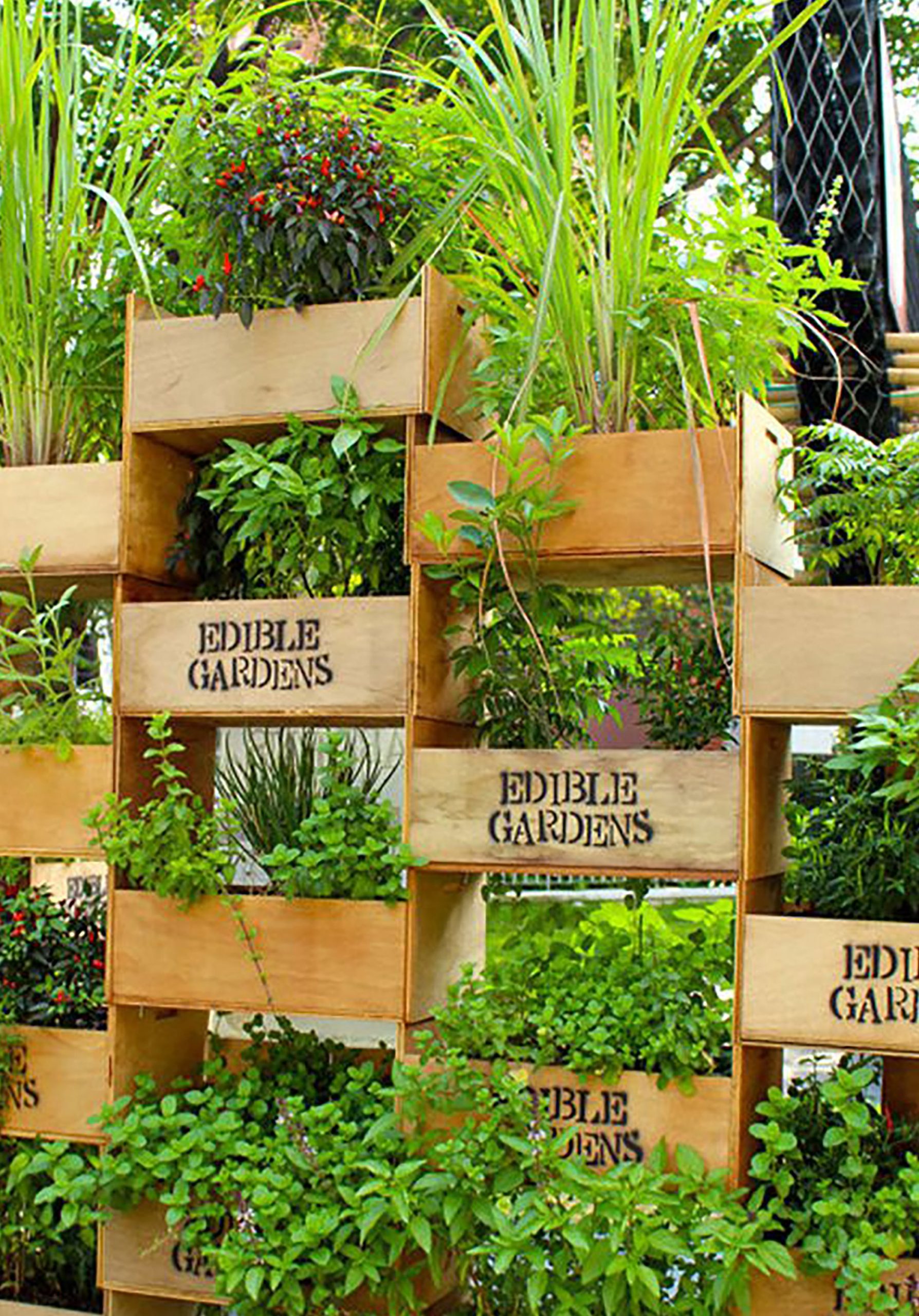
Vertical container gardening is an excellent option for maximizing space, especially in apartments or patios. This method efficiently utilizes vertical space using hanging pots, stacked planters, or wall-mounted containers. Plants like strawberries, herbs, and leafy greens can grow well in vertical setups, making your garden more compact. Look for containers specifically designed for vertical gardening, which will provide the needed support and structure for your plants.
Container Garden Design and Layout
Arranging Your Plants
Creating an appealing and functional layout is important. Consider the size and shape of your containers, the height of the plants, and the amount of sunlight each area receives. Group plants with similar needs together for easier maintenance and more appealing visuals. Experiment with different arrangements to find the one that best suits your personal style and maximizes space efficiency.
Growing Specific Plants in Containers
Fruit, Vegetable, and Herb Gardens
Growing fruits, vegetables, and herbs in containers offers a wide range of possibilities. Consider growing tomatoes, peppers, cucumbers, zucchini, strawberries, herbs like basil, mint, and parsley, and leafy greens like lettuce and spinach. Choose compact varieties or dwarf types specifically for container gardening. These selections will fit well in containers while still providing the bounty of your desired harvest.
Maintaining Your Container Garden
Essential Tasks
Regular maintenance is critical for successful container gardening. Pruning, deadheading, and fertilizing are essential tasks to keep your plants healthy and thriving. Pruning helps to shape the plants and remove dead or damaged foliage. Deadheading encourages more blooms, and fertilizing provides the necessary nutrients for optimal growth. By consistently performing these tasks, you’ll be sure to reap the rewards of a beautiful and productive container garden.
Frequently Asked Questions
Q: What are the best types of containers for container gardening?
A: The best container for container gardening depends on factors such as your budget, desired size, and the plants you intend to grow. For smaller containers, terra cotta pots are a classic choice, but plastic containers are also budget-friendly and generally durable. Elevated beds are good for larger gardens and can provide extra space while elevating the soil for ease of tending to your plants. Consider material strength and drainage, as these are vital factors in plant health.
In conclusion, container gardening offers a fantastic way to cultivate your own food and flowers in a space-saving manner. By following the steps outlined in this guide, you can start your own container garden successfully. Remember to choose the right container, soil, and plants. Most importantly, be patient and consistent with watering and care! Ready to start your container garden adventure? Click the link below to get started.