Building beautiful garden paths and walkways is a fantastic way to enhance your outdoor living space. These pathways aren’t just functional; they are key design elements that can transform your garden into a truly welcoming and visually appealing oasis. Garden paths offer a variety of options, from the charming rustic appeal of flagstone to the sleek modern design of concrete pavers. Many homeowners face the challenge of deciding which materials and design best suit their garden style and budget. This comprehensive guide will help you navigate this process by providing a detailed breakdown of various materials, design considerations, and practical installation techniques. This guide will provide a step-by-step approach to planning, designing, constructing and maintaining beautiful garden pathways.
Planning Your Garden Paths
Defining the Purpose and Style
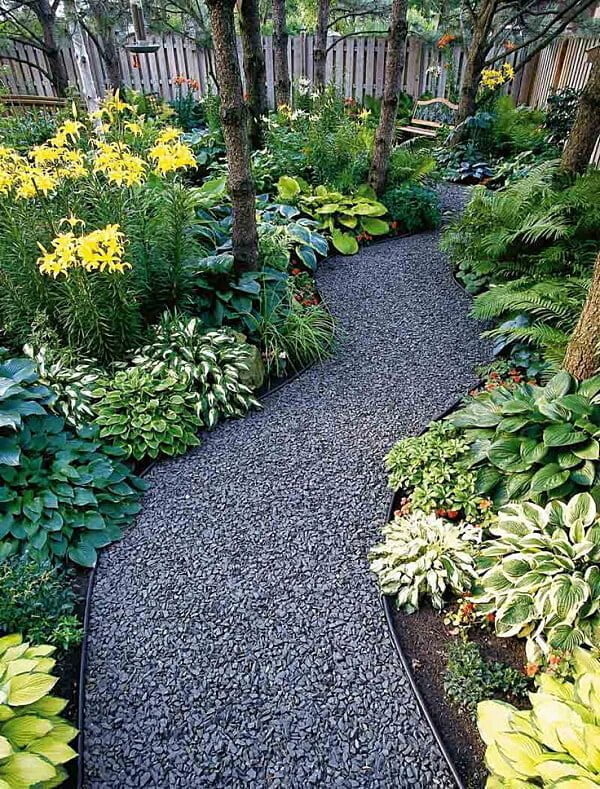
The first step in creating beautiful garden paths is understanding their purpose. Will the path primarily be for practical use, like access to the garden shed? Or, is it primarily for aesthetic reasons, integrating with the surrounding landscape and garden features? Before starting any design, you must identify the key areas to be accessed and the intended flow. Sketching your preliminary idea, or even using digital design tools, can aid your visualization and improve the overall design. Consider the style of your garden. If your garden has a formal style, a structured pathway using bricks or pavers might be suitable. If it is more natural, a gravel path can create a sense of tranquility and movement throughout your garden. Consider the existing landscape features to find a balance between the style you want to create and the surroundings you are working with.
Materials for Garden Paths
Choosing the Right Materials
The selection of materials plays a critical role in creating beautiful paths. Paving stones, bricks, gravel, and concrete pavers offer diverse aesthetics and functionality. Flagstone offers a natural beauty, ideal for creating intimate walkways. Gravel paths offer a more low-maintenance solution, perfect for less busy areas. Bricks offer classic appeal and durability, especially for high-traffic areas. Concrete pavers are durable and offer versatility in color and design. When choosing your material, think about the amount of foot traffic, the budget, and the desired aesthetic. Consider the maintenance requirements of each material, as some need more upkeep than others.
Design Considerations
Creating Functional and Appealing Paths
Careful planning is essential to design paths that not only look great but also meet functional needs. Consider the path’s alignment with other garden features, such as flowerbeds or fountains. Include turns and curves to add visual interest. Also, account for potential obstacles or grade changes, and design solutions to address these accordingly. Consider proper drainage to prevent waterlogging. If dealing with uneven terrain, consider retaining walls or using different materials to manage slopes effectively. In addition, think about the path’s width. A wider path can accommodate more people and make it easier for wheelchairs or strollers to traverse. Include adequate spacing between different garden elements.
Installation Techniques
Ensuring Proper Installation
Proper installation is crucial for a long-lasting and aesthetically pleasing path. Start by preparing the ground thoroughly, removing any grass, rocks, or debris. Compacting the soil ensures a firm foundation for the path. Carefully lay down the chosen materials according to the design. Use appropriate leveling tools to ensure a uniform surface. Proper edging is important to define the path’s boundaries and prevent the path from spreading outwards. When installing materials like pavers, ensure proper grout or sand is used for filling gaps between stones. If dealing with slopes, use appropriate materials or techniques to create a stable and aesthetically pleasing path.
Maintenance and Care
Keeping Your Garden Paths Beautiful
Maintaining a garden path is vital for preserving its beauty and extending its life. Regular cleaning can help remove debris and prevent the buildup of dirt. Use a broom or leaf blower to remove fallen leaves, twigs, or other debris from the path surface. For stone or brick pathways, regular sweeping or hosing down with a garden hose can remove dirt and grime, while avoiding strong chemicals. For gravel paths, use a rake to redistribute gravel regularly for a consistent look and to maintain a level surface. Be mindful of potential pests or invasive plant species that could affect the path and take appropriate action to manage or prevent them.
Budget Considerations
Planning Within Your Budget
Building garden paths and walkways can range significantly in cost. The materials, the complexity of the design, the amount of labor required, and whether you are hiring professionals all significantly affect the final cost. Budgeting early on helps to avoid any cost overruns during construction. Consider how much you are willing to spend to create an ideal path. Comparing costs of different materials and analyzing labor costs when hiring help can be instrumental.
Design Inspiration
Gathering Ideas for Your Garden
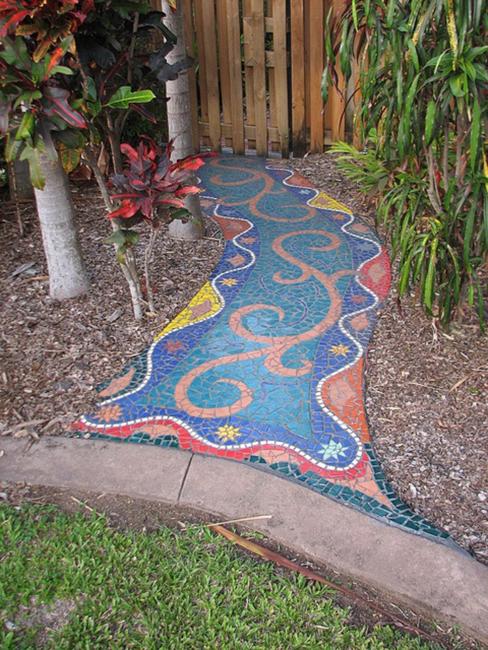
Drawing inspiration from diverse examples of garden paths and walkways can be very effective. Look for inspiration in magazines, online resources, or visit local gardens and parks. Take note of the design elements, materials, and layout that are appealing to you. Analyzing different styles of paths and considering their context within the overall garden design can spark innovative ideas. Look at pictures of different styles, consider the scale of your garden, and decide what will be best suited for your style and budget.
Safety and Accessibility Considerations
Creating Safe and Welcoming Spaces
Prioritize safety and accessibility when designing and building your paths. Ensure the path is wide enough for comfortable movement. Use non-slip materials, especially in areas with potential water accumulation or frost. Incorporating ramps or gentle inclines for uneven terrain and including handrails on steps or steep sections is crucial. This prevents potential accidents or injuries and improves the accessibility of your outdoor space for everyone.
Frequently Asked Questions
How long does it usually take to build a garden path?
The time it takes to build a garden path varies significantly based on several factors. The complexity of the design, the type of materials used, and the size of the path all play a role. A simple stone pathway might take a weekend, whereas a more intricate, paved design could take several days or even a few weeks. Professionals often need more time due to site preparation and potentially more complex material handling or installation methods. Always factor in potential weather delays and adjust your timeline accordingly.
In conclusion, building beautiful garden paths and walkways is a rewarding project that can significantly enhance your outdoor space. By carefully considering your design choices, materials, and installation methods, you can create walkways that are both functional and aesthetically pleasing. Remember to prioritize safety and accessibility. If you are looking for inspiration or professional guidance, consider consulting with a landscape designer or contractor. Start planning your dream garden paths today!