Dealing with common garden pests and diseases naturally is a crucial aspect of sustainable gardening. Imagine a vibrant, flourishing garden teeming with life, free from the destructive impact of pests and diseases. This is achievable through the use of natural, environmentally friendly methods. This guide will delve into effective techniques for identifying, preventing, and treating common garden issues, providing you with a toolkit for nurturing your garden’s health and well-being naturally. We’ll explore a variety of methods, from understanding pest lifecycles and implementing natural remedies to proactive strategies like crop rotation and companion planting. Let’s transform your garden into a thriving ecosystem free from harmful chemical interventions.
Understanding Common Garden Pests and Diseases
Identifying Common Garden Pests
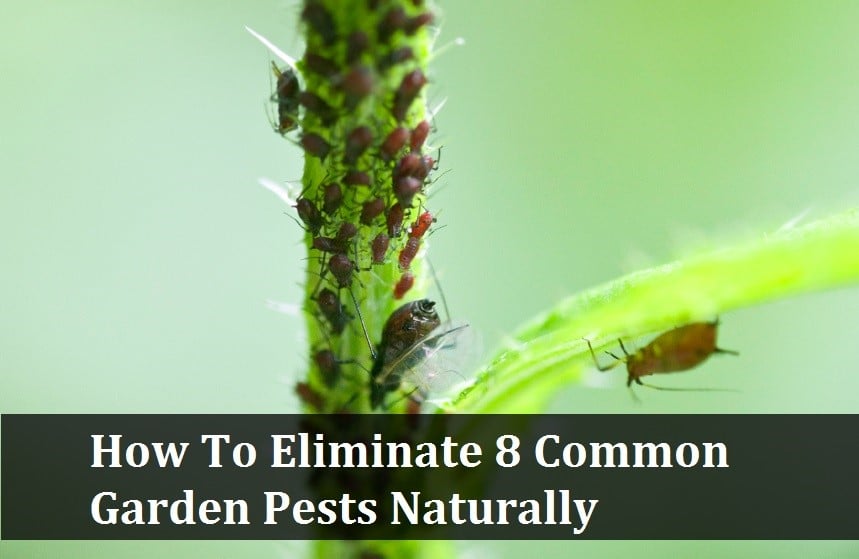
A multitude of pests can wreak havoc on your garden, impacting both the aesthetic appeal and productivity. Aphids, notorious for sucking sap from leaves, can cause distorted growth and unsightly yellowing. Slugs and snails, with their insatiable appetites, target leaves and tender stems, leaving behind characteristic slime trails. Caterpillars, often overlooked early on, can devour entire leaves, leaving your plants vulnerable to disease.
Understanding the Lifecycle of Pests
Effective pest management relies on understanding the life cycle of each pest. Knowing when they are most active and vulnerable to control is key. For example, understanding the egg-laying patterns of aphids will help you to implement preventative measures earlier in the season. By learning the lifecycles of common garden pests, you gain a powerful tool for natural pest control.
Identifying Common Garden Diseases
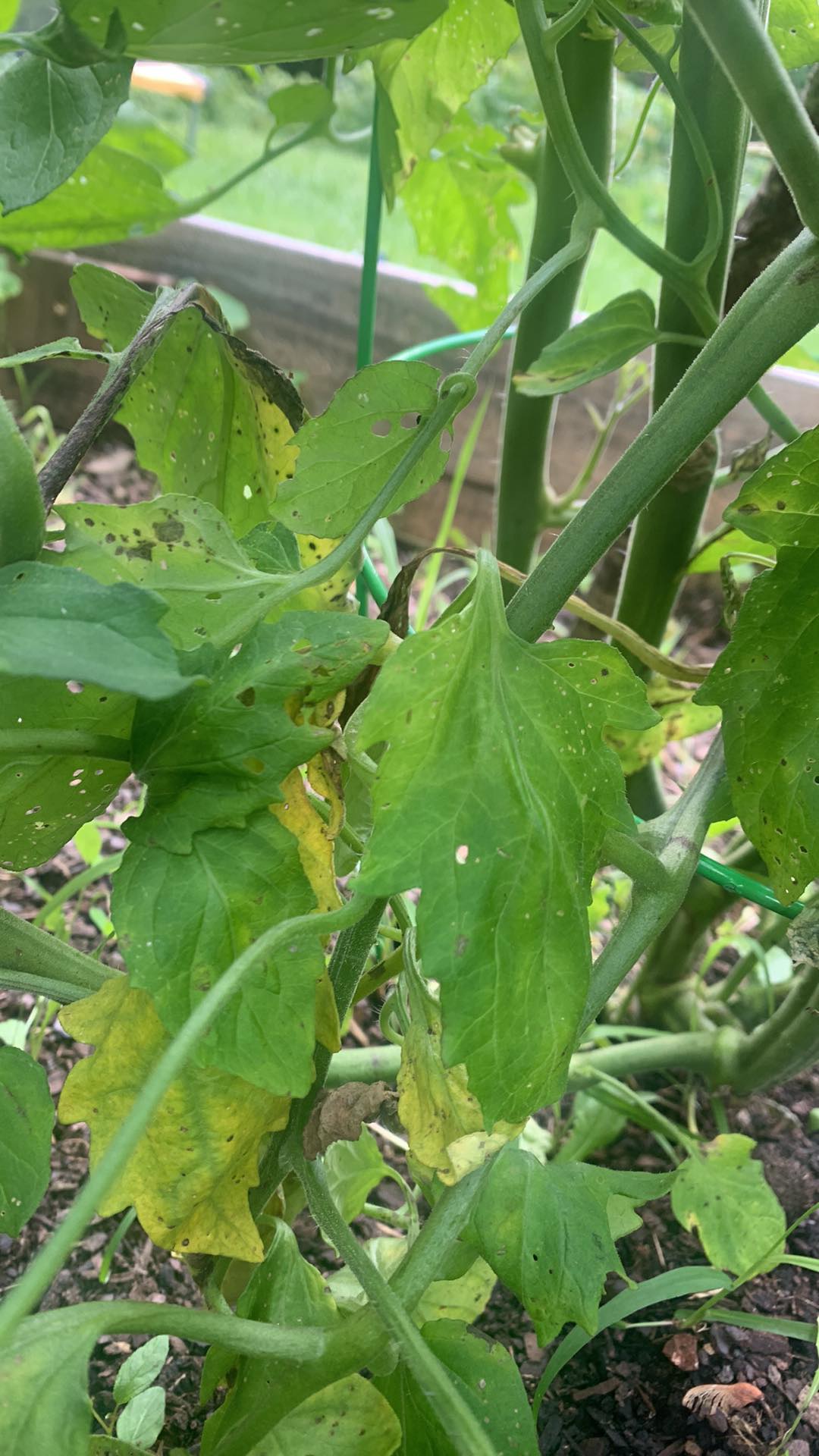
Fungal diseases, like powdery mildew or blight, can quickly spread through your garden, causing leaf spots, wilting, and decay. Preventing diseases from occurring in the first place, through proactive care, is vital. Diagnosing issues promptly and targeting the root cause of the disease is key to preventing future problems. Understanding the conditions that favor certain diseases like fungal issues, such as high humidity, can help to proactively combat them.
Natural Remedies for Pest Control
Homemade Pest Repellents
One of the most effective and accessible natural pest control methods is using homemade remedies. Garlic, for instance, is a strong deterrent against many pests, including aphids and beetles. Simply mix crushed garlic cloves with water and spray it on your plants. Neem oil, derived from the neem tree, is another potent natural insecticide effective against a wide range of insects. A simple mixture of neem oil, dish soap, and water can create a powerful spray for most common garden insects. For example, many gardeners swear by a solution of water, baking soda, and dish soap to address various issues such as aphids. Note that while these remedies are largely safe for your garden and pets, it is always best to perform testing on a small section of your plants before widespread application.
Preventative Measures for Garden Health
Crop Rotation and Companion Planting
Crop rotation and companion planting are proactive steps that can reduce the likelihood of pest and disease problems. Rotating the types of plants you grow each year helps to disrupt the life cycle of pests that are specific to certain plants. Companion planting involves strategically placing plants that repel specific pests alongside those that are susceptible. For instance, planting marigolds near susceptible vegetables can deter nematodes and other garden pests. These natural solutions are a crucial aspect of sustainable gardening practices, and they can greatly reduce the reliance on potentially harmful chemical solutions.
Maintaining Proper Garden Hygiene
Maintaining a clean and healthy garden environment is critical to prevent pest infestations and disease outbreaks. Regularly remove and discard any diseased or infested plant parts to stop the spread. This is especially important when dealing with fungus or other infectious issues. Removing weeds can also significantly help to control many types of pests and decrease the likelihood of garden diseases.
Beneficial Insects in Pest Control
Introducing Beneficial Insects
Beneficial insects play a crucial role in maintaining a balanced garden ecosystem. Ladybugs, lacewings, and parasitic wasps are natural predators of many common pests. Introducing these beneficial insects to your garden can significantly reduce the need for synthetic pesticides. For example, increasing the presence of ladybirds can often lead to lower aphid populations and other insects that feed on sap and leaves.
Providing Habitats for Beneficial Insects
By creating a welcoming habitat, you can attract these beneficial insects to your garden. Providing places for them to rest and breed, like rocks or shrubs, will encourage them to thrive and thus improve pest control efforts.
Integrated Pest Management Strategies
Implementing integrated pest management (IPM) strategies offers a comprehensive approach to pest control, combining several methods. This approach is more environmentally sound as it prioritizes natural approaches and minimal reliance on potentially harmful synthetic pesticides. For example, IPM would encourage you to employ a combination of preventative and reactive methods to maintain a balanced approach to pest control. This can be further enhanced through a commitment to proactive measures such as monitoring and understanding the pests that are affecting your garden.
Sustainable Gardening Practices
Watering and Fertilization
Watering practices significantly impact plant health and resilience against pests and diseases. Overwatering can create conditions favorable for fungal diseases, while underwatering can make plants more susceptible to pests. Maintaining proper moisture levels is essential for a healthy garden. Properly fertilizing plants with natural fertilizers, such as compost, can support their immune systems, making them stronger and more resistant to attacks. This helps the plants naturally ward off various issues that arise from pest infestations or disease problems.
Mulching Techniques
Applying mulch around plants can help control weeds, conserve moisture, and regulate soil temperature. This creates a favorable environment for plant growth and reduces the risk of pest and disease infestations. By creating a healthy ecosystem in your garden, you are supporting a strong and healthy environment that is less prone to issues like fungal issues or insect infestations.
Advanced Garden Techniques for Pest Control
Biological Control Methods
Biological control methods offer a natural approach to pest management by introducing natural predators or parasites to target specific pests. For instance, nematodes are microscopic worms that can be introduced to soil to control certain soil pests such as grubs. This is a targeted approach in contrast to broad-spectrum solutions which might also negatively affect other beneficial insects in your garden.
Assessing and Adapting Your Strategy
Monitoring Pest and Disease Activity
Regular monitoring of your garden is essential for early detection of pest and disease problems. Keeping an eye out for any unusual signs allows you to intervene quickly and prevent widespread infestations. This awareness helps you understand and adjust your strategy based on the actual issues you are experiencing.
Adjusting Strategies Based on Observation
Observations are key to refining your approach for each issue. You need to adapt your strategy based on the particular pests, diseases, or conditions you are observing in your garden. A healthy garden is an adaptive garden, one that changes to meet the needs of its current conditions.
Long-Term Garden Health
Creating a Diverse Garden Ecosystem
A diverse garden ecosystem with different types of plants can contribute significantly to overall garden health. The greater the biodiversity in your garden, the better equipped your garden is to naturally fight off issues that might arise, such as insect attacks or other plant illnesses.
Promoting Healthy Soil Conditions
Healthy soil is the foundation of a thriving garden. Improving soil structure and fertility through composting and other organic techniques will bolster the overall health of your plants and support their natural ability to fight off common pests and diseases. The more fertile and resilient the soil, the less vulnerable your plants will be.
Seasonal Considerations
Seasonal Pest and Disease Trends
Different seasons bring different pest and disease pressures. Understanding the typical patterns of pest infestations and disease outbreaks in your region helps you proactively address potential problems. For example, powdery mildew is more prevalent during humid summers, whereas certain pests may be more active in spring or fall. This understanding allows for a more proactive, preventative approach throughout the year.
Adjusting Your Strategies According to Season
By adjusting your preventative strategies, you can proactively target different issues that arise each season. By knowing what issues to watch out for in each season, you can proactively and effectively address the needs of your garden each season.
FAQ:
Q1: What are some common garden pests and how do they affect plants?
Answer: Common garden pests include aphids, slugs, snails, caterpillars, and spider mites. They can damage plants by sucking sap, chewing leaves, or burrowing into stems and roots. This can stunt growth, cause deformities, or even kill the plant. Different pests have different feeding habits and therefore need different pest control measures. Effective management of pests relies on understanding their life cycle and what attracts them to your plants in the first place.
Q2: What are some effective natural pest control methods for a healthy garden?
Answer: Natural pest control methods encompass a range of strategies. Employing beneficial insects, like ladybugs, or introducing nematodes are examples of biological control. Cultural practices, like crop rotation and companion planting, can also discourage pests. Homemade remedies using ingredients like garlic, neem oil, or soapy water can deter pests without harming beneficial insects. Understanding which plants attract the pests you’re dealing with and understanding their life cycles is crucial to employing the most effective natural pest control method for your garden. These methods offer sustainable solutions and reduce our reliance on synthetic pesticides for a healthier garden and ecosystem.
In conclusion, dealing with common garden pests and diseases naturally offers a sustainable and effective approach to maintaining healthy plants. By understanding the lifecycle and behaviors of these pests and diseases, you can implement proactive measures to prevent problems and choose the most appropriate control method. Remember to always prioritize plant health and the well-being of your garden ecosystem. By practicing these natural methods, you’re not only protecting your plants but also contributing to a more eco-friendly and rewarding gardening experience. Now, take the next step and start implementing these techniques in your garden today! Explore more about natural pest control techniques by visiting our blog!