Smart kitchen layout ideas are essential for creating a functional and efficient space, improving your cooking experience. Imagine a kitchen where every step is strategically planned, where appliances are perfectly positioned, and where every inch of space is optimized for ease of use. This meticulous planning is crucial, as an improperly designed layout can significantly impact your daily cooking routine. This guide provides practical solutions to this problem, presenting various smart kitchen layout ideas, from the most popular layouts to the latest innovations, empowering you to transform your kitchen into a highly efficient, organized space. We will analyze galley kitchens, open-concept layouts, and more, showcasing how layout directly impacts functionality. This comprehensive guide will ensure you are equipped with the knowledge to create your dream smart kitchen.
Understanding the Importance of Kitchen Layout
A well-designed kitchen layout is more than just aesthetics; it significantly impacts your cooking experience. Kitchen layout ideas must be carefully considered to maximize efficiency. A poorly planned layout can lead to wasted steps, frustrating workflows, and a less enjoyable cooking environment. The correct kitchen layout should reduce physical effort, minimize wasted time and create a functional flow for you and your family.
The Correlation Between Layout and Efficiency
Kitchen efficiency is strongly linked to layout. A poorly designed kitchen layout can lead to long and inefficient cooking processes, creating friction and frustration. By carefully analyzing how you currently work in your kitchen, you can determine which areas need improvement. Consider areas where you frequently move to and how these actions interact. The most efficient layouts prioritize a natural flow of movement, minimizing back-and-forth trips. For example, commonly used appliances and ingredients are located within easy reach.
Different Kitchen Layouts and Their Pros and Cons
There are various kitchen layouts to choose from, each with its own strengths and weaknesses. Understanding the benefits and drawbacks can guide your decision. Galley kitchens, popular for their space-saving design, excel in smaller spaces, but may not be as efficient for large families or those who frequently cook. Open-concept kitchens, conversely, provide a more open feel but can be challenging to manage if you have multiple cooks.
Modern Kitchen Design Trends and Layout Ideas
Incorporation of Technology and Smart Appliances
Modern kitchen layouts incorporate advanced technologies and appliances designed for greater convenience and efficiency. Smart appliances often feature integrated functions such as touchscreens and connectivity for easy operation. By utilizing smart appliances, you can automate certain processes, reduce manual labor, and optimize workflow. For instance, smart refrigerators can connect to your device, allowing you to see contents and monitor inventory, thus eliminating extra trips.
Maximizing Counter Space and Storage
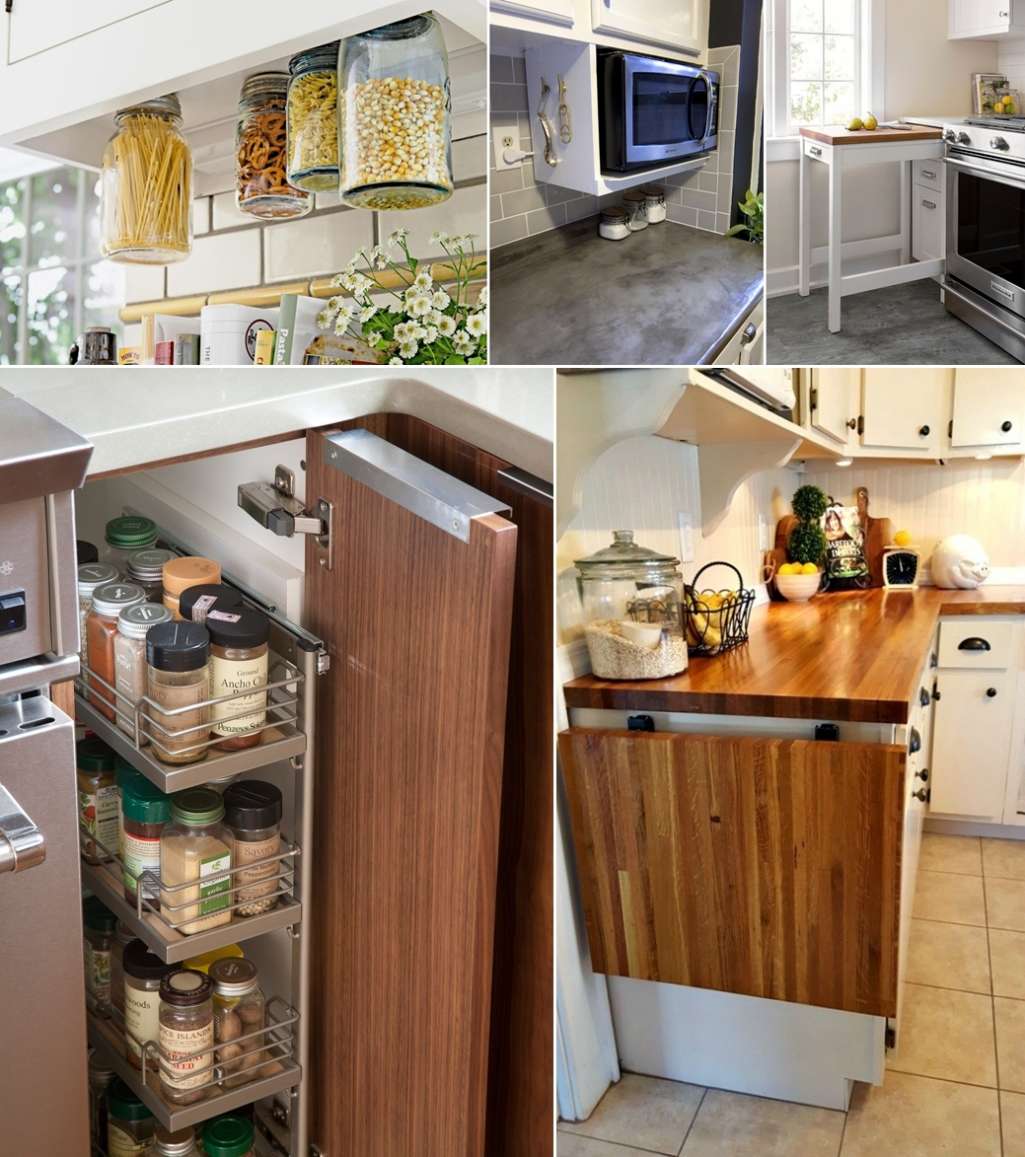
Smart layouts prioritize maximizing counter space and optimizing storage solutions. Counter space is a primary workstation in the kitchen; efficient layouts utilize it by allocating ample space for tasks like prep work, cooking, and dishwashing. Additionally, the strategic use of pull-out drawers and vertical storage solutions can maximize storage space and create a streamlined workflow. Consider employing modular cabinetry to effectively manage your storage needs.
Open-Concept Design and its Impact on the Layout
Open-concept designs, which blur the lines between the kitchen and living areas, have become increasingly popular. These layouts promote social interaction, but maintaining functionality can require a strategic layout. Consider appliances in the open space layout— how can you avoid clutter and maintain aesthetics while ensuring that you have enough counter space? Open-concept layouts demand an understanding of the space and the needs of the people that will use it daily.
Incorporating Sustainability into Kitchen Design
Optimizing Energy Efficiency with Smart Layout
Energy efficiency is an important aspect of contemporary kitchen design. Smart layouts can minimize energy consumption by positioning appliances strategically to ensure optimal airflow. Positioning appliances near electrical outlets and power strips can improve energy efficiency, and also simplify maintenance. Using energy-efficient appliances is also a crucial component of sustainable kitchen design.
Sustainable Material Choices in Layout Design
Sustainable materials and designs are increasingly sought after in modern kitchens. Using reclaimed or recycled materials, or opting for eco-friendly finishes, can contribute to environmentally conscious design. Careful planning and thoughtful material selection are essential for a more sustainable kitchen layout. Consider the lifecycle of the products that you choose, their disposal practices and potential for reuse or recycling.
Incorporating Natural Light into the Layout
Natural light significantly impacts a kitchen’s ambiance and energy efficiency. Strategic placement of windows or skylights can significantly improve the overall design and encourage natural lighting to cut down on the use of artificial lights. This also contributes to the overall aesthetics of the kitchen area.
Creating a Functional Kitchen Workflow
Optimizing the Workflow for Daily Tasks
Kitchen workflow involves the flow of movement from one area to another. An efficient layout reduces the distance between these stations. Smart layouts often include a designated prep area, a cooking zone, and a cleanup area, which should be strategically positioned. This careful organization minimizes wasted steps, ensuring a smoother workflow. This is especially important for multi-person households.
Placement of Appliances for Seamless Movements
Strategically placing major appliances like the stove, oven, and refrigerator is essential. The proximity of these appliances to each other and their position in relation to the sink and storage areas greatly impacts the cooking workflow. Consider the frequency of use for each appliance. The most frequently used appliances should be conveniently located to minimize movement.
Incorporating Zones for Specific Tasks
Designating zones for specific tasks, such as prep, cooking, and cleanup, can enhance the efficiency of your kitchen. This zone strategy helps to create distinct areas for different stages of food preparation, making the cooking experience smoother and more effective. This also improves sanitation.
Case Studies of Successful Smart Kitchen Designs
Case Study 1: The Modern Family Kitchen
A family of five often struggled with limited counter space and inadequate storage. Their kitchen remodeling focused on maximizing storage space through vertical shelving and pull-out drawers, and re-locating the refrigerator to better accommodate the cooking workflow. This improved space efficiency dramatically increased the practicality of their space, and also allowed the family to efficiently prepare meals together. They used this to improve their overall family life.
Case Study 2: The Small Apartment Kitchen
Limited space often poses a challenge to creating an efficient kitchen layout. In this case, the designers transformed a small galley kitchen into a streamlined, functional space by employing modular cabinetry and innovative storage solutions. They maximized vertical space and utilized wall-mounted shelves to increase storage capacity. By making small adjustments, they created a streamlined workflow.
Case Study 3: The Entertaining Kitchen
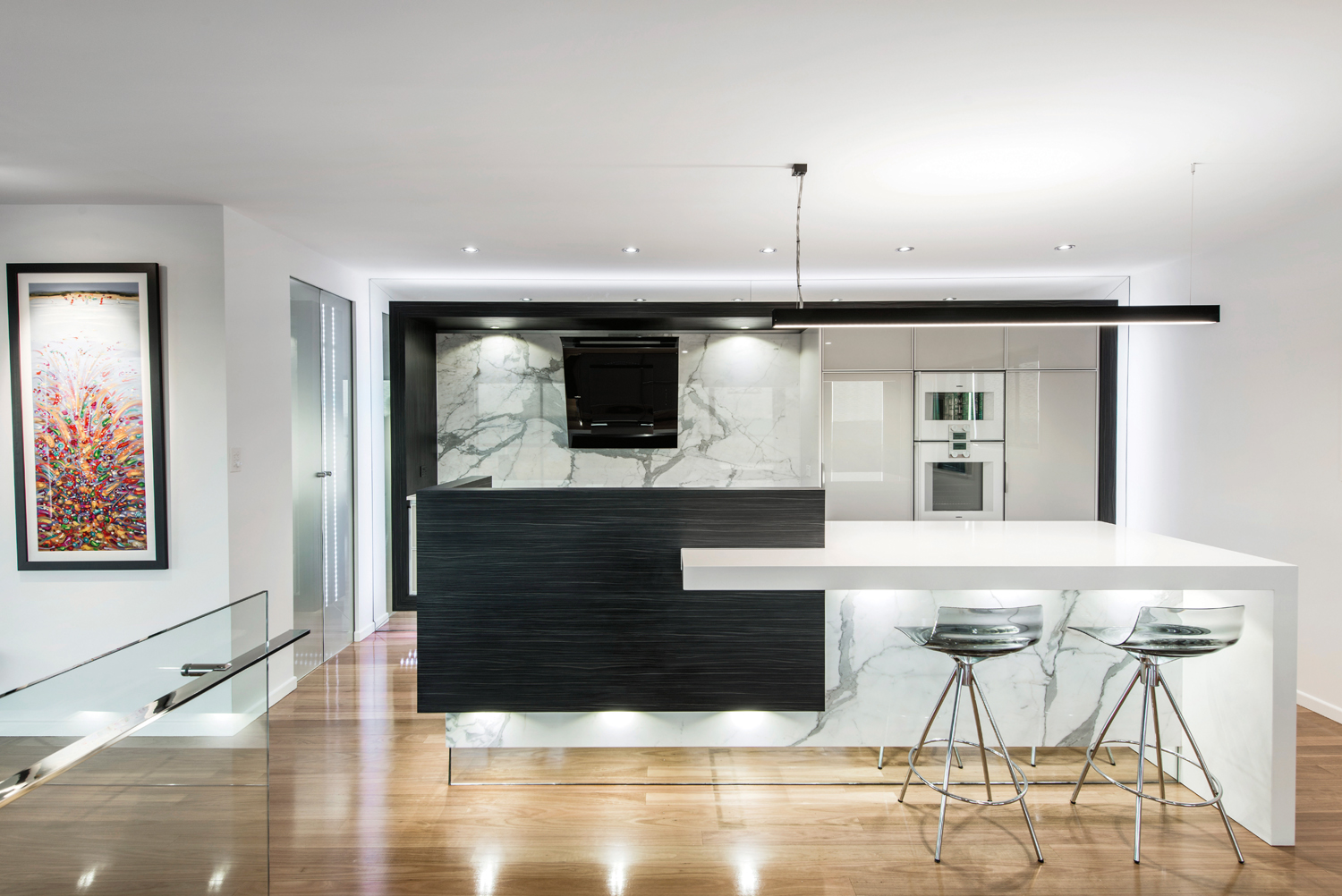
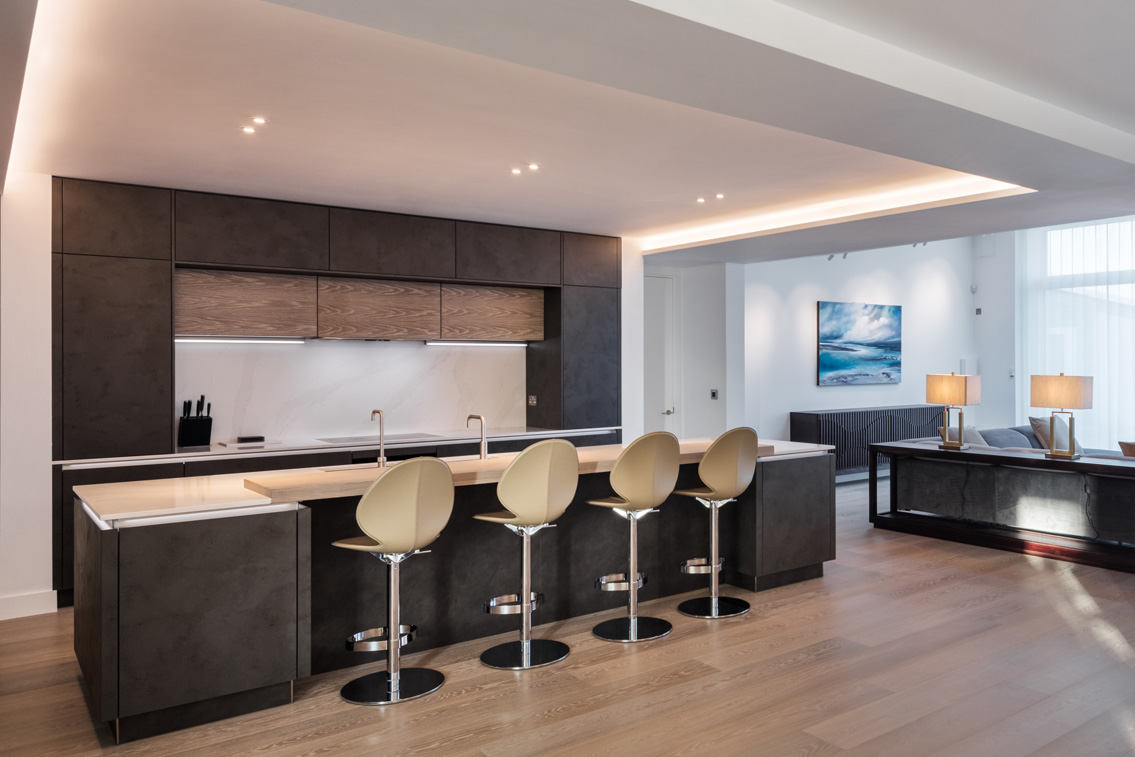
Homeowners desiring an open and inviting layout sought a kitchen that effectively combined cooking and socializing. The design maximized the space with a central island that served as a prep and gathering hub. This promoted communication and interaction between family members and guests during meal preparation and after-dinner conversation.
Budget-Friendly Smart Kitchen Layout Ideas
Utilizing Space-Saving Appliances
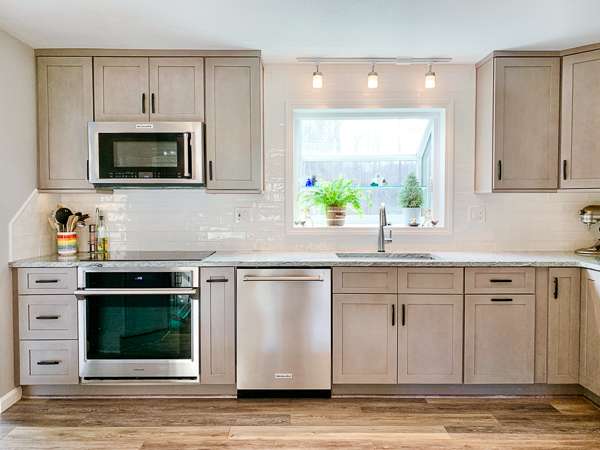
Choosing space-saving appliances is a cost-effective solution. Compact refrigerators, over-the-range microwaves, and slim-line dishwashers are excellent options. Smaller appliances can save valuable space and streamline your workflow.
Implementing DIY Storage Solutions
Consider DIY storage solutions to further reduce costs. Use repurposed materials to create customized shelves or containers, maximizing your existing storage space. This approach can dramatically transform the efficiency of your kitchen.
Prioritizing Functionality over Aesthetics
Functionality is often more valuable than aesthetics when working on a budget. Focus on optimizing the layout to meet your needs, using affordable materials while preserving the overall practicality of your kitchen.
Conclusion
Smart kitchen layout ideas can enhance your overall cooking experience. By incorporating these elements, your smart kitchen layout can optimize space, minimize wasted movement, increase your family’s overall happiness, and ensure your kitchen can accommodate all of your needs. If you’re seeking to redesign your kitchen space, carefully consider your lifestyle and habits to create a layout that optimizes your workflow. Implementing these smart ideas for your kitchen layout can lead to a more functional, aesthetically pleasing, and energy-efficient kitchen space.
Enhancing Your Smart Kitchen Layout with Professional Help
The Role of a Kitchen Designer
Engaging a professional kitchen designer can offer tailored recommendations for your specific needs, helping you visualize your desired layout. Professional designers understand the space effectively and can create a unique and highly functional design.
Choosing the Right Materials for Your Smart Kitchen Layout
Durability and Ease of Maintenance
Durable materials are essential for a well-designed layout. Materials with high durability ensure that the kitchen space is built to last for many years to come. High-quality materials are crucial for any kitchen remodel. The aesthetic elements are important, but the durability of the materials and the ease of maintenance are paramount in any kitchen. Look for materials that are low-maintenance, resistant to damage, and easy to clean.
Aesthetics and Budget
Balancing aesthetics and budget can seem daunting when considering materials. Consider the overall design style of the kitchen and explore different material options that fit the budget and style.
Eco-Friendly and Sustainable Choices
Eco-friendly choices are becoming increasingly popular. Sustainability and durability are important to consumers. When choosing materials, consider their environmental impact and durability in the long run. This can increase the longevity of your kitchen, while also reducing your environmental footprint.
Frequently Asked Questions
How can I measure my kitchen for layout planning?
Measuring your kitchen accurately is the first step to effective layout planning. Use a tape measure to meticulously record the dimensions of your existing walls, windows, and doorways. Consider any existing appliances or fixtures. Note any obstructions or unique features like load-bearing walls. Detailed measurements form the basis of your layout, allowing you to tailor your design to the specific space you’re working with. Accurate dimensions also assist in determining whether your chosen cabinets or appliances will fit without modification and prevent costly issues down the road.
What are some key considerations for an accessible kitchen design?
Accessibility features, such as wider doorways, lower counters, and lever handles, promote ease of movement for individuals with disabilities and diverse needs. If accessibility is a priority, involve professionals during the design phase and ensure that your chosen elements meet accessibility guidelines. By integrating accessibility features into your kitchen layout, you cultivate a welcoming and versatile kitchen for the entire household. Detailed planning is essential and professionals can ensure compliance with local codes and guidelines.
What are some cost-effective ways to improve kitchen efficiency?
Investing in thoughtful kitchen layouts can greatly impact functionality and therefore efficiency without exorbitant costs. Simple choices such as repositioning outlets and strategically placed lighting can improve accessibility and usability. Another cost-effective approach involves maximizing storage space using innovative storage solutions such as vertical shelving or pull-out drawers. Utilizing readily available DIY tips for decluttering and streamlining workflow also contributes to a more efficient kitchen without compromising your budget.
In conclusion, optimizing your kitchen layout for efficiency isn’t just about aesthetics; it’s about maximizing your workflow and minimizing wasted movement. By considering these smart kitchen layout ideas, you can create a space that supports your cooking style and makes daily tasks a breeze. If you’re ready to design a smart kitchen, I recommend consulting a professional kitchen designer or architect to ensure your vision aligns with your needs and budget. Start planning your dream kitchen today!