Vertical gardening is revolutionizing urban farming and home gardening by maximizing plant yields in limited spaces. With innovative techniques, you can cultivate a lush garden, even on a balcony or a small apartment patio. Many people face space constraints in their homes and backyards, limiting their gardening options. Vertical gardening presents a practical and visually appealing solution to this problem. This comprehensive guide delves into the intricacies of vertical gardening, outlining various techniques, common mistakes to avoid, and valuable tips for success. This guide breaks down how to build your vertical garden from conceptualizing the plan, selecting the right plants, and even choosing the appropriate equipment. Let’s embark on a journey to create your thriving vertical garden.
Understanding the Benefits of Vertical Gardening
Vertical Gardening: A Space-Saving Solution
Vertical gardening has emerged as a powerful approach for urban dwellers and those with limited outdoor spaces. This method allows you to grow more plants in a smaller footprint, offering a sustainable and visually pleasing addition to any home. By strategically stacking planters and utilizing vertical structures, you can dramatically increase the yield of your garden without compromising your available space. By focusing on vertical growth, vertical gardening maximizes garden yield.
Optimizing Space Utilization
Conventional horizontal gardening methods often struggle with limited space in urban areas, often leading to diminished yields. Vertical gardening cleverly tackles this challenge by using vertical structures, such as walls, fences, or even repurposed materials. This allows you to cultivate a substantial garden, even if your backyard or patio is small. Vertical gardening, therefore, can transform a constrained space into a productive area, offering the opportunity to enjoy the rewards of a bountiful harvest.
Choosing the Right Plants
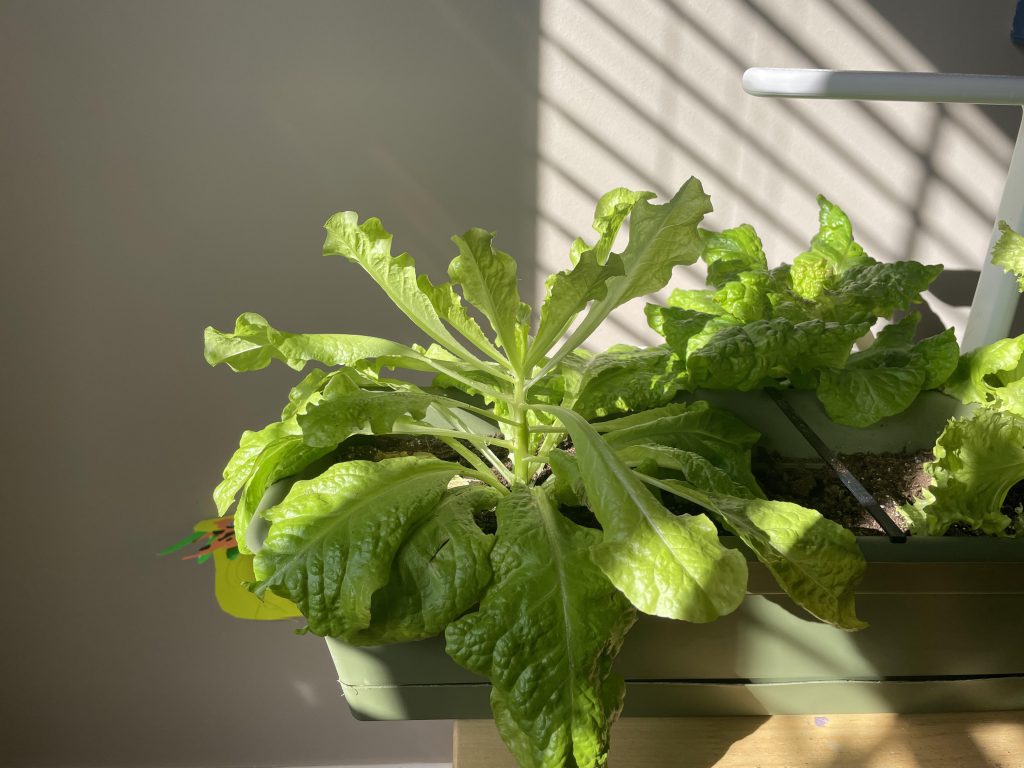
An important step in successful vertical gardening is selecting the right plants. Plants with a natural tendency to climb or trail, such as peas, beans, and certain vine varieties, are excellent candidates for vertical gardens. Herbs, leafy greens, and small fruiting plants can also be incorporated. Consider the plant’s growth habit when planning your vertical garden setup to maximize space and yield.
Planning Your Vertical Garden
Site Selection and Preparation
Carefully consider the location for your vertical garden. Ensure sufficient sunlight, considering the plant requirements of each species you intend to grow. Vertical gardens can be placed against walls, fences, or even built-in structures. Proper preparation of the planting area, whether in pots or on a vertical structure, is crucial for success. Consider the water requirements, drainage, and soil composition for your chosen plants. This preparation step lays the groundwork for a thriving vertical garden, providing a foundation for consistent growth.
Choosing the Right Materials
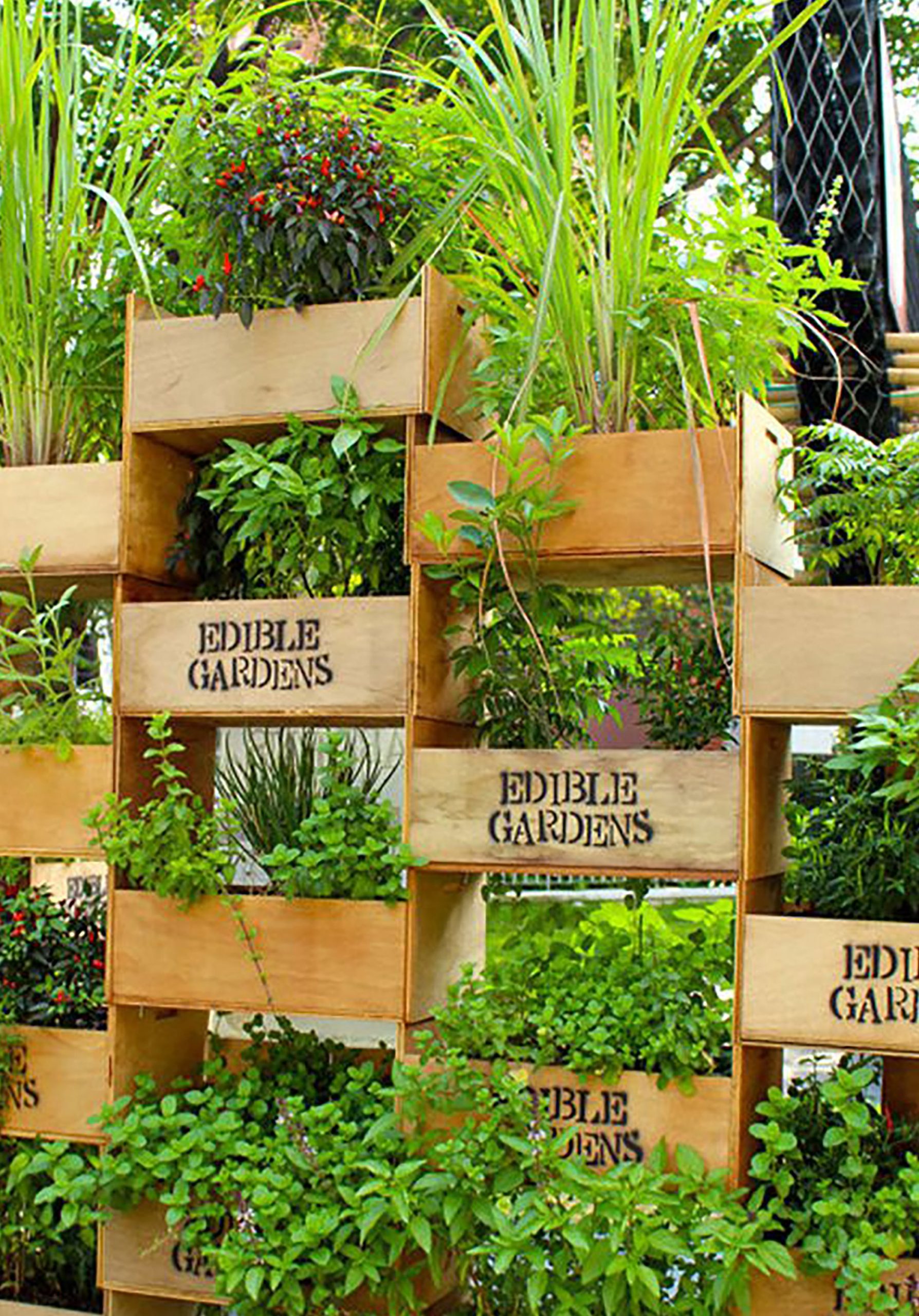
Select materials that are sturdy, weather-resistant, and visually appealing. Repurposed materials, such as old pallets, wooden crates, or pipes, can be creative and budget-friendly options. Ensure that the materials are suitable for the chosen plants and the vertical garden design. Consider the size of your vertical garden, the weight of the plants, and the amount of support needed for each plant. The right materials are essential for a durable and long-lasting vertical garden.
Designing Your Vertical Structure
Create a detailed plan for your vertical garden. This should incorporate the chosen plants, the vertical structure design, and the specific needs of each plant. Include considerations for watering, drainage, and access to sunlight. Design your vertical garden to effectively support the weight of the plants and provide adequate airflow to prevent disease. Consider using trellises, PVC pipes, or other supportive structures to create a dynamic and aesthetically pleasing vertical garden.
Growing Techniques for Success
Implementing the Right Techniques
Several gardening techniques can boost your vertical garden’s productivity. Proper watering, fertilizer application, and pest control are essential for sustained growth and yield. Consider the unique needs of each plant, and tailor your approach to promote healthy growth. Regularly inspect your plants for signs of pests or diseases and take prompt action to prevent further infestation. Effective pest and disease management are crucial for thriving vertical gardens.
Advanced Watering Methods
Optimize watering techniques for vertical gardens. Drip irrigation systems or self-watering planters can effectively deliver water directly to the plant roots. This ensures efficient water usage and reduces the risk of overwatering or underwatering. Proper watering can promote healthy growth and yield in your vertical garden. Using drip irrigation systems or self-watering planters can contribute to efficient water use and reduce the potential for problems like overwatering or underwatering.
Monitoring and Maintenance
Regular monitoring and maintenance of your vertical garden is essential for continued success. Observe your plants’ health, checking for signs of disease or pest infestation. Monitor plant growth and adjust watering or fertilization schedules as needed. Early detection and treatment of pests and diseases can prevent their spread and maintain the health of your plants.
Maximizing Your Vertical Garden’s Yield
Selecting High-Yielding Plants
Choose plants known for high yields, considering their vertical growth habit. Certain fruits, vegetables, and herbs are particularly well-suited for vertical growing methods. Select plants that are suited to your space, climate, and available resources. By carefully selecting the appropriate plants, you can maximize the efficiency of your vertical garden.
Utilizing Companion Planting Strategies
Implement companion planting techniques to enhance the growth of your vertical garden. Companion planting involves strategically placing plants near each other to promote their mutual growth and discourage pests. Consider plant combinations that complement each other in terms of nutrients and spacing requirements. This technique can lead to increased yields and healthier plants in vertical gardens.
Optimal Harvesting Techniques
Develop effective harvesting strategies to maximize your vertical garden’s yield. Plan the timing of harvests to coincide with peak ripeness and high demand. Harvesting methods should be tailored to the specific plant type to minimize damage and promote continued growth. Consistent and strategic harvesting helps ensure optimal plant yield and prevents overgrowth.
Troubleshooting Common Issues
Addressing Common Pests and Diseases
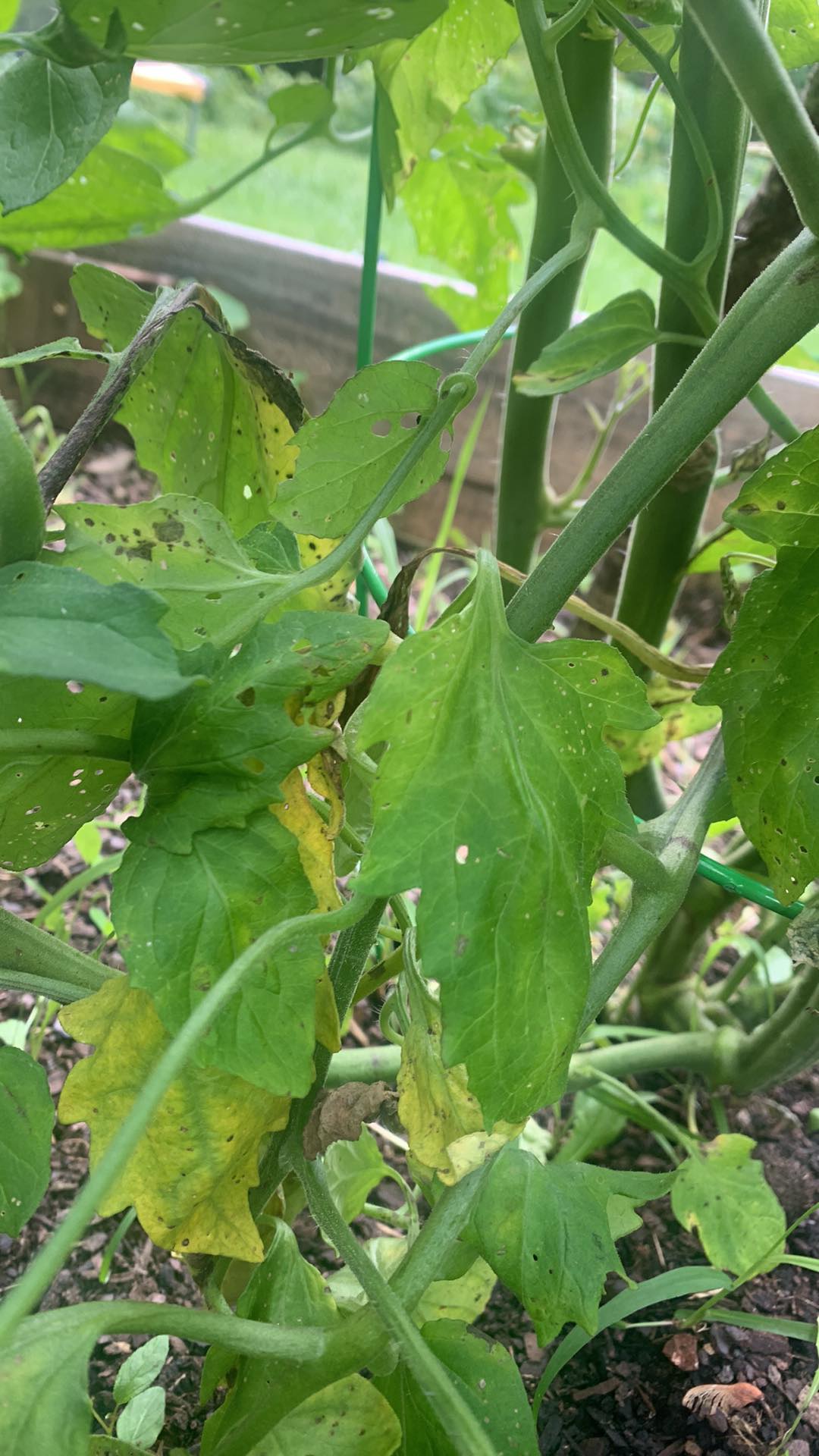
Vertical gardens are susceptible to common pests and diseases. Implementing preventative measures such as proper spacing, good airflow, and regular inspections is crucial. Identify pests early and address them promptly to avoid widespread infestation. Healthy plants are more resilient to pests and diseases. Effective pest control in vertical gardens is essential for maintaining plant health.
Dealing with Overwatering or Underwaterings
Water is crucial for healthy plant growth. Vertical gardens require careful monitoring to avoid overwatering or underwatering. Adjust watering schedules according to the needs of the specific plants in your garden and the climate. A balance in watering is needed to maintain the health and productivity of your vertical garden.
Adapting to Growing Conditions
Adjust your vertical gardening approach to your specific climate and growing conditions. Consider local weather patterns and microclimates to optimize plant growth and ensure healthy plant development. Adapt to conditions to sustain a thriving vertical garden.
Vertical Gardening Ideas: Inspiration for Design
Vertical Wall Gardens
Create a vertical wall garden using various containers, trellises, or a wall-mounted system. Consider using reclaimed wood, metal pipes, or other sustainable materials for support systems. Choose climbing plants, such as ivy or tomatoes, to best utilize a vertical wall setting.
Tower Gardens
Tower gardens are great options for those with limited space. These vertically stacked planters maximize space and often include efficient water systems and integrated support structures. They are perfect for balconies or patios.
Hanging Baskets and Planters
This is a great choice for adding visual appeal and maximizing space in a vertical design. Choose hanging planters or baskets of varying sizes to accommodate a diverse range of plant types and sizes.
Frequently Asked Questions
Q: What are the best vertical gardening techniques for beginners?
A: For beginners, starting with simple systems like wall-mounted planters or DIY trellises is a great way to learn the ropes. Focus on understanding plant needs and adjusting your approach as you gain experience. Consider easy-to-grow herbs or leafy greens initially to gauge your progress. Researching different vertical gardening systems and exploring DIY projects can be very helpful. Don’t be afraid to experiment and adapt to what works best for you and your specific plants.
Q: What are some space-saving vertical gardening ideas?
A: Explore stacking planters, using hanging baskets, and incorporating trellises to maximize space. Even repurposing old containers or creating a vertical garden wall can effectively utilize limited space. Consider using wall-mounted or hanging systems for maximized space efficiency. Don’t underestimate the potential of vertical gardens; you can achieve surprising results even with minimal space. There are various ways to optimize your limited space and build a robust vertical garden, starting from the most economical approach.
In conclusion, vertical gardening is a fantastic solution for maximizing space and yields in urban and limited-space environments. By implementing the strategies discussed in this guide, you can successfully cultivate a thriving vertical garden, reaping the rewards of fresh, homegrown produce. Consider your personal needs, available resources, and chosen plants to refine your setup. Ready to transform your space into a verdant haven? Start your vertical gardening journey today!