Selecting the right water heater is a crucial decision that impacts both your comfort and energy bills. A poorly chosen water heater can lead to frequent hot water shortages or excessive energy consumption. A water heater is a significant investment in a home’s plumbing infrastructure, responsible for providing hot water for domestic use, including showering, bathing, and cleaning. The market offers a variety of options, from traditional tank models to advanced tankless systems, each with its own set of benefits and drawbacks. This guide will walk you through the essential factors to consider when choosing the right water heater for your home: capacity, type, and crucial safety features. This article will help you navigate the complexities and make an informed decision.
Understanding Your Hot Water Needs
Assessing Household Water Usage
Before diving into the specifics of water heater types and features, it’s important to accurately assess your household’s hot water usage. Factor in the number of people living in your home, their daily routines, and the frequency of water-intensive activities like showers, baths, dishwashing, and laundry. If you have a larger family with frequent hot water use, you’ll need a water heater with a higher capacity. For instance, a family of four with multiple showers daily will require a larger capacity than a smaller family with infrequent hot water demand. A thorough evaluation of your household’s water usage habits provides a strong foundation for selecting the correct water heater model. This will ensure that the water heater can meet your hot water demands without any limitations. A study by the Department of Energy found that households with a precise understanding of their water usage patterns often have significant savings in energy consumption, leading to lower utility bills.
Calculating Your Water Heating Budget
Next, consider your budget. Different water heater types have varying prices. Tank water heaters are typically more affordable than tankless models. However, the lifetime costs of each type, considering maintenance and energy consumption, should also be factored into your budget. Research different options to find one that aligns with both your budget and your hot water needs. There are numerous financing options available for water heater purchases, and you can explore them to reduce the upfront cost of the investment. Comparing the costs of maintenance and repair for different types of water heaters will also help you make an informed decision.
Types of Water Heaters – Tank and Tankless
There are two primary types of water heaters on the market: tank and tankless. Tank water heaters store hot water in a tank, heating it as needed. These are often the more economical choice initially but can lead to energy waste if the tank isn’t utilized to its full capacity. Tankless water heaters, in contrast, heat water directly as it’s required, maximizing efficiency by minimizing energy loss from storing heated water. Understanding the advantages and disadvantages of each type is essential in making the right selection.
Selecting the Right Capacity
Determining Water Heating Capacity
The capacity of a water heater is measured in gallons. It’s crucial to select a water heater that can meet the total hot water demand of your household. Consider the number of simultaneous hot water users and the volume of water needed for various daily activities. For example, a family of five with several individuals showering at once will require a water heater with a higher capacity. Failing to consider your household’s hot water demand can lead to insufficient hot water supply and potential conflicts in daily routines.
Comparing Water Heater Capacities
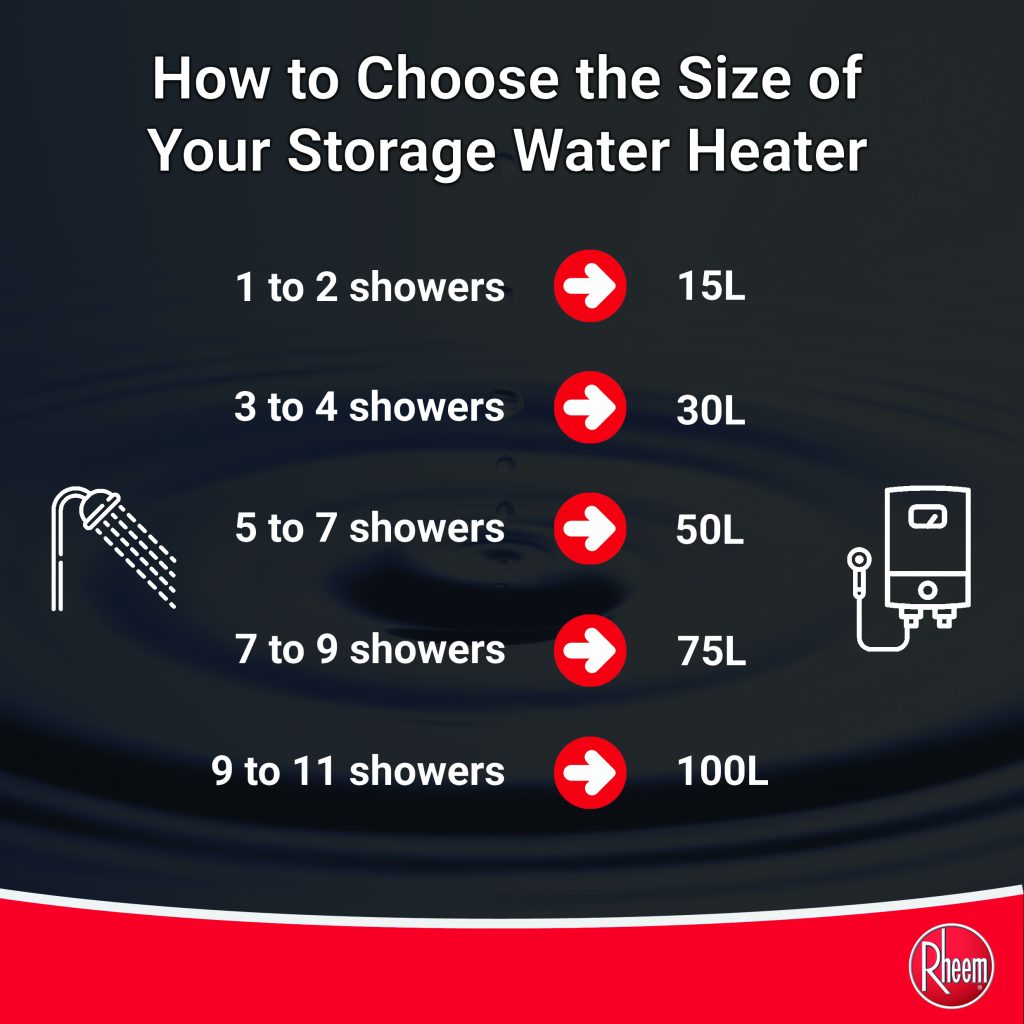
By consulting charts or guides, you can determine a suitable capacity for your household. A capacity chart can help you determine the relationship between family size and required water heater capacity. The calculations are relatively straightforward and can be done by a qualified plumber. Consider consulting with a professional plumber for a precise assessment and recommendations tailored to your specific needs. A survey by the American Water Works Association found that over 70% of homeowners with hot water issues reported a lack of adequate capacity as a significant factor.
Safety Features and Considerations
Safety should be paramount when choosing a water heater. Critical safety features include temperature and pressure relief valves. Regular maintenance checks are crucial. Ensure that the unit has appropriate insulation to prevent energy loss and minimize potential hazards. Choosing a water heater with built-in safety features can help prevent accidents and maintain a safe environment for everyone in the household.
Evaluating Water Heater Types
Understanding Tank Water Heaters
Tank water heaters are the most common type, storing hot water in a tank. They’re typically more affordable upfront but can be less energy-efficient than tankless systems. Consider factors like installation costs and potential maintenance requirements. For households with moderate hot water needs, tank water heaters offer a practical solution.
Exploring Tankless Water Heaters
Tankless water heaters are more energy-efficient than tank systems, heating water directly as needed. This translates to significant energy savings, especially in areas with high hot water consumption. However, tankless systems can be more expensive upfront and may require a dedicated vent system. Consult local plumbing codes to ensure proper installation and safety compliance.
Factors Influencing Water Heater Selection
Consider factors like your home’s hot water needs, energy costs, and budget. Factors such as hot water demand and energy costs greatly affect the cost-effectiveness of each type of water heater. Researching and comparing models of different types will greatly help you determine the most suitable choice for your home.
Prioritizing Safety
Important Safety Features
Safety should be a top priority when choosing a water heater. A water heater should have safety features such as temperature and pressure relief valves, which prevent potential water heater hazards. Consider the longevity of the safety features and the manufacturer’s reputation when evaluating a water heater’s safety features. Review the warranty and maintenance instructions carefully, as the proper maintenance of the safety features is crucial.
Regular Maintenance and Inspections
Regular maintenance and inspections of the water heater are crucial to prevent potential issues and ensure its continued safety and efficiency. Look for models with easy-to-access components and those with user-friendly maintenance procedures. Check with local plumbing regulations for the required maintenance schedule for water heaters and ensure compliance.
Water Heater Safety Tips
Always follow manufacturer guidelines and local safety regulations to ensure proper installation, maintenance, and operation of your water heater. Understanding potential hazards associated with water heaters is essential. Improper installations or maintenance can lead to dangerous situations. Educate yourself on safety tips to mitigate risks.
Energy Efficiency Considerations
Energy Efficiency Ratings
When comparing different models, check the energy efficiency rating to assess the long-term energy costs. Energy-efficient water heaters can significantly reduce your energy bills. Consider factors such as the water heater’s Annual Fuel Utilization Efficiency (AFUE) rating, which reflects its energy efficiency.
Factors Influencing Energy Efficiency
Factors such as insulation, type of heating element, and overall design greatly influence the energy efficiency of a water heater. Tankless water heaters typically exhibit higher energy efficiency than tank models due to their on-demand heating process.
Reducing Your Energy Footprint
Consider the long-term cost savings associated with choosing energy-efficient water heaters to reduce your overall energy footprint. This choice aligns with environmentally conscious practices.
Installation and Maintenance
Professional Installation Recommendations
For optimal performance and safety, consider professional installation. Professionals can ensure proper venting, connections, and placement of the water heater to meet local regulations and avoid potential issues.
Maintenance Schedule
Develop a routine maintenance schedule. Regular maintenance can help prevent potential issues, extending the lifespan of the water heater. Maintenance includes flushing the tank, inspecting components for damage, and addressing any concerns promptly.
Budgetary Considerations
In addition to upfront costs, factor in potential future maintenance and repair expenses when establishing your budget.
Additional Tips and Considerations
Location and Space Requirements
Water heaters require specific installation locations that conform to safety standards. Consider the available space and ensure that the water heater is correctly installed according to local guidelines.
Local Codes and Regulations
Ensure compliance with local codes and regulations. These requirements vary by region and may include specific standards for venting, safety, and installation.
Warranty and Support
Check the warranty and service support offered by the manufacturer. A reliable warranty and readily available support can greatly improve the peace of mind associated with your water heater purchase.
Final Checklist
Model Comparison
Compare different models based on capacity, energy efficiency, safety features, and cost. Look for reviews from reputable sources before making a purchase.
Budget Constraints
Set a realistic budget and stick to it. Consider financing options or potential cost savings from choosing a more budget-friendly water heater.
Professional Consultation
Seek consultation from a qualified plumbing expert for personalized recommendations.
Overall Satisfaction
Prioritize factors for optimal functioning of your water heater to enhance comfort and convenience.
Comparing Different Brands
Brand Reputation
Research reputable brands known for high-quality water heaters with excellent longevity. Assess reviews and customer feedback to select a brand that meets your standards.
Maintenance History
Inquire about the maintenance history of the different models from a particular brand. Knowing previous maintenance will allow you to make a better decision.
Product Performance
Pay attention to the product performance and the reputation of the manufacturer in terms of handling customer feedback and providing prompt assistance.
Frequently Asked Questions
What are the common types of water heaters?
There are several types of water heaters available in the market today, each with its unique characteristics and pros and cons. Tank water heaters are a traditional choice, storing hot water in a tank. Tankless water heaters, on the other hand, heat water directly on demand, reducing energy waste by not needing to heat and store water constantly. Understanding the different types can help you choose the most suitable option for your home’s water usage needs. Consider factors like energy efficiency, installation costs, and potential maintenance requirements. Also, compare the cost-effectiveness of each type for your hot water needs.
How do I determine the right water heater capacity for my household?
Choosing the appropriate water heater capacity is crucial to meet your household’s hot water demands. Consider the number of people in your household, the frequency of showers, baths, and dishwashing, as well as the volume of water used for other household tasks. A professional plumber can offer personalized advice tailored to your specific water usage habits. It’s also a good idea to consult water heater capacity charts to get a baseline understanding of the relationship between capacity and household size. Accurate calculation is essential to avoid insufficient hot water supply or excessive energy consumption from an oversized unit.
In conclusion, selecting the right water heater involves careful consideration of capacity, type, and safety features. By understanding your hot water needs, researching different models, and prioritizing safety, you can make an informed decision that will serve your household effectively and safely for years to come. For a more personalized recommendation, consult a qualified plumber or heating specialist. This will ensure the water heater selection aligns perfectly with your requirements and helps prevent any potential hazards.