Sustainable gardening is a practice that involves cultivating a garden in an environmentally conscious way. By embracing sustainable methods, you can create a beautiful and thriving garden while minimizing your impact on the planet. Many people want to cultivate their own green space, but find it challenging to balance environmental responsibility with personal enjoyment. This beginner’s guide will walk you through the essential steps of starting and maintaining a sustainable garden, offering practical advice and inspiring you to create a lush, healthy, and environmentally friendly space in your own backyard. We’ll delve into various aspects of sustainable gardening, from selecting the right plants to composting effectively, with the aim of helping you grow green at home without compromising the environment.
Understanding Sustainable Gardening Principles
Core Concepts of Sustainable Gardening
Sustainable gardening is a holistic approach that considers the interconnectedness of plants, soil, and the environment. It emphasizes the preservation of natural resources and the promotion of biodiversity in your garden. At its core, it promotes resource efficiency, respecting the natural cycles of the ecosystem. A vital element is minimizing the use of synthetic inputs, like pesticides and fertilizers, while utilizing environmentally conscious solutions. An essential aspect of this approach is soil health, as a thriving soil environment fosters robust and resilient plants, reducing the need for external interventions. Moreover, sustainable gardening involves creating a garden that minimizes its environmental footprint while fostering biodiversity. This approach aims to create a balanced ecosystem in your backyard, supporting beneficial insects, birds, and other wildlife, thereby reducing the need for external pest control.
Choosing the Right Plants for Your Garden
Plant Selection and Climate Adaptation
Selecting the right plants for your garden is crucial for the success of your sustainable efforts. The choice of plant life should align with the climate and conditions of your specific location. Choose native plants that are well-suited to the climate and local environment, thereby promoting biodiversity. Native species are adapted to local conditions, require less watering, and are less susceptible to diseases. They also create habitats for pollinators and other beneficial insects. By choosing plants that thrive in your area, you can save water and reduce the risk of pests. When selecting plants, consider their growth habits, water requirements, and potential impact on the surrounding ecosystem.
Composting: The Cornerstone of Sustainable Gardening
Effective Composting Techniques
Composting is a cornerstone of sustainable gardening, transforming organic waste into nutrient-rich compost that enriches the soil and reduces landfill waste. Composting promotes the natural decomposition of organic materials into a valuable fertilizer for plants. The key elements of effective composting include ensuring adequate moisture, proper ventilation, and an even blend of organic materials. Consider composting various food scraps, yard waste, and other organic materials. These materials decompose to produce compost that can improve soil health, increase water retention capacity, and reduce the reliance on chemical fertilizers.
Water Conservation Techniques for Your Garden
Efficient Irrigation Strategies
Water conservation is essential for sustainable gardening. Efficient irrigation techniques are vital in conserving water resources and reducing the environmental impact of gardening. A key element is to water deeply and less frequently. This encourages deep root growth, making plants more drought-resistant. Employ techniques such as soaker hoses or drip irrigation to minimize water waste. Consider collecting rainwater for watering your plants, significantly reducing your dependence on municipal water supplies. Moreover, mulching the soil around plants helps to retain moisture, reducing the need for frequent watering.
Pest and Disease Management
Natural Pest Control Methods
Sustainable gardening prioritizes the use of natural pest and disease control methods. Chemical pesticides can harm beneficial insects and pollinator populations and pollute the environment. Instead of these harmful chemicals, consider introducing beneficial insects, like ladybugs, to your garden to naturally control pest populations. Additionally, practicing crop rotation can help prevent the build-up of pests and diseases in the soil. Employing organic pest control methods will help to preserve biodiversity in your garden. A healthy and diverse garden ecosystem can inherently deter pests and illnesses.
Creating a Wildlife-Friendly Garden
Biodiversity and Pollinators
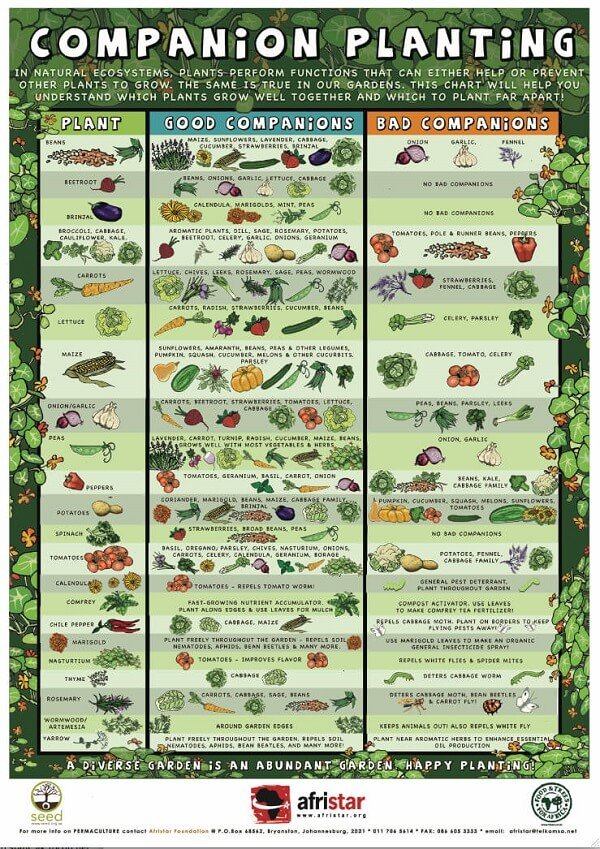
Creating a wildlife-friendly garden fosters a harmonious balance between your garden and the surrounding environment. The attraction of pollinators like bees and butterflies to the garden can contribute significantly to plant health and biodiversity. A variety of flowering plants, herbs, and shrubs will attract these beneficial insects, enhancing the ecosystem’s resilience. Encourage biodiversity by creating habitats for various insects, birds, and other wildlife. This can involve planting native species, providing nesting materials, and minimizing the use of pesticides.
Soil Health and Fertilization
Natural Soil Enrichment Practices
Maintaining healthy soil is critical to the success of your sustainable garden. Prioritizing natural soil enrichment practices is a crucial part of this. Amend your soil with compost and other organic matter to improve its structure and fertility. Avoid using synthetic fertilizers, and prioritize the use of organic alternatives. By improving soil quality, you encourage stronger plant growth, reduce reliance on supplemental nutrients, and contribute to long-term soil health.
Monitoring and Maintenance
Regular Checks and Adjustments
Regular monitoring and maintenance are key aspects of sustainable gardening. Inspect your plants regularly for signs of diseases or pests. Adjust your watering, fertilization, and pest control strategies based on your observations. By diligently monitoring your plants and garden’s health, you can adapt your approach and continuously refine your sustainable gardening techniques.
Tools for Sustainable Gardening
Choosing the Right Tools for the Job
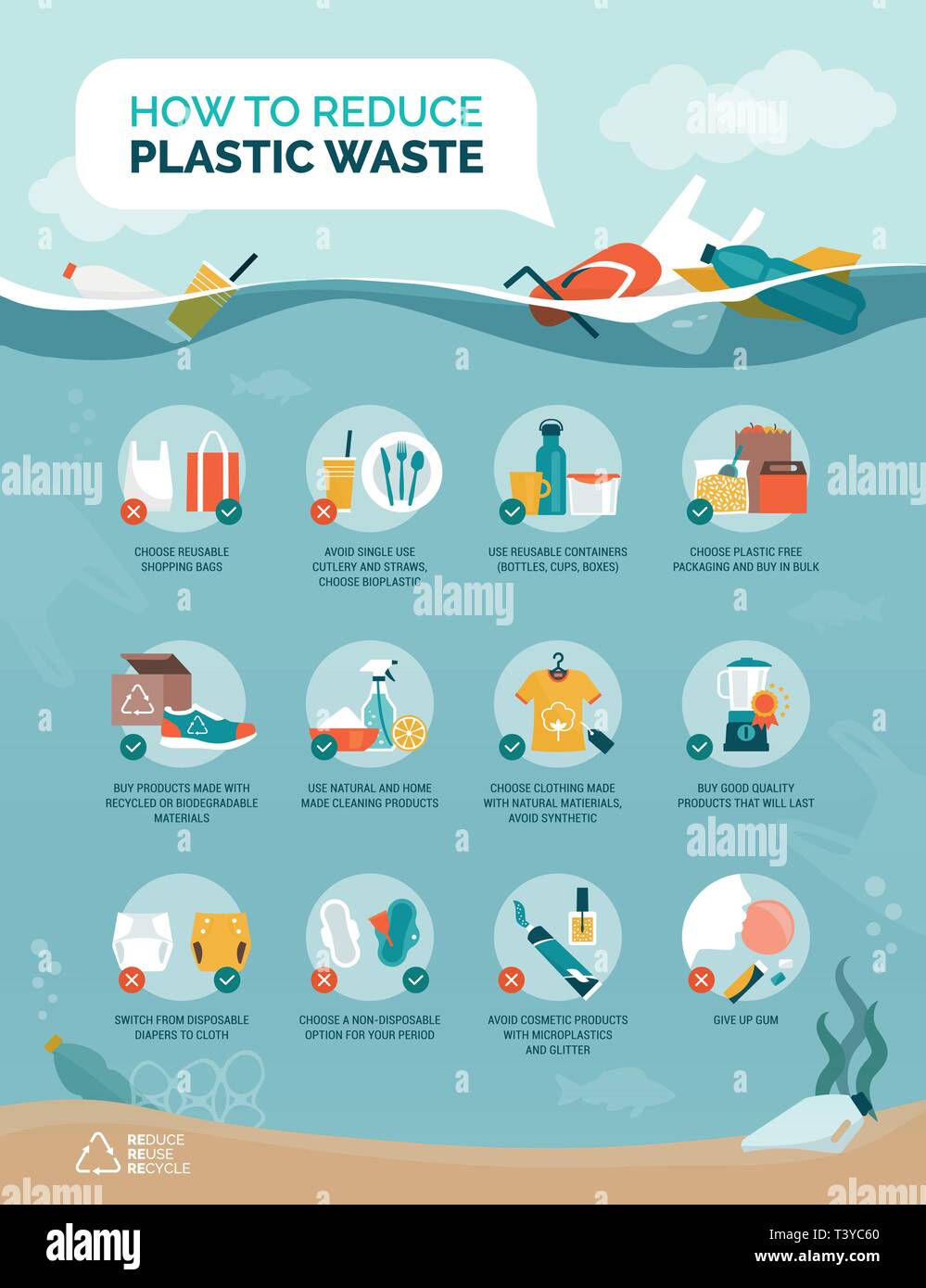
Sustainable gardening frequently utilizes specific tools that align with environmentally friendly practices. Choosing tools carefully is crucial for both efficiency and environmental consciousness. For example, choose non-toxic or recycled materials to minimize impact. Prioritize tools with minimal energy consumption, like hand-held tools instead of gas-powered equipment. Selecting durable tools, avoiding single-use products, and opting for reusable options will reduce waste and extend the lifespan of your tools.
Frequently Asked Questions
What are the essential tools for sustainable gardening?
Sustainable gardening relies heavily on tools that prioritize efficiency and minimize environmental impact. Consider tools like hand trowels, hand rakes, and gardening shears. For larger tasks, you may consider using a tiller that’s not gas-powered, for minimal emissions. Water conservation is also key, so a watering can with a controlled spray can also be beneficial for your sustainability practices. Additionally, look for compost bins and other organic waste recycling tools, as composting is a crucial part of a sustainable garden.
In conclusion, sustainable gardening is a rewarding journey that offers numerous benefits for both the environment and your well-being. By embracing these principles, you can cultivate a thriving and beautiful garden while making a positive impact on the planet. Start small, experiment with different methods, and be patient. Sustainable gardening isn’t about perfection, but about making conscious choices and continuously learning. Begin your sustainable gardening journey today and discover the joy of growing green at home!