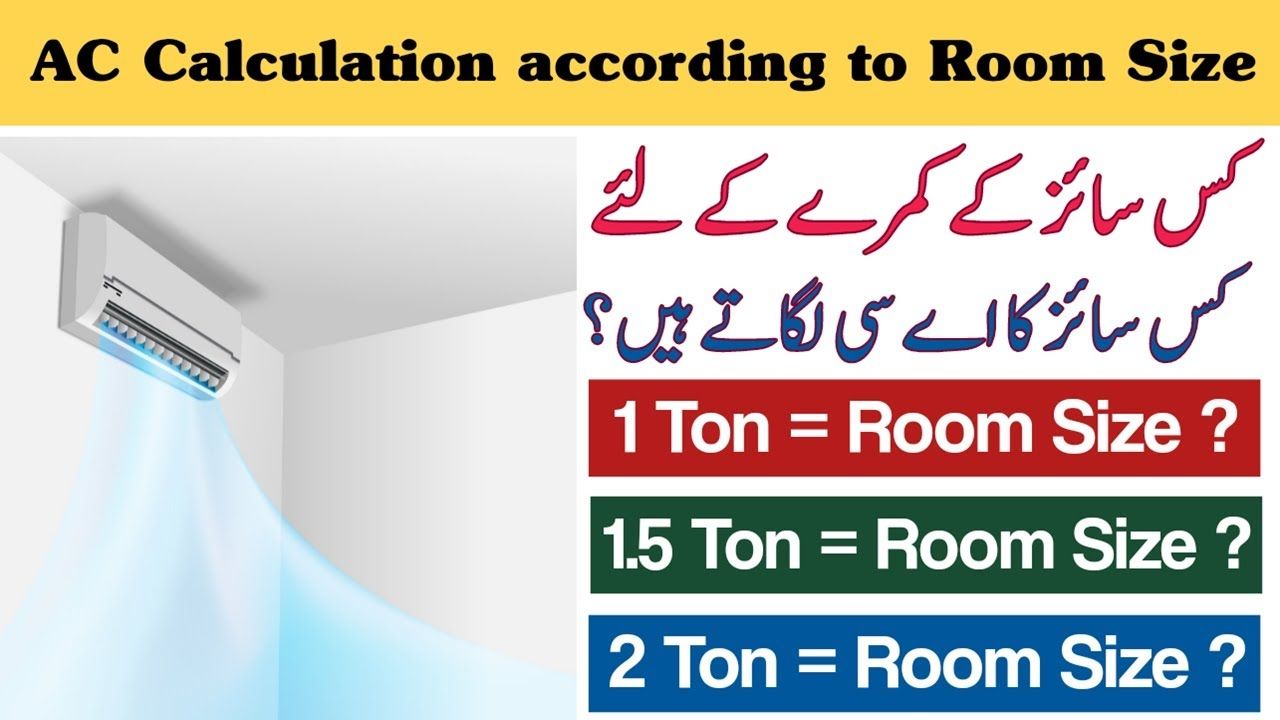

Choosing the right AC capacity is paramount for optimal comfort and energy efficiency. A correctly sized air conditioner ensures your home is cool and comfortable without unnecessary energy consumption. This guide provides a comprehensive overview of the factors to consider, outlining the steps to determine your exact needs and ensuring you achieve peak performance from your new or existing AC. We’ll delve into how room size affects cooling needs, explore BTU calculation methodologies, and offer practical tips for choosing the perfect capacity. This article will also address potential pitfalls of mismatched capacity and provide you with concrete examples to aid in your decision-making process.
Understanding AC Capacity: A Foundation for Energy Efficiency
Defining Cooling Capacity
Air conditioners (ACs) are rated in British Thermal Units (BTUs) per hour. A higher BTU rating indicates a greater cooling capacity, enabling the AC to cool larger spaces more effectively. This capacity is directly related to the amount of heat the AC can remove from the room per hour. Understanding this fundamental concept is crucial for optimal energy efficiency and comfort.
The Critical Role of Room Size
The size of your room significantly impacts the cooling capacity required. A larger space demands a larger AC to maintain the desired temperature effectively. A smaller unit struggles to cool a large space, leading to potential overheating and decreased comfort. Conversely, an oversized unit may cycle on and off frequently, resulting in higher energy bills and potential premature wear and tear on the unit. Choosing the correct size is therefore essential for both comfort and cost savings.
Calculating BTU Needs: A Step-by-Step Guide
Measuring Your Room’s Dimensions
Accurate measurement of your room’s dimensions is critical. Use a tape measure to determine the length, width, and height of the space to be cooled. The total square footage will be multiplied by the required BTU output per square foot to estimate the correct AC capacity.
Factoring in Heat Load
Beyond room size, consider the heat load – the amount of heat entering your room. Factors such as the number and direction of windows, insulation levels, and any heat-generating appliances play a significant role. South-facing windows, for instance, introduce considerably more heat compared to north-facing windows. Accounting for these elements allows for a more precise calculation.
BTU Per Square Foot: A General Guideline
As a general rule, the recommended BTU per square foot varies depending on the climate and your desired cooling comfort. For a moderate climate and average comfort, consider 25-30 BTUs per square foot. Higher values might be recommended for regions with high heat loads or if you prioritize extreme comfort.
Choosing the Right AC Capacity: Practical Considerations
Assessing Climate and Usage Patterns
Climate plays a significant role in your AC needs. In regions with consistently high temperatures and humidity, a higher BTU capacity might be necessary. Conversely, in cooler climates, a smaller unit may suffice. Also, consider how often you plan to use your AC. Frequent use will mean a higher-capacity system is preferable for consistent cooling, while infrequent use may make a lower capacity unit a viable choice.
Consulting with HVAC Professionals
While calculating the BTU needs yourself is possible, consulting with an HVAC technician is advisable for a more personalized recommendation. An expert can assess your unique situation, factoring in the specifics of your home and climate. They can provide invaluable insights to optimize your cooling system and energy efficiency.
Importance of Understanding Unit Specifications
Before making a purchase, thoroughly research the specifications of different AC units. Understand the BTU rating, features, and overall efficiency. Don’t just focus on cost; consider the potential long-term benefits of a more efficient unit.
Common Mistakes to Avoid When Choosing AC Capacity
Overestimating or Underestimating Capacity
Overestimating AC capacity leads to unnecessary energy consumption as the unit performs more work than necessary. Underestimating, however, can lead to discomfort and frequent use of the AC, leading to higher bills and premature system wear.
Ignoring Heat Load Factors
Neglecting heat load factors like window orientation or insulation can lead to insufficient cooling. This, in turn, may require continuous operation of the AC, leading to higher energy consumption. A professional assessment helps avoid these errors.
Not Considering Future Needs
Planning for future expansion or changes to your home layout is important. Consider the likelihood of future additions that might change the cooling needs, and pick an AC unit with a larger capacity, but not too large to avoid significant waste.
Real-World Examples and Case Studies
Scenario 1: A Small Apartment
A small studio apartment (500 square feet) would likely need an AC unit with a BTU rating of approximately 12,000. Using an online calculator and estimating the heat load helps to arrive at the correct value.
Scenario 2: A Larger Home
A 2,000 square foot home situated in a hot climate may require an AC unit with a BTU rating of 14,000 – 20,000 BTUs, depending on factors like insulation and usage patterns. The correct calculation depends on detailed factors and may need a professional’s help.
Case Study 3: Energy Efficiency Savings
Using the correct AC capacity can lower your energy bills, often by as much as 15% to 30% compared to inefficient systems. This cost savings translates to a lower operating cost over the life of the AC unit, making efficient sizing a worthwhile investment.
Conclusion
FAQ
Frequently Asked Questions
Q: How can I determine the exact BTU needs of my room?
A: Determining the exact BTU needs for your room involves several factors. First, measure the square footage of the room. Consider the number of windows and their exposure, insulation levels, and any heat-generating appliances. Using online calculators or consulting with HVAC professionals is recommended for a precise estimate. These tools will factor in the specifics of your environment for the most accurate result. A professional assessment ensures your AC unit is appropriate for your exact situation and not oversized or undersized.
Q: What are the potential downsides of using an AC unit with inadequate or excessive capacity?
A: Choosing an AC unit with inadequate capacity can lead to discomfort as it struggles to cool the space effectively. The unit will likely run continuously, leading to higher energy bills and potential premature wear and tear on the compressor. Conversely, an oversized AC unit wastes energy as it runs less frequently but struggles to maintain the desired temperature. Both scenarios result in compromised efficiency and higher costs in the long run. Consulting an expert ensures optimal performance and reduces your overall energy consumption.
In conclusion, choosing the right AC capacity is crucial for optimal performance and energy efficiency. By understanding your room’s size, considering the heat load, and consulting with professionals when necessary, you can make an informed decision. This will save you money on your energy bills and ensure your AC unit runs efficiently throughout the year. Now, are you ready to calculate your AC needs? Take the next step by visiting our site to explore our wide selection of AC units and learn more about expert sizing guides!