
Choosing the best air conditioner for your home is a critical investment that impacts your comfort and energy bills. Whether you’re replacing an old unit or looking for a new one, understanding the crucial factors in selecting the right air conditioner for your home requirements is key to ensuring optimal comfort and energy efficiency throughout the year. This comprehensive guide provides a deep dive into the process of selecting the best AC, covering crucial elements such as energy efficiency, sizing, and cost. We will also address common mistakes to help you avoid any unforeseen issues after installation. We’ll delve into important aspects such as the SEER rating, BTU capacity, and suitable size for your space. Let’s explore the essential considerations in making the perfect choice.
Understanding Your Cooling Needs
Assessing Your Home’s Needs
Understanding your home’s specific cooling needs is fundamental to choosing the right air conditioner. Factors like the size of your home, the number of occupants, and the local climate significantly influence the capacity required. A poorly sized unit will struggle to cool your home effectively, leading to discomfort and potential energy waste, whereas an oversized unit might be costly and inefficient. This crucial step involves measuring the square footage of your living space and identifying factors such as the number of windows, external walls, and the home’s insulation level. This information helps determine the appropriate BTU (British Thermal Units) rating needed.
Energy Efficiency: The SEER Rating
Importance of SEER Rating
Energy efficiency is a paramount consideration when selecting an air conditioner. The Seasonal Energy Efficiency Ratio (SEER) rating is a crucial metric that indicates the efficiency of the AC unit. A higher SEER rating translates to lower energy consumption and reduced operating costs over the unit’s lifetime. Consider that energy-efficient ACs not only help save money on utility bills but also contribute to a more sustainable lifestyle. For example, a unit with a SEER rating of 15 might use 20% more energy than one with a SEER rating of 18 over a year. So, opting for a higher SEER rating is a long-term investment in lower utility bills.
Choosing the Right Size: BTU Capacity
Calculating BTU Requirements
Determining the correct BTU capacity for your home is crucial to ensure effective and efficient cooling. Too little capacity means the unit won’t adequately cool the space, resulting in discomfort. Conversely, an overly large unit can waste energy and lead to uneven cooling. A qualified HVAC technician can perform a precise load calculation to determine the exact BTU capacity needed for optimal performance. The assessment will take into account factors like window sizes, external walls, the roof’s orientation, and the overall insulation.
Types of Air Conditioners
Different AC Technologies
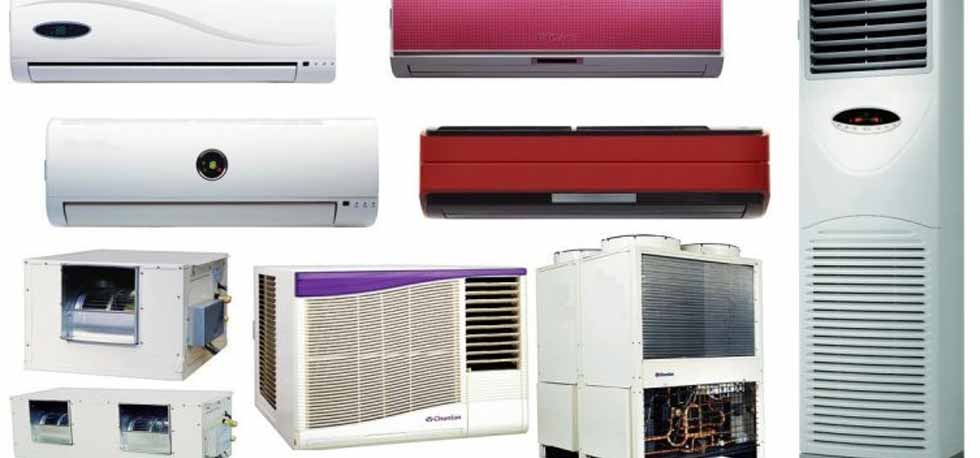
Various types of air conditioners cater to different needs and preferences. Central air conditioning systems provide comprehensive cooling for the entire house, often using ductwork. Window air conditioners are convenient for smaller rooms or temporary cooling needs. Portable air conditioners are mobile units ideal for rooms without ductwork, while split systems are a popular choice in apartments or smaller spaces. Understanding the specific features of each type will help make an informed decision.
Budget and Cost Considerations
Evaluating Pricing and Features
Cost is a significant factor when choosing the best AC for your home. Air conditioners come in a range of prices, reflecting differences in energy efficiency, size, and features. Research and compare different models within your budget, paying close attention to the price-to-performance ratio. Consider factors like warranty, installation costs, and potential long-term maintenance expenses. Don’t solely focus on the initial price; look at the total cost of ownership.
Installation and Maintenance
Professional Installation
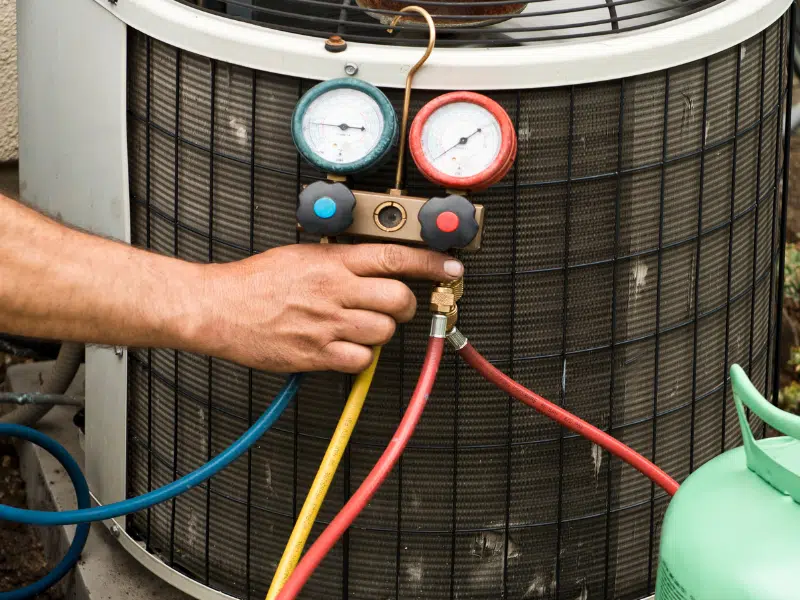
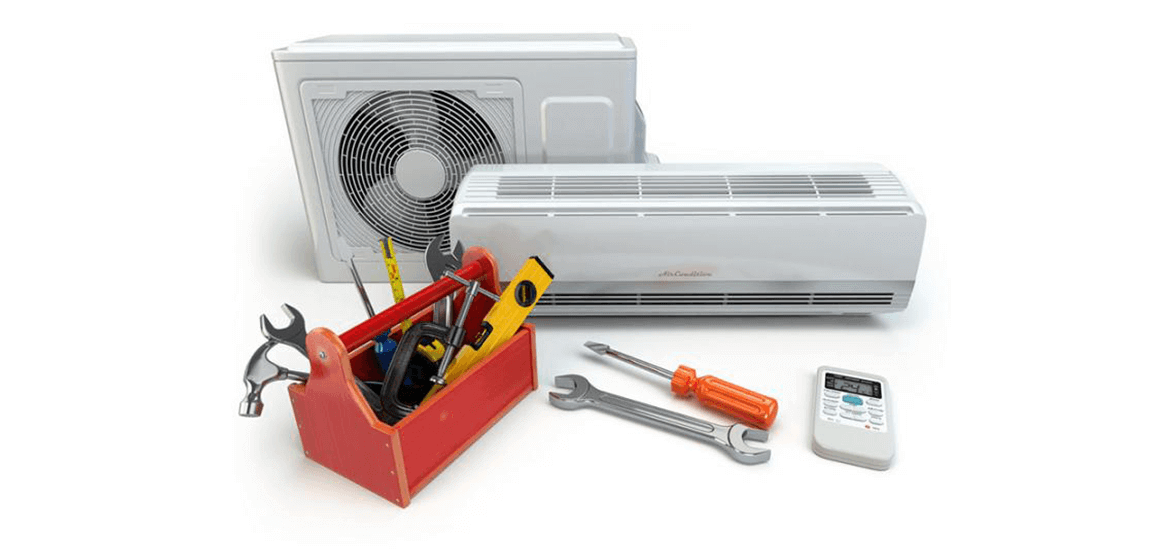
Professional installation is crucial for ensuring proper operation and maximizing the lifespan of your new air conditioner. An HVAC technician will connect the unit correctly, ensuring proper airflow and adherence to safety regulations. They can also provide guidance on ongoing maintenance, helping you prolong the appliance’s performance. Ignoring proper installation can lead to significant performance issues and potential safety risks.
Environmental Factors
Local Climate
Local climate conditions are another critical aspect to consider. Areas with high humidity, for instance, might benefit from air conditioners with dehumidification capabilities. The prevailing temperature in your geographic location will greatly influence the appropriate cooling capacity needed. Factors such as extreme temperature variations should also be taken into account.
Choosing a Trusted Brand
Reputable Companies
Reputable brands often have a proven track record of producing reliable and durable air conditioners. Research different brands and read customer reviews to find one that aligns with your needs and expectations. Ensuring that the brand has a dedicated customer service team is crucial, as this will assist with any issues that might arise in the future.
Features and Options
Additional Features
Explore the additional features that might enhance your comfort. Some ACs offer features like adjustable fan speeds, multiple cooling modes, timers, and energy-saving features. Consider if these extra features justify the potential increase in cost, or if they add no value to your daily needs. Don’t get carried away by fancy features; ensure the fundamental cooling function remains a priority.
Frequently Asked Questions
What are the common mistakes people make when buying an air conditioner?
Many people make the mistake of focusing solely on the price without considering the AC’s efficiency and capacity for their space. Others overlook the importance of proper installation and maintenance, which can significantly impact the unit’s longevity and performance. Not checking the energy efficiency rating (like the SEER rating) is another common pitfall. Ultimately, the best way to avoid these errors is to research thoroughly, understand your specific needs, and consult an expert.
In conclusion, choosing the best air conditioner for your home needs is a crucial decision that requires careful consideration of various factors. This guide has provided a comprehensive overview of how to choose the right AC unit for your space, budget, and lifestyle. Remember to prioritize energy efficiency, consider the size and capacity of the unit, and don’t underestimate the importance of installation and maintenance. For a personalized recommendation, we encourage you to consult with a qualified HVAC professional. Don’t let the summer heat control your comfort; choose the perfect AC and enjoy cool, comfortable days ahead!