Attracting wildlife to your backyard can transform your landscape into a vibrant haven for nature. By thoughtfully designing and maintaining your outdoor space, you can welcome a diverse array of birds, butterflies, and other creatures. This guide will explore how to effectively attract wildlife while also maintaining environmental responsibility. This journey of building a wildlife habitat will involve understanding the key aspects of creating an attractive and inviting environment. We’ll delve into practical steps, from choosing suitable plants to providing essential food and water sources. Prepare to unlock the secrets to a flourishing ecosystem right in your own backyard!
Understanding Local Wildlife Preferences
Identifying Suitable Species
Before embarking on a wildlife attraction project, a crucial step is to identify the types of wildlife that reside in your region. Research the local flora and fauna—the plants and animals present in your area. Understand what species thrive in your climate and soil conditions. This will dictate your choices regarding plants, water features, and food sources. A careful survey of your local ecosystem can provide specific recommendations for the type of environment to build, and help avoid the introduction of species that would disrupt the local ecosystem. This understanding ensures your efforts are aligned with the natural order of things.
Ecological Considerations
Your choice in landscaping matters. Consider the ecological balance of your area. Do some research into the local wildlife species and the ecosystem where you live, and ensure that your new wildlife haven does not disrupt the balance or introduce harmful competition. This is particularly critical if your region has unique habitats or endemic species.
Resources for Research
Numerous resources are available to assist you in identifying local wildlife species. Consult local wildlife organizations or consult your local library or online resources. Use these resources to gain insights into their habits, preferences, and ideal habitats.
Creating a Diverse Habitat
Plant Selection
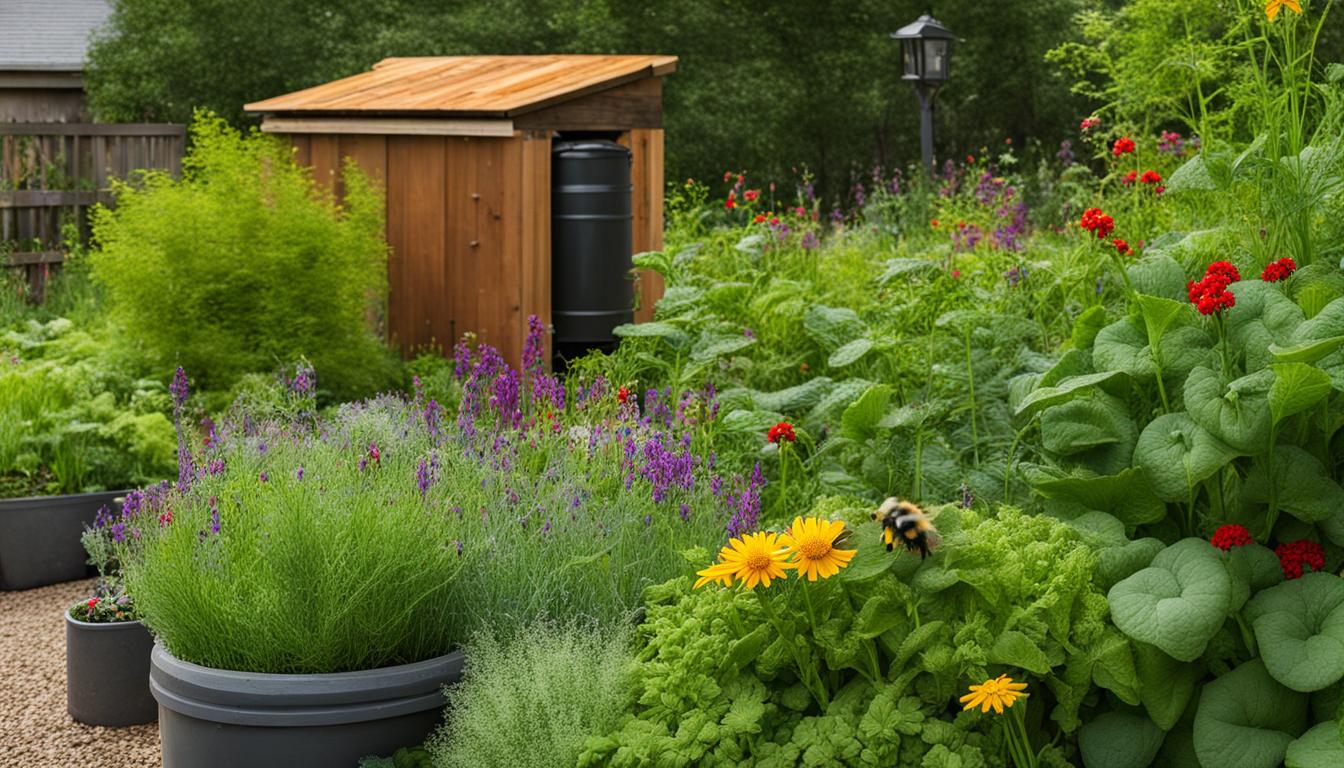
Plants are essential for attracting and sustaining wildlife. Select a variety of native plants that provide food, shelter, and nesting opportunities. For example, consider trees, shrubs, and flowers that yield nectar, berries, or seeds. Native plants are crucial as they are specifically adapted to local climates and support the natural food web of your region. Include a variety of plant types to satisfy the needs of multiple species. For example, trees for nesting, bushes for cover, and flowering plants for food.
Water Features
Providing fresh water is essential. Consider adding a birdbath, a small pond, or a shallow dish of water. A water source will provide not only drinkable water, but also a space for bathing, and a spot for local wildlife to gather and socialize. These water features attract a variety of species including birds, amphibians, and insects.
Shelter and Nesting Sites
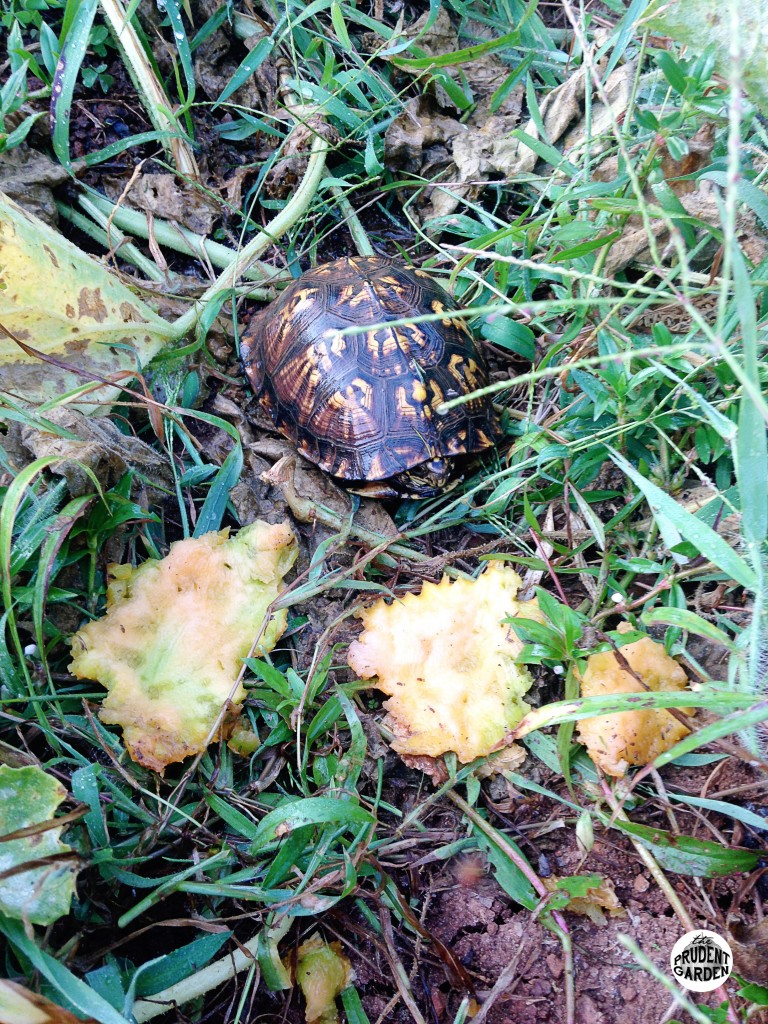
Wildlife also needs safe places to rest and raise their young. Include various types of natural shelter in your landscape. For example, include rocks, logs, or stacks of branches. These features offer places for animals to hide and feel secure. Provide nesting boxes for birds and other species, especially if suitable nesting sites are sparse in your area.
Providing Essential Food Sources
Choosing Appropriate Food
Providing a consistent food supply is key to attracting wildlife. Offer a selection of foods that are beneficial to the local wildlife population. For instance, consider offering seeds, nuts, fruits, or berries. Consider the needs of different species. Birds, for instance, may prefer seeds and nuts, while mammals might favor fruits and berries. Offering a variety of options will ensure that multiple species benefit from your efforts.
Feeding Stations and Techniques
Strategic use of feeders can be a great way to attract local wildlife. Use feeders made of durable and weather-resistant materials. Ensure your feeders are cleaned and filled regularly. Position them in a safe and sheltered location to avoid unwanted predators. Consider placing food stations near your water features, as this will allow wildlife to gather in one area.
Supporting Wildlife Through Food
By providing a consistent food supply, you’re not only attracting wildlife but also contributing to the health of the local ecosystem. You are supporting the local food chain by providing necessary sustenance to the birds, insects, amphibians, reptiles, and mammals in your region.
Maintaining a Safe and Welcoming Environment
Minimizing Disturbances
Minimize disturbances to the wildlife in your landscape. Be mindful of noise and light pollution. Loud noises and glaring lights can disrupt the natural cycles of wildlife. Avoid disturbing animals during their active times, and especially during nesting or breeding season.
Removing Threats
Identify and remove any potential threats to wildlife in your landscape. Predators, including cats and dogs, can pose a serious threat to local wildlife. Create boundaries to keep pets from disrupting wildlife and take measures to keep pets from accessing vulnerable nesting areas.
Natural Predator-Prey Relationships
Maintain natural predator-prey relationships. Some predators are essential parts of the local ecosystem. Understanding these natural dynamics can help you to support the overall balance in your region.
Observing and Adapting
Monitoring Wildlife Activity
Observe the wildlife visiting your landscape and note their responses to the habitat you’ve created. Adjust your strategies based on what you see. For example, if certain species aren’t using certain features, make changes to encourage their participation. Observation is key to fine-tuning your approach for maximum success.
Reviewing and Refining Your Strategy
Regularly review your plan for attracting wildlife. Be open to modifying your plan based on observation and feedback. Fine-tuning your approach can enhance the effectiveness of your efforts over time.
Respecting Wildlife’s Needs
Remember that wildlife has its own natural rhythms and behaviors. Be patient and observant to understand those natural patterns, and adapt your habitat accordingly.
Additional Tips
Choosing the Right Location
Choosing the right location for your wildlife haven is vital. Consider factors such as sunlight exposure, water availability, and proximity to other natural habitats. Assess the optimal layout for attracting the intended species.
Incorporating Natural Elements
Incorporate natural elements like rocks, logs, and leaf litter to create a more realistic and welcoming environment for wildlife. These elements offer hiding places, nesting sites, and areas for foraging. This natural structure adds to the appeal and functionality of the habitat.
Using Safe Materials
Avoid using harsh chemicals or materials that might harm wildlife. Choose natural and non-toxic products in your gardening efforts to maintain an eco-friendly environment. Using these safer approaches ensures your efforts are supporting the health of the local ecosystem.
Maintaining a Wildlife Haven
Regular Maintenance
Regular maintenance is key to the long-term success of your wildlife haven. Clean bird feeders and water sources regularly. Remove dead or diseased plants. Ensure safe access and movement for wildlife through the habitat. Consider using organic and non-harmful practices in your maintenance efforts.
Seasonal Adjustments
Adjust your offerings in accordance with seasonal changes. Consider offering different food sources as seasons change. Be mindful of the needs of the wildlife in your region.
Preventing Intrusion
Take precautions to prevent unwanted visitors from entering your habitat, such as pets or other wildlife. This will support the safe and healthy environment you have created for local wildlife.
Maintaining a Healthy Environment
Avoiding Pesticides
Avoid using pesticides and herbicides in your landscape. These chemicals can harm wildlife and disrupt the delicate balance of your ecosystem. Explore natural alternatives to harmful pesticides and fertilizers. Focus on plant health and resilience through other methods.
Understanding Local Regulations
Familiarize yourself with local regulations regarding wildlife feeding or habitat creation. Be certain your project is in alignment with environmental regulations. Be certain your project meets the appropriate local guidelines to avoid any unintentional environmental harm.
Creating a Balanced Ecosystem
Strive to create a balanced ecosystem that benefits both the wildlife and your landscape. Consider the roles of various species and how they interact with each other in order to create the most healthy and sustainable ecosystem possible. Be sure your approach supports the local food chain and natural behaviors in the area.
The Long Term Impact
Fostering Biodiversity
Creating a wildlife haven can dramatically foster biodiversity in your local ecosystem. Supporting more species will allow for a more diverse and robust ecosystem overall.
Environmental Benefits
The benefits extend beyond attracting wildlife. Your efforts may increase the resilience and sustainability of the surrounding environment.
Educational Value
Enjoy the educational opportunities that come with having a thriving wildlife haven in your backyard. Your garden can become a learning experience for your community, teaching people about the value of nature and the importance of conservation efforts.
Frequently Asked Questions
What are some essential considerations before attracting wildlife?
Before embarking on your wildlife attraction journey, thorough research is vital. Familiarize yourself with local wildlife species, their needs, and any regulations or restrictions in your area. Understand what types of food and habitats are suitable for the creatures you hope to attract. Research local ecological considerations as well. For example, certain areas may have protected species or specific ordinances concerning wildlife feeding or enclosure. Respecting these boundaries ensures the health of the environment and the safety of both the wildlife and people. You want to be a good steward of the natural world, not a disruptor.
How can I ensure my efforts are not harming wildlife?
Ensure your attractant sources are safe. For instance, never use pesticides or other harmful chemicals near feeding stations or habitats. Monitor the wildlife’s responses to your efforts. If certain species aren’t using your features, reassess your approach. Consider consulting with local wildlife experts or conservation groups for advice on how to best support wildlife without compromising their natural behaviors. Creating a habitat that feels natural, without undue pressure, is crucial.
What are some common mistakes to avoid when attracting wildlife?
Avoid overcrowding or introducing non-native species to your wildlife haven. This can disrupt natural balances and may even harm existing wildlife. Furthermore, avoid using unnatural or harmful materials in your design; for example, avoid harmful materials or loud noises. This can also stress or confuse wildlife. Choose natural, sustainable materials and avoid anything that disrupts their environment, or might signal danger.
Attracting wildlife to your landscape is a rewarding experience that fosters a deeper connection with nature. By implementing the strategies outlined in this article, you can create a haven for local wildlife, contributing to a healthier and more vibrant ecosystem. Remember that patience and observation are key, and every effort, no matter how small, contributes to a positive outcome. Start transforming your backyard into a wildlife haven today!