Planning your home renovation timeline is crucial for a successful project. A realistic timeline is essential to avoid costly delays and ensure that the project stays on track. This guide provides a comprehensive roadmap to creating a viable renovation timeline, outlining key steps, and incorporating strategies for managing potential issues. We’ll dive into setting realistic expectations, understanding common pitfalls, and building flexibility into your plan, empowering you to transform your vision into a beautiful reality. This comprehensive guide will walk you through the stages of planning, from initial brainstorming to final execution, with actionable steps and examples to help you create a practical timeline.
Setting Realistic Expectations for Your Renovation
Understanding the Factors Influencing Your Timeline
Planning your home renovation timeline involves considering numerous factors that can significantly impact the project’s overall duration. Firstly, the scope of the renovation plays a critical role. A minor kitchen refresh will likely take less time than a complete home remodel. Secondly, the complexity of the work also influences the timeline. A simple paint job takes less time than installing new plumbing or electrical systems. The selection of materials and their availability should be considered carefully. Construction material delays can lead to significant timeline setbacks. Furthermore, your chosen contractor and subcontractors’ schedules should be taken into account. They may have other projects going on, which could lead to delays. You also need to assess your own availability. Managing your time efficiently will significantly influence the project’s success.
Defining the Scope of Work
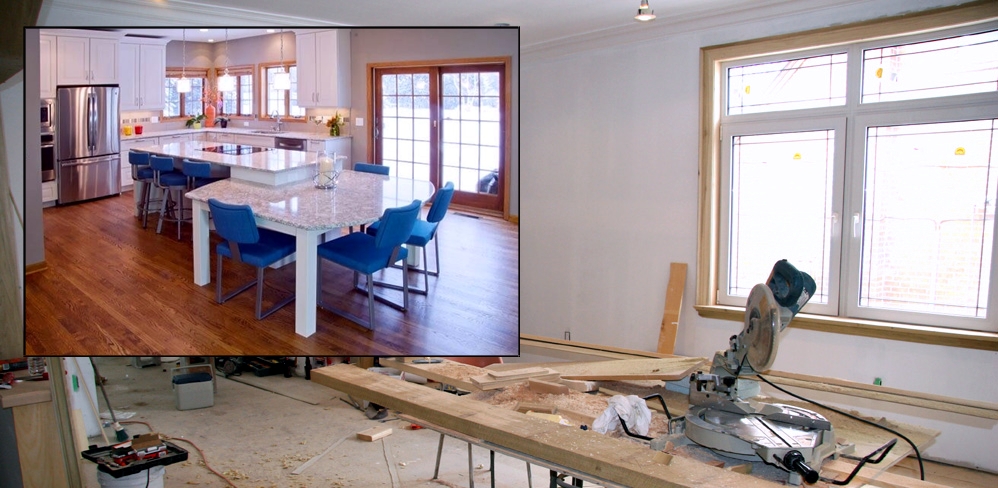
Defining the scope of the work is paramount in creating a realistic renovation timeline. This involves clearly outlining the extent of the renovation, from the smallest details to the most significant changes. For example, a kitchen renovation could include replacing countertops, upgrading cabinets, installing new appliances, and adding backsplash. By establishing clear parameters upfront, you create a strong foundation for a realistic timeframe, avoiding scope creep, and making sure that you are accurately planning for all of the necessary tasks. Be open to discussing the scope of work with your contractors, and always include contingencies for unanticipated items and/or needs.
Considering External Factors
Realistically evaluating your resources and external factors is key to a successful renovation plan. Unforeseen delays or setbacks could impact the timeline, so you should include provisions for contingencies like permit issues, material delays, or unexpected structural issues. The availability of materials and labor can fluctuate, so always account for these factors in your calculations. Always anticipate delays, especially if you’re working on a complex remodel that requires specialized contractors. This proactive approach to contingency planning is essential to managing potential pitfalls.
Managing Potential Delays and Setbacks
Proactive Strategies for Avoiding Delays
Managing potential delays is crucial for a successful renovation. One key strategy is to anticipate and address potential issues proactively. This includes researching building codes and regulations related to the project. Thoroughly checking the availability of construction materials and equipment is essential to minimize unexpected downtime. Clearly defining the scope and responsibilities of the various parties involved in the project. Communicating transparently with your team about potential risks, and setting up open communication channels to discuss and resolve issues quickly, are also vital.
Importance of Buffer Time
Buffer time in your renovation schedule is critical in mitigating delays. Building a buffer into the schedule is essential to handle unforeseen issues and unforeseen delays. These buffers act as a safeguard to account for unexpected problems. Material shortages, weather delays, or unforeseen issues with inspections could quickly derail a renovation project. Adding buffer time to the timeline allows you to adjust to any issues and stay on track. For example, allocating an extra week for unforeseen circumstances will give your project some wiggle room and help keep your budget on track.
Contingency Planning
Contingency planning is essential to address potential delays and setbacks. This involves developing a detailed plan with backup options for unexpected events. You should have several backup plans or alternative plans in case something goes wrong, like alternative material sources if the primary supply chain is disrupted. Identifying potential problem areas and creating solutions for them will help you handle any challenges that may arise. Such preparation can help keep your project on track and make it less stressful to navigate unexpected issues.
Developing a Detailed Renovation Schedule
Creating a Step-by-Step Timeline
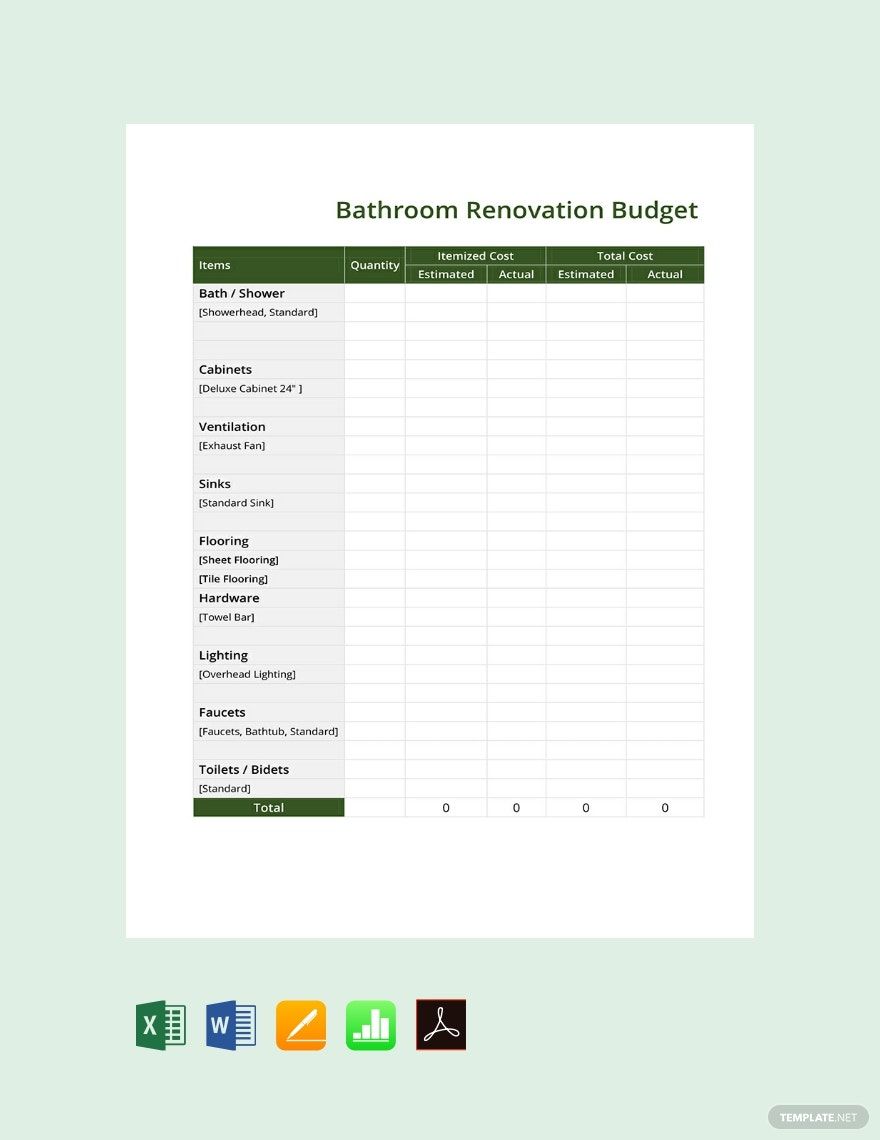
To achieve a realistic home renovation timeline, a step-by-step timeline is essential. Break down the renovation process into distinct phases and tasks. Create a detailed checklist for each phase, from demolition to final touches. Include deadlines for each task and the potential time frame for each phase, such as demolition, plumbing/electrical, framing, drywall, finishing, and painting. You will want to clearly outline the sequence of steps in your timeline and clearly communicate these to all relevant parties.
Incorporating Buffer Time and Contingency Planning
Be sure to add buffer time to your renovation schedule to account for potential delays. Include buffer periods between stages in the schedule to accommodate unforeseen challenges. This could be an extra day between demolition and framing, or a week between electrical and plumbing installation. Contingency plans will help account for unexpected delays and mitigate potential disruptions to your project.
Establishing Clear Communication Channels
To ensure your timeline stays on track, establish open communication lines with your contractors, subcontractors, and suppliers. Regular meetings, clear communication protocols, and readily accessible points of contact can mitigate the possibility of misunderstandings or delays. This collaborative approach will ensure everyone is on the same page and can work effectively together.
Communicating Effectively with Your Team
Defining Roles and Responsibilities
Define clear roles and responsibilities for everyone involved in the project. Establish specific deadlines and milestones for each stage. Communicate the importance of sticking to the schedule, and also plan for potential problems. Outline clear communication channels between everyone involved, making sure to specify who to contact with what issues, and clearly define how issues will be addressed and resolved.
Regularly Monitoring Progress
Regular monitoring of progress is crucial in maintaining a realistic renovation timeline. Tracking tasks, noting any delays, and adjusting the schedule accordingly, based on actual progress, is essential. This helps to identify issues early on and prevents small problems from escalating into major ones. Keeping stakeholders informed about progress, both positive and negative, is vital to the success of the renovation.
Addressing Issues Promptly
Addressing issues promptly is crucial to prevent them from derailing the project. Having a system in place for promptly addressing any delays or problems is essential. Addressing any problems quickly allows the team to adjust their schedule and potentially limit overall project time and cost increases. This will allow the renovation project to stay on track and help create a positive experience for everyone involved.
Adapting to Unforeseen Circumstances
Building Flexibility into Your Plan
Flexibility is a key element in achieving a realistic renovation timeline. Be prepared to adapt to unexpected circumstances. Anticipate potential problems or delays with various contingency plans and understand potential risks that can affect your project, and then design solutions. Flexibility allows you to respond to challenges effectively and adjust your plans accordingly.
Importance of Contingency Funds
Building in contingency funds for unexpected costs is vital when creating a renovation timeline. Unexpected issues can arise, like discovering hidden structural damage. This will help you manage the unexpected costs that may pop up.
Maintaining a Positive Mindset
Maintaining a positive mindset throughout the process is important in overcoming challenges and staying on track. Focus on the positive aspects of the project and appreciate the progress you’ve made. Stay organized and focused to avoid delays and stay on track.
Finalizing the Project Timeline
Review and Refinement
Review and refine your timeline regularly during the renovation. Evaluate progress regularly to ensure adjustments are made to accommodate the progress. Identify potential delays before they affect the project. Revise your timeline and make the necessary changes, to maintain a realistic and achievable renovation schedule.
Final Walkthrough
Conduct a final walkthrough of the finished renovation with your contractor to ensure everything meets the agreed-upon standards. Check for any missing elements or outstanding issues that need to be addressed.
Post-Renovation Evaluation
Evaluate the effectiveness of your renovation timeline. Document lessons learned to improve future projects. Assess your experience with the timeline, identifying areas for improvement. This self-reflection allows for learning and adjustment for your next renovation project.
Frequently Asked Questions
What are some common pitfalls to avoid when planning a home renovation timeline?
One of the biggest pitfalls is underestimating the time needed for different aspects of the project. Also, unexpected issues like permit delays, material shortages, or unforeseen structural problems can significantly impact the timeline. Additionally, relying solely on the contractor’s timeline without building in buffer time is a common mistake. It is vital to communicate effectively with all stakeholders involved, including subcontractors and suppliers, to avoid delays and maintain a realistic approach to the renovation.
How can I ensure my home renovation timeline is realistic and achievable?
To ensure a realistic and achievable timeline, meticulous planning is essential. This means creating a detailed to-do list, estimating the time needed for each task, and proactively identifying potential obstacles. It’s crucial to communicate transparently with your renovation team regarding deadlines and expectations. Furthermore, factor in contingencies for potential delays or issues and always have buffer time built into the schedule. Don’t forget to have a backup plan to deal with any problems that may arise, like procuring alternative materials quickly if there’s a supply chain delay.
Planning your home renovation timeline involves setting realistic expectations, understanding potential delays, and having a flexible approach. Remember, a well-defined timeline, with built-in buffer time, is crucial for a smooth renovation process. By following the strategies outlined in this guide, you can transform your dream renovation into a successful reality. For a detailed consultation and to avoid costly mistakes, consider engaging a professional renovation planner. Don’t hesitate to reach out to us for further guidance and support!