Bright Ideas: Creative Lighting Solutions can dramatically improve any room by focusing on ambiance, functionality, and aesthetics. Imagine walking into a space that feels warm, inviting, and perfectly illuminated—that’s the power of strategically placed lights. Many homeowners struggle to create the right lighting schemes for their homes, leading to an uneven or less-than-optimal feel. This comprehensive guide provides insightful solutions for various rooms, incorporating design principles and practical steps. We’ll delve into the art of task lighting, ambient lighting, and accent lighting, showing you how to create the perfect illumination scheme for your home. This article will explore numerous lighting techniques and examples, with practical advice and design tips.
Understanding the Fundamentals of Lighting
Task Lighting Strategies for Productivity and Efficiency
In any space, task lighting plays a significant role in creating a focused and efficient environment. For kitchens, strategically placed under-cabinet lighting enhances visibility during meal preparation, preventing shadows, and ensuring every step is clear. In home offices, focused task lighting provides illumination for computer screens and study areas, minimizing eye strain and boosting productivity. Consider using adjustable desk lamps or wall-mounted fixtures, providing directed light for specific tasks.
Ambient Lighting: Setting the Mood and Atmosphere
Ambient lighting sets the overall mood and atmosphere of a space. Think about your desire for a cozy, warm feeling in a living room or a more vibrant feel in a dining room. Installing recessed lighting with warm-toned bulbs can create a serene and inviting atmosphere in a bedroom. Conversely, cool-toned bulbs or accent lighting can add a more energizing touch to a kitchen or a home office.
Accent Lighting: Highlighting Architectural Features and Artwork
Accent lighting is used to highlight specific architectural features or pieces of artwork. This technique involves strategically positioning spotlights or wall sconces to draw the eye towards a particular object or area, creating depth and dimension within the space. In a living room, accent lighting can highlight a beautiful fireplace or a striking piece of artwork. In a gallery wall, showcasing unique pieces of art is key.
Integrating Natural Light Sources: Maximizing Daylight
Natural light is a crucial component of any interior lighting design. Strategically placing windows and skylights can maximize natural light, reducing the need for artificial lighting during the day. Consider using sheer curtains or blinds to diffuse sunlight and prevent glare, creating a soft, diffused ambiance. This technique saves energy and enhances the overall visual appeal of a space.
Lighting Design for Specific Rooms
Lighting Solutions for Living Rooms: Creating a Welcoming Atmosphere
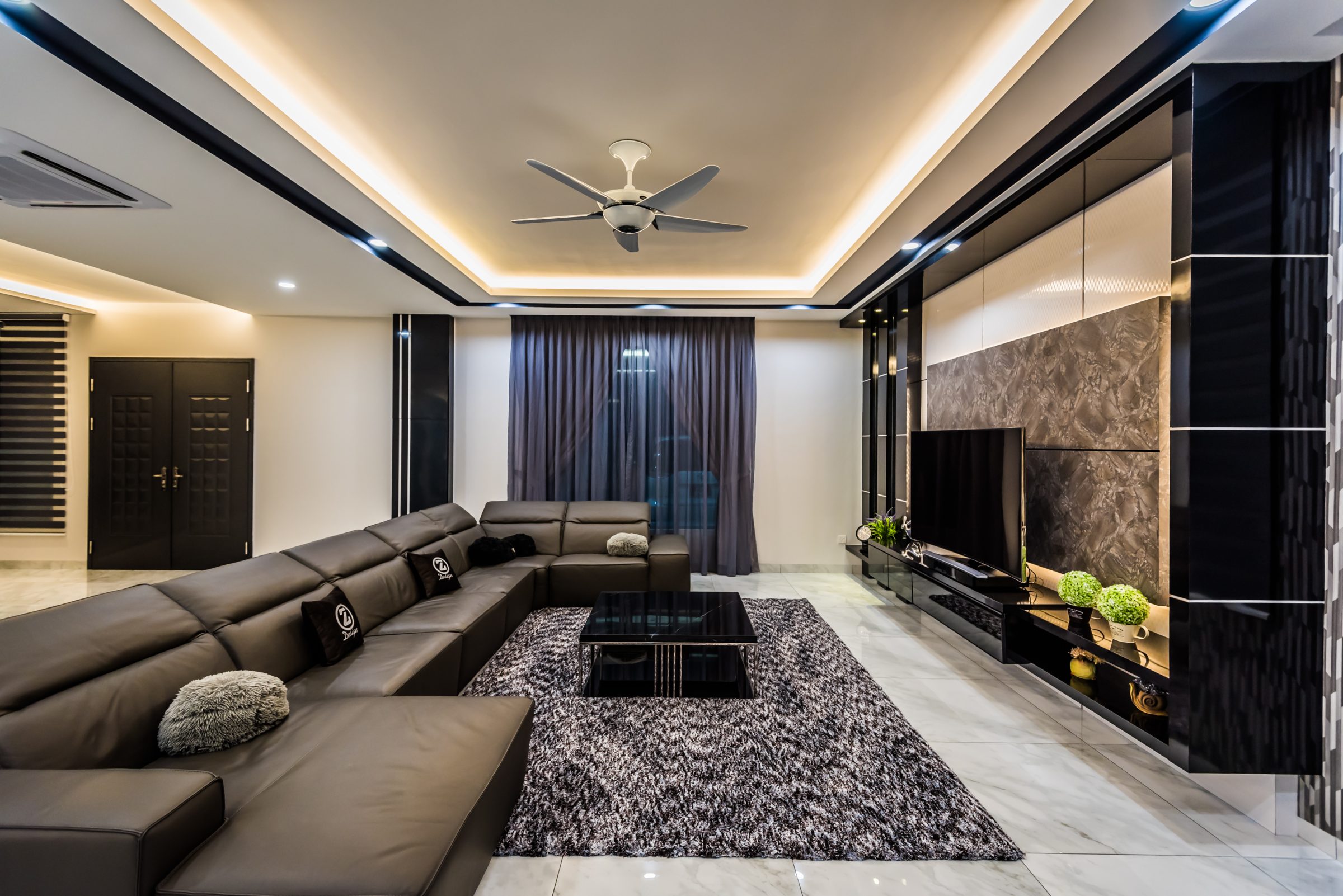
Living rooms are often the heart of the home, and creating a welcoming ambiance is crucial. To achieve a warm and inviting feel, consider a blend of ambient and accent lighting. Recessed lighting, strategically placed floor lamps, and strategically placed wall sconces can effectively illuminate the space, especially in large areas. Placing table lamps beside sofas or armchairs creates a cozy feeling, particularly during the evening hours. Using dimmable lights is a wonderful idea for creating versatility, allowing for a warm glow for relaxation or brighter lighting for entertaining.
Illuminating Kitchens: Brightening Up Cooking and Dining Areas
Kitchens require ample task lighting to facilitate cooking and dining activities. Under-cabinet lighting is essential for clear visibility while preparing meals, eliminating shadows and maximizing workspaces. The right combination of ambient lighting, like pendant lights or recessed lights, completes the look, complementing the task lighting. Consider incorporating pendant lighting above dining tables or kitchen islands to create a more focused and inviting ambiance for meals or cooking.
Enhancing Bedrooms with Relaxing and Functional Lighting
Bedrooms should prioritize relaxation and tranquility. Ambient lighting plays a crucial role here—consider a combination of soft, warm-toned lights. Use bedside lamps for reading or nighttime activities and floor lamps or accent lighting to create a soothing atmosphere. Dimmers are helpful for setting the mood for various activities, such as reading or sleeping.
Modern Lighting Trends and Innovations
Exploring the World of LED Lighting:
LED lights are becoming increasingly popular due to their energy efficiency and versatility. They offer a wide range of colors, brightness levels, and shapes, making them suitable for various lighting styles. LEDs can create a dynamic atmosphere and can be integrated into various fixtures and designs.
Smart Lighting Systems for Modern Homes:
Smart lighting systems are revolutionizing homes by allowing for remote control and automation of lighting. Through smartphone apps or voice assistants, users can adjust brightness, color temperature, and even schedules. This makes it possible to personalize the lighting to suit any mood or activity, all while saving energy.
Combining Natural and Artificial Light:
The key to an aesthetically pleasing and efficient space involves blending natural and artificial lighting. Consider using light-colored walls and flooring to maximize natural light penetration, thereby reducing the need for artificial lighting during the day. The addition of artificial lighting will then create the ambiance when needed.
Lighting Design for Different Home Styles:
Different home styles benefit from specific lighting approaches. Modern homes often utilize sleek, minimalist fixtures, while traditional homes typically feature more ornate and elaborate designs. Consider the architectural style of your home when making lighting selections.
Budget-Friendly Lighting Solutions
DIY Lighting Projects: Unleashing Creativity
DIY lighting projects allow you to personalize your space. Upcycling old items into new lighting fixtures or experimenting with creative DIY projects are excellent budget-friendly alternatives. These projects can enhance your home’s character and reflect your unique personality. For example, repurposing old wine bottles into elegant pendant lights or transforming wooden crates into unique wall sconces.
Affordable Lighting Fixtures for Every Budget:
Affordable lighting fixtures are available at various price points, offering flexibility in your lighting choices. Explore different options and carefully consider materials. For instance, affordable pendant lights, modern wall sconces, or adjustable floor lamps can significantly enhance a space without breaking the bank. Look for sales or special offers to make your choices more affordable.
Creating a Balanced Lighting Scheme
Balancing Ambient, Task, and Accent Lighting
Achieving a balanced lighting scheme involves thoughtfully considering the use of ambient, task, and accent lighting. Each serves a purpose. The key is a combination to create the most effective and eye-catching look.
Using Lighting to Enhance a Room’s Function
Lighting enhances a room’s function. Think about creating pathways to light a staircase or walkways and the addition of lighting above desks to create a suitable working environment.
Lighting as a Design Element:
Lighting is not just about function; it is a crucial element of interior design. The right lighting can enhance the style and aesthetic of any room and greatly transform the mood.
Utilizing Smart Lighting Technology for Convenience and Control:
Smart lighting technologies provide convenience and control over your lighting systems. By allowing for adjustments with a remote or smartphone, you can create various atmospheres for different purposes, be it entertaining guests or relaxing at home.
Frequently Asked Questions
Q: What are some cost-effective ways to improve lighting in my home?
A: There are several budget-friendly ways to improve lighting in your home. Consider using affordable LED bulbs in existing fixtures, strategically placing mirrors to bounce light around a room, and exploring DIY lighting projects. Adding lamps in strategic locations, like bedside tables or corners, can also make a significant difference without breaking the bank.
Q: How can I choose the right lighting for different rooms in my house?
A: Different rooms require different lighting styles for optimal use. For example, bright, task-oriented lighting is key in kitchens and home offices. A more ambient lighting approach is beneficial in living rooms and bedrooms for relaxing or social environments. Consider the purpose of the room and the activities that take place there when making your choices.
In conclusion, creative lighting solutions are vital for elevating any space, enhancing ambiance, and boosting functionality. By understanding the nuances of different lighting styles, you can transform your rooms from ordinary to extraordinary. Remember to consider the specific needs and desired aesthetic of each room when making lighting choices. Ready to brighten your home? Explore our comprehensive guide on lighting solutions now!