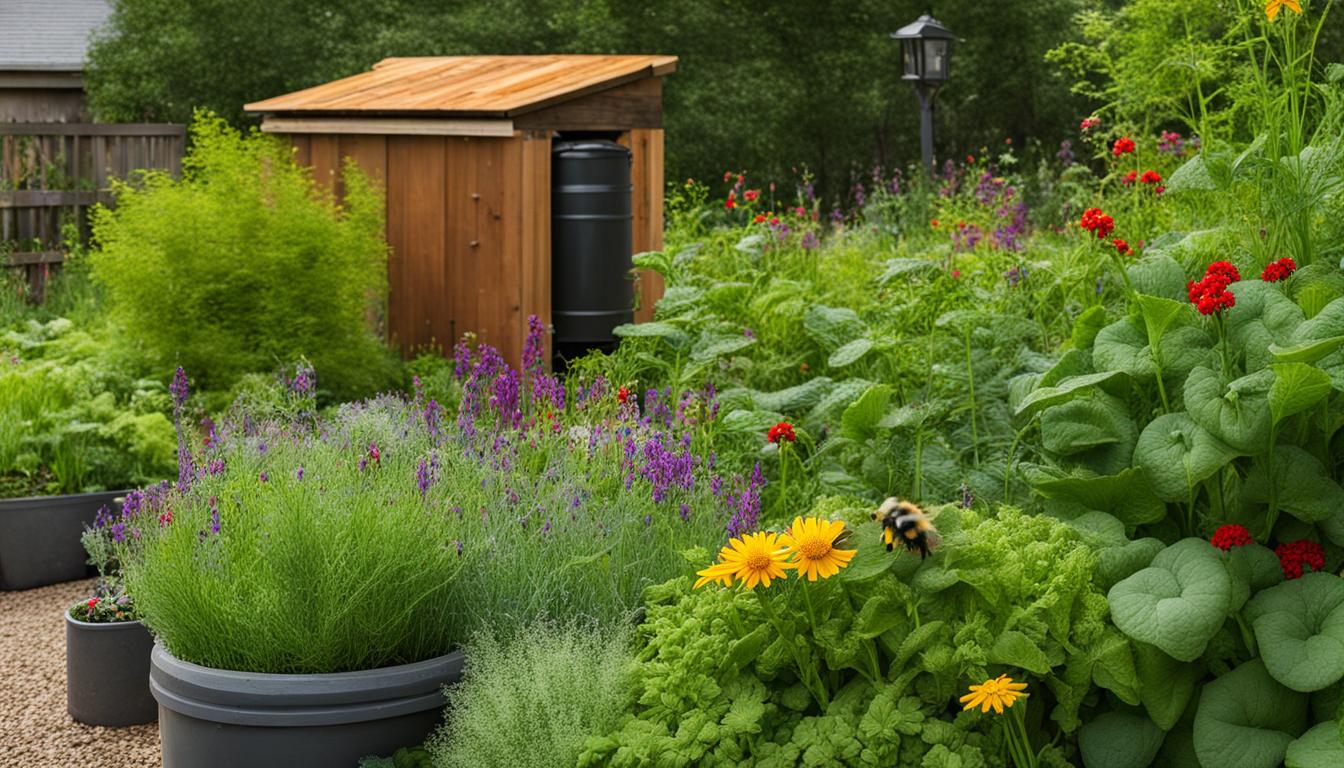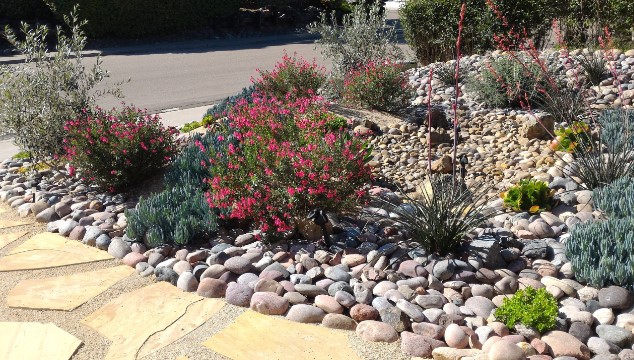
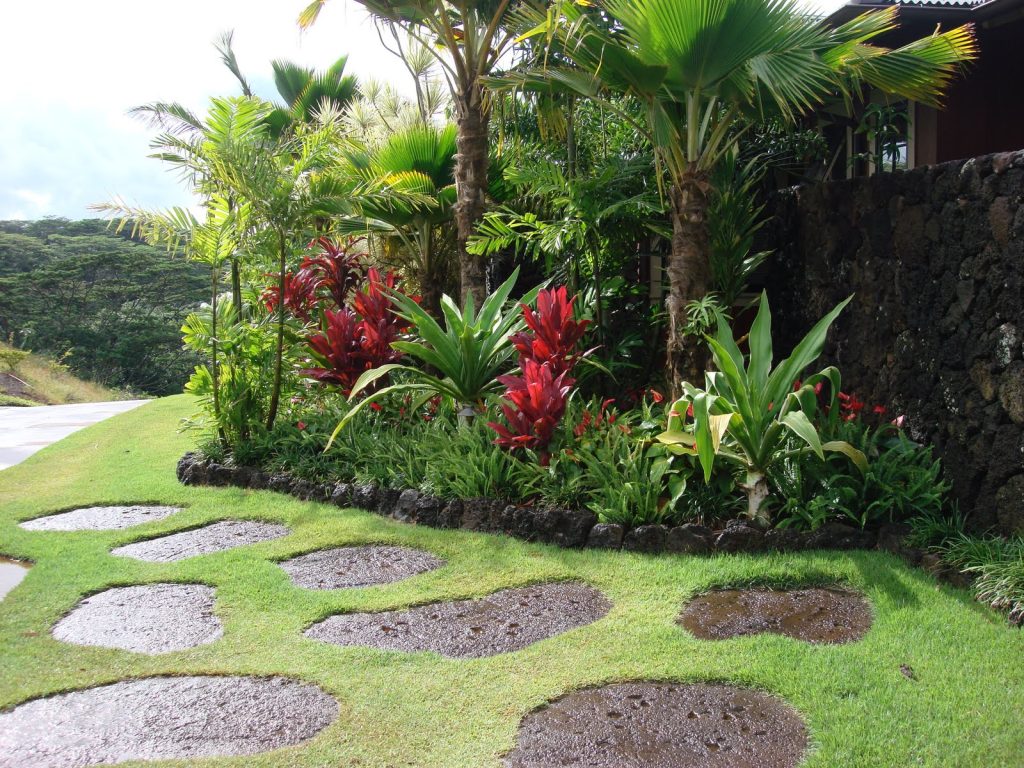
Water-wise landscaping, often known as xeriscaping, is becoming increasingly popular as homeowners seek ways to conserve water and create beautiful, low-maintenance gardens. Imagine a lush, vibrant landscape that thrives with minimal watering, requiring less time and effort. This article explores the principles of xeriscaping, addressing the problems associated with traditional landscaping and providing actionable solutions for creating a sustainable yard. We will dive deep into choosing the right drought-tolerant plants, understanding irrigation techniques, and planning your water-wise garden design. This guide provides a comprehensive overview of xeriscaping, walking you step-by-step through the process from planning to maintenance.
Understanding the Principles of Water-Wise Landscaping
Defining Xeriscaping
Xeriscaping, derived from the Greek word ‘xeros’ meaning ‘dry’, is a landscape design approach that focuses on reducing water consumption. The goal is to create a low-maintenance landscape that thrives with minimal watering, conserving water resources and reducing your environmental impact. It’s not just about reducing water usage; xeriscaping also promotes a more sustainable and drought-tolerant garden that requires less effort and less dependence on resources.
The Growing Need for Water Conservation
Droughts are becoming more frequent and severe worldwide. Urban water resources are under increasing pressure. Adopting water-wise landscaping techniques provides valuable solutions. Water-wise landscaping not only promotes sustainable living but also provides considerable financial savings over the long term due to reduced water and maintenance costs.
Choosing the Right Drought-Tolerant Plants
Selecting Native Species
Native plants are often the best choice for xeriscaping. They are adapted to the local climate, requiring less water, and often thriving on minimal care. Native plants have evolved over time with their local environment and climate. Choosing native plants minimizes the risk of disease or pests and reduces the need for fertilizers or pesticides. By selecting plants tailored to your region, you support biodiversity and your local ecosystem.
Considering Succulents and Cacti
Succulents and cacti are excellent choices for xeriscaping, as they have developed unique adaptations to survive in arid conditions. They store water in their fleshy tissues, minimizing the need for frequent watering. However, choose succulents and cacti appropriate for your specific climate zone to ensure optimal growth and longevity.
Designing Your Water-Wise Landscape
Site Assessment and Planning
Conduct a thorough site assessment before commencing your xeriscaping project. Analyze sunlight exposure, soil type, and existing drainage patterns. This assessment will guide your plant selections, reducing the risk of failure. Understanding the specific requirements of each plant helps to ensure that they thrive in their new environment.
Creating Zones and Mulching
Divide your landscape into different zones based on sunlight exposure and soil conditions, then use mulch. Mulch helps retain moisture in the soil, reduces weed growth, and regulates soil temperature. The best mulch types vary depending on the environment, so consider what’s most sustainable.
Implementing Efficient Irrigation Systems
Drip Irrigation Techniques
Drip irrigation systems deliver water directly to plant roots, minimizing water loss through evaporation and runoff. This targeted watering method is highly efficient and conserves water effectively. Drip irrigation systems are more expensive, but they conserve water and offer good returns on investment.
Understanding Smart Irrigation Controllers
Smart irrigation controllers, or programmable systems, can automatically adjust watering schedules based on weather conditions and plant needs. These controllers help optimize water usage and prevent over-watering, promoting the health of your plants. Many modern systems allow remote monitoring and adjustment, which can be helpful when you’re not at home.
Maintaining Your Water-Wise Landscape
Regular Monitoring and Maintenance
Regularly monitoring your plants and irrigation system is essential for maintaining a thriving xeriscaped landscape. Observe plant health, adjust watering schedules as needed, and address any issues promptly to promote healthy growth and minimize the need for additional interventions. Identify and address any issues that may arise, whether they are due to pests, diseases, or inadequate care. Proactive maintenance prolongs the life of your plants.
Adapting to Changing Conditions
Remember that your water-wise landscape will need to adapt to changing weather patterns. Regular monitoring and adjustments will help you maintain a healthy landscape that is able to thrive through various climates.
Water-wise Landscaping Examples
Successful Xeriscaping Transformations
Numerous examples illustrate the success of xeriscaping projects. Many homeowners have successfully transitioned to water-wise gardens, significantly reducing their water consumption and enhancing their yards. Many communities implement xeriscaping initiatives to encourage water conservation.
Benefits of Water-Wise Landscaping
Environmental Impact
Water-wise landscaping significantly reduces your water footprint and promotes environmental sustainability. You lessen your dependence on municipal water resources, thereby contributing to long-term water conservation. By conserving water, you’re contributing to the health of the local ecosystem.
Cost Savings
Lower water bills are a significant advantage of adopting water-wise techniques. Reduced watering needs translate directly to lower utility costs, leading to financial savings over time.
Key Considerations for Water-Wise Landscaping
Choosing the Right Plants
Choosing drought-tolerant plants is an essential component. Consider the specific needs of your chosen plant species. Native plants, succulents, and cacti are all excellent choices. A detailed understanding of the plant’s needs will inform your decisions on where and how to plant.
Combining Elements for Optimal Xeriscaping
Integrating Design Strategies
Combining various techniques for water-wise landscaping helps create a beautiful and effective approach to landscape design. Combine drought-tolerant plants with thoughtful irrigation and maintenance strategies to achieve a truly sustainable solution. Employing effective water conservation measures while maintaining a visually appealing landscape is crucial for this approach.
Frequently Asked Questions:
Q: What are some specific drought-tolerant plants I can use for my xeriscaping project?
A: Choosing the right plants is crucial in xeriscaping. Look for native plants, succulents, cacti, and other drought-tolerant species in your region. These plants are adapted to local climates and require less water. For example, consider native grasses, yucca plants, lavender, and various succulents. Local nurseries and gardening centers can provide valuable recommendations based on your specific climate zone.
Q: How can I minimize water waste in my existing landscaping while implementing water-wise practices?
A: If you have an existing lawn, transitioning to xeriscaping doesn’t mean complete removal. You can gradually replace portions of your lawn with drought-tolerant alternatives. Consider installing drip irrigation systems to precisely direct water to plant roots, reducing evaporation. Proper mulching around plants helps retain soil moisture, further minimizing water needs. Regular watering schedules, adjusted based on plant type and weather conditions, are also essential.
In conclusion, water-wise landscaping, or xeriscaping, is a fantastic way to create a beautiful and sustainable yard while conserving precious water resources. By choosing drought-tolerant plants, strategically planning your landscape, and implementing smart irrigation techniques, you can significantly reduce your water footprint and enjoy a vibrant garden all year round. Consider incorporating water-wise landscaping principles into your next yard project for a greener, more eco-friendly, and financially sound solution. Ready to transform your lawn into a water-wise oasis? Let’s get started!