Designing a butterfly and bee-friendly garden is an excellent way to support these vital pollinators. This vibrant oasis will attract these magnificent insects, increasing the biodiversity and overall health of your garden. Many gardeners feel challenged by the complexities of creating a thriving habitat for butterflies and bees. This article will guide you through the steps necessary to create a garden that caters to the needs of these pollinators. This comprehensive guide will cover essential strategies, plant choices, and maintenance tips for a successful butterfly and bee-friendly garden. The structure of this article is as follows: First, we define what a butterfly and bee-friendly garden entails and address the problems that hinder the creation of a successful garden for pollinators. Next, we delve into various strategies and specific plant choices for a diverse garden. We discuss essential aspects of design, including habitat creation and plant selection. Lastly, we provide essential tips and conclude by emphasizing the importance of maintaining this crucial habitat.
Understanding the Importance of a Butterfly and Bee-Friendly Garden
The Vital Role of Pollinators
Butterflies and bees are critical components of the ecosystem, playing a vital role in pollination. Their activities directly impact the reproduction of many plant species, including fruits, vegetables, and wildflowers. A decline in pollinator populations can have cascading effects on biodiversity and agricultural production. By creating a butterfly and bee-friendly garden, you directly contribute to the health and longevity of these essential insects.
Addressing Challenges in Creating a Pollinator-Friendly Garden
Many gardeners face challenges in designing a space that properly supports butterflies and bees. The intricacies of their needs can be overwhelming, and the necessary plant selection process seems daunting and overwhelming. The effort required to maintain a vibrant, continuously-blooming garden throughout the seasons is significant. This article outlines practical solutions to these challenges and provides a comprehensive guide to designing a thriving habitat for pollinators.
The Benefits of a Successful Design
A successful butterfly and bee-friendly garden yields a multitude of benefits, including enhanced biodiversity, improved ecosystem health, and a beautiful and enriching aesthetic. Beyond the environmental advantages, you’ll also experience a profound sense of fulfillment from contributing to the well-being of these fascinating creatures. This article delves into the practical aspects and steps required to design and maintain a thriving garden.
Essential Elements of Design
Plant Selection
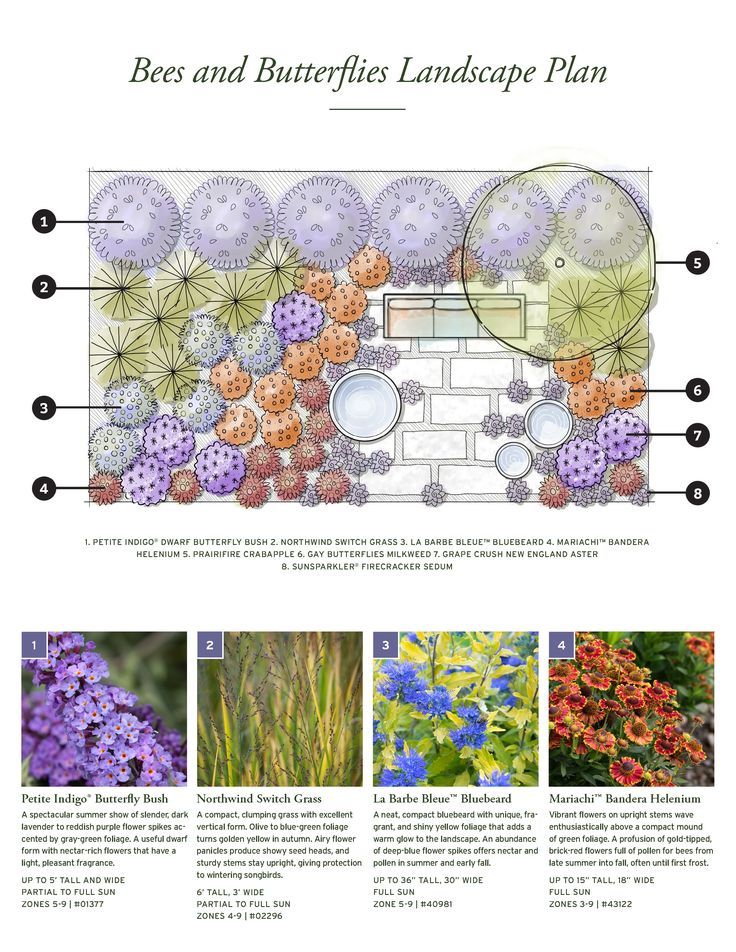
Selecting the right plants is crucial for attracting butterflies and bees. Focus on providing a diverse range of flowering plants that offer nectar and pollen throughout the growing season. Consider incorporating native species as they are often well-adapted to the local climate and support local pollinators.
Planting shrubs and trees with fragrant flowers and edible flowers can add diversity to your garden, further attracting butterflies and bees.
Research the specific needs of local pollinators to find suitable plant choices.
Creating Habitats and Food Sources
Provide various habitats by planting shrubs and trees that offer shelter and nesting sites for bees and butterflies. Include a water source like a shallow dish or birdbath.
Ensure an ample supply of nectar and pollen-rich blossoms that cater to the needs of different species throughout the growing seasons.
Consider using a variety of flowering plants from different families to offer the greatest range of food for various insect types.
Research local butterfly and bee migration patterns and bloom times to provide the best habitat.
Maintaining a Thriving Garden
Regular Maintenance Practices
Maintaining a butterfly and bee-friendly garden requires consistent effort. Regularly deadhead spent blooms to encourage continuous flowering. Removing weeds is essential to ensure proper sunlight and space for healthy plant growth, and consistent watering ensures the plants thrive.
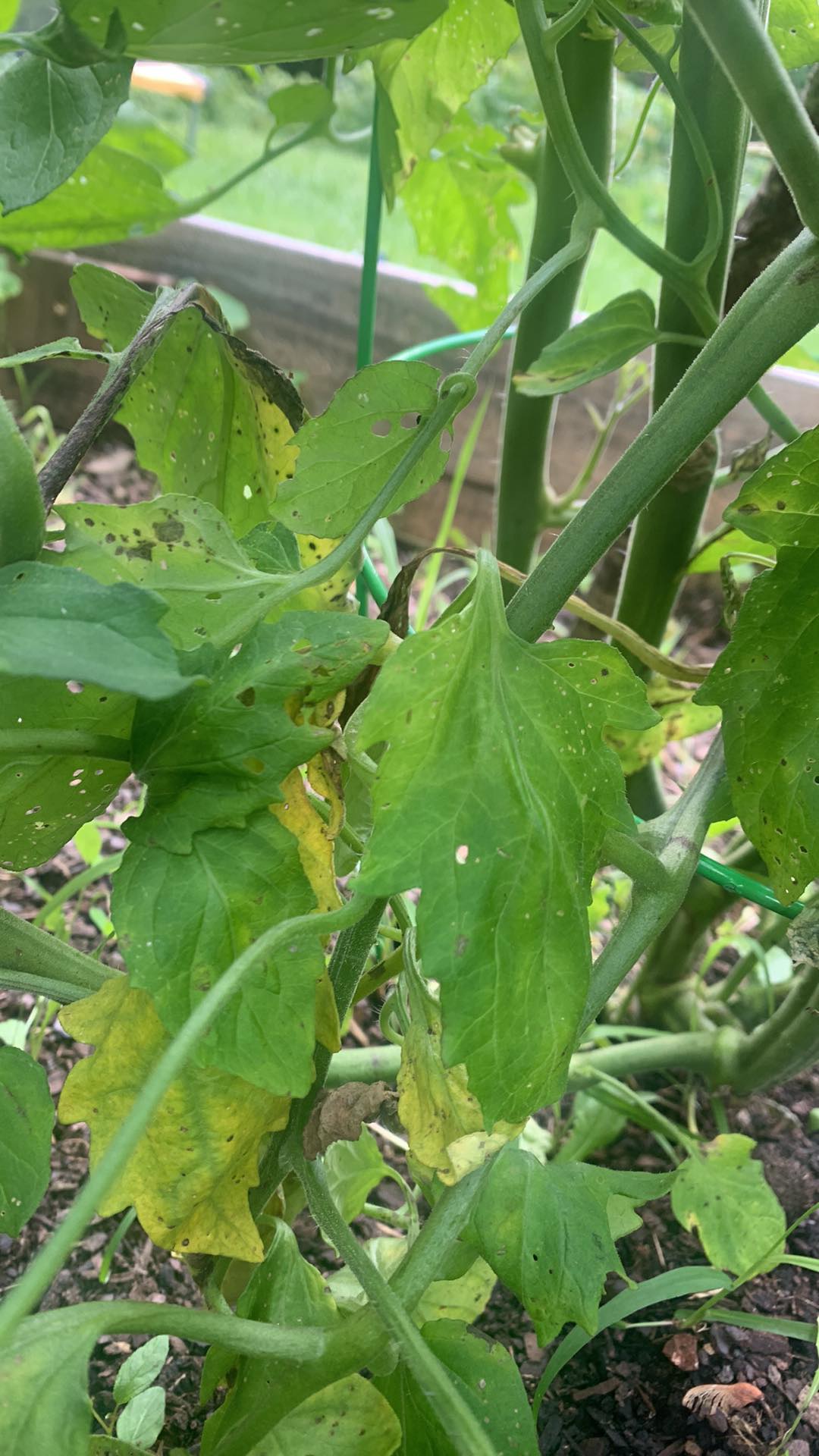
Regularly monitoring for pests and diseases will help keep plants healthy and reduce the use of potentially harmful chemicals. Providing the proper amount of sunlight, water, and nutrients for your plants is critical to maintaining a thriving garden and ensuring the health and well-being of the pollinators. Consider planting a variety of flowers that bloom at different times of the year. This approach ensures a continuous supply of food for the pollinators throughout the seasons.
Pest and Disease Management
Employ natural pest and disease control methods whenever possible. Instead of using chemical pesticides, explore options like introducing beneficial insects, using neem oil, or practicing crop rotation to minimize environmental impact. Consider the ecological balance and prioritize sustainable and safe pest management techniques. Monitor the plants frequently to spot any possible issues. This will allow you to catch and correct any potential problems before they get too large.
Additional Tips and Considerations
Attracting Birds and Other Beneficial Insects
Consider attracting birds and other beneficial insects to your garden. Birds can help control pest populations, and beneficial insects can aid in pollination. Offer water sources, plant native trees and shrubs, and provide shelter for birds and other wildlife. Creating a diverse ecosystem will support a wide array of creatures and maintain the overall health of your environment.
Utilizing Different Planting Styles
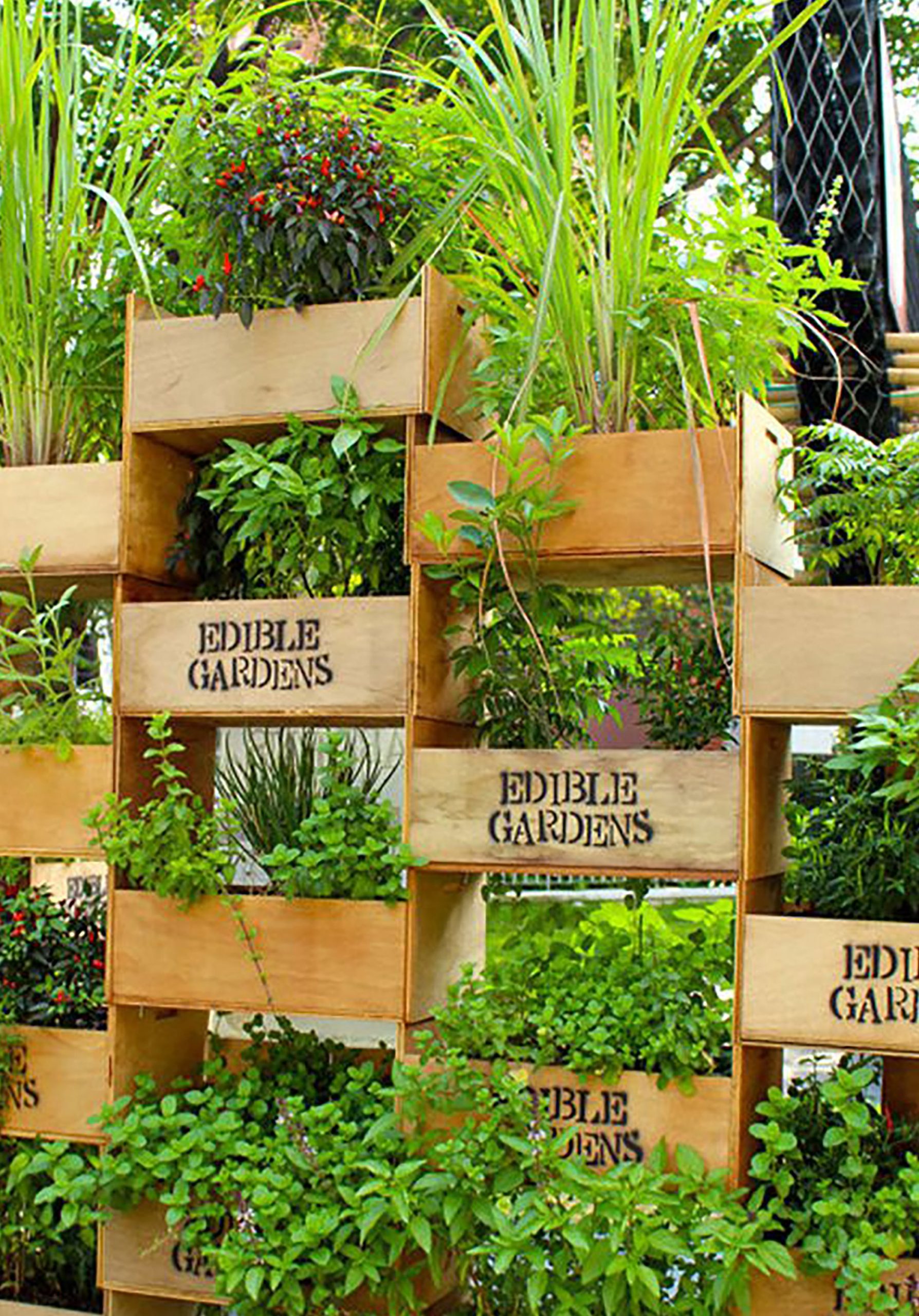
Explore diverse planting styles that cater to different pollinators. Utilizing different heights and structures in your garden will create a variety of habitats for different species, and it will maximize the amount of space you use. Consider vertical gardens, hanging baskets, and raised beds to maximize space in your garden. These techniques will create various habitats that attract pollinators.
Specific Plant Recommendations
Nectar-Rich Flowers for Butterflies and Bees
Consider a diverse selection of flowering plants to attract both butterflies and bees. Flowers rich in nectar, such as coneflowers, zinnias, and sunflowers, are excellent choices. These plants provide a continuous supply of food, and the varying blossom times of the flowers provide a diverse food supply.
Native Plants
Choosing native plants is crucial for creating a truly sustainable and thriving garden. These plants are well-suited to the local environment and support local pollinators. Incorporating native plants can provide a rich biodiversity. Find out what species are indigenous to your area and incorporate them into your garden design.
Creating a Pollinator-Friendly Landscape
Providing Water Sources
A readily available water source is essential for both butterflies and bees. Provide a shallow dish or birdbath, ensuring that it is shallow enough to avoid drowning the insects. Properly maintaining the water source will keep it clean and safe for the insects to use.
Designing for Shelter and Nesting
Creating nesting sites and shelters is equally vital. Consider incorporating shrubs, hedges, or even a bee hotel for these essential insects.
Enhancing the Biodiversity of Your Garden
Managing Weeds and Pests
Keeping weeds under control is vital for the healthy growth of your plants, and it creates space for beneficial plants. Weeds can compete with desirable plants for resources, which negatively impacts the growth and development of the garden. The correct methods will maintain healthy plants and a healthy environment for beneficial insects, like butterflies and bees.
Maintaining Healthy Plants
Healthy plants are more resilient to pests and diseases. Ensure that the plants receive enough sunlight and water to promote healthy growth. Healthy plants are more productive and more resilient, which supports the overall well-being of the garden.
Frequently Asked Questions
How can I attract butterflies to my garden specifically?
Attracting butterflies requires creating a diverse and vibrant garden environment that caters to their specific needs. This includes planting a variety of flowering plants with nectar-rich blossoms, providing sufficient sunlight, offering a water source like a shallow dish or birdbath, and ensuring adequate food sources for caterpillars. Butterflies are not solely drawn to one type of plant, but rather a diversity of flowers that bloom throughout the seasons. A well-maintained and varied garden that encompasses these features will naturally attract more butterflies. Also, consider adding butterfly houses to your garden. Some areas in your garden can be set aside for butterfly-attracting plants, while other areas can attract other pollinators, such as bees.
What are the key considerations for designing a bee-friendly garden?
Designing a bee-friendly garden centers around providing essential resources for the bees. The most important elements to focus on are diverse nectar sources and pollen-rich blooms, offering a consistent food source throughout the season. Bees need access to water, so consider adding a shallow dish or birdbath. Avoid using pesticides in your garden, which are harmful to bee populations. Also, consider providing shelter and nesting sites like bee hotels, which are artificial structures for bees to build their nests within. You can also help them by ensuring the overall health and diversity of your garden.
What are some practical tips for maintaining a butterfly and bee-friendly garden?
Maintaining a butterfly and bee-friendly garden involves ongoing effort. Regularly assess the needs of your pollinators and provide the best conditions possible. This includes deadheading spent blooms to encourage continuous flowering. Remove any weeds that might compete with the flowers for resources and water regularly to keep plants healthy. Regularly monitoring the plant health and insect population is paramount for the sustainability of your garden and the well-being of the pollinators.
Can I create a butterfly and bee-friendly garden in a small space?
Absolutely! Creating a butterfly and bee-friendly garden is achievable regardless of the size of your space. Focus on maximizing the potential of your area by strategically planting flowers with varying bloom times and heights. Plant flowering shrubs and bushes to make the most of vertical space. Utilize containers and hanging baskets to add diversity and color. Consider vertical gardens and trellises. By carefully planning and maximizing available space, you can have a thriving butterfly and bee-friendly garden even in a small area.
In conclusion, designing a butterfly and bee-friendly garden is a rewarding experience that benefits both these vital pollinators and your local ecosystem. By implementing the strategies outlined in this article, you can cultivate a space that attracts butterflies and bees, enhances biodiversity, and provides a beautiful aesthetic for your garden. Now, go forth and create a haven for these magnificent creatures!