Summer garden care is essential for ensuring your plants thrive during the hot and often dry months. Imagine a vibrant garden bursting with color and life, a true oasis in your backyard. This guide covers the essentials of summer garden care—from watering to fertilization to pest control—to help you keep your plants flourishing. Many gardeners struggle with the specific needs of their plants during the intense summer heat. This article provides comprehensive and actionable solutions to common problems faced, using concrete examples and tips for successful summer gardening. The following sections will cover various aspects of summer garden care, providing in-depth insights and actionable steps to ensure your plants flourish throughout the season.
Watering Strategies for Summer Gardens
Deep Watering Techniques
Maintaining adequate hydration is crucial during the summer months, when evaporation rates are high. Deep watering encourages deeper root growth, making plants more resilient to drought. Instead of frequent shallow waterings, focus on infrequent, deep waterings. Water deeply enough to moisten the soil to a depth of at least 6-8 inches. This promotes strong root systems, essential for absorbing water and nutrients during hot spells.
Watering Schedules and Techniques
Consider your specific plant needs and the local climate when creating your watering schedule. Different plants have different water requirements; some need more moisture than others. Early morning or late evening are ideal times to water, as these times minimize water loss from evaporation. Use mulch around the base of plants to retain moisture and prevent evaporation. Water at the base of the plant, avoiding overhead watering, which can encourage fungal diseases.
Importance of Soil Moisture
Regularly check the soil moisture to ensure your watering schedule is effective. Insert your finger several inches deep into the soil—if it feels dry, it’s time to water. Observe the soil’s moisture levels to adjust your watering routine accordingly. Different plant types respond differently to changes in soil moisture, so pay close attention to their needs. A consistent water schedule ensures the ongoing health and vigor of the plants throughout the summer.
Fertilizing for Summer Growth
Understanding Summer Plant Needs
Summer is a period of rapid growth for many plants. Providing the right nutrients is essential to support this growth. Ensure the fertilizer you choose is suitable for the specific plant type and its growth stage. Use a balanced fertilizer to provide the necessary nutrients, such as nitrogen, phosphorus, and potassium. Some plants, such as vegetables and flowering plants, may require different nutrient ratios.
Proper Fertilizer Application
Follow the manufacturer’s instructions carefully when applying fertilizer. Avoid over-fertilizing, as this can harm the plants and lead to issues like nutrient burn. Spread the fertilizer evenly over the soil surrounding the plants, ensuring it doesn’t come into direct contact with the stems or leaves. Applying fertilizer to the soil allows the roots to absorb nutrients efficiently.
Timing and Frequency of Application
The timing and frequency of fertilizer application depend on the type of plant and the specific nutrient needs. For example, vegetables that are actively growing may need more frequent fertilization than flowering plants. Check the needs of your plants and adjust the schedule accordingly.
Pest and Disease Control in Summer Gardens
Identifying Common Summer Pests
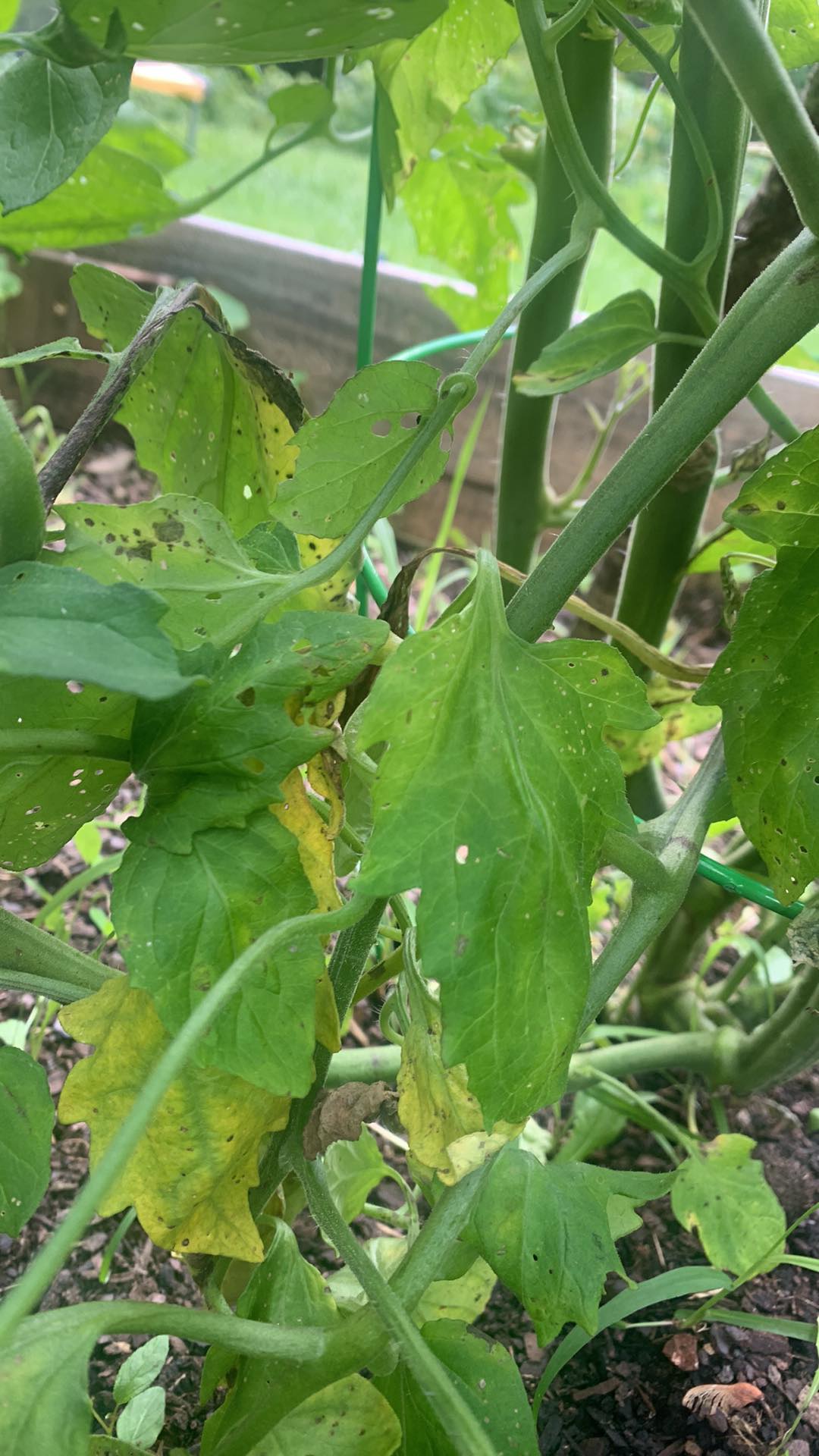
Various pests, such as aphids, slugs, and snails, can target plants during the summer months. Regular inspections are crucial to identify infestations early and take appropriate action. Look for signs such as chewed leaves, sticky residue, or visible pests on the plants. Understanding the life cycle of common garden pests and the appropriate measures to control them is paramount. This can prevent them from impacting your plants’ growth.
Effective Pest Control Methods
Employ a combination of methods for effective pest control, including manual removal, insecticidal soap, or beneficial insects. Avoid harsh chemicals whenever possible, prioritizing organic methods to protect the environment and maintain a healthier garden. Using traps or barriers may also prevent pests from getting to your plants. Regular inspections for early detection of pest problems allows for proactive and timely interventions.
Disease Prevention Strategies
Proper watering techniques, good air circulation, and removing diseased plant material can prevent diseases. Ensure adequate spacing between plants to allow for proper air circulation. Avoid overhead watering, which can increase the risk of fungal diseases. Use disease-resistant varieties whenever possible. Early detection of diseases and prompt treatment are essential to prevent widespread infestations.
Maintaining Healthy Soil for Summer Growth
Importance of Soil Health
Healthy soil is essential for strong and vigorous plants. Nutrients in the soil are vital for plant growth, and proper soil structure helps plants absorb water and nutrients efficiently. Healthy soil creates an ideal environment for a wide variety of garden life and fosters resilience in plants.
Soil Improvement Strategies
Improve soil health by incorporating organic matter, such as compost, mulch, or well-rotted manure. This improves soil structure, adds essential nutrients, and enhances water retention. Adding organic matter improves water drainage and aeration, creating a healthy environment for plant growth. Observe soil composition regularly and make necessary adjustments for a thriving garden environment.
Mulching Techniques
Applying a layer of mulch around plants helps retain soil moisture, suppress weeds, and regulate soil temperature. Mulch reduces water evaporation, helping to maintain soil moisture levels during hot summer months, reducing the need for frequent watering.
Special Considerations for Different Plants
Plant-Specific Needs
Different plants have unique requirements for summer care. Some plants, such as tomatoes and peppers, require consistent watering and fertilization, while others, such as succulents and cacti, are more tolerant of drought conditions. Knowing the specific needs of your plants allows you to cater to their individual requirements.
Handling Heat Stress
During periods of extreme heat, provide additional shade for sensitive plants and monitor them for signs of stress, such as wilting or discoloration. Protecting plants from intense direct sunlight during peak heat can help prevent heat stress, while proper irrigation helps alleviate stress and promote recovery.
Summer Bloom Care
Keep flowering plants well-watered, especially during dry spells. Remove spent blooms regularly to encourage continuous flowering. Provide support for tall blooms to prevent them from falling over, and adjust your fertilizing schedule according to the plant’s growth cycle.
Utilizing Summer Gardening Resources
Local Gardening Experts
Consult local gardening experts or garden centers for tailored advice based on your specific climate and plant types. They offer valuable insights into plant care, soil conditions, and pest management that are regionally relevant and often have expertise in handling specific issues. They provide specific recommendations tailored to your local environment, helping you succeed in your summer gardening endeavors.
Online Gardening Communities
Engage with online gardening communities to share experiences and gain insights from fellow gardeners. Online resources and communities provide valuable support in understanding the issues and successes in the gardening world, helping you troubleshoot problems and implement better strategies for your garden. Sharing your experiences and learning from the knowledge of others can significantly contribute to your overall gardening success.
Gardening Books and Publications
Relevant books and publications offer in-depth knowledge about different plants and effective gardening practices. Gardening literature provides invaluable practical advice on various gardening topics and effective plant management practices. This is a valuable resource for expanding your gardening expertise and knowledge base.
Enhancing Your Summer Garden Design
Creating Shade for Hot Weather
Provide shade for sensitive plants, particularly during peak sun hours, to minimize heat stress and help them thrive. Consider adding shade structures or strategically positioning plants to reduce exposure to intense sunlight. This can improve plant survival during hot spells.
Attracting Beneficial Insects
Planting flowers and shrubs that attract beneficial insects, such as ladybugs and lacewings, can help control pests naturally. Attracting beneficial insects like ladybugs and lacewings helps to control pests naturally while maintaining ecological balance. This is a sustainable pest-control method for your garden.
Adapting to Specific Conditions
Consider factors such as soil type, sunlight exposure, and water availability when choosing plants. Selecting the appropriate plants for your garden’s conditions is a crucial step in ensuring a healthy and flourishing summer garden. This is crucial for proper plant growth and sustainability. Selecting plants suitable for specific environments minimizes stress and promotes successful garden development.
Harvest and Preservation for Summer Gardens
Harvesting at Peak Ripeness
Harvest vegetables and fruits at their peak ripeness for optimal flavor and nutritional value. This ensures the best possible taste and quality from your harvests. Understanding when each type of fruit and vegetable is ready to harvest is a skill needed for maximizing the yield and quality from the garden.
Preservation Techniques
Implement preservation techniques, such as canning, freezing, or drying, to extend the freshness and enjoyment of your summer harvest. Conserving summer harvests helps to enjoy fresh produce throughout the year, and implementing effective preservation methods maximizes the longevity and quality of the harvested goods. This can create a sustainable source of produce in a variety of ways.
Managing Leftover Produce
Properly storing and using leftover produce is crucial. This includes creating recipes using surplus produce and avoiding spoilage. Proper storage and usage extend the use and enjoyment of leftover produce. This minimizes waste and creates a sustainable way to use produce throughout the season.
Frequently Asked Questions
What are the best watering practices for summer gardens?
Watering deeply and less frequently is key during summer. This encourages deep root growth and makes plants more resilient to drought. Water early morning or late evening to minimize water loss from evaporation. Use mulch to retain moisture around the base of plants. Observe the soil moisture regularly to adjust your watering schedule accordingly.
How can I prevent plant diseases in a summer garden?
Proper spacing, good air circulation, and avoiding overhead watering can help prevent diseases. Remove any diseased or dead plant material promptly. Choose disease-resistant varieties whenever possible, and use organic pest control methods. Consistent maintenance is vital in preventing common summer garden ailments.
What are the best ways to fertilize during the summer season?
Fertilizing should be adjusted based on the needs of your particular plants. Follow the package instructions carefully. Avoid over-fertilizing, as this can harm the plants. Ensure the fertilizer is appropriate for the type of plant you’re feeding, and consider organic options to promote healthy soil and overall plant well-being. If unsure, seek advice from a local gardening expert or garden center.
In conclusion, proper summer garden care is crucial for maintaining vibrant and healthy plants throughout the season. By following these tips, you can ensure your garden thrives, even during the hot summer months. Remember to regularly monitor your plants, adjust your watering schedule, and provide necessary nutrients. This will allow your plants to flourish and reward you with beautiful blooms and bountiful harvests. Ready to transform your summer garden into a lush oasis? Visit our website for more resources and gardening tips!