Lowering your carbon footprint starts at home. Imagine a future where your home is not only a comfortable haven but also a beacon of environmental responsibility. Energy-efficient home improvements offer a compelling path to achieve this vision. Energy-efficient home improvement strategies are vital in reducing your household’s environmental impact and lowering your overall carbon footprint. This article will detail practical and affordable methods to make your home a more eco-friendly and cost-effective space. We’ll explore different improvement options, their potential benefits, and how you can integrate them into your home improvement plan. This article covers everything from simple upgrades to more comprehensive renovations, empowering you to make informed decisions tailored to your needs.
Understanding Your Carbon Footprint at Home
Evaluating Your Current Consumption
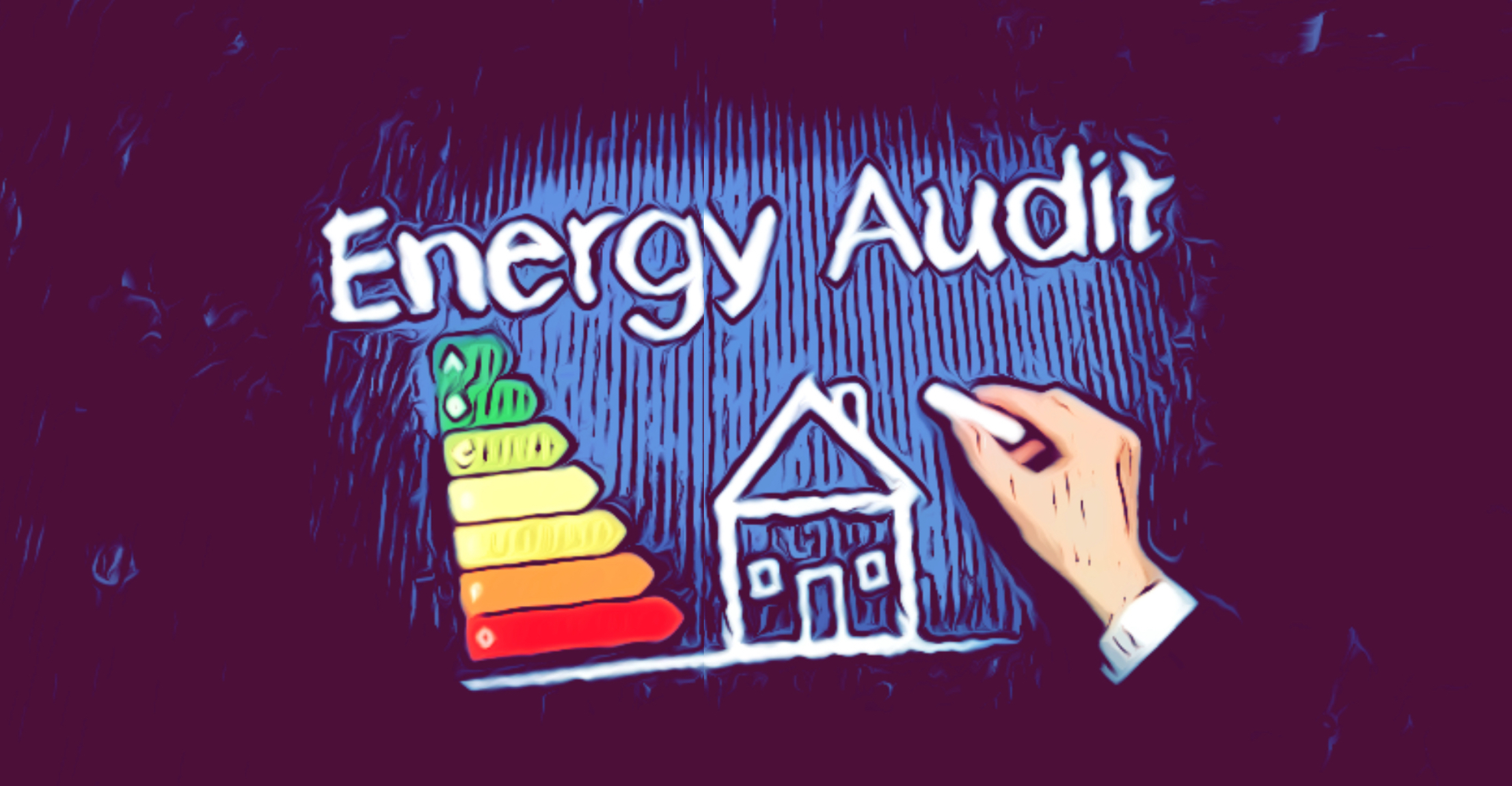
Before embarking on any home improvement project, it’s crucial to understand your current carbon footprint. Home energy audits, often provided by local energy companies or contractors, help pinpoint areas where your home is most inefficient. These audits analyze energy consumption patterns, identifying major sources of waste in heating, cooling, lighting, and appliance use. Understanding your home’s strengths and weaknesses will be vital for choosing the most effective energy-efficient home improvement projects. Moreover, these audits can highlight specific areas needing attention, such as inadequate insulation, inefficient windows, or improperly sized appliances. This information forms a solid foundation for implementing targeted improvements.
Quantifying the Impact of Energy Use
In the United States, residential energy use accounts for approximately 20% of total greenhouse gas emissions. This figure highlights the significant impact individual homes have on the overall carbon footprint. Significant progress in reducing energy consumption can be achieved through focused home improvement projects. By adopting energy-efficient practices, we can all contribute to a reduced carbon footprint and a healthier environment. One key metric is measuring your utility bills – a significant indicator of your home’s energy consumption patterns.
Insulation: The Foundation of Energy Efficiency
Improving Attic Insulation
Proper attic insulation is a cornerstone of energy-efficient home improvement. Adequate insulation minimizes heat transfer between your home’s interior and the exterior, reducing the amount of energy needed to maintain desired temperatures. A well-insulated attic can reduce energy consumption and save you money on your utility bills, making it one of the most cost-effective improvements. Consider replacing old, damaged insulation with high-quality, modern insulation materials to further enhance your home’s energy efficiency. Regular checks for proper insulation can significantly reduce energy waste. For instance, a poorly insulated attic can result in up to 30% of heat loss in the winter months, dramatically increasing your energy bills.
Addressing Wall and Floor Insulation
Addressing insulation in walls and floors is another critical aspect of energy efficiency. Insulating these areas can substantially reduce energy waste, reducing your carbon footprint significantly. Proper wall and floor insulation can greatly reduce energy costs associated with heating and cooling. Consider upgrading to more efficient insulation materials such as cellulose or spray foam, depending on your home’s specific needs and structural considerations. In conclusion, addressing wall and floor insulation will effectively reduce your home’s energy needs and lessen your environmental impact.
Smart Thermostats and Intelligent Home Systems
Optimizing Temperature Control
Smart thermostats are transformative tools in energy-efficient home improvement. These devices allow for precise temperature control based on occupancy patterns and external conditions. They can automatically adjust temperatures to maximize comfort while minimizing energy consumption. By scheduling temperature adjustments, you can ensure efficient heating and cooling during periods of occupancy and reduced energy usage during unoccupied hours. Smart thermostats also offer remote control, allowing adjustments to be made from anywhere, promoting further energy savings.
Integrating Home Automation
Integrating various home automation systems can enhance energy efficiency by providing a centralized control point for different aspects of your home, such as lighting, appliances, and temperature. Automated systems can significantly reduce energy consumption. For instance, smart lighting can automatically adjust brightness levels based on natural light, minimizing the need for artificial lighting during the day. This synergy of automation and energy-saving devices can create a more sustainable living space.
Energy-Efficient Appliances and Lighting
Selecting High-Efficiency Appliances
Choosing energy-efficient appliances when replacing old ones is crucial for minimizing energy consumption. Look for appliances with Energy Star ratings to ensure they meet rigorous efficiency standards. By opting for Energy Star-certified appliances, you can significantly reduce your home’s energy usage and decrease your carbon footprint. Replacing outdated refrigerators, washing machines, and dishwashers with energy-efficient models can contribute to considerable savings in the long run. Replacing older inefficient appliances can reduce your electricity bills considerably.
Implementing Energy-Efficient Lighting Solutions
Switching to energy-efficient lighting fixtures and bulbs is an easy way to reduce your electricity bills while also helping to reduce your carbon footprint. LED bulbs, in particular, use significantly less energy than traditional incandescent bulbs, resulting in substantial savings over time. Switching to LED lighting can substantially reduce energy consumption.
Improving Window and Door Efficiency
High-Performance Windows
Upgrading to high-performance windows is a worthwhile investment for energy efficiency. High-performance windows minimize heat transfer, reducing your home’s reliance on heating and cooling systems. Modern windows are often constructed with multiple panes of glass and special coatings to reduce energy loss. They also significantly contribute to improving the overall insulation of your home, saving considerable amounts of energy in both hot and cold climates. Replacing older windows can dramatically lower energy costs.
Insulated Doors and Door Seals
Efficient door seals and insulation play a crucial role in energy efficiency. They help prevent drafts, improving thermal integrity and reducing energy waste. Installing weatherstripping and door sweeps on existing doors or replacing them with insulated models can create a more airtight environment, saving energy and lessening the carbon footprint.
Renewable Energy Sources
Harnessing Solar Power
Solar panels are a transformative approach to reducing your dependence on traditional energy sources. Generating your own solar energy not only reduces your carbon footprint but also provides substantial savings on electricity bills over the long term. Harnessing solar power is a commitment to sustainable energy and can significantly lessen your environmental impact. This can dramatically cut electricity costs, improving your overall financial situation while minimizing environmental harm.
Exploring Other Renewable Energy Options
Other renewable energy options, such as wind turbines or geothermal systems, are viable alternatives, although they might be more costly to implement initially. The cost of installation and ongoing maintenance must be weighed against long-term energy savings and environmental benefits.
Creating a Sustainable Lifestyle
Smart Habits and Practices
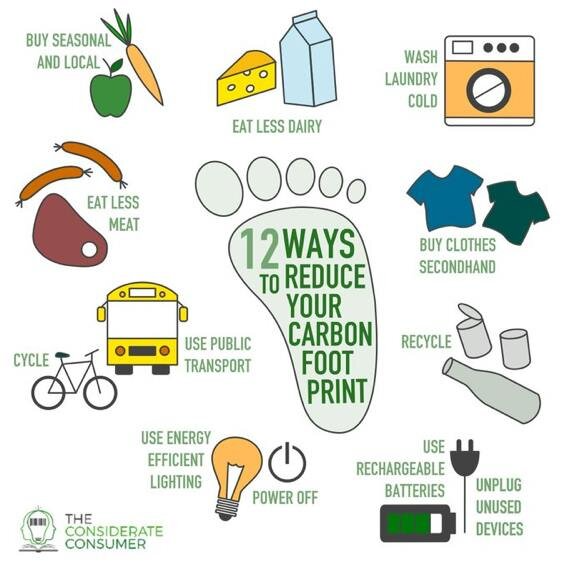
Incorporate energy-saving habits into your daily routines. Turning off lights when you leave a room, unplugging electronic devices when not in use, and adjusting your thermostat to appropriate settings can create remarkable differences in your energy consumption. These simple habits promote sustainable practices and can significantly decrease your carbon footprint.
Community Engagement and Awareness
Engage with your local community to promote environmental awareness. By educating your neighbors about energy-efficient practices, you can contribute to a broader cultural shift towards sustainable living. Participate in community initiatives focused on conservation and environmental protection to foster collective responsibility.
Professional Assistance for Home Improvements
Consulting with Experts
It’s often beneficial to consult with energy-efficiency specialists or contractors for expert advice on home improvement projects. They can assess your home’s specific needs, recommend the most appropriate solutions, and ensure proper installation. Engaging professionals ensures that improvements are not just effective but are executed in a manner that aligns with your home’s unique characteristics and requirements.
Finding and vetting reputable contractors
Thoroughly research and vet contractors before embarking on any project. Look for certifications, experience, and client testimonials to ensure reliability. Finding a reliable contractor will help ensure the successful and timely completion of your projects.
Budget Considerations and Return on Investment
Calculating Potential Savings
Analyzing the potential energy savings resulting from your proposed improvements will be critical to justifying the cost. Calculate potential cost savings by estimating energy consumption reductions based on new technologies and updated practices. Evaluating the long-term cost savings from energy efficiency improvements versus initial investments is crucial in decision-making.
Financing Options for Sustainable Investments
Explore financing options for energy-efficient improvements. Several financial programs and incentives encourage home energy-efficiency upgrades. Consider these options carefully as they may result in a shorter return on investment or lower upfront costs. Take advantage of available financial incentives and rebates for eco-friendly home improvements to optimize your investment plan.
Frequently Asked Questions
How much can I realistically save by implementing these improvements?
The amount you save will vary depending on several factors, including your current energy consumption, the specific improvements you make, and local energy rates. However, studies consistently show significant savings potential. For instance, upgrading to energy-efficient windows can reduce heating and cooling costs by 10-30%, and investing in high-efficiency appliances can save you hundreds of dollars annually. Consult with local energy auditors or contractors to get a personalized estimate for your home and situation.
What are some immediate and easily achievable steps to lower my carbon footprint at home?
Several low-cost, immediate actions can have a noticeable impact on your carbon footprint. Start by switching to energy-efficient light bulbs and unplugging electronics when not in use. Make sure your home’s insulation is up to par; drafts contribute to significant energy waste. Also, consider adjusting your thermostat—even small changes can make a difference. These simple steps demonstrate a tangible commitment to sustainability and can be implemented without major investments.
In conclusion, lowering your carbon footprint through energy-efficient home improvements is not just good for the planet; it’s also good for your wallet and well-being. By implementing these strategies, you can reduce your environmental impact, save money on utility bills, and contribute to a healthier future. Ready to take the first step? Explore our comprehensive guide to energy-efficient home improvement strategies and transform your home into a sustainable haven.