Understanding plumbing costs is essential for any homeowner or business owner planning plumbing repairs or installations. Imagine budgeting for a new water heater or facing a plumbing emergency without a clear picture of the associated costs. Plumbing services, ranging from minor repairs to major installations, can vary significantly in price. This guide provides a breakdown of common plumbing services, explaining the factors influencing costs, and offering practical strategies for managing plumbing expenses effectively. We’ll explore everything from the cost of a simple drain repair to the expense of a complete plumbing system upgrade, offering insights to help you budget and make informed decisions.
Factors Influencing Plumbing Service Costs
Labor Costs
Plumbing labor costs are influenced by numerous factors, including the plumber’s experience, licensing, and certifications. Highly experienced plumbers often command higher rates, as do licensed plumbers in areas with stringent regulations. Specializations, like gas line installation, can also increase labor costs.
Material Costs
The cost of plumbing materials significantly impacts the overall price of a project. The type of pipes, fixtures, and fittings used directly influences the project’s total cost. For example, copper pipe installations tend to be more expensive than plastic pipe systems. Materials such as high-quality, durable fixtures or specific types of valves used in the repair or replacement of the system will impact the total cost of the project.
Project Complexity
The complexity of the plumbing job significantly affects the final cost. A simple leak repair may take a couple of hours, while a complete plumbing system replacement could take several days. The intricacy of repairs or the scope of renovations also factor into the final price. For example, replacing a worn-out drain line is simpler than replacing a water heater that is embedded in a complex architectural system.
Estimating Costs for Common Plumbing Services
Drain Repair
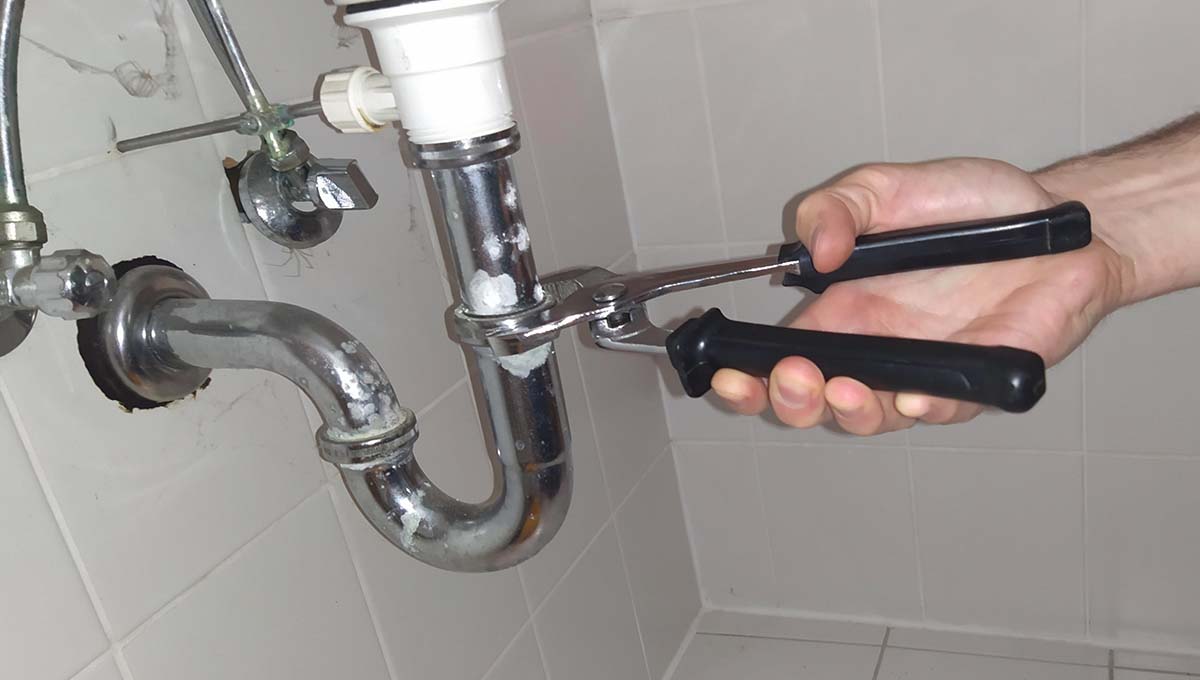
Repairing a clogged or leaky drain typically involves a straightforward process, often taking a couple of hours. The cost for a minor drain repair can range from $100 to $500, depending on the location, complexity of the blockage, and labor rates. In some instances, a single clog repair can be less than $100, but the scope can quickly expand to other areas if there are ongoing issues or issues not addressed by the initial repair.
Water Heater Replacement
Replacing a water heater involves removing the old unit, installing the new one, and connecting the new appliance to existing plumbing lines. Estimates for water heater replacements typically fall between $500 to $2,000, depending on factors such as the size of the unit, brand, and installation complexity. A gas-fueled water heater may cost slightly more than an electric water heater due to the complexity of the gas line connection and the specialized safety checks for proper installation.
Faucet Repair or Replacement
Repairing or replacing a faucet is a common plumbing task, with costs varying based on the faucet type and complexity of the job. A simple faucet repair could cost $50 to $150, while a more intricate replacement or repairing of a more advanced faucet could cost between $100 and $500 or more.
Tips for Managing Plumbing Costs
Comparing Quotes
To get the best value, it’s crucial to compare quotes from multiple plumbers. This allows you to identify reasonable rates in your area, get accurate estimates, and potentially negotiate prices for complex jobs. Getting quotes from multiple plumbing contractors can help you select the best option for your needs.
Prioritizing Repairs
Consider prioritizing repairs that are necessary versus those that are not urgent. While it’s essential to address immediate plumbing issues, like a leak or a clogged drain, you may have the option of tackling some fixes over a longer time frame, especially if the expense for a short-term fix seems high.
Avoiding Unnecessary Expenses
DIY Repairs
Some minor plumbing repairs may be appropriate for a do-it-yourself approach if you possess the necessary skills and tools, saving money on professional labor costs. However, if you are unsure or if the job appears complex, hiring a professional plumber is strongly recommended. Many plumbing jobs require specific tools, safety procedures, and skill sets that should be left to a professional, avoiding a potential increase in your project’s cost if you are not familiar with the job.
Maintenance and Prevention
Regular plumbing maintenance and preventative measures can help prevent costly repairs in the future, saving you money in the long run. For instance, checking for leaky faucets and addressing them quickly may prevent further damage and subsequent higher repair costs.
Researching Local Plumbers
Online Reviews and Ratings
Online reviews and ratings provide valuable insights into the reputation and reliability of local plumbers. Check reviews on platforms like Google My Business, Yelp, or HomeAdvisor to gauge their customer satisfaction and quality of service.
Referrals and Recommendations
Referrals and recommendations from friends, family, or neighbors are excellent sources for finding reputable plumbers with a proven track record.
Local Listings and References
Contact local plumbing associations, directories, or industry organizations to obtain a list of certified and insured plumbers. Scrutinizing their references and certifications may help you choose the best plumber for the job.
Additional Considerations for Budgeting
Emergency Plumbing Services
Emergency plumbing services often come with higher costs due to the urgency of the situation and the added pressure of immediate repair. Be aware of this and plan for potential expenses in case of emergency. Also, research and consider if you need a 24/7 service versus a more standard service period.
Discounts and Promotions
Some plumbers may offer discounts or promotions, especially for recurring or bundled services. Checking for available discounts or promotions for your project can help you manage expenses efficiently.
In conclusion, understanding plumbing costs for common services is crucial for homeowners and businesses alike. By researching local plumbers, comparing quotes, and considering factors like the complexity of the project and the type of materials used, you can get a realistic estimate and avoid unpleasant surprises. This article has provided a comprehensive overview of the subject matter, offering practical tips for managing plumbing costs effectively. Now, you can confidently approach your next plumbing project, armed with the knowledge to make informed decisions and get the best value for your money. Contact a qualified plumber today for a free consultation.