Unclogging drains is a common plumbing task that homeowners often face. Whether it’s a slow-draining sink or a completely blocked toilet, a clogged drain can disrupt daily life and, if left unaddressed, can lead to serious plumbing issues. This comprehensive guide provides effective DIY plumbing methods to address various drain blockage problems. We’ll explore the causes, offer practical solutions, and provide step-by-step instructions to ensure successful drain unclogging. This guide is divided into sections covering the causes of clogs, various DIY solutions, and preventive measures to ensure your drains remain healthy and functional. We’ll also offer solutions to common issues and address frequently asked questions.
Understanding Drain Clogs
Common Causes of Drain Blockages
Drain clogs are a frustrating plumbing issue that can affect any drain in your home, from kitchen sinks to shower drains. Understanding the root causes is the first step in effectively addressing them. One of the most common culprits is a buildup of organic matter. Food particles, grease, hair, and other debris can easily collect in pipes and eventually form a blockage. Another common source of clogs is soap scum, especially in areas prone to high water usage, such as bathrooms. The accumulation of hard water minerals can also contribute to slow drainage. Even the presence of tree roots in sewer lines can cause blockages if they grow into pipes.
Identifying and Diagnosing Drain Blockages
A slow-draining sink isn’t always a clog. Other possible issues include faulty plumbing fixtures, loose connections, or a worn-out drain trap. A clogged drain, however, will exhibit certain tell-tale signs. You’ll likely notice a gradual reduction in water flow followed by a complete stoppage. Other symptoms might include a foul odor emanating from the drain, gurgling noises, or water backing up into other fixtures.
DIY Methods for Unclogging Drains
The Plunger Technique
The plunger is a common and often effective tool for unclogging drains. It works by creating a vacuum seal to dislodge blockages. For sink clogs, place the plunger over the drain opening, ensuring a good seal. Then, plunge vigorously in a rhythmic, up-and-down motion, repeating until the water begins to drain. If a toilet is clogged, use a similar plunging method, ensuring a complete seal around the drain opening. Repeat plunging to clear the obstruction.
Using a Drain Snake
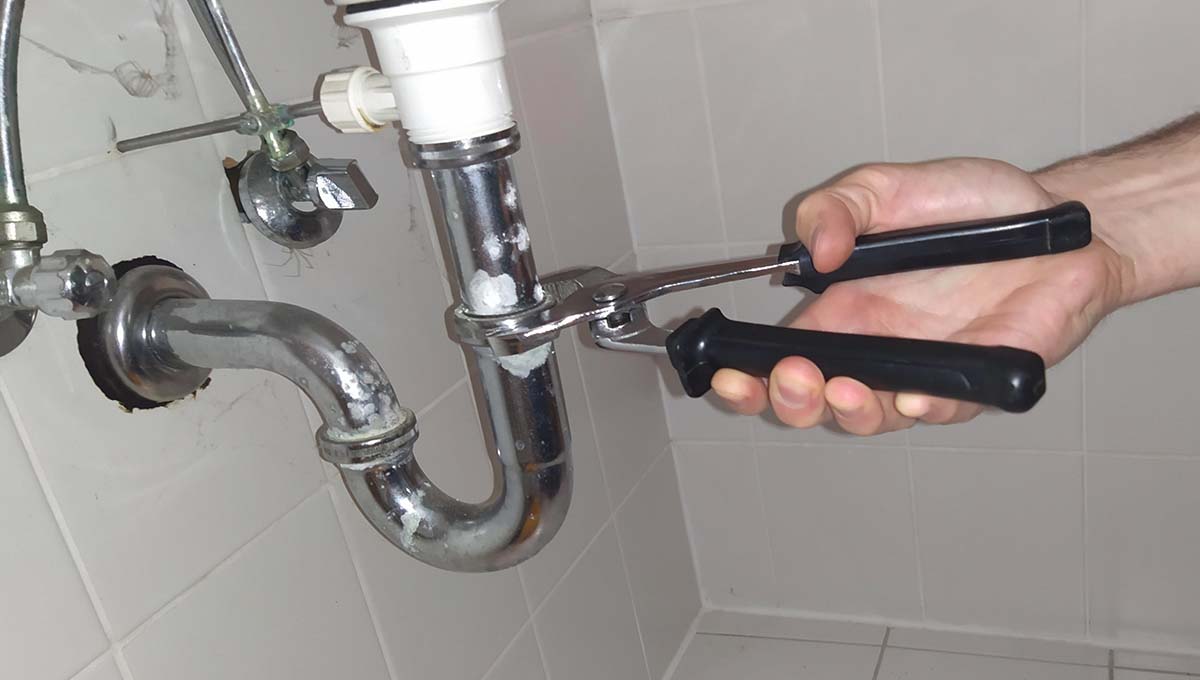
Drain snakes, also known as drain augers, are another helpful tool for unclogging drains. These tools typically consist of a flexible cable with a metal tip. Carefully insert the drain snake into the drain opening and rotate it as you feed it deeper into the pipe. Repeat this process until the clog is dislodged or the snake encounters a significant obstruction.
Preventative Measures to Avoid Drain Clogs
Regular Drain Maintenance
Regular drain maintenance is crucial to prevent clogs from occurring. A simple way to maintain your drains is to regularly use baking soda and vinegar. Pour a cup of baking soda into the drain, followed by a cup of vinegar. Let this mixture sit for a few minutes before flushing with hot water to loosen and remove clogs. Using a strainer or mesh screen over kitchen and bathroom drains can prevent food particles and hair from entering the pipes. This simple step can make a significant difference in maintaining the proper flow of water through your plumbing system.
Proper Disposal Habits
Following proper disposal habits significantly reduces the risk of drain clogs. Avoid pouring grease, oils, or fibrous food waste down the drain, as these items can harden and block pipes. Dispose of these materials in the trash. Furthermore, use a garbage disposal responsibly, and only put in items that are designed for a garbage disposal.
Advanced Methods for Stubborn Clogs
Using a Chemical Drain Cleaner
Chemical drain cleaners are often the last resort for severe blockages. Follow the product instructions carefully and wear appropriate protective gear. Pour the chemical drain cleaner into the drain and let it sit for the recommended amount of time before flushing with plenty of water. Always be cautious when using these products and consider the material of your pipes to ensure they are not damaged.
Diagnosing and Addressing Different Types of Drain Blockages
Kitchen Sink Clogs
Kitchen sink clogs are common due to the types of food wastes deposited into the sink. A buildup of grease, food particles, and other debris can readily clog the drain. Use a plunger or a drain snake to address the blockage, starting from the lowest point in the drainpipe. Use the appropriate tool for the job to ensure the clog is addressed without causing harm to the pipes.
Bathroom Drain Clogs
Bathroom drains are another common area for clogs, especially from hair and soap scum. Use a drain snake to tackle the blockage from the drain outlet. Be cautious as bathroom clogs can be caused by various factors and using the correct tool will ensure the clog is addressed efficiently without causing damage to the pipes.
Identifying and Addressing Different Types of Drain Blockages (Cont’d.)
Toilet Clogs
Toilet clogs are another common plumbing problem that can be frustrating to resolve. Often, toilet clogs stem from flushed objects like sanitary products, paper, and other materials that are not suited for the toilet. Use a toilet auger or a specialized toilet plunger to unclog the blockage. If the blockage persists, seek professional help.
Slow Draining Drains
If your drain is slow, it’s not always a severe clog. A slow drain could be a result of a variety of issues, such as a buildup of hair or debris. A drain snake could help clear it if needed. However, if the drain remains slow after using a drain snake, you may want to consider consulting a plumber to check for a more serious issue.
FAQ
What are the most common causes of drain clogs?
“Common causes of drain clogs include food particles, grease, hair, and other organic debris. Hardened soap scum, mineral deposits, and even tree roots can also contribute to blockages. Incorrect disposal of items or inadequate maintenance can also lead to clogs. In some cases, improper pipe installation or structural issues can cause issues down the line.”
How can I prevent drain clogs in the future?
“Preventing drain clogs involves implementing some simple practices. Avoid pouring grease, oil, or fibrous food waste down the drain. Use a strainer or mesh screen to prevent hair and other debris from entering the drain. Regularly clean your drains with a drain cleaner or a baking soda and vinegar mixture. Additionally, ensure proper maintenance of your pipes and sewer lines to avoid potential issues down the road. Lastly, be mindful of the products you use in your home to avoid causing buildup in your pipes.”
What are the best DIY unclogging methods for different drain types?
“The best DIY methods depend on the type of drain and the severity of the clog. For sinks and showers, using a plunger or a drain snake can often resolve the issue. For bathtubs, you may need to employ a drain auger or a drain cleaner. In some cases, a combination of methods can be necessary to clear severe blockages. For clogged toilets, use an appropriate toilet auger or follow specialized methods for toilet clogs. Always be cautious and use the right tools for the job to avoid damaging your plumbing or injuring yourself.”
In conclusion, unclogging drains is a common plumbing task that homeowners can often tackle themselves with the right tools and methods. By understanding the causes of drain blockages and employing effective DIY solutions, you can avoid costly professional repairs. Remember to always prioritize safety and choose the appropriate methods for your specific drain type and blockage. If the issue persists or you feel uncomfortable tackling it, it’s always best to consult a professional plumber. This will ensure your drains function properly and prevent future issues. Contact a plumber immediately if you experience severe clogs, unexplained water backups, or if you suspect a more serious plumbing problem.