
Organization for kids is a vital skill that empowers them for a lifetime of success. Imagine a child who can effortlessly manage their belongings, organize their workspace, and prioritize tasks. This isn’t just about tidiness; it’s about developing essential skills for success in school, at home, and beyond. Many kids struggle with these skills, leading to frustration and stress. This article will explore proven strategies for teaching organization, emphasizing fun and lasting habits. We’ll cover everything from simple decluttering techniques to establishing routines, and provide concrete examples to illustrate each concept.
The Importance of Organization for Kids
Understanding the Root of the Problem
Children are naturally curious and active. Their environments can easily become cluttered. This is often due to a lack of clearly defined spaces and expectations for their belongings. Often, this can lead to difficulties with tasks, poor time management skills, and feelings of overwhelm. This can impact their self-esteem and overall well-being. Poor organization skills hinder their ability to focus on academic work, and they may struggle to complete assignments. In essence, poor organization skills can negatively affect all areas of their lives. Many children lack the organizational skills that help manage their time and tasks effectively. By teaching organization, parents can help children develop important skills needed to thrive in school, at home, and beyond.
Practical Application
The good news is that these challenges can be overcome with the right approach. Teaching children to organize isn’t just about tidiness. It’s about fostering essential habits, including time management and prioritizing tasks. With consistent practice and positive reinforcement, kids can develop a love for organization that will stay with them for a lifetime. This will give them the tools to achieve success in academics, hobbies, and life in general. This article will discuss simple and effective strategies for instilling these habits.
Creating a Designated Space
Setting Up a Dedicated Workspace
Creating a dedicated workspace is a crucial step in fostering organizational skills. This could be a desk, a corner of a room, or even a specific shelf. Designate a clear area for books, school supplies, and other materials. Using a visual reminder, such as labels, color-coding, or bins, makes the space more intuitive and effective. This will clearly define the boundaries of the space and create a sense of ownership and responsibility. Children will quickly understand where their materials should be stored and retrieved from, creating a dedicated place to help focus and complete tasks.
Incorporating Visual Aids
Visual aids play a crucial role in a child’s understanding and comprehension of organization strategies. Use color-coded labels, posters, or even wall decals to clearly demarcate different sections of their space. Color-coding similar items together can assist in decluttering and remembering what belongs where. Visual reminders make it easier for children to see what’s expected of them, promoting better organization and making it a positive learning experience. The clearer the visual cues are, the more effective the organization system will be for the child. Making the space visually appealing can improve their ability to focus and work productively. For example, using pictures, charts, and other visual aids makes organization fun and engaging.
Establishing Routines and Time Management
Creating Daily Schedules
Establishing a daily schedule is one of the most crucial elements for organization, including for children. Create a visually appealing calendar that incorporates tasks, chores, and free time. Including specific times for tasks like studying or playing helps build a routine. Involve the child in creating the schedule to make it more engaging and meaningful to them. Visual aids such as a whiteboard, a digital calendar app, or a visual timer can also be helpful in promoting the routine. This helps build their time management skills and helps them understand how to prioritize tasks. A clear and structured routine will assist the child in completing tasks effectively and efficiently. It creates consistency and ensures that the child knows what is expected of them.
Prioritizing Tasks and Chores
Teaching children to prioritize tasks is essential to their organization skills. Start with age-appropriate chores or assignments. For example, sorting clothes or clearing their desk could be their initial prioritization goals. Encourage them to think about which tasks need to be done first and help them break down larger tasks into smaller, more manageable steps. This strategy can help them learn to understand how to prioritize tasks to increase their ability to stay organized. If they have a hard time prioritizing, try using a simple system like a to-do list to manage their tasks. Visual aids can reinforce the concept of prioritization, creating better understanding.
Decluttering and Maintaining Order
Understanding the Importance of Decluttering
Decluttering is an important element of organizational skills. When children’s spaces are cluttered, it becomes difficult for them to focus and complete tasks. Help children understand that a clutter-free space promotes focus. Encourage them to regularly clear their space and store their belongings in designated locations. Start with small areas, like their desk or a particular drawer, and gradually work your way through larger areas. This will build a good habit of maintaining order. It also helps children understand the importance of keeping their space clean and tidy to reduce stress and overwhelm.
Encouraging Regular Organization
Promote regular organization through consistent routines and reminders. Scheduling specific times for tidying up, such as before bed or after meals, can be effective. Using visual reminders like timers or motivational posters can encourage regular practice of organizational tasks. You can provide small rewards for regularly maintaining an organized space. Create a visual routine for organizing, helping children understand how to maintain it. Encourage them to identify items they no longer need and encourage them to donate or discard them. Establishing this routine teaches children the importance of maintaining order and reduces the risk of becoming overwhelmed. This routine establishes organizational habits, and makes the child more able to prioritize and manage their belongings.
Utilizing Storage Solutions and Techniques
Choosing Appropriate Storage Solutions
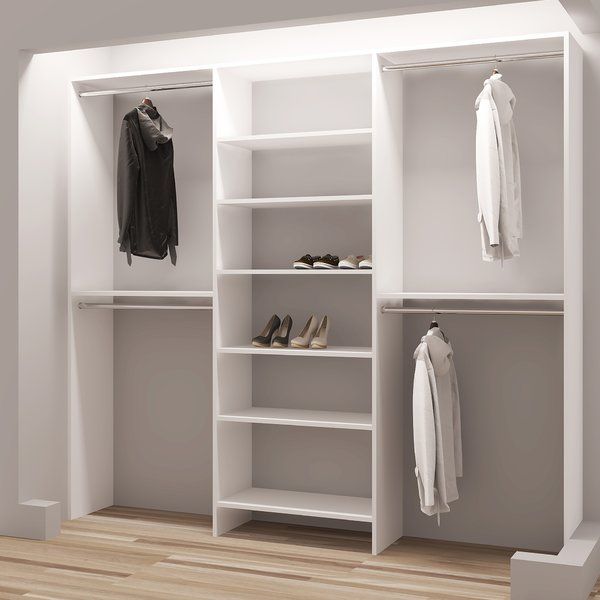
Choosing appropriate storage solutions is a crucial aspect of organization for kids. The best storage solutions are those that are accessible and visually appealing to the child. Encourage them to participate in the selection process. This empowers them to take responsibility for their belongings. Use drawers, bins, shelves, or containers, depending on the needs and the specific items. Look for containers with lids, drawers with dividers, or shelves with visible labels, to make things easier. This will help in the long-run. This not only helps with their organizing skills but also encourages a sense of ownership.
Optimizing Space and Functionality
Optimizing space and functionality is a critical aspect in teaching kids how to stay organized. Consider the available space and the child’s needs. Incorporate space-saving storage solutions to maximize available space. Using vertical space, incorporating shelves, or wall-mounted organizers can be a good strategy. This will help children manage their belongings efficiently and maintain their space effectively, helping reduce clutter. When choosing storage, consider the size and type of items being stored. Using appropriate containers and storage methods makes organizing easy and fun for everyone involved.
Building a Growth Mindset
Encouraging Patience and Persistence
Teaching organization to kids is an ongoing process that requires patience and persistence. Recognize that there will be setbacks. Focus on progress rather than perfection. Emphasize the importance of consistency and celebrate small victories to boost their confidence. It’s essential to create a positive and supportive environment, especially in the early stages. Encourage children to view challenges as opportunities to learn and grow, reinforcing their confidence.
Modeling Effective Organization
Modeling good organizational habits is a powerful way to teach children. Children learn through observation, and demonstrating effective organizational strategies, such as prioritizing tasks, keeping a schedule, and decluttering, can be extremely influential. Showing them how you manage your own time and space can set a good example. By consistently managing your own time and space effectively, you are also effectively showing your child what success looks like and setting a good example.
The Power of Positive Reinforcement
Implementing Rewards and Praise
Implementing positive reinforcement through rewards can be a powerful tool in encouraging organization. Create a reward system that is meaningful to the child, such as small treats, privileges, or special outings. Recognize and praise their efforts, highlighting their progress. Using a reward system helps encourage continued participation, building organizational habits. Offer rewards for effort, not just for perfectly neat spaces, promoting consistency.
Involving Them in the Process
Involving kids in the organization process is key to fostering responsibility and ownership. Let them choose their own storage containers or labels. Allow them to participate in decluttering sessions, enabling them to develop a sense of autonomy. Make the process a collaborative effort, where they feel like they’re actively contributing to a positive outcome. This empowers them and creates a sense of ownership and responsibility, which translates into better organizational habits.
Frequently Asked Questions
How can I make organization fun for my kids?
Turning organization into a fun activity is key to long-term success. Consider turning it into a game, incorporating rewards for completed tasks, and letting them choose their own storage solutions, even if it is within parameters. Making it visually appealing by using colorful bins or labels can also be very effective. Interactive learning tools and engaging games can also transform organizing from a chore into an exciting experience, making the process more enjoyable and less daunting for your child. You could also incorporate music or turn it into a challenge with a timer. The focus should be on the process of organizing, rather than solely on the finished product. The fun aspect will reinforce positive associations, making organization a habit rather than a task.
What are some common organization problems kids face?
Kids often struggle with decluttering, managing their belongings, and maintaining a tidy space. Common issues include difficulty prioritizing tasks, poor time management skills, procrastination, and disorganization. Lack of clear expectations or consistency in routines can also lead to challenges. It is not unusual for children to experience these challenges, as they are still developing these essential skills. The good news is, with practice, patience, and consistent encouragement, these issues are often overcome. By implementing these strategies, you can help your child build the organizational skills that will serve them throughout their lives.
How can I create a sustainable organizational system?
Creating a sustainable system for organizing is critical for long-term success. Start with small steps and focus on consistency. Establish clear expectations and routines that your children understand and can follow. Involve them in the process of organizing and encourage their input. Regular check-ins, monitoring progress, and giving positive feedback are important steps to help your child become an organized individual.
What’s the difference between teaching organization and forcing it?
Teaching organization is about empowering kids through positive reinforcement and encouraging their independence, while forcing it can lead to resentment and avoidance. Forcing organization can lead to resistance and the feeling that it is a punishment rather than an opportunity for success. Encouraging cooperation, offering choice, and celebrating small victories are pivotal in creating a positive experience. This promotes ownership and encourages a love for organization instead of frustration and resentment.
In conclusion, instilling good habits in kids is a crucial part of their development. By understanding the importance of organization and implementing effective strategies, parents and educators can empower children to thrive. This process isn’t about perfection, but about fostering a love of order and responsibility. To receive a free guide on establishing lasting habits, visit [website address].