Efficient watering techniques are crucial for nurturing a thriving garden. Proper watering is the foundation of a healthy garden, ensuring optimal plant growth and minimizing water waste. Gardeners often face challenges like overwatering, underwatering, and inefficient irrigation methods. These issues can lead to root rot, nutrient deficiencies, and ultimately, a decline in overall plant health. This comprehensive guide explores various efficient watering techniques, offering practical solutions and actionable steps for achieving a lush and vibrant garden.
Understanding Your Garden’s Watering Needs
Assessing Soil Type and Plant Requirements
The first step toward efficient watering is recognizing that not all plants have the same thirst levels. Different soil types also have varying water-holding capacities. Sandy soils drain quickly, requiring more frequent watering, whereas clay soils retain water longer, necessitating less frequent but deep watering. Understanding your specific plant types and soil conditions is paramount to successful and efficient watering. For example, drought-tolerant plants like succulents and cacti need less water than leafy greens or flowering shrubs. Taking the time to examine your plants and soil conditions can drastically improve the outcome of your garden, ensuring they get the perfect amount of water without waste.
Monitoring Soil Moisture
Regular soil moisture checks are vital for effective watering. Insert your finger a few inches deep into the soil. If it feels dry, your plants need water. A soil moisture meter can provide a more precise reading, offering accurate data for informed watering decisions. Using these tools, you can maintain optimal soil moisture levels, reducing the risk of overwatering or underwatering, both of which can negatively impact plant health. Maintaining a balance between water and soil is vital for the success and long-term health of your garden.
Choosing the Right Irrigation Methods
Drip Irrigation for Targeted Water Delivery
Drip irrigation is a highly efficient technique that delivers water directly to the plant’s roots. Water is dripped slowly and precisely, minimizing evaporation and runoff. This method is particularly well-suited for fruit trees, vegetable gardens, and rows of plants that need consistent hydration, and reduces water waste significantly. By directly targeting the plant’s root zone, the roots receive the necessary moisture without unnecessary water loss to other areas, thereby promoting plant health and maximizing water utilization.
Soaker Hoses: A Simple and Effective Option
Soaker hoses are a cost-effective and practical alternative to more complex irrigation systems. These hoses deliver water slowly and evenly to the soil surface, promoting deep watering and root growth. Soaker hoses distribute water along the ground, saturating the soil effectively without causing water runoff or evaporation, optimizing watering efficiency and protecting your plants from dehydration. Soaker hoses, due to their simplicity and efficiency, are perfect for use in various garden settings and offer excellent water usage.
Establishing a Watering Schedule
Tailor Schedules to Seasonal Needs
Developing a watering schedule is vital for successful plant growth and water conservation. Summer months, with higher temperatures and increased evaporation, often necessitate more frequent watering, but using deep, infrequent waterings encourages strong root systems. Conversely, during cooler seasons, you may need to water less frequently, ensuring that the soil remains consistently moist but not saturated. Understanding your garden’s seasonal needs will enable you to adjust your watering frequency accordingly, optimizing water use and plant health. For instance, a flower garden will benefit from a different watering strategy than a vegetable garden.
Utilizing Smart Tools for Effective Water Timing
Using tools like smart irrigation controllers or soil moisture sensors can significantly improve the efficiency of your watering schedule. These devices monitor the soil moisture and adjust watering times automatically, ensuring your plants receive just the right amount of water, when they need it, and reducing water waste.
Smart irrigation controllers can also be adjusted to compensate for varying weather conditions, ensuring that plants get the correct watering even during extreme heat waves or heavy rain.
Implementing Water-Saving Strategies
Mulching for Moisture Retention
Applying mulch around plants can significantly reduce water waste by preventing evaporation from the soil surface. Mulch retains moisture, keeping the soil consistently moist. This translates to reduced watering frequency, optimizing water use and saving you water without sacrificing plant health. Choosing the appropriate mulch will vary based on the climate and the specific plants you’re cultivating. A layer of mulch, whether straw, wood chips, or other natural materials, creates a protective barrier for the soil, preventing water loss to evaporation and ensuring your plants maintain optimal hydration.
Rainwater Harvesting Systems
Rainwater harvesting systems collect rainwater from roofs or other surfaces, providing a source of free water for irrigation. By capturing rainwater, you can reduce your reliance on municipal water supplies, saving both money and water. These systems are effective and simple, requiring minimal maintenance. Collecting and utilizing rainwater as a primary source for watering can significantly decrease water consumption within the garden.
Choosing Drought-Tolerant Plants
Plant selection is key to successful water conservation. Choosing drought-tolerant plants allows them to withstand periods of less frequent watering and reduced water consumption. Selecting the appropriate plant varieties for your region’s climate ensures optimal health for your garden, reducing the need for frequent and intensive watering.
Regular Maintenance for Optimal Performance
Inspecting Irrigation Systems for Leaks
Regularly inspect your irrigation system for leaks, and immediately repair any leaks found. Small leaks can waste significant amounts of water over time. Ensuring your system is properly functioning can significantly improve its effectiveness and save water.
Maintaining Soil Health
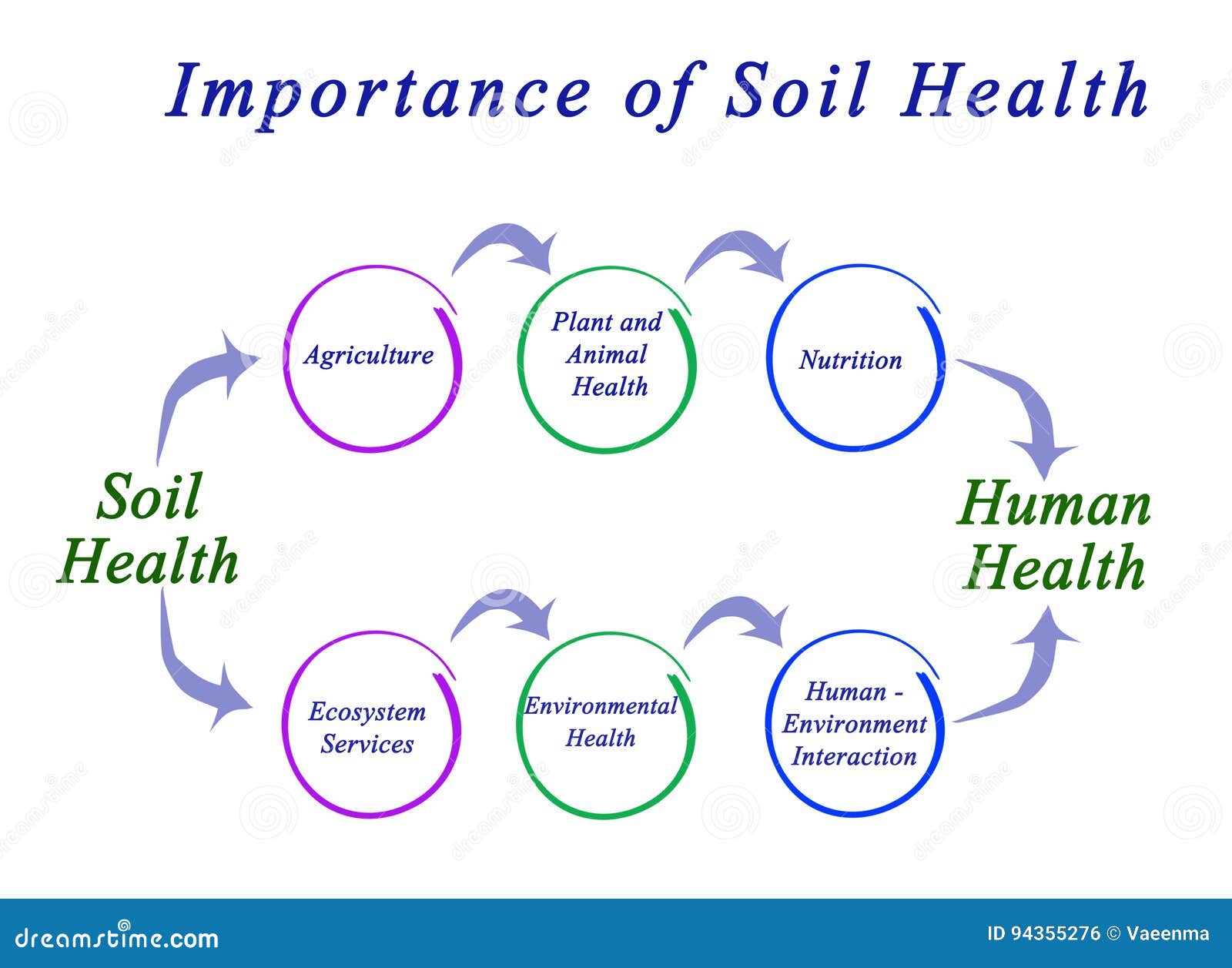
Maintaining healthy soil is crucial for optimal water retention. Incorporating organic matter into the soil can significantly improve its ability to hold moisture. Healthy soil contributes to increased efficiency when watering, reducing water loss and waste.
Evaluating Watering Results and Adjustments
Regularly Assessing Plant Health
Regularly monitor your plants for signs of overwatering or underwatering. Signs of stress, such as wilting or yellowing leaves, may indicate a need for adjustment to your watering schedule. Pay close attention to the subtle indicators of plant stress to ensure you’re on the right track. Monitoring for these telltale signs of health issues will ensure your garden thrives with the optimum level of water and nutrients.
Adapting Watering Techniques Based on Results
Be prepared to adjust your watering techniques based on the specific needs of your plants and the conditions of your garden. Conditions and needs can vary over time, ensuring you’re consistently providing the right amount of water for maximum growth and health. Understanding the needs of each individual plant and the specific soil conditions will allow you to adjust your strategies accordingly. A flexible approach ensures optimal watering efficiency in your garden.
Innovative Watering Technology
Using Smart Irrigation Controllers
Automated irrigation controllers can significantly improve efficiency in irrigation by adjusting watering schedules and amounts in response to weather conditions and soil moisture. With smart technology, you can gain more control over watering, ensuring your plants are watered effectively and saving significant amounts of water by preventing water waste.
Utilizing Soil Moisture Sensors
Soil moisture sensors provide real-time data on soil moisture levels, enabling accurate and efficient watering. These sensors help you tailor watering to your garden’s specific needs, eliminating guesswork and maximizing water efficiency. Using soil moisture sensors helps gardeners make informed decisions about water usage.
Optimizing Your Garden for Water Efficiency
Creating Water-Wise Garden Design
Consider the layout of your garden when designing it. Group plants with similar watering needs together to simplify your watering schedule and conserve water. Placing plants that need more water together reduces the need for multiple trips and increases efficiency.
Using Rain Barrels and Cisterns
Harvesting rainwater can reduce reliance on municipal water sources. Install rain barrels and cisterns to collect rainwater, providing a free source of water for watering your garden. Capturing rainwater is a simple, effective water-saving strategy.
Choosing the Right Garden Tools and Materials
Selecting Appropriate Watering Tools
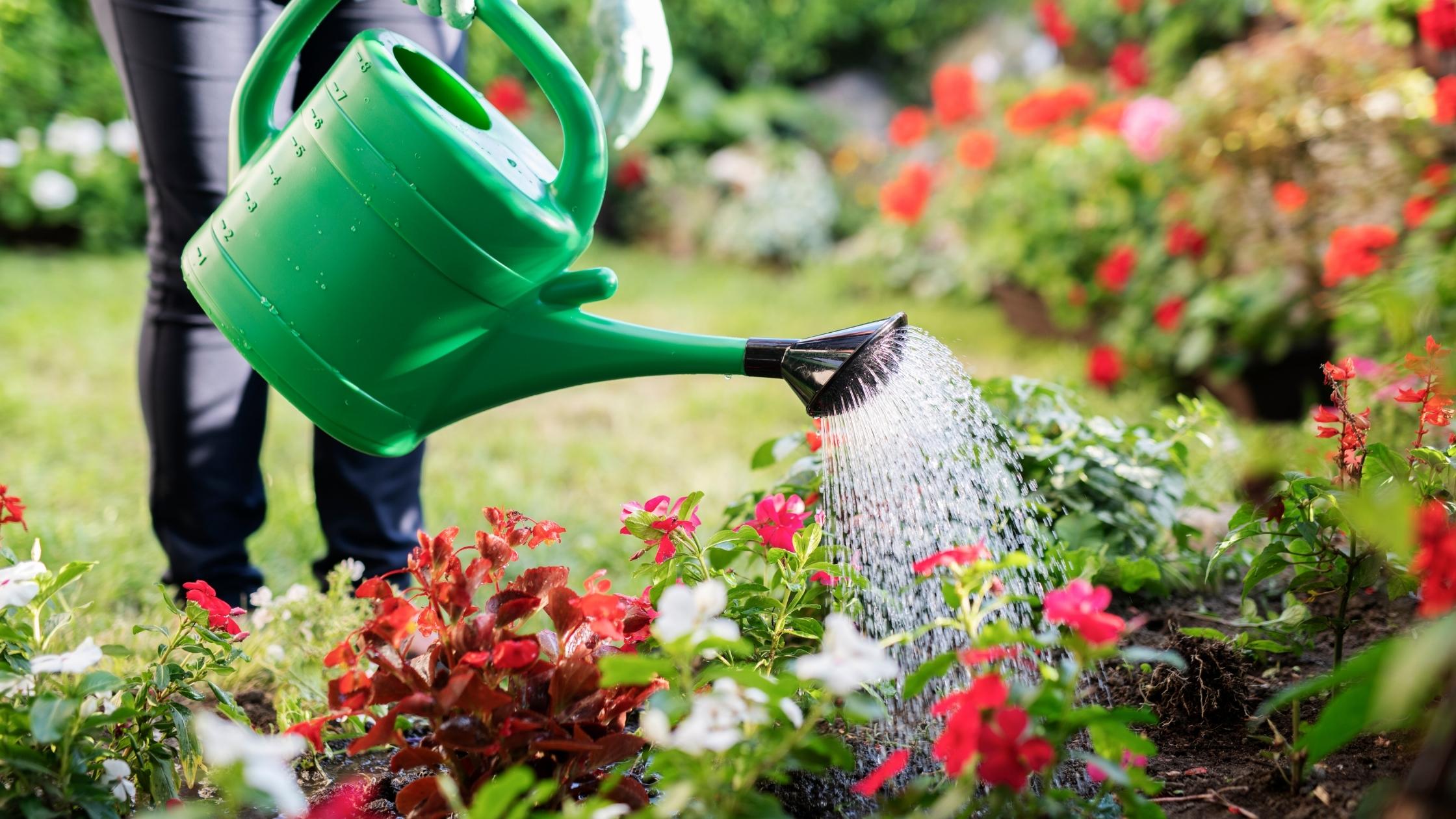
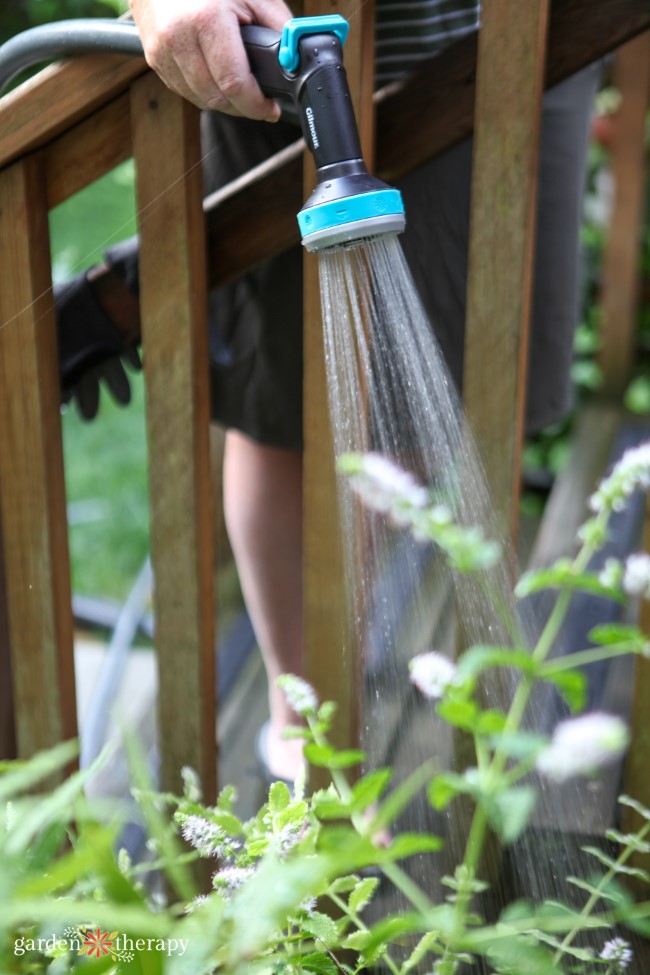
Use the right tools for your watering needs. For efficient deep watering, use a watering can with a long spout or a soaker hose. Choose the appropriate tools to fit your gardening style and maximize your time and effort.
Choosing the Best Mulch Materials
Selecting mulch that retains moisture and is well-suited to your plants is essential for water conservation. Choose mulch that suits your plants and garden style to maximize efficiency and ease of application.
Frequently Asked Questions
How often should I water my garden during different seasons?
Watering frequency depends greatly on factors like plant type, soil type, and climate. During the hot summer months, you’ll likely need to water more frequently than in the cooler winter months. Consider using a soil moisture meter to gauge the soil’s dryness. A general rule of thumb is to water deeply but less frequently to encourage deep root growth, leading to more resilience in your plants. This approach is especially helpful during hotter and drier periods, where water conservation is essential.
What are the signs that my plants need more water?
Notice wilting, especially during the midday hours. Check the soil moisture by digging a few inches down; if it’s dry, your plants likely require additional watering. You might also observe a general decline in plant vigor. A plant that is losing leaves or exhibiting signs of stress is often a clear sign of insufficient hydration. Additionally, consider the specific needs of your plant species; some plants are more susceptible to drought stress than others, and these signs might manifest sooner.
What are the different types of irrigation systems available for watering gardens?
Several types of irrigation systems are available, each offering distinct benefits. Drip irrigation delivers water directly to the roots, minimizing water loss to evaporation and runoff. Sprinkler systems offer broad coverage, but can be less efficient. Soaker hoses are another excellent choice, applying water slowly and evenly to the soil surface. The best option for you will depend on your garden’s size, layout, and your budget. Choose the system that best fits your needs and resources for maximizing water efficiency.
What are some specific tips for watering plants during the hottest part of the day?
Watering plants during the hottest part of the day can lead to rapid water evaporation. To reduce water waste, try watering in the early morning or late evening when the temperatures are cooler. This allows the water to penetrate the soil more effectively, reducing the amount lost to evaporation. Choosing these optimal watering times and employing appropriate techniques not only conserves water but also promotes healthy root development.
In conclusion, efficient watering techniques are vital for a thriving garden. By understanding your plants’ specific needs, implementing the right watering methods, and using tools to monitor water usage, you can cultivate a healthy and productive garden while conserving resources. Remember to regularly assess your garden’s needs and adjust your approach as necessary. This comprehensive guide provides a strong foundation for nurturing your garden successfully. Ready to unlock your garden’s full potential? Dive into our resources for more in-depth information and practical tips!