Concrete finishing techniques are critical in achieving the perfect surface for diverse applications. A beautifully finished concrete surface can transform a space, from a stunning driveway to a modern kitchen countertop. However, many homeowners and contractors struggle with achieving the desired aesthetic and durability. This comprehensive guide will explore diverse concrete finishing techniques, helping you understand the methods, tools, and procedures to achieve flawless concrete surfaces.
This article delves into the most effective concrete finishing techniques, highlighting crucial steps and potential challenges. We’ll discuss various methods, providing practical insights and actionable advice. We’ll also cover the selection of tools, ensuring you have the right equipment for the task. We’ll also discuss crucial factors influencing the quality of concrete finishing and offer real-world examples for successful project completion.
Understanding Concrete Finishing Methods
Different Types of Concrete Finishes
Concrete finishing encompasses a broad spectrum of methods, from simple troweling to intricate techniques like staining and texturing. Each method produces a distinct aesthetic and has implications for the durability and long-term performance of the concrete. Some common methods include:
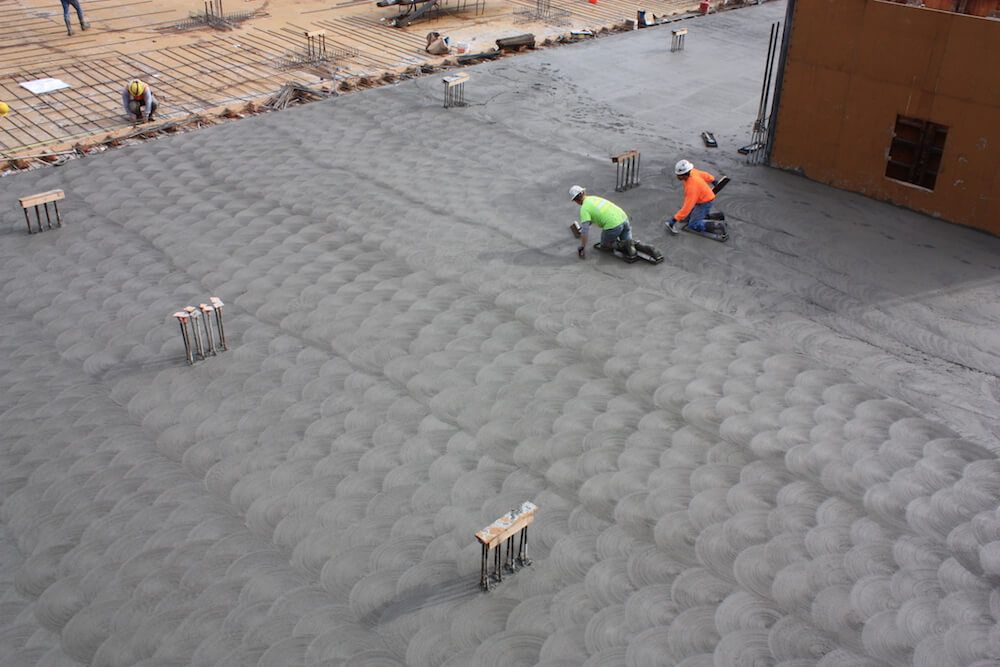
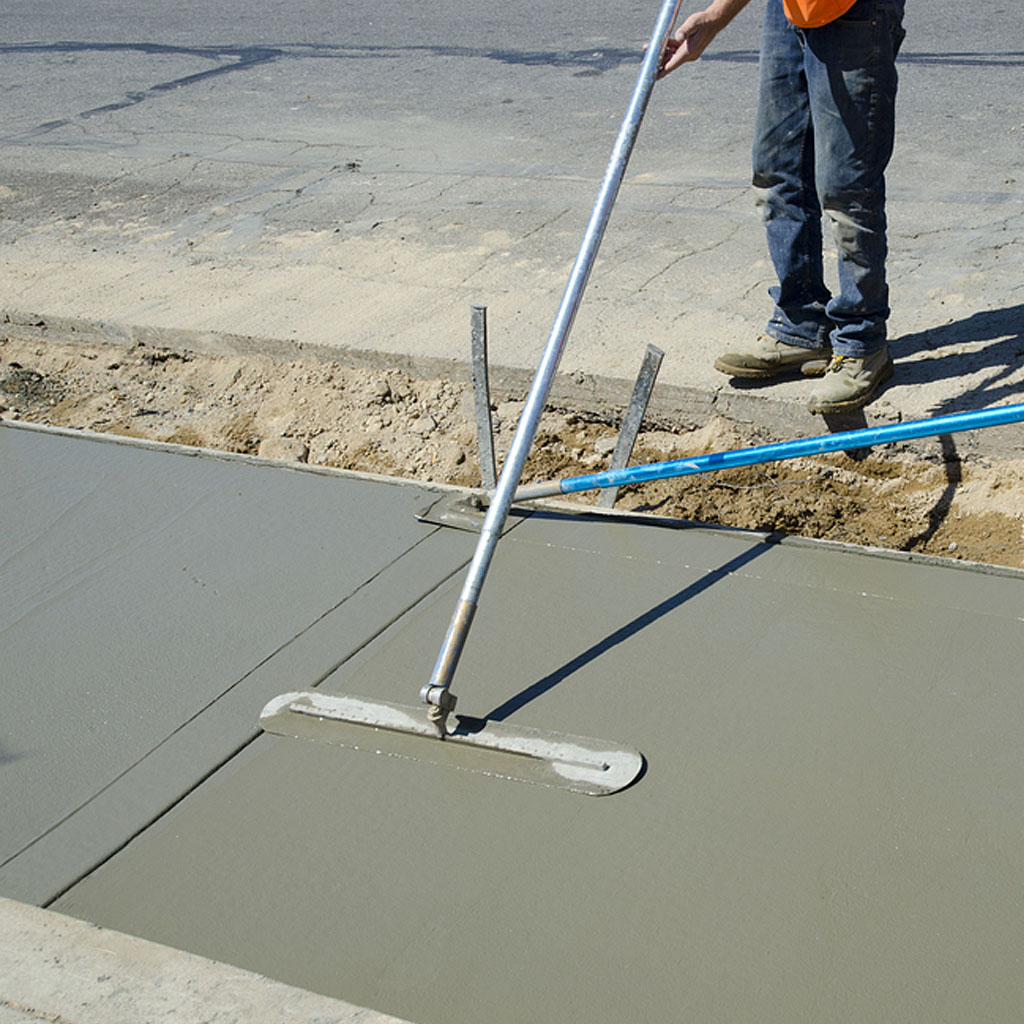
- Troweling: A foundational technique, troweling smooths out the concrete surface.
- Floating: This method further refines the surface by leveling any inconsistencies.
- Texturing: This creates a patterned or sculpted surface, offering visual appeal and enhancing texture.
- Polishing: This technique creates a highly reflective and polished surface, ideal for high-traffic areas. It can require special tools and techniques.
- Stamping: Applying specialized molds to the concrete surface results in unique patterns. This can create a variety of looks, from stone to wood.
- Coloring: Using dyes to achieve different color hues in concrete is a popular method.
Choosing the right technique relies heavily on the intended use and desired aesthetic.
Preparing the Concrete Surface
Critical Steps in Concrete Surface Preparation
Thorough surface preparation is paramount for achieving a superior concrete finish. Improper preparation can lead to cracking, unevenness, or other imperfections, significantly impacting the longevity and aesthetics of the project. Crucial steps include:
- Removing debris: All loose materials, such as stones, sticks, and dust, must be carefully removed.
- Leveling: Ensure the concrete surface is as level as possible to prevent future issues. This often involves using a self-leveling compound.
- Moisture Control: Adequate moisture control is essential in preventing further shrinkage or cracking issues.
- Curing: Proper curing is critical for strength and durability.
These preparatory steps lay the groundwork for a flawless concrete finish.
Selecting the Right Tools
Essential Tools for Concrete Finishing
The appropriate tools significantly influence the quality of your concrete finishing project. Selecting the right tools ensures efficiency and a high-quality final product. Consider these factors:
- Trowels and floats: For basic smoothing and leveling. Different sizes and types are suitable for various applications.
- Texturing tools: For specific patterns, including specialized texture stamps and stamps.
- Grinders and sanders: For more complex surface treatments and smoothing uneven surfaces.
- Power tools: Consider using specialized tools for efficient and effective results.
- Safety gear: Never forget safety gear like goggles, gloves, and respirators.
These considerations are critical in ensuring efficient work with minimal mistakes.
Applying Concrete Finishes
Steps for Achieving a Smooth Concrete Surface
Applying the chosen finish correctly is critical. The correct application ensures a high-quality finish. This may vary depending on the chosen technique, but some common steps include:
- Preparation: Clean and prepare the concrete surface.
- Application: Using appropriate tools and techniques for the chosen finish.
- Finishing touches: Ensuring evenness, minimizing imperfections, and maintaining a consistently high standard.
- Curing: Allow adequate curing time for the concrete to properly set.
Properly following the steps can significantly improve the overall look and feel.
Maintaining Concrete Surfaces
Key Considerations for Long-Term Durability
Proper maintenance plays a pivotal role in prolonging the lifespan and preserving the aesthetic appeal of concrete surfaces. Consider these factors for long-term durability:
- Cleaning: Regular cleaning with appropriate detergents prevents dirt and grime build-up, preserving the visual appeal and extending the longevity of the surface.
- Sealing: Applying sealant to the concrete surface protects it from stains, water damage, and other environmental elements. This enhances durability, especially in high-traffic or moisture-prone areas.
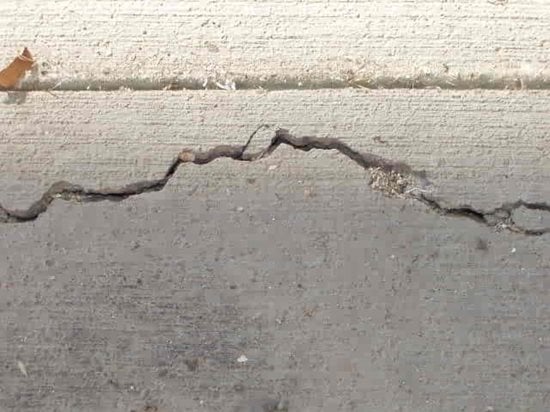
- Repairing Damage: Addressing any cracks or damage promptly prevents further deterioration and preserves the structural integrity of the concrete.
- Maintenance schedule: Developing a consistent maintenance schedule will ensure the longevity of the concrete surface.
Concrete Finishing Case Studies
Real-World Examples of Successful Projects
Numerous real-world applications illustrate the successful application of concrete finishing techniques. A concrete patio can be designed with decorative finishing. Here are some practical examples:
- Driveway: A smooth, polished driveway enhances curb appeal and provides a durable surface for vehicles.
- Flooring: Concrete flooring, with various finishes, adds a contemporary feel to commercial settings.
- Walls: Decorative concrete finishes provide an interesting texture on walls, enhancing aesthetic appeal and durability.
These examples highlight the versatility of concrete finishing.
Best Practices in Concrete Finishing
Tips for High-Quality Concrete Projects
Several practices can elevate the quality of your concrete projects. These include:
- Using Quality Materials: Employing high-quality concrete mix and adhering to the manufacturer’s instructions contributes significantly to the final results.
- Employing Experienced Professionals: Professionals possess the knowledge and experience to handle complex projects and provide valuable guidance.
- Adhering to Safety Procedures: Safety measures are paramount to protect workers from potential hazards.
- Budget Planning: Budget considerations should be addressed upfront to avoid unforeseen costs during the project.
These strategies will contribute to success.
FAQs on Concrete Finishing Techniques
What are the most common concrete finishing techniques?
Several methods are available, from simple techniques like troweling and floating to more complex options like texturing and stamping. Each technique affects the final look and feel of the concrete, influencing the durability and appearance. Proper selection depends on the specific project requirements and desired aesthetic.
How do I choose the right concrete finishing tools and equipment?
The appropriate tools depend on the chosen technique and the desired result. For simple jobs, basic trowels and floats might suffice. However, more complex finishes, like stamping or texturing, require specialized equipment. Thorough research and selection are crucial for optimal results and safety.
What are the factors that influence concrete surface quality?
Various factors influence the quality of a concrete surface. These include the mix design, curing process, and environmental conditions during and after pouring. Proper attention to these factors ensures a smooth and durable surface.
In conclusion, mastering concrete finishing techniques is crucial for achieving a durable and aesthetically pleasing concrete surface. By understanding the various methods, choosing the right tools, and adhering to proper procedures, you can elevate your concrete projects and create exceptional results. For further assistance or to explore advanced techniques, consult with experienced concrete professionals. Explore our resources and let’s build your concrete masterpieces together!