Lightweight concrete is a revolutionary construction material gaining traction globally. Its unique properties make it a highly desirable option for numerous projects, promising cost savings, environmental benefits, and enhanced structural performance. This article delves into the advantages and diverse applications of lightweight concrete, exploring how it addresses key construction challenges. We’ll investigate the different types of lightweight concrete, the underlying science behind its properties, and concrete examples to highlight its practical benefits and potential impacts on various sectors. We’ll guide you through the practical aspects of using lightweight concrete from understanding its composition to its applications in different types of structures. Finally, we’ll address frequently asked questions to demystify the material and empower you to make informed decisions about its incorporation into your projects.
Understanding the Fundamentals of Lightweight Concrete
What is Lightweight Concrete?
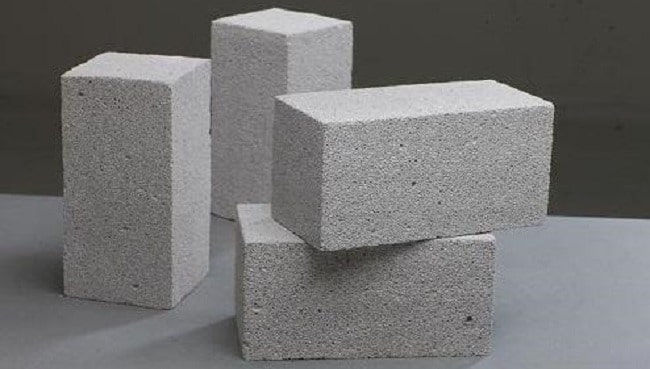
Lightweight concrete is a type of concrete that weighs less than traditional concrete, achieved by using lightweight aggregates. This distinctive characteristic leads to a range of benefits, impacting both the environmental and economic aspects of construction projects. The lighter weight directly reduces transportation costs and structural load requirements, optimizing overall project expenditure. The material is gaining increasing attention in various construction sectors due to its unique properties and suitability for a wide range of applications.
Exploring the Advantages of Lightweight Concrete
Enhanced Structural Efficiency
Lightweight concrete boasts significant advantages in terms of structural efficiency. Its lower weight translates to reduced structural loads, enabling the construction of more slender and cost-effective structures. This is particularly valuable in high-rise buildings, bridges, and other infrastructure projects where load-bearing capacity is a primary concern. For example, in a high-rise project, using lightweight concrete can drastically reduce the amount of steel reinforcement required for load-bearing walls. This translates to lower material costs and a reduced environmental footprint compared to using conventional concrete.
Cost-Effectiveness
The reduced material weight associated with lightweight concrete translates to significant cost savings during transportation and handling. Lower transportation costs are a direct benefit, saving both time and money. The lower load-bearing requirements also allow for the use of less steel reinforcement, contributing to further cost savings. This is particularly attractive in projects where material costs are a significant concern. In addition, quicker construction times due to the reduced material weight may also contribute to a faster return on investment.
Applications Across Diverse Industries
Construction and Infrastructure
Lightweight concrete finds widespread use in infrastructure projects, including bridges, roads, and buildings. Its exceptional strength-to-weight ratio enables the construction of longer spans and taller structures with less material. For example, lightweight concrete can be used as an alternative to conventional concrete in the construction of bridge decks and road pavements. The lower weight can reduce foundation requirements, potentially minimizing construction costs and time. The application of lightweight concrete in construction is steadily gaining popularity.
Residential Construction
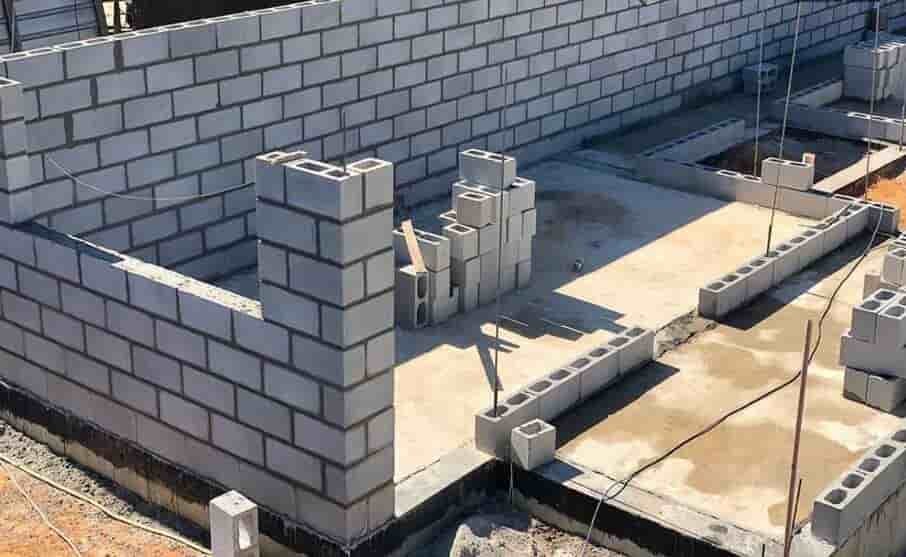
Lightweight concrete is increasingly utilized in residential construction, offering substantial cost and environmental advantages. Its low density enables the creation of lighter structures, potentially contributing to lower foundation costs. The use of lightweight aggregates, like expanded clay or fly ash, can also significantly reduce the project’s overall carbon footprint, contributing to more sustainable building practices.
Sustainability and Environmental Impact
Reduced Carbon Footprint
Lightweight concrete can significantly reduce the carbon footprint of construction projects due to its lighter weight, minimizing transportation costs and associated emissions. The reduced need for reinforcement steel also contributes to sustainability. Using recycled or by-product aggregates in lightweight concrete mixes further enhances the environmental benefits. This sustainable approach directly addresses the growing concerns regarding environmental impact in the construction industry.
Resource Efficiency
The decreased need for traditional aggregates and steel results in the efficient utilization of resources. The lower amount of heavy materials needed for construction can lead to a considerable reduction in the overall resource consumption. Moreover, the potential for using recycled or alternative aggregates in the manufacturing process directly addresses the growing need for sustainable practices in the construction industry.
Material Properties and Composition
Composition
Lightweight concrete is typically composed of Portland cement, water, and lightweight aggregates. These aggregates, such as expanded clay, fly ash, or pumice, are meticulously selected for their specific properties to achieve the desired balance of strength and density. The selection of these lightweight aggregates directly affects the final properties and characteristics of the lightweight concrete. These lightweight aggregates are often produced through specific manufacturing processes, ensuring consistency and quality throughout the concrete production.
Characteristics
Lightweight concrete exhibits a wide array of properties, dependent on the specific mix design and the characteristics of the chosen lightweight aggregates. These characteristics include compressive strength, tensile strength, durability, and thermal conductivity, factors that significantly affect its suitability for various applications.
Mix Design and Construction Considerations
Mix Design Optimization
Optimal mix design for lightweight concrete is crucial for achieving the desired balance between strength, weight, and other relevant properties. Factors such as the aggregate type and content, cement type, and water-cement ratio must be carefully considered during the mix design process. Different mixes will produce differing material properties, impacting the final application of the concrete.
Future Trends and Developments
Research and Innovation
Ongoing research and innovation aim to further optimize the properties of lightweight concrete, potentially leading to new applications in the field. Research into advanced mixing techniques and new types of lightweight aggregates may yield further improvements in the efficiency of using lightweight concrete.
Technological Advancements
Technological advancements in concrete manufacturing are also influencing the future development of lightweight concrete. This includes advancements in 3D printing technologies, which may potentially enhance the speed and accuracy of producing lightweight concrete structures.
Case Studies and Examples
Bridge Construction
Numerous bridge construction projects have successfully utilized lightweight concrete, capitalizing on its unique properties. A notable example includes the construction of a bridge in [Location], which highlighted the advantages of lightweight concrete in achieving substantial cost savings through reduced material weight and transportation costs.
Conclusion of Lightweight Concrete Analysis
Summary
Lightweight concrete represents a revolutionary approach to construction, combining superior performance with economic and environmental advantages. Its unique properties and cost-effectiveness position it as a leading contender among construction materials. Its diverse applications demonstrate its adaptability to various projects.
Future Impact
The continued research and development in the field of lightweight concrete will likely lead to even greater efficiencies and improvements in the coming years. Innovations in manufacturing and design will further unlock the potential of lightweight concrete, driving innovation in construction and infrastructure projects worldwide.
Frequently Asked Questions
What are the different types of lightweight concrete?
Lightweight concrete comes in various types, each with its own unique properties and applications. Common types include expanded clay aggregate concrete, fly ash concrete, and pumice concrete. Each type leverages different lightweight aggregates to achieve the desired strength and density characteristics. For example, expanded clay aggregate concrete uses expanded clay as a replacement for a portion of the standard aggregates, reducing the overall weight while maintaining structural integrity. The specific type chosen depends on the project’s specific requirements and the available resources.
In conclusion, lightweight concrete offers a compelling solution for various construction applications, boasting advantages in terms of cost-effectiveness, sustainability, and performance. From residential buildings to infrastructure projects, its versatility makes it a valuable material to consider. Further research into innovative applications and advanced manufacturing techniques will undoubtedly lead to even greater advancements in the field of lightweight concrete. To learn more about the specific needs of your project and how lightweight concrete can benefit your construction goals, contact a qualified structural engineer or material specialist. They can help you determine if lightweight concrete is the right solution for your needs.