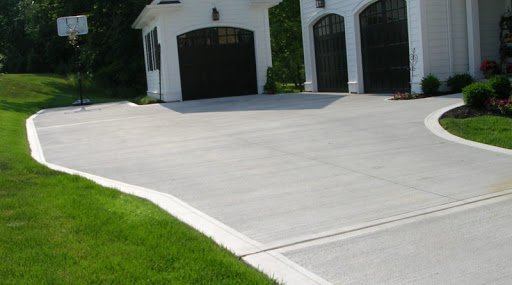
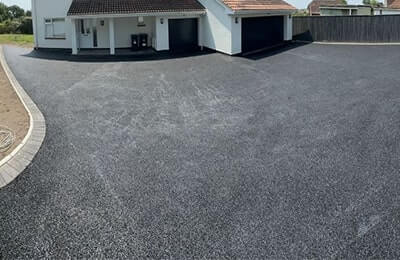
Concrete driveways are a fundamental part of many homes, offering a functional and often aesthetically pleasing entryway. They provide a durable surface for vehicles, and a strong first impression for your property. However, pouring a concrete driveway requires careful planning and execution to ensure it lasts for years to come. This comprehensive guide will walk you through everything you need to know before you pour your concrete driveway, from initial planning to final finishing touches. We’ll delve into design considerations, material selection, installation techniques, and crucial maintenance tips to help you make the right choices and avoid potential pitfalls. Let’s explore the essential factors in building a robust and attractive concrete driveway.
Understanding Concrete Driveway Design
Choosing the Right Concrete Driveway Style
There are several different styles of concrete driveways to choose from, each offering its own unique advantages and disadvantages. Understanding these options is critical for selecting the perfect design for your property. These differences can impact not only the aesthetic appeal, but also the practicality and longevity of your driveway.
- Straight Driveways: Often chosen for their simplicity and efficiency, straight driveways are suitable for properties with a linear layout. They offer a streamlined look and can be quite practical in terms of construction
- Curved Driveways: Curved driveways can add a touch of elegance to a property, particularly those that are visually interesting or need more maneuvering space
- Driveways with Features: Incorporating features like decorative edging, colored aggregate, or stamped patterns can personalize your concrete driveway and increase its visual appeal. These features can also add resilience to certain parts of the driveway and potentially increase its lifespan
Planning the Layout and Dimensions
Careful consideration of the layout and dimensions of your concrete driveway is vital to ensure its functionality and effectiveness. Calculating the precise dimensions ensures sufficient space for your vehicles to maneuver while also accommodating any pedestrian traffic. Taking into account existing landscaping or utility features is essential for efficient design.
The layout must accommodate vehicular needs. For example, consider the turning radius of your vehicles and sufficient maneuvering space to safely turn into your driveway. Consult with a surveyor or engineer if you are working with a complicated site.
Selecting the Right Concrete Materials
Choosing Concrete Mix and Additives
The type of concrete mix and the choice of additives directly affect the quality and durability of your driveway. Different concrete mixes have different strengths, and the choice depends largely on the anticipated traffic load and potential stresses. The use of additives can enhance the workability, durability, or color of the concrete.
High-quality Portland cement is usually recommended for driveways due to its compressive strength. Choosing the appropriate aggregate type—for example, gravel or stone—contributes to both the overall look and longevity of the concrete. You’ll also want to consider the use of admixtures such as plasticizers or water reducers to optimize the concrete’s consistency and properties.
Concrete Thickness and Reinforcement
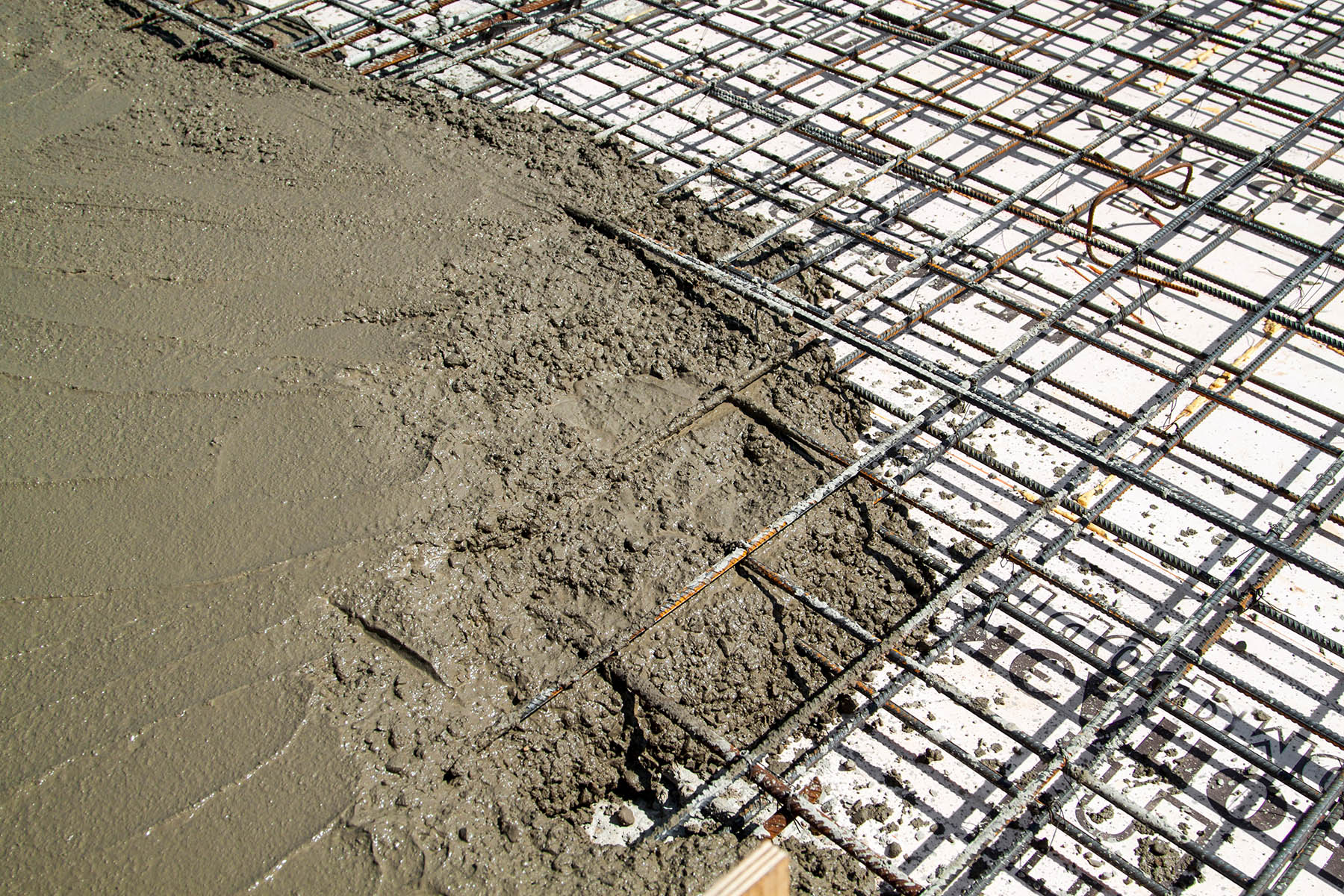
The thickness of the concrete slab is directly related to its load-bearing capacity. Thicker slabs provide greater durability against the stresses of heavy vehicles and can lead to a longer lifespan of your driveway. Reinforcement with steel bars, also known as rebar, is a key element that enhances the tensile strength of the concrete and helps to prevent cracking under pressure, particularly in areas where heavier loads are anticipated, such as garages.
Consider using appropriate rebar spacing for durability, and consider the expected traffic patterns when choosing the thickness. A professional concrete contractor can help determine the best thickness and reinforcement options for your specific needs, ensuring structural integrity.
Concrete Driveway Installation
Preparing the Subgrade
A strong subgrade is crucial to the success of any concrete driveway. Improper preparation can lead to settling, cracking, or other issues down the line. It’s important to carefully compact the subgrade, removing any debris, and ensuring a level surface. Appropriate drainage will also prevent water pooling and future damage to the concrete. This foundation is vital, acting as a stable base for the concrete slab.
Compaction is necessary for a level and even surface. Poor compaction often results in uneven settling of the concrete over time. Using a soil compactor is essential, and ensure the entire area is compacted evenly.
Pouring the Concrete
Proper concrete pouring techniques are crucial for a smooth and consistent finish. Using the correct tools ensures uniformity and can dramatically affect the final results.
The concrete should be properly leveled and finished after pouring, ensuring a professional and attractive aesthetic. Allow sufficient time for the concrete to cure properly. The curing process needs adequate monitoring, and following the manufacturer’s recommendations will enhance the concrete’s overall strength and durability.
Finishing Touches
Applying a sealant or finishing coat can enhance the appearance and longevity of your concrete driveway. This is critical for the durability and longevity of the driveway and its resistance to the elements.
Various finishes are available, from a smooth surface to a more textured appearance. Choosing the correct finishing method will ensure a visually appealing and weather-resistant driveway.
Maintaining Your Concrete Driveway
Regular Maintenance
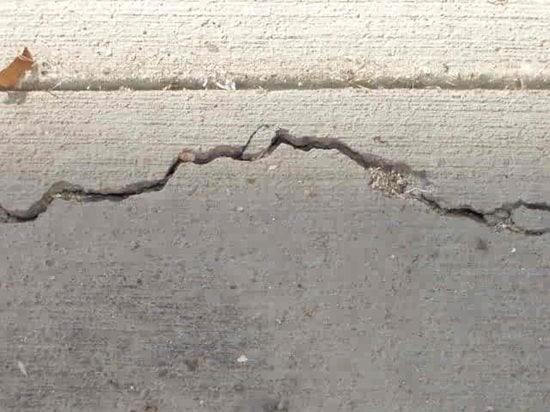
Preventing damage is crucial to maintaining the integrity of your concrete driveway. Regular maintenance practices, like checking for cracks or signs of damage, and promptly addressing any issues will prevent costly repairs down the line. Periodic inspection and prompt repairs will prolong the life of your investment.
Keep the concrete clean by regularly sweeping or washing it. Accumulated dirt or debris can cause damage to the driveway. Cleaning, especially after harsh weather, is important for longevity
Addressing Issues Promptly
Addressing any cracks or issues as soon as they appear can prevent them from worsening and causing more extensive damage. It also prevents potential risks for accidents, such as falling hazards
Regular inspection and prompt repairs will prevent larger-scale issues in the future.
Preventing Damage From Weather
Protecting the driveway from freeze-thaw cycles and heavy rain is also vital. These conditions often lead to damage over time.
Proper drainage and maintaining the integrity of the subgrade can minimize the damage from weather and other elements.
Cost Considerations
Concrete Driveway Costs
The cost of a concrete driveway varies based on several factors, including the size of the project, the materials used, labor costs, and any additional features. Consider the added cost of materials, including aggregate, cement, and reinforcement. Professional contractors can provide estimates based on specific project details.
Labor costs also play a significant role. A more complex project or one with unusual layout will lead to higher labor costs. It’s essential to compare quotes from several contractors to ensure you’re getting a fair price.
Budgeting for Materials
The cost of materials, especially for large projects, plays a significant role. The more complex or unusual layout, the more materials will be needed.
Detailed material costs should be calculated during the preliminary project planning phases.
Budgeting for labor
The cost of labor is influenced by factors such as the complexity of the project and the geographic region. Labor costs vary significantly, and it’s important to compare quotes from multiple contractors.
Understanding these factors can lead to budgeting and estimating accurate project costs.
Concrete Driveway Alternatives
Paver Driveways
Paver driveways are an alternative to concrete driveways, offering a wide range of design options, including different materials like stone, brick, or concrete pavers. These options allow for a more visually appealing aesthetic, often providing more versatility. They are also durable, but can be more expensive than concrete in the long run.
Gravel Driveways
Gravel driveways are a more economical alternative, but they require regular maintenance and attention to drainage. They offer a simpler and potentially less expensive option.
Finding the Best Option
The most suitable option depends on your individual budget, aesthetic preferences, and the specific requirements of your property.
Final Considerations
Hiring a Professional Contractor
Hiring a professional concrete contractor is strongly recommended for any concrete driveway project. The expertise of a contractor ensures the project is completed to the highest standards and that proper safety procedures are followed.
Professional contractors have experience in all aspects of concrete driveway projects, from the initial planning to the final finishing touches.
Obtaining Permits and Approvals
Ensuring proper permits are acquired from local authorities before any concrete driveway project is critical to avoid potential delays. Local regulations vary, and contacting relevant authorities is crucial to prevent any issues.
Dealing with Potential Problems
Understanding potential problems and being prepared to address them as early as possible helps to minimize the need for future repairs and maintenance. It’s vital to understand the importance of routine inspections and prompt repairs.
In conclusion, constructing concrete driveways is a significant investment that demands careful planning and execution. Choosing the right materials, adhering to proper installation techniques, and considering future maintenance needs are crucial for a long-lasting and aesthetically pleasing driveway. Understanding the various types of concrete driveways, their advantages and disadvantages, and their suitability for different property types will help you make informed decisions. For a free quote and to discuss your driveway project, contact a reputable concrete contractor today!