Preventative plumbing maintenance is a crucial aspect of home ownership, offering significant benefits by enabling you to mitigate the need for pricey plumbing repairs. Imagine a home free from the stress and expense of sudden plumbing emergencies. This proactive approach to maintaining your plumbing system is more cost-effective than letting problems escalate into major repairs. It’s about identifying and addressing potential issues before they turn into costly problems. In this article, we’ll explore several practical preventative plumbing maintenance tips to help you avoid these issues, and will discuss how to develop a comprehensive preventative plumbing maintenance schedule for your home. We’ll dive into the importance of regular inspections and DIY checks, and provide concrete examples of how these strategies have proven successful in preventing expensive plumbing repairs.
Identifying Potential Plumbing Problems
Recognizing the Early Warning Signs
A proactive approach to preventative plumbing maintenance requires the ability to recognize the early warning signs of potential problems. These warning signs often include unusual noises emanating from your pipes, such as clicking, banging, or hissing sounds. Also, inspect for leaks around fixtures, pipes, and even under the floor, checking for dampness, discoloration, or puddles. Constant slow draining in sinks or toilets might signal a clog requiring a thorough investigation. Notice any unusual water pressure fluctuations – whether excessively high or low – as these can indicate potential blockage or other issues. You can also analyze the color and clarity of your water; cloudy or discolored water may be a sign of internal pipe corrosion or mineral deposits.
Regular Inspection and Maintenance
Establishing a Preventative Maintenance Schedule
A consistent preventative plumbing maintenance schedule is key to maintaining a healthy and efficient plumbing system. A regular plumbing inspection should be performed at least once every 6 months, though this schedule could vary depending on your water source’s quality and the specific plumbing system. During these inspections, look for any signs of leaks, clogs, or corrosion in water heaters, drains, pipes, and fixtures. Consider creating a detailed inspection checklist to ensure you cover all essential areas. Document your findings, noting any unusual sounds or leaks, so that these are addressed immediately.
Conducting DIY Checks
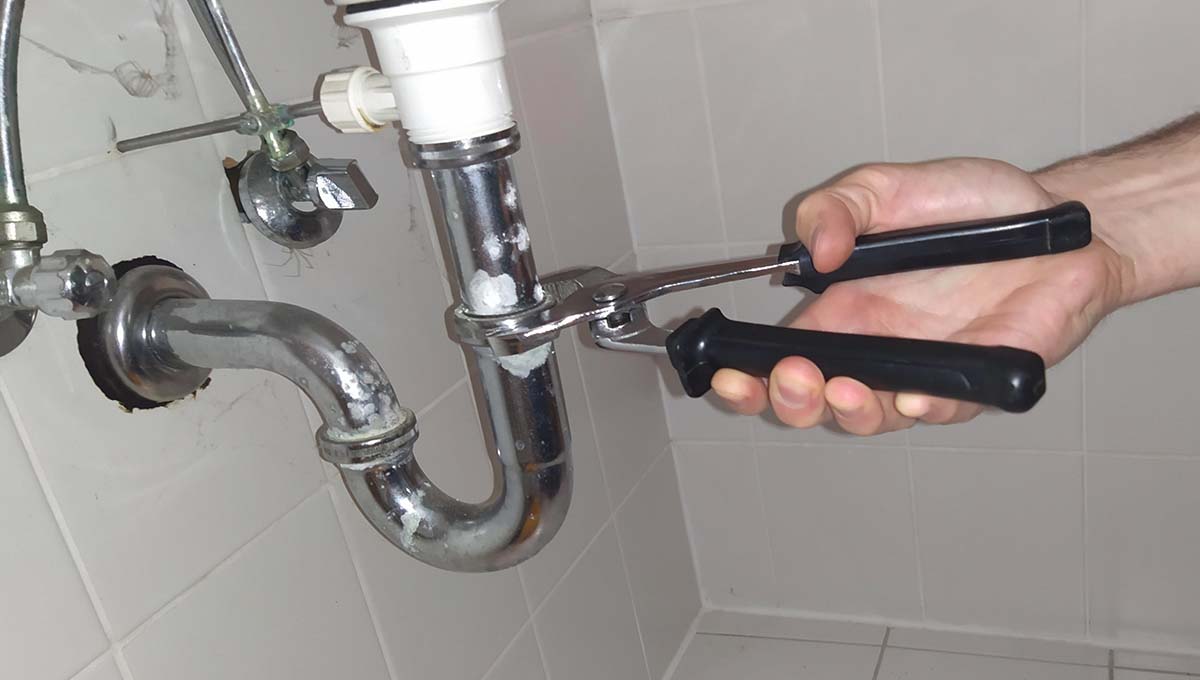
Implementing daily or weekly DIY checks can add further layers of preventative maintenance. This includes visually inspecting fixtures for leaks or drips, checking for unusual noises, and evaluating water pressure at different faucets. A simple visual inspection of the pipes and drains, paying attention to any unusual drips or leaks, can prevent costly repairs down the line.
Addressing Minor Issues Promptly
The Cost-Effectiveness of Prompt Action
Addressing minor plumbing issues quickly can save you a substantial amount of money in the long run. A small leak that is left unattended can grow into a major water damage issue, potentially causing significant structural damage to your home and costly repair bills. Fixing a dripping faucet might cost less than $20-50, but that same leak can easily cause thousands in damage if left unattended. Similarly, a minor clog can become a major blockage, leading to expensive drain cleaning services, which should be addressed early rather than letting it become a more complex issue.
Tools and Resources for DIY Fixes
Numerous tools and resources are available for tackling common DIY plumbing repairs. Your local hardware store offers a wide range of tools, from basic plumbing repair kits to specialized equipment for dealing with various types of leaks or clogs. Online tutorials and videos provide step-by-step instructions for common tasks, while online forums offer support from fellow DIY enthusiasts. Utilizing these resources and utilizing your own knowledge can save you a considerable amount of money and time.
Water Conservation Techniques
The Connection between Plumbing and Water Usage
Water conservation is a key element in preventative plumbing maintenance. High water consumption can put a significant strain on your plumbing system, leading to corrosion, leaks, and potential damage. By implementing water-saving techniques, you can decrease your plumbing maintenance costs and conserve valuable resources. In addition, efficient water usage can lower your water bills and contribute to environmental sustainability. Simple modifications, such as fixing leaky faucets, can save a substantial amount of water annually. Consider installing low-flow showerheads or faucet aerators, which help cut back on water usage, while still delivering an adequate flow.
Professional Inspections and Maintenance
Seeking Expert Guidance
While preventative DIY maintenance is essential, periodic professional inspections are equally important. A professional plumber can identify potential problems early on that you may not see during your DIY checks. An experienced plumber can perform a thorough examination of your plumbing system, ensuring your system’s components are in excellent working order and provide expert advice on potential maintenance strategies. They can also provide insight on the specific maintenance requirements based on the type of plumbing system you have and the water quality in your area.
Choosing the Right Plumbing Materials
Durability and Longevity
Choosing durable and high-quality plumbing materials is essential for ensuring a long-lasting plumbing system. Using corrosion-resistant materials, such as copper or PEX tubing, can prolong the lifespan of your plumbing system and minimize the need for replacements. This can significantly reduce your plumbing maintenance costs over time. These types of materials can withstand the effects of harsh water conditions and help prevent issues like leaks and clogs.
Water Quality and its Impact
Dealing with Hard Water
The quality of your water supply significantly impacts the longevity of your plumbing system. Hard water, rich in minerals, can cause buildup in pipes, reducing water pressure, and potentially leading to leaks and clogs. Using water softeners, though somewhat costly, can effectively mitigate the negative impact of hard water, reducing the risk of plumbing problems related to mineral deposits.
Beyond the Basics
Implementing Additional Strategies
Preventative maintenance encompasses more than just the basics. Consider installing water pressure regulators to prevent pressure surges which can damage pipes, and inspect water heater elements for rust or damage to avoid potential tank failures. Regular drain cleaning and maintenance can prevent clogs that can damage the drainage system. Regular inspections and maintenance can prevent costly plumbing problems.
Frequently Asked Questions
What are the most common causes of plumbing problems?
Plumbing problems can stem from several sources, including improper installation, inadequate water pressure, mineral deposits, and corrosion. Poor water quality can also lead to issues, such as mineral buildup that restricts water flow, and can even damage pipes over time. Additionally, incorrect pipe sizing or inadequate drainage can create slow-draining pipes and clogs. Finally, age and wear and tear are also significant factors affecting plumbing systems, necessitating periodic maintenance to address potential leaks, cracks, or clogs.
How often should I have my plumbing system inspected?
The frequency of plumbing system inspections depends on factors such as the age of your system, the type of plumbing materials, and the water quality in your area. For example, older homes or those in areas with hard water might need more frequent inspections, possibly every 3-5 years, than newer homes or those in regions with soft water. Inspections every 1-2 years are highly recommended to promptly address small issues before they escalate. You should also conduct regular DIY checks, looking for any unusual sounds or drips in between formal inspections. Consider contacting a certified plumber for a professional inspection if you notice any problems.
In conclusion, preventative plumbing maintenance is crucial for homeowners. By implementing these strategies, you can avoid costly plumbing repairs and enjoy peace of mind knowing your plumbing system is in top shape. Regular maintenance, such as checking for leaks, and addressing minor issues promptly, can save you a substantial amount of money in the long run. Schedule an inspection today to identify potential problems before they escalate. Remember, proactive maintenance often prevents future major plumbing disasters, saving you significant money and stress.