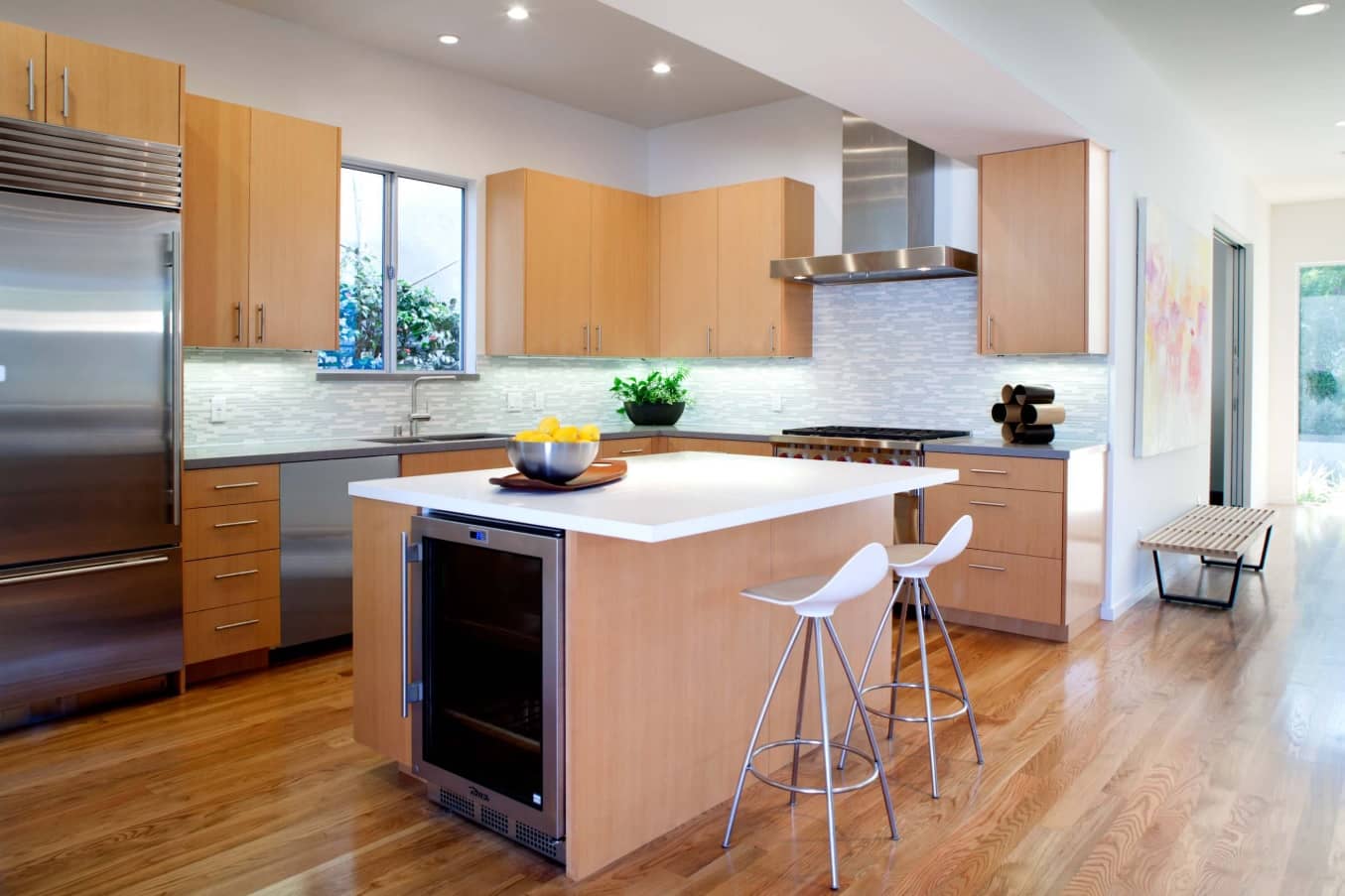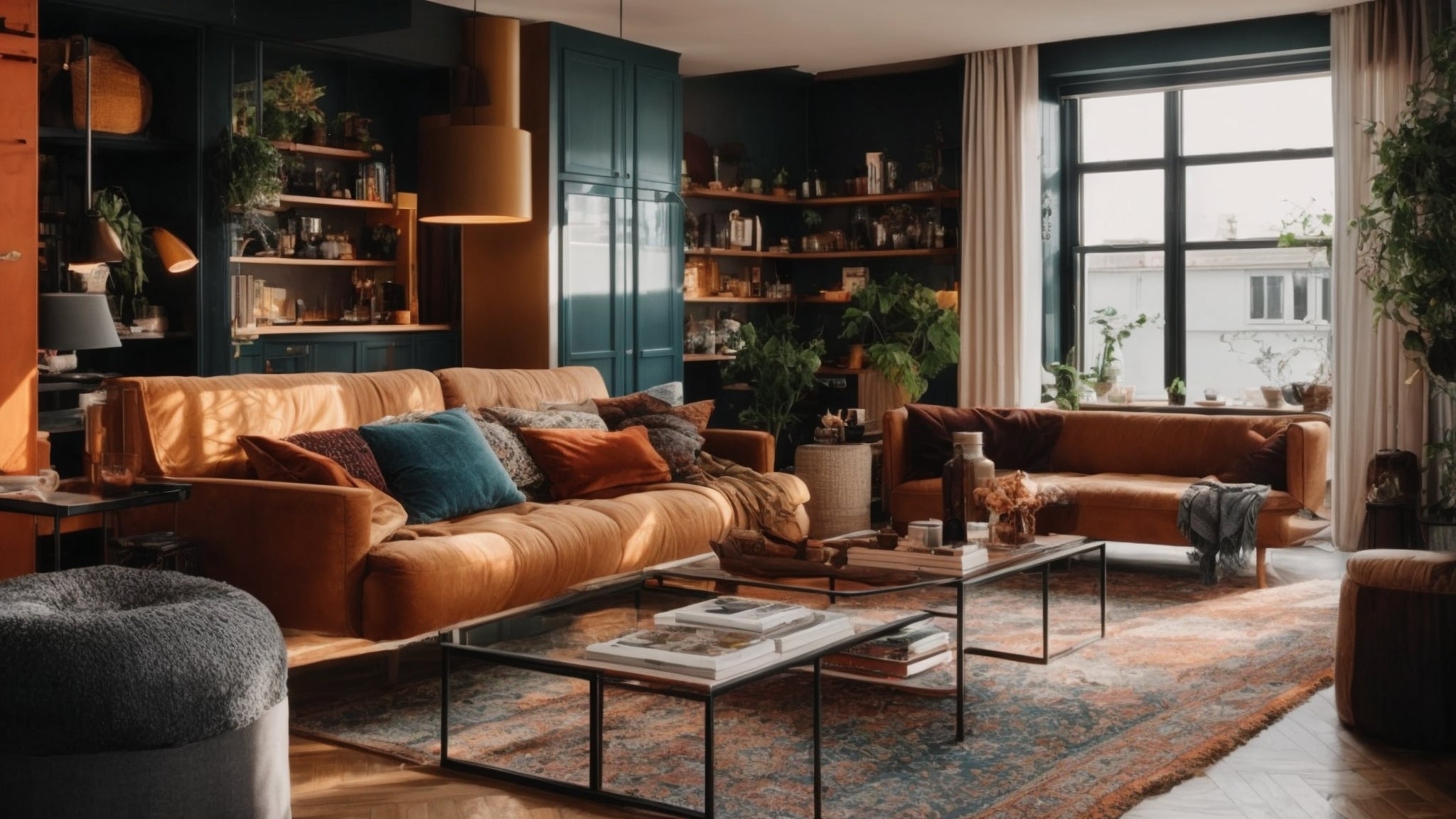
Small Space, Big Style: transforming cramped apartments and tiny homes into stylish and functional living spaces is the focus of this article. Imagine a cozy, well-designed home, brimming with style and functionality, even in a small footprint. This guide will explore the secrets to achieving this aesthetic dream. We often face challenges fitting everything we need into a compact space, resulting in clutter, a lack of personal expression, and an overall feeling of being cramped. But with smart design strategies, you can turn even the smallest living space into a sophisticated and stylish haven. This article will delve into design principles, practical tips, and insightful examples to revolutionize your small space, all while offering budget-friendly solutions. This guide is structured to take you through the key areas for creating a stylish small space, starting with maximizing space through clever strategies, incorporating natural light, and mastering storage solutions, all while keeping a budget in mind.
Maximizing Space: Clever Strategies for Small Spaces
Decluttering and Organization
Decluttering is the first step to making any space feel larger. Get rid of anything you don’t use or love. Donate items, sell them, or simply discard what is no longer serving you. Use storage solutions to conceal clutter and keep your space organized. Consider transparent storage containers to visually enhance the space while maintaining order. By decluttering, you not only improve aesthetics but also significantly reduce visual clutter. Don’t underestimate the power of effective storage for tiny homes and apartments. Look for multi-functional furniture that serves multiple purposes. A sofa bed, for instance, offers both seating and sleeping arrangements without requiring two pieces of furniture, while storage ottomans provide both seating and extra storage space. Small spaces benefit from a decluttered and orderly approach to storage.
Multi-Functional Furniture
Multi-functional furniture is a game-changer for small spaces. It saves space while serving multiple purposes. For example, ottomans with storage underneath add seating and extra storage without sacrificing floor space. A sofa bed converts into a bed for guests, saving on space. Wall-mounted desks offer workspace without needing a separate desk. This concept allows homeowners to incorporate more furniture into the design without feeling overwhelmed by crowding. Additionally, consider purchasing furniture with built-in storage, such as a bed frame with drawers for bedding and extra storage. Look at nesting tables that can be stored away when not in use. Incorporating multifunctional furniture can transform a small space into a functional home, maximizing limited square footage.
Light and Space
Clever use of light can make a small space feel larger and more inviting. Natural light is paramount in small apartments and tiny homes. Choose lighter shades for walls and furniture to maximize the reflection of light. Mirrors can also be used to create an illusion of more space. Place strategically located mirrors to reflect light and create an open feel, boosting the perception of space. For example, placing a mirror across from a window will enhance the feeling of spaciousness. Large windows or skylights are especially beneficial for maximizing natural light. By strategically using light, you can not only brighten up a small space but also make it feel much more expansive.
Incorporating Natural Light
Maximizing Natural Light
Natural light plays a vital role in creating an airy and expansive feel in small living spaces. Utilizing light-colored paints can significantly enhance the reflection of light. Mirrors, strategically placed, can bounce light around a room, making a small space feel open and airy. Open-concept designs, allowing light to flow seamlessly between different areas, are ideal for tiny homes. Large windows or skylights, if feasible, should be maximized to bring in as much natural light as possible. In addition, sheer curtains or blinds can allow the natural light to enter the space while maintaining privacy. These tactics can bring a sense of spaciousness to a small apartment, creating an environment that feels bright and inviting.
Strategically Placing Mirrors
Strategically placing mirrors in small spaces can work wonders. Mirrors not only reflect light but also create an optical illusion of more space. For example, placing a large mirror across from a window bounces light into the room, making it appear brighter and larger. Consider a mirror with a decorative frame to complement the décor. If you have high ceilings, a full-length mirror can add to the effect by creating a sense of height and visual space. Mirrors, when strategically placed, can be an invaluable tool in making a small apartment feel much more spacious and appealing. Even a small, well-placed mirror can create a significant impact in a tiny home.
Using Light Colors
Light-colored walls and furniture significantly impact a small space’s perception. Light colors reflect light better, making the room appear brighter and larger. Light colors such as light grey, beige, or white can create a sense of spaciousness. Using lighter colors can make the space feel larger, while darker colors might make it appear smaller. Choosing lighter colors like off-white or light beige allows natural light to bounce around the room effectively.
Mastering Storage Solutions
Creative Storage for Small Spaces
Creative storage solutions are vital in small spaces, maximizing every inch of available space. Vertical shelving, both open and closed, maximizes wall space for storage without sacrificing floor space. Using under-bed storage solutions, such as drawers or storage boxes, optimizes the space below the bed. Wall-mounted cabinets and shelves can provide additional storage space without taking up valuable floor space. Utilizing these vertical and wall-mounted solutions maximizes the potential of a small space.
Multi-purpose Furniture and Appliances
Multipurpose furniture and appliances offer dual functionality, saving space and creating a clutter-free environment. Consider ottomans with hidden storage underneath or beds with built-in drawers for additional storage. Compact appliances that combine multiple functionalities, like a toaster oven or a combination microwave and oven, save space and enhance the kitchen design. Opting for furniture or appliances that offer multiple functions within the same space reduces the number of appliances needed and adds to the overall functionality of the design.
Maintaining Organization
Maintaining organization is crucial in a small space. Use clear storage containers and label everything to make finding things easier. Keeping surfaces clutter-free by using trays and bowls for frequently used items keeps the area clean and organized. Regular decluttering and organizing routines are crucial to maintain a clutter-free environment and a functional small space.
Design Ideas for Small Spaces
Open-Concept Living
Open-concept living spaces create an illusion of spaciousness, especially useful in tiny homes and apartments. Use furniture and décor to enhance the connection between different living areas, such as the kitchen and living room. Open floor plans are a staple for open-concept living.
Minimalist Style
Adopting a minimalist design approach can drastically reduce visual clutter. Choose simple furniture shapes and avoid intricate details. This approach emphasizes clean lines and neutral colors for a timeless and spacious feel. Minimalist aesthetics can be ideal for maximizing space in compact areas.
Incorporating Greenery
Plants add a pop of color and life to any space, making a small room appear more inviting and spacious. They can also improve air quality. Potted plants, strategically placed, can enhance the aesthetic appeal and vibrancy of a compact living area.
Budget-Friendly Design Solutions
Repurposing Furniture
Repurposing old or unwanted furniture into new pieces is an inexpensive way to give your home a fresh look. For example, turning an old dresser into a stylish storage unit or painting an old chair to match the desired aesthetic is a cost-effective solution.
Using Affordable Materials
Choose affordable yet high-quality materials like laminate, which offer a great selection of styles and colors that match the desired aesthetic. Use readily available, affordable materials like laminate or paint to create a visually appealing and functional design.
DIY Projects
DIY projects are an inexpensive way to add a unique touch to your décor. Making your own wall art or custom-designed curtains can showcase creativity and enhance the unique style of your small space.
Color Schemes and Textures for Small Spaces
Neutral Color Palettes
Neutral color palettes are a great choice for small spaces as they create a sense of calm and spaciousness. Light colors such as white, beige, or light gray, used on walls and furniture, reflect light, making the room feel brighter and larger.
Incorporating Texture
Using textures and patterns can add depth and visual interest without overwhelming the small space. Introduce different textures and patterns, but avoid overly busy ones, to add depth and visual interest without making the space feel cramped.
Creating Focal Points
Using a focal point, such as a unique piece of art or a statement fireplace, will draw attention away from the room’s limitations and create visual interest.
Examples of Successful Small Space Design
Case Study: Tiny Home Design
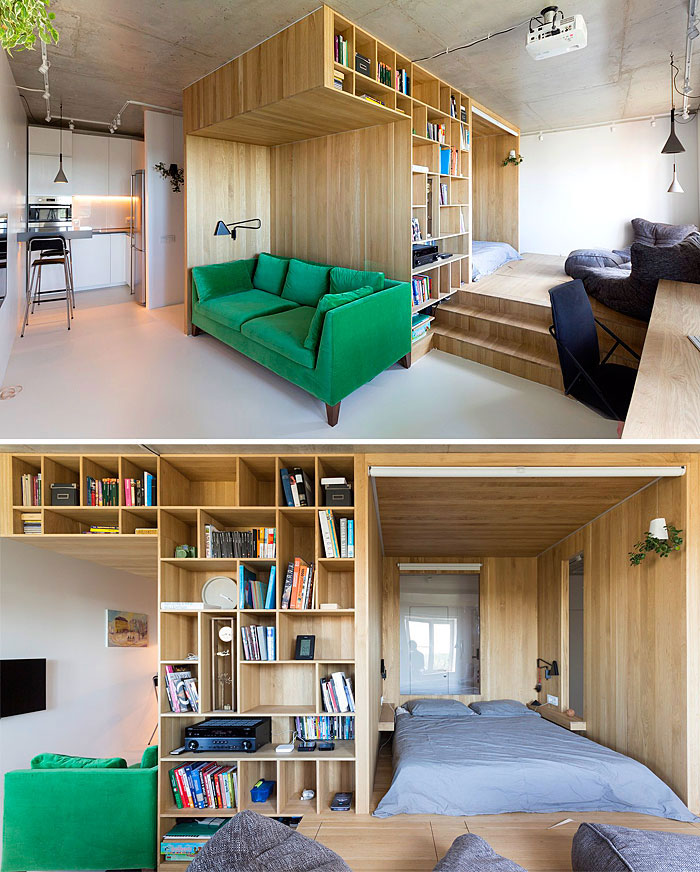
Numerous tiny homes demonstrate effective small space design. Utilizing every inch of space, from lofted beds to integrated storage, often creates a sense of community between areas. These homes usually prioritize function over extravagance, making the most of their limited space. A great example of a tiny home is one found on Tiny House Blog or Tiny Home Magazine. Each demonstrates how to make a small space seem larger through thoughtful design. Consider their layout, furniture selection, and color schemes.
Case Study: Multifunctional Apartment Design
Small apartments are often designed with an open concept or with multi-functional furniture. Modular furniture that converts from a sofa to a bed or dining table to a workspace saves space and improves functionality. These apartments demonstrate the value of creative design to maximize space and offer efficient living.
Inspiration and Resources
Online Resources
Numerous online resources offer design inspiration and practical advice for small spaces. Follow design blogs and magazines for ideas and tips on creating stylish and functional living spaces. Websites specializing in interior design, small apartment ideas, or tiny home design offer valuable inspiration.
Design Professionals
Consulting with interior designers can be beneficial for small spaces. Professional interior designers can provide personalized advice to maximize space and meet specific needs. Their experience can guide you through creating a space tailored to your needs, maximizing space, light, and storage. Consider working with a tiny house or apartment-specific designer.
Important Considerations
Maintaining Functionality
Prioritize functionality in small space design. Choose furniture and accessories that serve multiple purposes and maximize the available space without compromising usability. Avoid overcrowding the space with unnecessary items. Maintain an open and airy atmosphere with minimalist design elements.
Budget Considerations
Budget plays a significant role in small space design. Choose cost-effective solutions and prioritize items that enhance your living space most effectively. Consider the value and utility of each item in your living space and don’t overspend on nonessential items.
Maintenance
Regular maintenance is crucial for small space design. Maintain cleanliness by regularly organizing and decluttering to ensure a clear and airy feel. Clean regularly to maintain functionality and maintain a visually appealing small space, boosting its overall style and appeal.
“`json
[
{
“question”: “What are some cost-effective strategies for small space interior design?”,
“answer”: “Cost-effective strategies are key for small spaces. Consider second-hand furniture or vintage finds; they can add character and unique style without breaking the bank. Repurposing existing furniture is another budget-friendly option—think of transforming an old dresser into a stylish storage unit. Finally, focus on multi-functional furniture—pieces that serve multiple purposes, like ottomans with storage or beds with built-in drawers—can drastically maximize space and save money.”
},
{
“question”: “How can I incorporate natural light effectively in my small space?”,
“answer”: “Maximizing natural light is crucial for creating a spacious and airy feel. Mirrors can be strategically placed to reflect light around the room, creating an illusion of expansiveness. Choose light-colored paint and fabrics, as they reflect light more effectively than dark colors. Consider sheer curtains or blinds to allow light to filter through while maintaining privacy.”
},
{
“question”: “What are some creative storage solutions for small spaces?
“,
“answer”: “Clever storage solutions are vital for small spaces. Vertical shelving is a great option for maximizing vertical space, and ottomans or benches with storage underneath can create extra seating and storage areas. Use under-bed storage solutions and wall-mounted cabinets to optimize every inch of space. Ensure your storage solutions are aesthetically pleasing and complement your décor to maintain a cohesive look.”
}
]
In conclusion, maximizing style in small spaces hinges on smart planning, innovative choices, and a keen eye for detail. This guide has equipped you with the tools to unlock your apartment’s or tiny home’s full potential. Embrace the challenge, and create a living space that’s both functional and fashionable! Ready to design your dream tiny home or apartment? Explore our curated selection of stylish furniture and décor to inspire your next project! Contact us today for personalized advice!