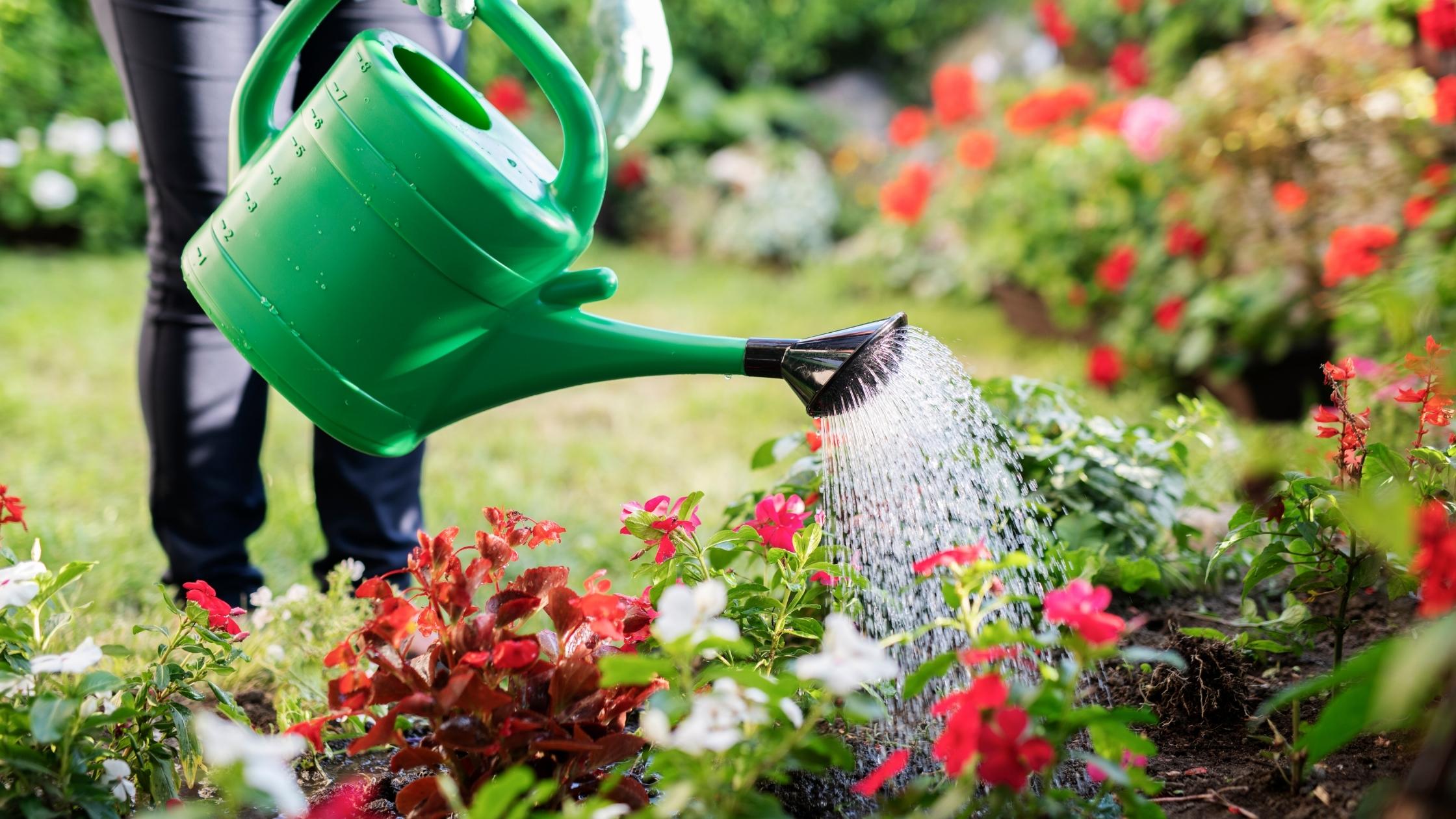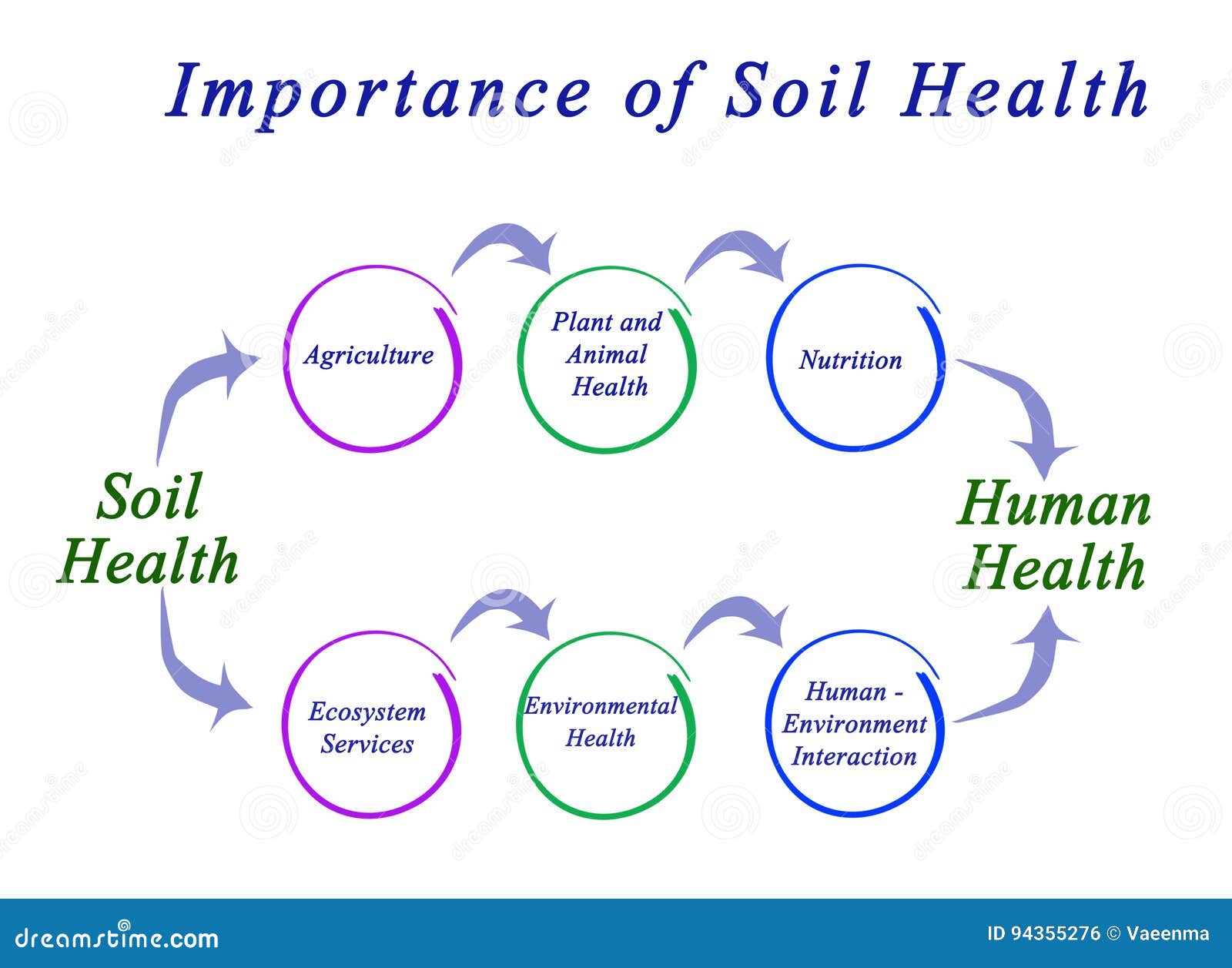
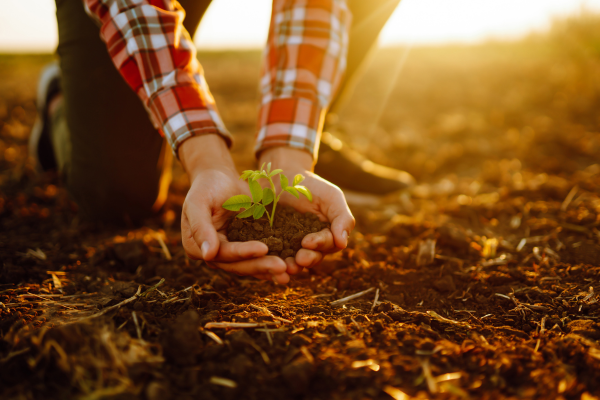
Soil health is the cornerstone of a vibrant and thriving garden. A healthy soil is essential to robust plant growth and sustainable gardening practices. However, many gardeners overlook the crucial role of soil health and consequently struggle with weak plant growth, pest infestations, and nutrient deficiencies. This comprehensive guide will explore the profound importance of soil health in your garden, providing practical steps to improve and maintain it. We’ll delve into the role of organic matter, beneficial soil microbes, and appropriate soil structure. This article is structured into key sections outlining these components and offering actionable advice for improvement.
The Foundation of Healthy Plant Growth
Understanding the Importance of Soil Structure
Healthy soil structure is more than just a pretty appearance; it’s fundamental to a flourishing garden. When soil particles clump together, they form aggregates – spaces that allow for proper aeration, drainage, and water infiltration. This structure allows oxygen to reach the roots, essential for respiration, while maintaining adequate moisture, crucial for photosynthesis. These air-filled spaces also permit the penetration of beneficial soil organisms, further enhancing nutrient availability and boosting overall soil health. Proper soil structure is essentially a microhabitat for these beneficial organisms that are an invaluable part of the soil ecosystem. Poor soil structure, on the other hand, can lead to compacted soil, restricting root growth and limiting nutrient accessibility for the plants.
The Role of Organic Matter
Soil organic matter is the lifeblood of a thriving garden. It’s the decomposed remains of plants and animals, providing a wealth of nutrients and improving soil structure. Organic matter enhances water retention and aeration, preventing both waterlogging and dryness. Furthermore, it acts as a reservoir for plant nutrients, gradually releasing them as needed. By incorporating organic matter into the soil, you’re essentially providing a readily available food source for beneficial microbes, which in turn improves the soil’s overall health and fertility. A study by the University of California Davis found that gardens with higher levels of organic matter experienced a 25% increase in plant growth compared to those with lower organic matter content.
Enhancing Soil Fertility
Importance of Beneficial Microbes
Beneficial microbes play a vital role in breaking down organic matter and making nutrients available to plants. These microorganisms, including bacteria and fungi, are essential in the decomposition process, transforming organic matter into readily usable forms of nitrogen, phosphorus, and potassium. Without these microbes, the soil’s nutrients would remain locked within organic matter, making them unavailable to plants. The activity of these microbes is also key in controlling soil pathogens, promoting overall plant health. Healthy soil teeming with diverse microbial life is more resistant to pests and diseases. A recent study in the Journal of Soil Science confirmed a direct correlation between higher microbial activity and enhanced crop yields.
Improving Soil Drainage
Understanding Soil Compaction
Soil compaction significantly impairs soil health. Compacted soil restricts air and water movement, hindering root development and creating a less favorable environment for beneficial organisms. Plant roots need adequate oxygen for respiration, and limited oxygen hinders growth and nutrient uptake. Compacted soil also affects water infiltration. When soil is compacted, water cannot penetrate easily, leading to either waterlogging, which drowns the roots, or insufficient water availability. Addressing soil compaction is an integral aspect of maintaining healthy and productive gardens.
Practical Strategies for Healthy Soil
Implementing Composting Techniques
Composting is a valuable technique for enriching soil with organic matter. By decomposing kitchen scraps, yard waste, and other organic materials, you create nutrient-rich compost that can significantly improve soil health. The process of composting adds essential nutrients to the soil, while simultaneously enhancing soil structure and water retention. Incorporating compost into your garden beds provides a concentrated dose of organic matter. Numerous composting methods exist, varying from simple bins to elaborate setups, ensuring you can tailor the method to your space and needs. Using different composting techniques also helps introduce various types of microorganisms, enhancing soil biodiversity.
Utilizing Cover Crops
Cover crops, such as legumes, provide an effective means of improving soil health and structure. These crops are planted specifically to improve the quality of the soil in your garden, and they are not intended for harvesting. Cover crops contribute to soil fertility by fixing nitrogen from the atmosphere. This nitrogen is then made available to other plants, promoting healthy growth. They also help protect the soil from erosion, regulate soil temperature, and suppress weeds. Various cover crop species can be used based on your specific needs, and they can significantly improve soil structure and nutrient availability.
Maintaining Soil Structure and Fertility
Importance of Proper Tillage
Careful consideration must be given to tilling practices in your garden. Appropriate tilling can improve soil structure, aerate the soil, and distribute organic matter effectively. However, tilling should be performed sparingly as excessive tillage can damage the soil structure and result in decreased soil fertility. The key lies in achieving a balance between providing proper aeration and minimizing disturbance to the delicate soil ecosystem. Proper tilling techniques can significantly improve the health of the soil by promoting water infiltration and nutrient distribution.
Crop Rotation Strategies
Crop rotation is another essential practice for maintaining soil health and fertility. Rotating different types of crops helps prevent the depletion of specific nutrients in the soil. Certain crops use different nutrients at varying rates; rotating crops prevents specific nutrient deficiencies. This helps maintain the overall balance of nutrients in the soil. Additionally, crop rotation can help suppress pests and diseases specific to certain crops.
The Impact on Plant Growth
Assessing Plant Health
Healthy soil directly impacts plant growth. Plants thriving in rich, fertile soil exhibit robust growth, healthy leaf development, and vibrant colors. Healthy plants show strong resistance to common diseases and pests. The strength and vigor of the plants are reflective of the health of the soil they inhabit. This correlation between soil health and plant health underscores the importance of actively maintaining a healthy soil ecosystem. Assessing plant health regularly allows gardeners to identify early signs of soil problems and take proactive steps towards remediation.
Addressing Nutrient Deficiencies
Nutrient deficiencies in plants can often be traced back to soil health issues. Understanding the specific needs of each plant species is crucial to ensuring the soil provides the required nutrient levels. Inconsistent soil nutrient levels can be rectified by incorporating suitable amendments. A balanced soil provides plants with the essential nutrients they need, leading to healthier and more robust growth. Proper understanding and management of soil nutrients directly influence a plant’s overall growth.
Environmental Benefits of Healthy Soil
Water Quality and Conservation
Healthy soil is a critical component in maintaining water quality. It acts as a natural filter, trapping pollutants and preventing them from entering water sources. Healthy soil promotes water infiltration, reducing surface runoff and preventing erosion. Improved water filtration and retention benefits the environment by supporting healthier water ecosystems and contributing to overall water conservation efforts. The impact of healthy soil goes far beyond the garden, influencing the health of the wider environment.
Long-Term Sustainability
Building a Resilient Garden
Prioritizing soil health fosters a more resilient garden, capable of thriving in various conditions. This approach focuses on long-term sustainability, rather than quick fixes that might harm the soil over time. A resilient garden is one that can withstand challenges like drought or pest infestations, thanks to the health of the underlying soil.
Preserving Soil Resources
Maintaining soil health in the long term is crucial for environmental sustainability. Recognizing the importance of topsoil conservation helps prevent soil degradation, a major concern for farmers and gardeners worldwide. Maintaining healthy soils reduces the need for artificial fertilizers and pesticides, lowering your environmental impact. Building a healthy soil ecosystem promotes a self-sustaining system, promoting more sustainable gardening practices.
Conclusion of Article
Prioritizing soil health is key to successful gardening and a sustainable approach. This article offers actionable steps to enhance and maintain soil health. Learn how to incorporate organic matter, support beneficial microbes, and nurture healthy soil structure. Ultimately, healthy soil translates to a thriving garden and a positive impact on your environment. Let’s work together to cultivate thriving gardens that are both beautiful and sustainable!
Frequently Asked Questions
What are the key benefits of improving soil health?
Improving soil health offers a multitude of benefits for your garden. From boosting plant growth and nutrient uptake to promoting overall resilience to pests and diseases, healthier soil is the foundation of a thriving garden. Improved soil health also helps maintain optimal water retention, preventing both excessive drying and waterlogging, crucial for the survival of plants. Furthermore, improving soil health supports biodiversity by creating a supportive environment for beneficial microbes and organisms, creating a more sustainable and environmentally friendly gardening practice.
How can I identify whether my garden soil needs improvement?
Identifying whether your garden soil needs improvement often involves observing the soil’s physical characteristics and plant health. If the soil is compacted, water drains poorly, or if plants are exhibiting signs of nutrient deficiency, these could all suggest potential deficiencies. Examine the soil structure; is it clumped or loose? Is it easily crumbled? Also, note the overall condition of your garden’s plants; are they struggling to thrive or exhibit signs of illness? A healthy and well-structured soil often has a dark color, a good drainage system, and a healthy plant growth cycle.
What are some simple steps I can take to improve soil health?
Simple steps to improve soil health include composting, incorporating cover crops, and adding organic matter like compost or manure to the soil. Rotating different crops in your garden can also help prevent nutrient depletion and diseases. Consider using mulch to help retain moisture and regulate soil temperature. By implementing these practices you can improve the soil’s texture, nutrient content, water retention, and overall fertility. These simple, consistent actions can significantly contribute to long-term soil health improvement.
In conclusion, prioritizing soil health in your garden is crucial for long-term success and sustainable gardening practices. By understanding the importance of organic matter, beneficial microbes, and proper soil structure, you can nurture a thriving ecosystem that supports healthy plant growth. Take the first step towards building rich, fertile soil today by incorporating the methods discussed in this article into your gardening routine. Experiment with different composting techniques, soil amendments, and cover cropping methods to find the best practices for your specific garden. If you have questions about particular techniques, we encourage you to research more about soil health to enhance your gardening experience. Consider consulting a local gardening expert or joining a gardening community to further your knowledge on soil health.