Furniture Assembly Made Easy: Your Step-by-Step Guide
This comprehensive guide provides a step-by-step approach to tackling furniture assembly projects, transforming what can seem daunting into a manageable and satisfying experience. Imagine effortlessly assembling your new furniture, avoiding frustrating deadlocks and wasted time, all while boosting your confidence in tackling DIY projects.
Furniture assembly can be daunting for many homeowners. Complex instructions, missing parts, and inadequate tools can lead to a frustrating and sometimes damaging experience. This guide aims to equip you with the skills and strategies needed to assemble furniture with ease and confidence. We’ll explore essential pre-assembly steps, detailed assembly procedures, and troubleshooting techniques to ensure your next furniture project is a success.
This guide is structured to take you on a step-by-step journey from preparation to finishing touches. Each section is designed to provide clear instructions and practical tips for smoother assembly.
Preparing for a Smooth Assembly
Evaluating the Instructions and Parts
Before you even touch a screwdriver, meticulous preparation is key to a smooth assembly process. Start by thoroughly reviewing the instructions and accompanying diagrams. Carefully examine the components to confirm all parts are present and in good condition. Pay close attention to any assembly instructions, diagrams, or pre-assembly recommendations provided in the manual. Don’t hesitate to contact customer service for further assistance if needed.
Gathering Essential Tools and Materials
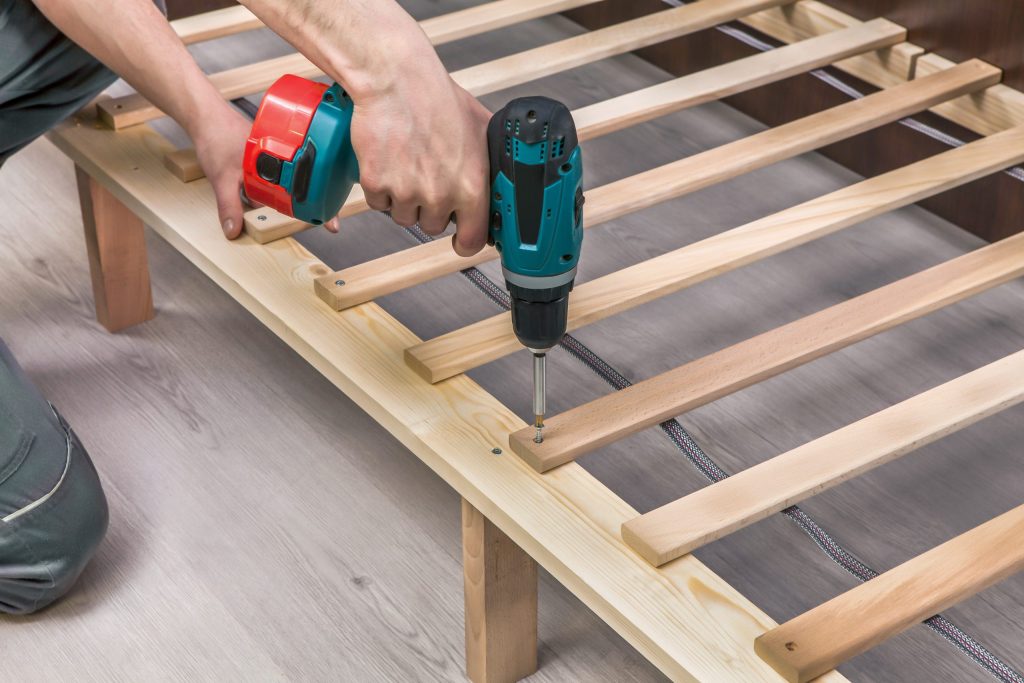
Ensure you have all the necessary tools before you begin the assembly. A well-stocked toolbox will make the process significantly easier. The required tools may include screwdrivers (Phillips and flathead), wrenches, Allen keys, and a level. If you are unsure of the exact tools required, it is always a good idea to refer to the instruction manual. Be sure to have plenty of light in the work area. Furthermore, assemble all necessary parts, like screws, and other fasteners that need to be readily accessible. This helps keep you organized and prevents any delays. Always double-check the parts list against the contents of the box for accuracy.
Following the Instructions Accurately
Understanding the Assembly Sequence
Assembling furniture effectively hinges on a thorough understanding of the assembly sequence outlined in the instructions. Carefully study the provided illustrations, diagrams, and written instructions. This step is critical for a successful assembly and allows you to visualize how each component fits together. Begin with the foundational parts of the furniture, such as the legs or base, and proceed to attach other components step-by-step. Following this method prevents confusion and potential errors later in the process. If anything is unclear, consult the instruction manual or online resources for clarification.
Troubleshooting Common Assembly Issues
Sometimes, issues arise during assembly. Encountering a tight-fitting part or a loose connection is common. Always prioritize safety and carefully review the instructions for guidance on handling these types of issues. If a component is difficult to assemble, ensure proper tool usage and alignment. Double-check for any missing or damaged parts. If necessary, consult the manufacturer’s website or customer service for assistance in resolving any problems that may arise. Have a basic understanding of DIY repair techniques to troubleshoot any issues during assembly.
Organizing for Efficient Assembly
Creating a Dedicated Workspace
Designing a dedicated workspace is key for efficient furniture assembly. A spacious and well-lit area can significantly improve your workflow and reduce frustration during assembly. Make sure the area is clear of any obstructions or potential hazards, keeping only the necessary components within the designated work space. A clean and organized workspace will eliminate potential hazards or confusion, allowing you to easily spot and retrieve the required parts or tools. A sturdy, stable surface will also contribute to successful assembly.
Utilizing Visual Aids
Use diagrams and drawings as visual aids to help you understand the structure and arrangement of the parts. Visual aids are crucial for visual learners, making it easier to assemble furniture according to the given instructions. Labeling individual parts is a valuable strategy. It can also minimize errors by clearly marking the parts and ensuring they are utilized in the appropriate locations. If you have difficulties reading the instructions, use a magnifier to enhance clarity. Ensure you have good lighting for clarity.
Completing the Assembly
Checking for Alignment and Security
Ensure that all parts are correctly aligned and securely fastened during the final assembly stages. Use appropriate force when connecting components, and make sure every part is in the proper position. After every step, always double-check if the component is properly aligned with the previous one. Use a level to confirm that the item is properly aligned. This final step is crucial for ensuring the item remains stable and prevents any future issues.
Final Inspection and Adjustments
After completing the assembly, it is important to examine the finished product for any imperfections or misalignments. A final inspection should be performed, ensuring everything is in its appropriate position and all connections are secure. Make any necessary adjustments for a flawless finish. Consider checking for any signs of damage or misalignment in the components. Using a checklist, you can ensure each stage of the assembly is properly checked before moving on to the next step.
Tips for Success
Working with Others
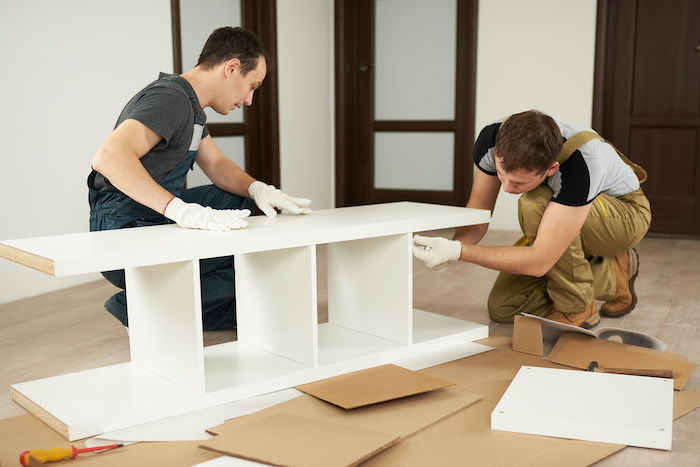
Enlist help from a friend or family member for tasks that require more than one person. Having a second set of hands can be invaluable for holding pieces in place or providing assistance with particularly challenging tasks. Effective communication and collaboration can significantly enhance the success of the project and reduce the effort involved.
Additional Resources
If necessary, refer to the provided manual and online resources for troubleshooting, step-by-step guides, and visual aids for clarification. Check the manufacturer’s website for any videos or additional instructions. Refer to user forums or online communities for solutions to common assembly issues. Consider joining online communities focused on furniture assembly, where you can interact with others who have experienced similar situations.
Common Assembly Issues
Component Damage
Inspecting parts for damage or defects is crucial. Before starting assembly, examine each piece for any signs of damage that could lead to misalignment or difficulties. If you find damage, contact the manufacturer or retailer immediately for a replacement. Damage during shipping is not uncommon. Always check for damage immediately upon receiving the order.
Missing Parts
Check the parts list against the contents of the box to ensure all parts are present. Missing components can lead to incomplete assembly. If a part is missing, contact the manufacturer or retailer to request a replacement or inquire about how to proceed. Have a clear record of all parts and double-check against the list to avoid this problem.
Conclusion
FAQ
Furniture Assembly Made Easy: Frequently Asked Questions
What are the common mistakes people make during furniture assembly?
Many people make common errors during furniture assembly, often leading to frustration and potentially damaging the furniture. One frequent mistake is rushing the process; taking your time and carefully following the instructions is crucial. Another mistake is skipping the initial inspection of the parts and identifying any damaged or missing components. Poor organization of tools and parts also adds to the difficulty and creates unnecessary delays. Addressing these issues will ensure a smooth and successful assembly experience. Always thoroughly review the instructions and diagrams before you begin to identify potential pitfalls and avoid mistakes that often lead to problems.
How can I avoid common furniture assembly problems?
To avoid common furniture assembly problems, meticulous preparation is key. Ensure the assembly area is clean, well-lit, and spacious to prevent obstructions. Thoroughly examine the packaging for all parts and instructions, making sure there are no missing or damaged components. Have all the necessary tools readily available to avoid hunting around for a screwdriver or wrench mid-assembly. Use a checklist to track your progress as you go, so you don’t lose track of any parts. Following these preventive measures ensures a smooth and enjoyable furniture assembly experience, minimizing the risk of issues and increasing the likelihood of success.
Finally, mastering furniture assembly isn’t about brute force, but thoughtful planning and execution. By following these steps and staying organized, you can confidently tackle any assembly project, saving both time and frustration. Ready to conquer your next furniture assembly challenge? Visit our website for a wide selection of high-quality furniture and detailed assembly guides.