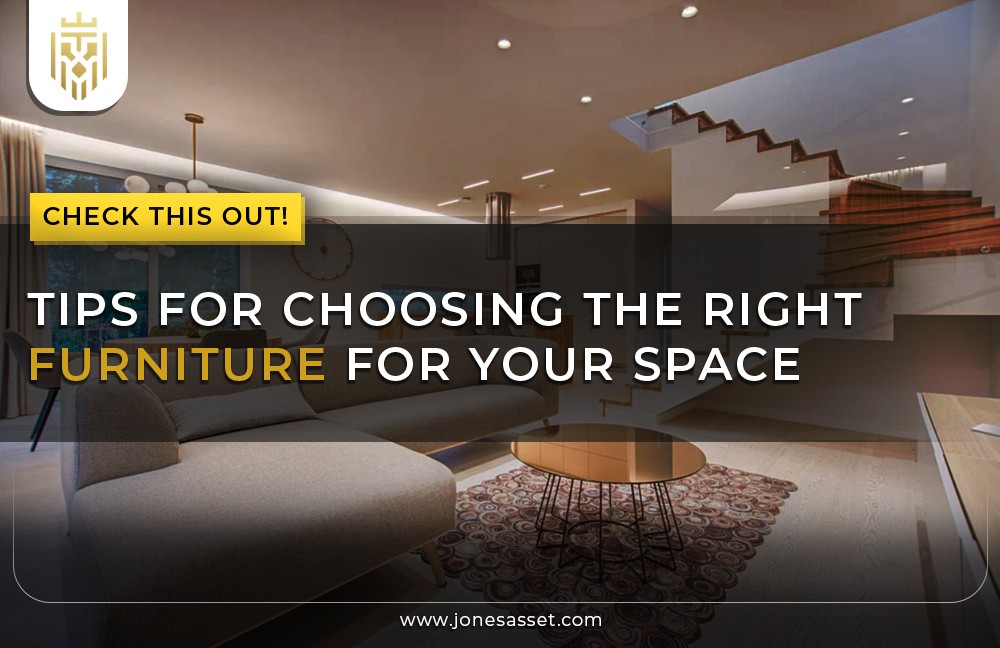
Choosing the right size furniture is paramount to creating a welcoming and functional living space. Imagine walking into a room where every piece of furniture fits seamlessly and enhances the overall design, creating an environment that’s both beautiful and practical. This article will guide you through the critical steps for selecting furniture that not only looks good but also enhances your space and meets your needs. We’ll discuss key considerations, common pitfalls, and strategies for maximizing your space with the perfect furniture size. You’ll learn to transform any space from cluttered to captivating with the proper selection. We will cover essential steps from measuring your room to identifying your lifestyle needs and creating a furniture layout that works perfectly for your home.
Understanding Your Space: The Foundation of Furniture Selection
Measuring Your Room and Identifying Key Features
Before you even think about furniture, take time to thoroughly measure your space. Accurate measurements are essential to selecting furniture that fits appropriately within the available area. Pay close attention to room dimensions—both width and depth—and note any architectural features that could impact furniture placement. Do you have unusual corners, large windows, or high ceilings? Take detailed notes about everything—these details will guide your choices later. This meticulous step helps avoid costly mistakes and ensures furniture placement maximizes the space you have. Measurements are crucial to achieving the desired outcome.
Considering Your Lifestyle and Needs
After evaluating the physical layout of your space, consider your lifestyle and habits. How do you use the space? Is it primarily for relaxation, socializing, or focused work? Understanding how you interact with your living area will influence furniture choices. Consider the number of people who will frequently use the space. Do you require ample storage or dedicated workspaces? These details help tailor your furniture selections to meet your individual needs and preferences.
Planning Your Layout: The Art of Furniture Placement
Assessing Traffic Flow and Clearance
Once you have a clear picture of your space and lifestyle needs, consider the flow of traffic within the room. How will people navigate around the furniture? Ensure you allow sufficient clearance between furniture pieces to promote easy movement and prevent congestion. Do not place furniture in a way that creates a feeling of being crammed or overwhelming. Consider walkways and movement patterns to create an enjoyable flow. Ensure that the layout is spacious enough for comfortable and convenient access to all areas.
Creating a Functional Layout Plan
Using your measurements, visualize how furniture can be arranged to maximize the space and create a functional layout. Draw a simple floor plan to help you visualize potential arrangements. Experiment with different layouts to see which option best suits your needs and preferences. Experiment with different arrangements to find the perfect balance. Consider the furniture’s dimensions, the available floor space, and how you interact with the area. These ideas make the layout more efficient.
Choosing the Right Furniture Pieces: Aesthetics and Functionality
Prioritizing Functionality and Comfort
When selecting furniture, balance functionality and comfort with your style preferences. Ensure the furniture meets your daily needs while complementing the aesthetic of the room. A functional layout should consider the space and the specific needs of the users. How you intend to use the space determines the kind of furniture that will serve you best.
Considering Scale and Proportion in Relation to the Room
The scale of the furniture should be proportionate to the size of the room. Oversized furniture in a small room can make the space feel cramped and overwhelming. Conversely, diminutive furniture in a large room can appear lost or out of place. Choose furniture that compliments the room’s size. Consider the room’s shape and how the furniture will complement that shape, too. Achieving a harmonious balance between size and proportion creates a balanced and inviting atmosphere.
Adapting to Your Budget and Lifestyle
Working with Different Budgets and Options
Budget is always a key factor in furniture selection. Understanding your budget constraints early in the process can help you make informed decisions. Consider various budget-friendly furniture options, and look into buying secondhand or used furniture. Explore the various options to make your selection more flexible and fitting for your budget.
Combining Aesthetics with Affordability
It is also possible to balance aesthetics and affordability in your furniture selection. High-quality furniture doesn’t necessarily mean it has to be expensive. Consider pieces with classic designs that can easily complement different decor styles and maintain their visual appeal for years. There are many ways to find furniture pieces that meet your budget and style.
Incorporating Personal Style: Making it Your Own
Aligning Furniture with Personal Preferences
Personal style is essential when selecting furniture. What kind of atmosphere are you trying to create? Contemporary, traditional, bohemian, or modern? Think about the overall vibe you want to establish in your space. Choose pieces that reflect your personality and add a touch of uniqueness to your environment. Your personal taste is key to making a space your own.
Complementing Existing Decor
Select furniture that complements existing decor. Ensure that the furniture’s style aligns with the existing color scheme, textures, and patterns in the space. Consider the interplay of furniture with other elements to maintain a holistic and balanced design.
Measuring for Optimal Fit: Ensuring Precision
Calculating Required Dimensions
Measuring your space precisely is essential for ensuring optimal furniture fit. Precise measurements create a clear picture of the room’s dimensions, facilitating the selection of furniture that fits perfectly within the available space.
Adjusting Dimensions for Comfort and Functionality
Once dimensions have been determined, carefully analyze the available space. Ensure that the chosen furniture will fit comfortably within the space, allowing enough room for movement and maneuverability. Adequate space promotes a more comfortable and functional living environment.
Additional Considerations: Space Planning Tips
Maximizing Space Efficiency
Efficient use of space is crucial for creating a practical and harmonious living space. Explore how to maximize the available space by strategically placing furniture. Smart solutions to maximizing space can significantly impact your experience in the home.
Utilizing Room Dividers and Other Accessories
Consider incorporating room dividers or other accessories to help delineate different functional areas within a room. Room dividers allow flexibility in use and style, creating separate zones within the room, ensuring you have the space for different purposes.
Avoiding Common Pitfalls: Mistakes to Avoid
Overlooking Room Dimensions
Many people make the mistake of not considering the precise dimensions of the space when selecting furniture. Pay attention to the room’s precise dimensions to avoid mismatched sizing and potential issues.
Ignoring Traffic Flow
Another frequent oversight is neglecting traffic flow and movement patterns. Ensure enough space is allotted around furniture and pathways. Sufficient space is essential for comfortable movement.
Modern Approaches to Furniture Selection
Embracing Multifunctional Furniture
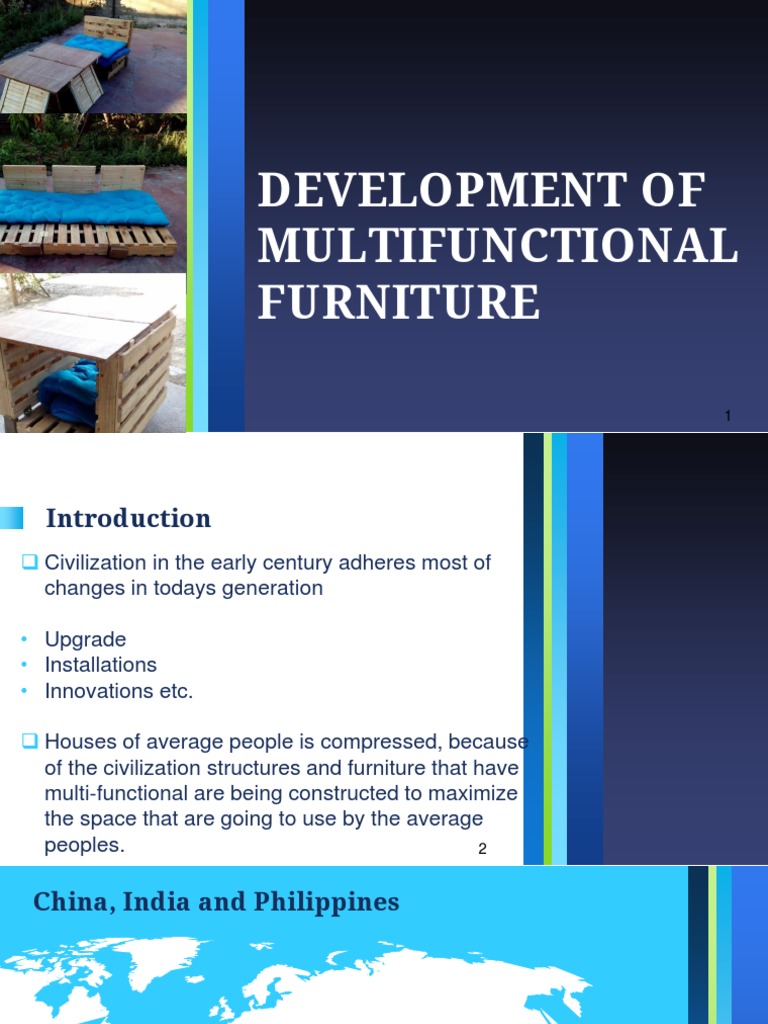
Exploring multifunctional furniture pieces is an innovative approach to space optimization. Multifunctional furniture pieces offer adaptability to different needs and preferences. Versatility is key to integrating design with functionality.
Leveraging Modular Furniture
Modular furniture systems offer significant flexibility. These systems can easily adapt to evolving needs, making them adaptable to different lifestyles and preferences. Consider integrating modular furniture for a truly versatile and adaptable design.
Frequently Asked Questions
What are the common mistakes people make when choosing furniture size?
Common mistakes in choosing furniture include failing to measure accurately, not considering the scale of the furniture in relation to the room, and over- or under-estimating the amount of space needed for movement and storage. Prioritizing aesthetics over practicality can also lead to issues with furniture placement and functionality. Another frequent error is neglecting to account for the furniture’s footprint and its impact on traffic flow. Ultimately, understanding these common mistakes helps you make more informed decisions and avoid potential problems.
How can I determine the optimal space needed for furniture in a room?
Accurately measuring the dimensions of your room and identifying the key areas within it will be your starting point. This includes marking out room boundaries, identifying doorways, windows, and other architectural features. Then, take precise measurements of the furniture you’re considering. Add at least a few feet of buffer space around each piece to ensure adequate space for movement and prevent a cramped or congested environment. If you’re unsure about sizing, consider consulting interior design resources or seeking professional advice to get precise recommendations.
In conclusion, choosing the right size furniture is crucial for a harmonious and functional living space. By considering your room dimensions, lifestyle needs, and personal preferences, you can select furniture that enhances your space and improves your quality of life. Remember to prioritize comfort and style to create a space you truly love. For more personalized advice, consult with a professional interior designer. They can guide you through the process and help you make informed decisions that align with your vision.