Choosing smart appliances that are energy-efficient and environmentally friendly is becoming increasingly important in today’s world. A growing concern for environmental sustainability and cost-effectiveness drives consumers to seek out more eco-conscious options. This guide provides a comprehensive overview of how to choose smart appliances. It discusses different factors to consider, from energy efficiency ratings to advanced features, and provides practical advice for maximizing savings and minimizing environmental impact. The structure of this guide includes key insights on identifying energy-efficient options, comparing various models, and exploring long-term savings. Let’s dive into this essential aspect of modern sustainable living!
Understanding the Importance of Energy-Efficient Appliances
Defining Energy Efficiency
Energy-efficient appliances are designed to use less energy to perform the same task as traditional models. This translates directly into lower electricity bills and a smaller carbon footprint. The reduced strain on the power grid also contributes to a more sustainable energy infrastructure. With rising energy costs and increasing environmental awareness, the importance of energy-efficient appliances has never been higher. Consumers are actively seeking out appliances that deliver significant savings without compromising on performance. Various factors play into this decision, making thoughtful selection crucial.
The Environmental Impact of Appliances
The environmental impact of appliances extends beyond energy use. Manufacturing processes, material sourcing, and eventual disposal all contribute to an appliance’s overall environmental footprint. Appliances with a lower environmental impact often use recycled materials, have longer lifespans, and employ energy-efficient components. A smart choice considers the entire lifecycle of the product.
Evaluating Energy Efficiency Ratings
Understanding Energy Star Ratings
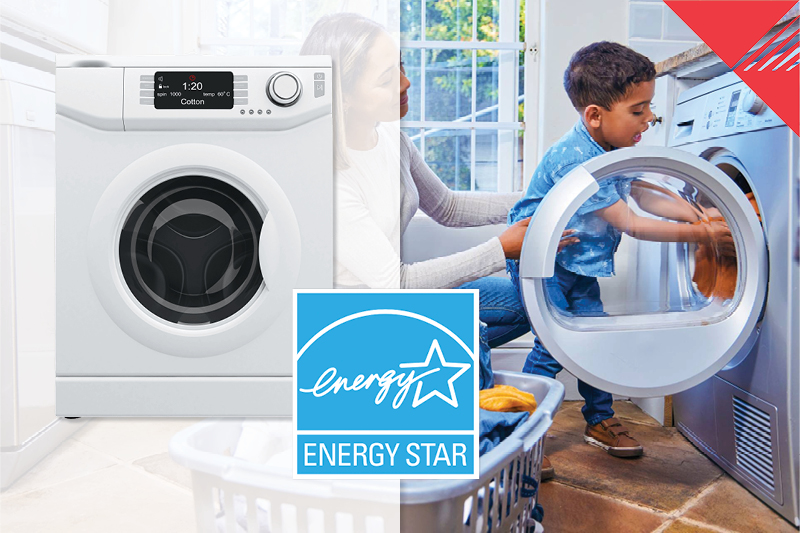
Energy Star is a widely recognized program that helps consumers identify energy-efficient appliances. These appliances meet strict energy-efficiency guidelines set by the EPA, providing a reliable benchmark for comparing different models. Understanding Energy Star ratings is a key component in selecting environmentally responsible appliances. The ratings reflect the appliance’s energy use compared to similar models.
Comparing Different Energy Labels
Beyond Energy Star, several other labels and ratings may indicate the energy efficiency of a specific appliance. It’s important to compare appliances based on comparable metrics to make informed decisions. For example, a refrigerator with a high energy efficiency rating but a small capacity might not be the best choice for a large family. A careful review of various labels can help consumers make informed decisions.
Considering Smart Features and Functionality
Smart Features and Energy Optimization
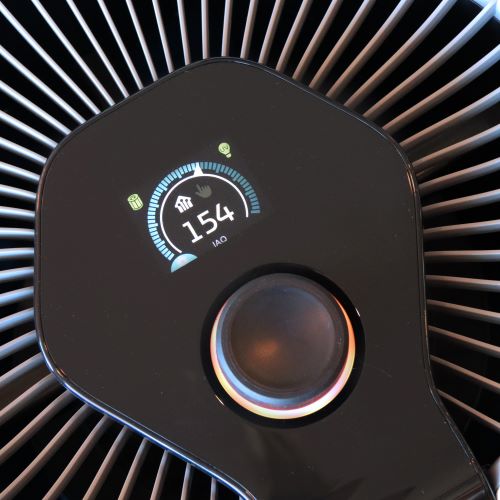
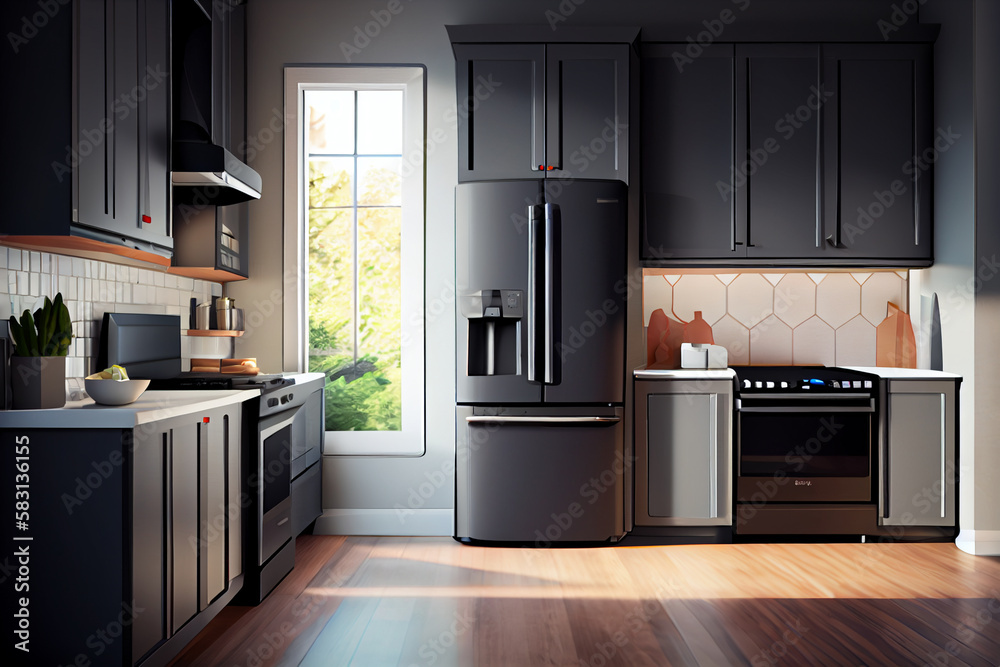
Smart appliances often incorporate features that optimize energy usage. Smart thermostats can adjust heating and cooling based on occupancy patterns, saving significant energy. Smart refrigerators can automatically adjust temperature settings, reducing energy consumption. Similarly, smart dishwashers can optimize wash cycles for different types of loads. These features not only reduce energy consumption but can also enhance the overall user experience.
Advanced Technology and Convenience
Beyond energy optimization, smart appliances often offer convenient features that improve the daily routine. For instance, smart ovens may offer pre-programmed recipes and cooking guides. The convenience factor, while seemingly minor, can have a tangible impact on daily life.
Assessing Long-Term Costs and Return on Investment
Calculating Total Cost of Ownership
Evaluating long-term costs is crucial when selecting appliances. While an appliance with a higher initial cost might seem less appealing, its energy savings over time can lead to a substantial return on investment. The cost-benefit analysis should include not only energy use but also potential maintenance costs and the appliance’s lifespan. This comprehensive approach ensures a more complete understanding of the full picture.
Analyzing Lifetime Energy Savings
Calculate the potential lifetime energy savings of different appliances. By comparing projected energy bills over the appliance’s expected lifespan, consumers can determine the best fit for their needs. The energy-efficient models often yield greater savings over time, justifying the potential higher initial cost.
Choosing Smart Appliances for a Greener Lifestyle
Embracing Sustainable Practices
Selecting smart, energy-efficient appliances is a significant step towards a greener lifestyle. By reducing energy consumption, individuals can minimize their environmental footprint. The transition to greener choices extends beyond simply buying appliances. It encompasses a broader approach to sustainable practices and mindful consumption.
Promoting Sustainable Consumption
With growing awareness of the environmental impact of our choices, sustainable consumption patterns have emerged as a defining aspect of modern lifestyles. Consumers are increasingly active in promoting practices that reflect ecological responsibility.
Frequently Asked Questions
Q: What are some examples of energy-efficient smart appliances?
A: Energy-efficient smart appliances come in various forms, including smart refrigerators, washing machines, dishwashers, and even smart ovens. Look for appliances with high energy efficiency ratings (like Energy Star) and smart features that optimize energy usage. For example, some smart refrigerators automatically adjust temperature settings based on usage patterns, while smart washing machines can detect the type of load and adjust the water and energy usage accordingly.
Q: How much can smart appliances reduce my energy bills?
A: The energy savings from smart appliances can vary greatly depending on the appliance, usage patterns, and the specific smart features. However, studies show significant potential for reducing energy consumption and associated costs. For example, a smart thermostat can help optimize heating and cooling, leading to substantial savings over time. Similarly, a smart dishwasher might adjust the wash cycle based on the load’s size, further optimizing energy use.
Q: Are smart appliances worth the extra cost?
A: The added cost of smart appliances is often offset by the potential for long-term energy savings and improved convenience. While smart appliances might have a higher upfront cost compared to traditional models, the reduction in energy consumption and potential savings over the appliance’s lifespan can be considerable, and this includes potential tax credits, incentives or government programs in some localities that can further offset the price. It’s crucial to weigh the upfront cost against the anticipated savings and potential improvements in efficiency.
In conclusion, choosing smart appliances that are energy-efficient and environmentally friendly is crucial for a sustainable future. By considering factors like energy ratings, features, and long-term costs, consumers can make informed decisions that benefit both their wallets and the planet. To further your journey towards greener living, research reputable appliance brands and read independent reviews before making a purchase. Ultimately, choosing smart, eco-friendly appliances is a step towards a more sustainable lifestyle and a healthier planet for future generations.