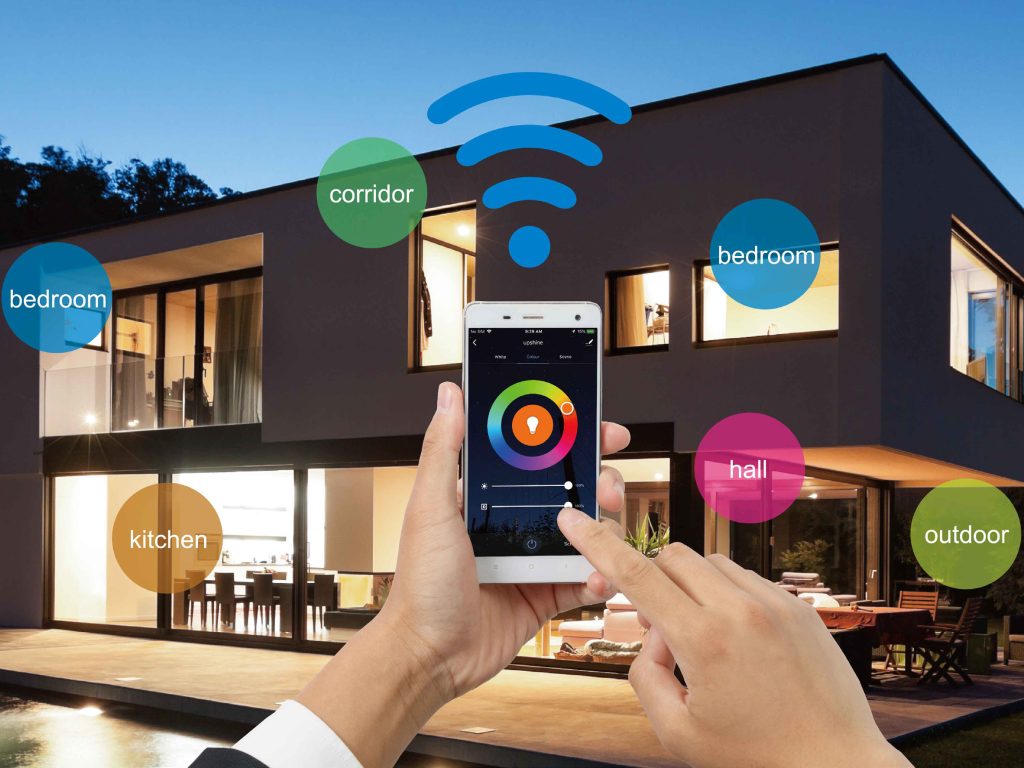
Smart lighting is revolutionizing how we experience and control our homes’ ambiance. Imagine effortlessly adjusting the mood and atmosphere of your living space with a simple tap on your smartphone. This transformative technology allows for precise control over lighting, offering a blend of convenience, energy efficiency, and customization. Many homeowners face challenges in managing various lighting sources efficiently and adapting them to different moods and activities. Smart lighting solutions provide a comprehensive solution to these issues, offering a unified and intuitive approach. This article will delve into the realm of smart lighting, exploring its various functionalities, benefits, and practical applications. It will also cover different control methods, design considerations, and potential pitfalls to avoid.
Unveiling the Potential of Smart Lighting
The Smart Lighting Revolution:
Smart lighting is no longer a futuristic concept but a reality transforming homes into intelligent environments. Beyond basic functionality, it allows users to personalize the atmosphere within their homes, offering a unique opportunity to curate a comfortable ambiance that perfectly suits the activity or mood. This is achieved through customizable color temperatures and brightness adjustments, making each space feel truly unique and accommodating to various needs.
Addressing Home Lighting Challenges:
Many homeowners struggle to effectively manage their existing lighting systems, particularly when dealing with multiple light sources and switches. Adjusting brightness levels and color temperatures manually can be time-consuming and inefficient, hindering the creation of the desired ambiance. Furthermore, ensuring energy efficiency while maintaining optimal lighting conditions presents an additional challenge. Smart lighting systems address these challenges by providing a unified platform for control, enabling seamless transitions between different lighting profiles.
Advanced Control and Customization
Seamless Integration and Remote Control:
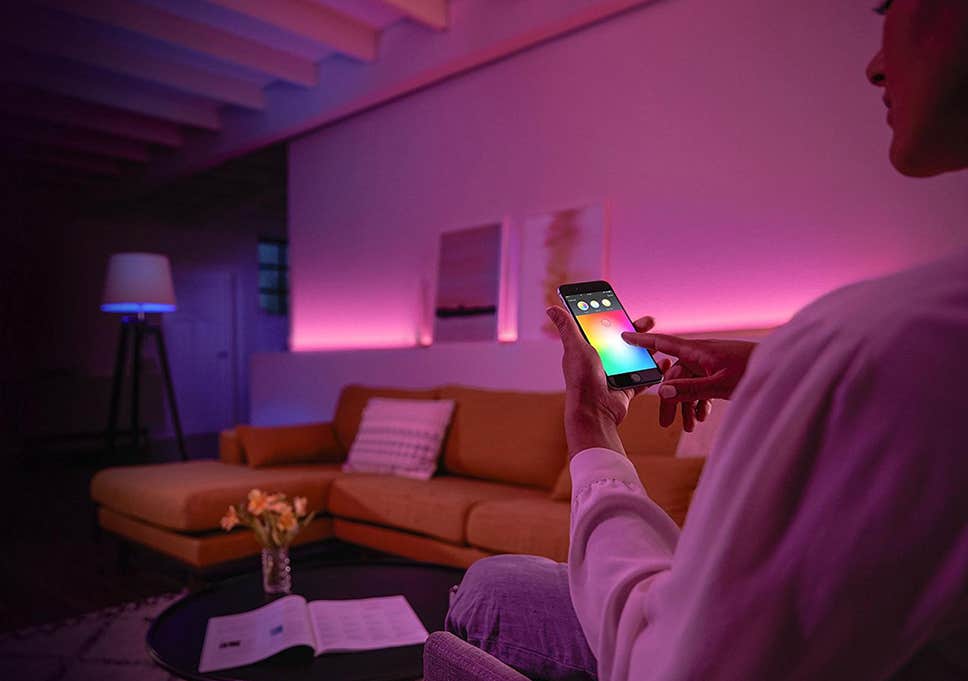
Smart lighting systems excel at enabling seamless control. Homeowners can easily manage their lighting from their smartphones or tablets, adjusting brightness, color, and even creating complex scenes using intuitive mobile apps. This provides an exceptional degree of control over the lighting environment, empowering users to set and adjust settings from virtually anywhere. This level of remote control is extremely useful for convenience, allowing users to adjust lighting while away from home, or to easily create automated lighting sequences for different occasions.
Creating Personalized Ambiance:
Smart lighting systems allow for personalized ambiance adjustments. Whether setting a relaxing atmosphere for a quiet evening or a vibrant ambiance for a festive occasion, users can quickly and easily adjust the lighting to their desired preferences. This personalized approach allows for the creation of dynamic and engaging lighting experiences, whether it’s for daily routines, parties, or special events.
Energy Efficiency and Cost Savings
Optimizing Energy Consumption:
Smart lighting systems can significantly contribute to energy savings through automated lighting adjustments. Advanced systems can use sensors to detect occupancy and automatically turn off lights when rooms are empty. Such features are instrumental in creating environments that reflect practical energy conservation. By dynamically adjusting the lighting intensity based on natural light, users can maximize energy efficiency without sacrificing illumination. Advanced technology can be used to anticipate occupancy and optimize energy consumption proactively.
Measuring and Monitoring Energy Use:
Integrated energy monitoring tools provide valuable insights into energy consumption patterns. These tools track energy usage associated with lighting, allowing users to identify areas for improvement and optimize their lighting schedules for maximum efficiency.
Integration with Smart Home Ecosystems
Seamless Compatibility:
Smart lighting systems are highly compatible with various smart home platforms. This interoperability ensures seamless integration into existing smart home ecosystems, creating a unified control center for managing lighting, security systems, thermostats, and other smart devices. With such a harmonious arrangement, homeowners can have a centralized platform to manage every aspect of their homes.
Enhanced Security Features:
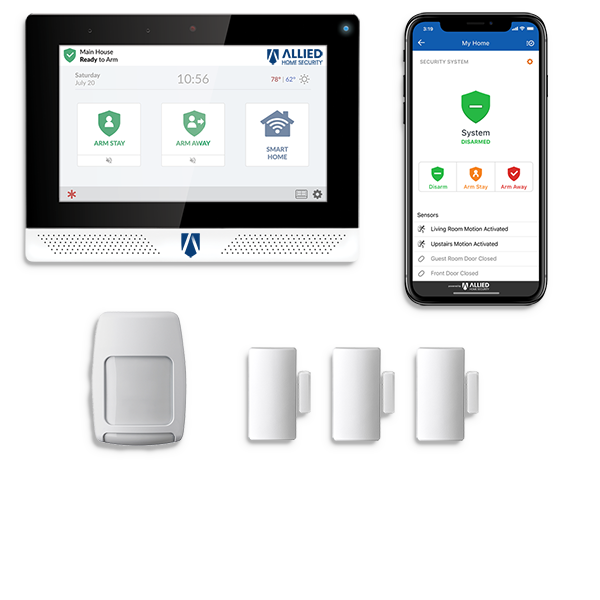
Smart lighting can play a crucial role in enhancing home security. Automated lighting systems can create the illusion of occupancy when a home is unoccupied, deterring potential intruders and enhancing overall safety. This can also be combined with other smart home security systems for a holistic approach to security management.
Design Considerations and Potential Pitfalls
Choosing the Right Fixtures and Bulbs:
Proper selection of smart lighting fixtures and bulbs is crucial for optimal performance. Compatibility with the chosen smart system is critical to avoid compatibility issues. Energy efficiency and aesthetics should also be considered when choosing lighting fixtures. Different smart systems work with different bulbs, requiring consideration of potential interactions between fixtures and bulbs.
Addressing Compatibility Concerns:
Compatibility issues between different smart home systems can be a significant hurdle. Careful consideration of interoperability is crucial to ensure seamless integration with existing smart home technologies. Choosing a system that is compatible with existing smart devices is an important aspect of home lighting implementation.
Future Trends in Smart Lighting
Integration with AI and Machine Learning:
Future advancements in smart lighting systems are likely to incorporate AI and machine learning technologies. Such integration will enable systems to anticipate and adapt to user preferences, further enhancing convenience and personalization. This will include features such as automatically adjusting lighting based on the time of day and detected activities. AI-powered algorithms will be able to discern user behavior and preferences, optimizing the lighting experience and ensuring optimal comfort.
Immersive Lighting Experiences:
The future of smart lighting likely includes more immersive lighting experiences. This might involve dynamic lighting adjustments triggered by events or activities, creating truly immersive and engaging atmospheres. Dynamic lighting could potentially respond to video content being played on a screen or other sensory data collected.
Enhancing Home Security with Smart Lighting
Automated Lighting Schedules:
Smart lighting systems can be configured with automated lighting schedules. This allows for pre-programmed light settings to be triggered at different times, giving the appearance of someone being home, even when they are not. This can be a significant deterrent against potential intruders, increasing home security.
Exploring Different Smart Lighting Solutions
Understanding System Features:
Numerous smart lighting solutions are available in the market today. Understanding the specific features and functionalities of each system is crucial in making informed decisions. Different solutions cater to specific needs and budgetary constraints.
Considering Budget and Requirements:
Homeowners should carefully evaluate their budget and specific requirements when choosing a smart lighting solution. Features like remote control, automation, and integration with smart home ecosystems should be considered. Pricing varies widely depending on the features and functionalities of each solution.
Frequently Asked Questions
What are the benefits of smart lighting?
Smart lighting offers a host of benefits, including enhanced control and customization of lighting ambiance, energy savings through optimized lighting schedules, and increased home security via automated lighting systems. Automated lighting can create the illusion of occupancy and deter potential intruders.
How do I control smart lighting systems?
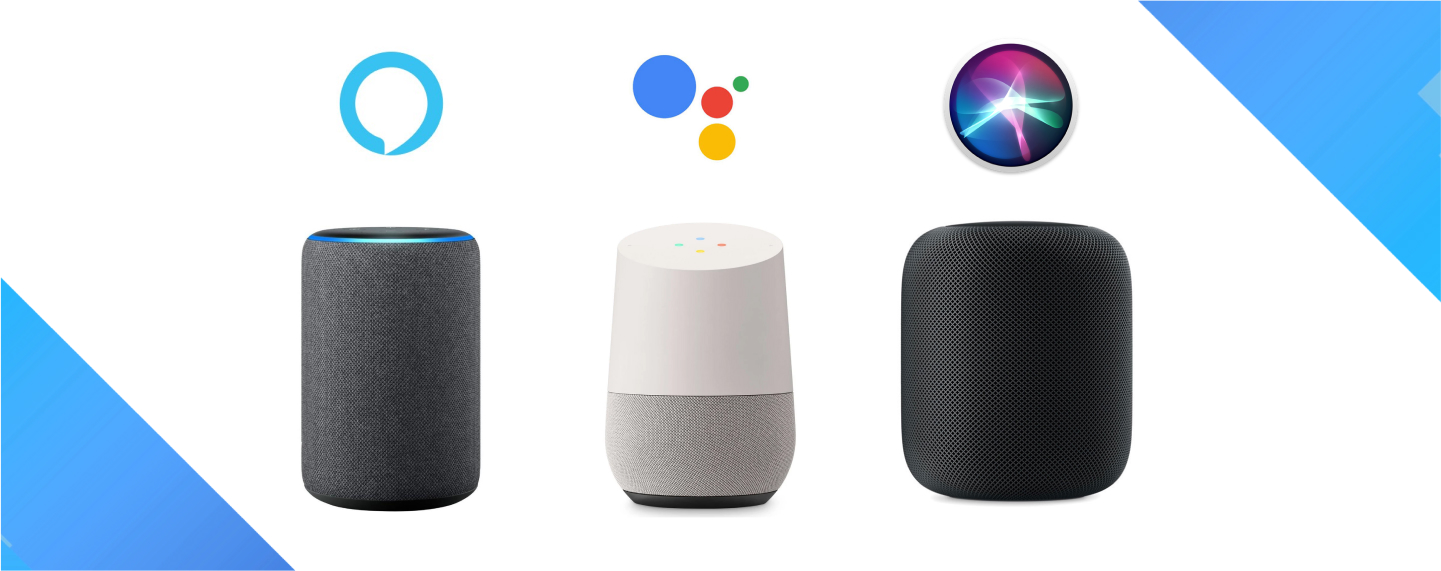
Smart lighting systems can be controlled through various methods, including mobile apps, voice assistants, and smart home hubs. Many systems also offer customizable schedules and automation features, allowing for automated lighting adjustments based on time, occupancy, or other pre-defined conditions.
What are some popular smart lighting brands and systems?
Several well-regarded smart lighting brands and systems are available to meet diverse needs and preferences, such as Philips Hue, LIFX, and others. Each offers unique features and functionalities, allowing customization and integration into existing smart home ecosystems.
In conclusion, smart lighting offers a transformative experience, enabling precise control over ambiance and energy efficiency. By embracing smart lighting systems, homeowners can elevate their living spaces, reduce energy consumption, and enjoy the convenience of remote control and automation. Explore the numerous smart lighting options available and discover the enhanced comfort and value that smart lighting solutions provide. Visit our website today to learn more about our smart lighting solutions and start your journey to a smarter home!