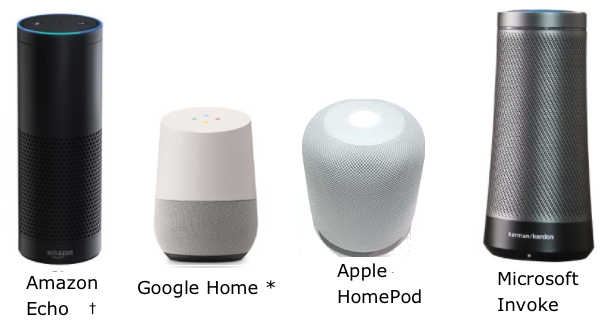
The best smart speakers and voice assistants are more than just gadgets; they’re the brains behind your modern tech home. They seamlessly control your smart home devices, stream music, provide information, and even set reminders. Many people find their existing smart home technology lacking, leading to frustration and a desire to improve the quality of life in their home. This comprehensive guide will explore the top choices, highlight key features, and delve into the nuances of voice control for a smarter, more connected home. This guide will present a breakdown of different smart speaker brands and their functionalities.
Understanding Smart Speakers and Voice Assistants
Defining Smart Speakers
Smart speakers are multi-functional devices that use voice recognition technology to perform various tasks, from setting alarms to playing music. They integrate voice assistants, which process and respond to your commands. This technology has revolutionized home automation, providing a user-friendly interface. Smart speakers have come a long way since their initial introduction into the market. They now deliver crystal clear audio and allow users to create complex home automation systems with relative ease.
Voice Assistants: The Brains Behind the Speaker
Voice assistants are the brains behind the smart speaker operation. These software programs interpret your voice commands, interact with your smart home devices, and complete tasks. From playing music to controlling lights, voice assistants provide an intuitive way to interact with your home automation system. They are constantly improving in accuracy and versatility, adding more devices to their command list every day.
Top Smart Speaker Brands and Their Features
Amazon Echo Series
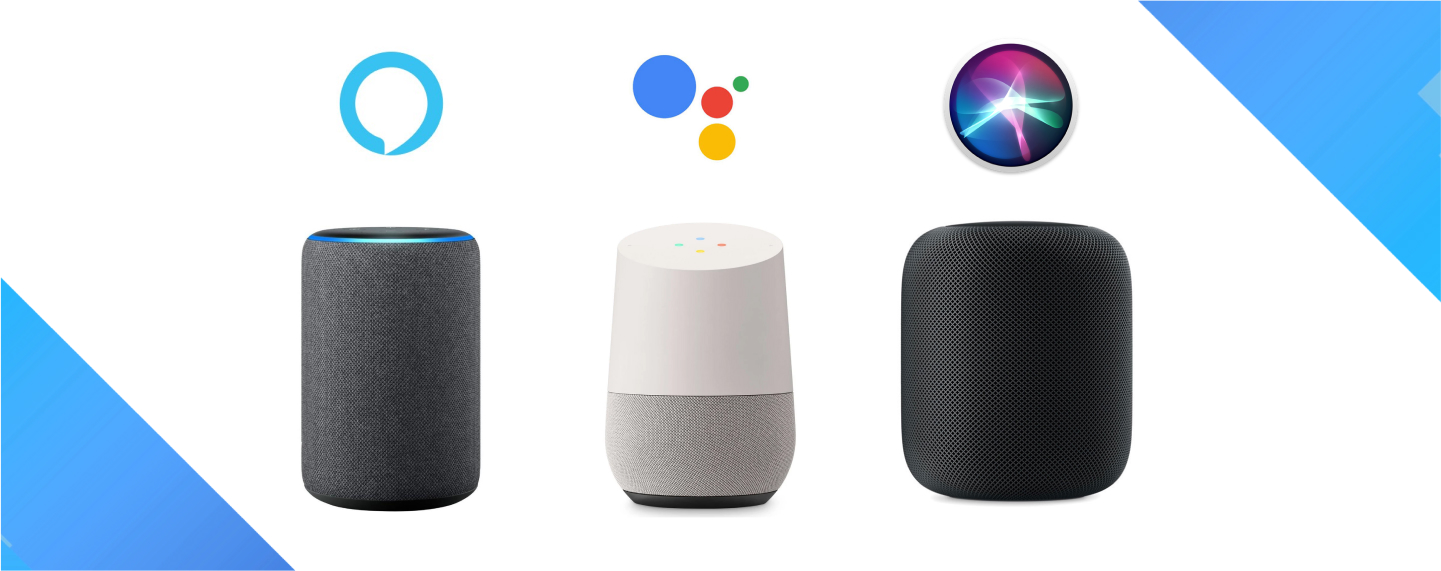
The Amazon Echo has been a leader in the smart speaker market for years. It boasts a wide range of features, including a powerful speaker, high-quality audio, and impressive voice recognition capabilities. Echo devices offer robust control for your smart home and are frequently integrated with existing Amazon services. This allows for seamless user experience across other Amazon services. Their ecosystem is strong, ensuring many options for connectivity.
Google Nest Hub Max
Google Nest products are known for their intuitive user experience and integration with the Google Assistant. This is especially helpful in a home with existing Google services. The Nest Hub Max is particularly noteworthy for its display, allowing for more complex visual interactions with your home automation system. The display also makes it ideal for visual tasks such as streaming videos and showing current information like time and weather.
Apple HomePod
Apple HomePod speakers showcase a focus on audio quality and integration with Apple devices. HomePod excels in delivering immersive sound and boasts an impressive user interface.
Other Emerging Brands
Other emerging brands are constantly innovating smart speaker technology, bringing new ideas to the market. They offer unique features and user experiences that are worth considering when you are looking for a different approach to smart technology.
Sound Quality and Performance Comparison
Sound Quality and Audio Profiles
Sound quality varies significantly between different smart speaker models. Factors to consider include the speaker’s size, driver technology, and the software used to process the sound. For instance, the Amazon Echo offers a wide range of audio quality based on the model. Some offer deeper bass, while others focus on clarity, so consider how you use your speaker. The sound quality is also influenced by the different audio profiles available on the device itself or through the application.
Noise Cancellation and Voice Recognition
Noise cancellation is also an essential aspect of a smart speaker’s performance. The ability to filter out background noise allows for better voice recognition and a more seamless user experience. Advanced models often feature sophisticated noise cancellation algorithms that can adapt to different environments. This can drastically improve the device’s reliability and ability to provide precise voice commands.
Voice Recognition and Command Accuracy
Voice recognition accuracy is crucial for seamless voice control. A speaker with excellent voice recognition can accurately interpret commands, even in noisy environments. This accuracy allows for efficient interaction and control of your home automation.
Integration with Smart Home Ecosystems
Universal Compatibility
Many smart speakers offer seamless integration with other smart home ecosystems. This allows users to control a broad range of devices using one central interface. For instance, Amazon’s Echo devices easily integrate with smart lights, thermostats, and security systems from various manufacturers, creating a unified smart home experience.
Interoperability Considerations
The ability of these smart speakers to integrate with different smart home platforms is a significant aspect when considering the best device for you. Consider which platforms are most important to you and which devices you wish to control. The more comprehensive the smart home control, the more useful the device.
Supporting Other Smart Home Devices
Smart speakers can control various smart home devices, from lighting and thermostats to security systems and appliances. Consider the range of smart home devices that you wish to control, and choose a speaker accordingly.
User Experience and Ease of Use
Intuitive User Interfaces
Smart speakers should have intuitive user interfaces to ensure a positive user experience. Simple controls and clear instructions reduce the learning curve. An important aspect to consider is the integration into your existing workflow, and whether it is easy to use on a daily basis.
Voice Command Accuracy and Reliability
Voice commands should be accurately recognized and processed. Consistent, reliable voice command processing is essential to avoid frustration when using the speaker. Smart speakers are constantly improving in this area, and this can be a significant deciding factor in which one to choose.
Device Controls and Customization
Control options and customization are very important. Users should have options to control and customize features to their specific needs. An additional feature that adds to convenience and personalization.
Budget Considerations
Price Variations
Smart speakers are available in a range of price points. The price often correlates with the quality of the sound, features, and the overall smart home experience.
Additional Features
Specific Feature Sets
Smart speakers can have various additional features, such as music streaming services and access to information, such as weather, news, and schedules. Some smart speakers may offer advanced features like multi-room audio and voice control integration with other applications, such as gaming consoles.
Security and Privacy Concerns
Data Privacy and Security
Smart speakers collect and process data, which raises concerns about privacy and security. It’s critical to understand the data collection practices and security measures of the smart speaker manufacturers to ensure data protection.
Future Trends
Advanced Voice Control
Future trends in smart speakers include more advanced voice control capabilities and integration with more devices. This includes advanced automation and more complex actions that can be performed via voice commands. Consider how advanced features might integrate with your home or lifestyle needs.
Frequently Asked Questions
What are the key differences between smart speakers and voice assistants?
Smart speakers are essentially devices that have voice assistants integrated into them. A voice assistant is a software program that can respond to verbal commands. They are often the brains behind the smart speaker, providing the intelligence to process and respond to your voice commands. Key differences stem from the user interface. A smart speaker, such as an Amazon Echo, provides a physical speaker and often a touch screen that allows you to interact and customize the experience. Voice assistants like Siri on Apple devices are not speaker-centric and live entirely in your device, whether it’s a phone or computer. The same assistant can be used on multiple devices.
What are the essential features to look for when purchasing a smart speaker?
Consider features like sound quality, voice recognition accuracy, compatibility with your existing smart home ecosystem, and user interface. The sound quality of a smart speaker directly impacts your listening experience, especially when you’re using it for music. Reliable voice recognition is crucial for seamless and effortless interaction. Ensure the speaker supports your current smart home devices for efficient integration, such as a smart thermostat. A good user interface and simple device control can make a significant difference in the ease and enjoyment of using your speaker. Look for a sleek design and intuitive features.
In conclusion, choosing the best smart speaker and voice assistant for your tech home depends heavily on your specific needs and preferences. Consider factors like ease of use, sound quality, and integration with other smart home devices. Whether you’re looking for a simple solution for everyday tasks or a sophisticated hub for advanced automation, this guide provided you with the insights to make an informed decision. Explore the various options and find the perfect fit for your home. Don’t hesitate to check out the recommended smart speakers and voice assistants featured in this guide to upgrade your smart home experience today!