Smart security is revolutionizing home protection, and it’s more than just a trend; it’s a necessity. With the rise of sophisticated threats, a proactive approach to home security is paramount. Smart security encompasses a wide array of interconnected technologies designed to enhance the overall security posture of your home. These technologies range from smart locks to smart alarms, offering a comprehensive safeguard against potential threats and providing peace of mind for families. This article delves into the essential smart home devices crucial for protecting your family. It will outline the key devices, discuss their functionalities, and provide examples of successful implementation to guide you. We’ll explore the various facets of smart security and delve into the advantages they provide, ultimately equipping you with the knowledge and insight to create a more secure home environment.
Smart Locks: A Modern Approach to Entry Control
Understanding Smart Locks
Smart locks represent a significant advancement in home security, offering enhanced convenience and control over who enters your home. Traditional locks often require physical keys, leaving your home vulnerable to unauthorized entry. Smart locks eliminate this vulnerability by employing electronic mechanisms like Bluetooth, Wi-Fi, or Z-Wave, enabling secure access using keypads, mobile applications, or even access cards. They offer an additional layer of security compared to traditional locks.
Key Benefits of Smart Locks
Remote access is a prime advantage of smart locks, allowing you to lock and unlock your doors from anywhere in the world using your smartphone. This feature proves particularly useful when you’re away from home or when you have trusted guests visiting, providing total control over who enters your property. Some models even support multiple user access, enabling various people to use the same lock, accommodating guests or family members. This feature ensures effortless access and management, making security more user-friendly. These benefits streamline the process of managing access to your home.
Examples of Smart Lock Integration
Many smart home security systems integrate seamlessly with smart locks, creating an interconnected and responsive security network. Imagine a scenario where your smart lock automatically unlocks when a trusted family member approaches your home, using their smartphone for verification. A system like this streamlines entry procedures and reinforces the overall security of your home, making it more convenient and resilient.
Choosing the Right Smart Lock
When selecting a smart lock, consider factors such as compatibility with your existing smart home system. Consider the level of security it offers and the ease of use. User reviews and professional recommendations can provide valuable insights, enabling you to make an informed decision. These factors can help you confidently choose the right smart lock for your needs, ultimately enhancing your home’s security posture.
Cost Considerations
Smart locks come in various price ranges, depending on features and functionality. Budget-conscious homeowners can opt for basic smart locks, while those seeking advanced features may opt for premium models. Research and comparison shopping will help identify the best value for your specific needs and budget.
Security Cameras: Keeping a Vigilant Eye on Your Home
The Importance of Visual Surveillance
Security cameras are vital for providing a visual deterrent to potential threats and for recording evidence in case of incidents. They offer a comprehensive view of your home’s surroundings, keeping a vigilant eye on your property while you’re away. This surveillance adds an extra layer of security to your home, boosting your home’s overall security posture and allowing for a proactive approach.
Types of Security Cameras
Numerous security camera options are available, catering to diverse needs and budgets. Wireless cameras offer convenient installation without the hassle of wiring, while wired cameras often provide more robust and reliable connections. Security cameras with night vision capabilities capture clear images in low-light conditions. These options create a powerful and versatile security system tailored to your unique needs.
Integration with Smart Home Systems
Smart cameras integrate seamlessly with smart home systems, allowing for remote monitoring and control. Many applications offer motion detection, alerts, and two-way communication, enabling immediate response to potential threats or unusual activities. An interconnected system creates a powerful force against threats, allowing a rapid response to potential intruders and creating a much more secure environment.
Practical Examples of Camera Use
Imagine receiving a notification on your smartphone when a motion sensor is triggered by an intruder. The camera instantly records the incident and transmits the footage to your device, enabling you to respond promptly. These examples highlight the practical application of security cameras, effectively strengthening your home’s security.
Advanced Features and Cost
Advanced features like facial recognition and intelligent motion detection can add value to your security system. However, these features can come with an associated cost. Understanding the features and costs will allow you to make an informed purchase.
Smart Alarms: Proactive Protection for Your Residence
Enhancing Home Security through Smart Alarms
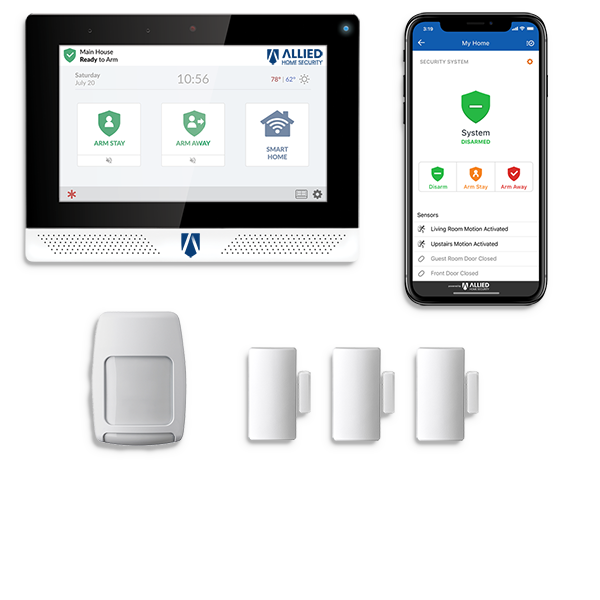
Smart alarms significantly enhance home security by acting as a proactive safeguard against intruders. Beyond the basic function of sounding an alarm, these systems incorporate motion sensors, glass break detectors, and other advanced features that detect and respond to potential threats. These layers of protection enhance your home’s overall security posture.
Real-Time Monitoring and Response
Smart alarms provide real-time monitoring, alerting you to any suspicious activity and allowing for immediate response. They empower homeowners to swiftly address potential problems, thereby ensuring the safety and well-being of their families. Smart alarms also provide advanced functionalities, offering a holistic security system for your residence.
Integration and Customization
Many smart alarm systems integrate with other smart home devices, creating an interconnected security network. This interconnection allows for customized settings and responses to various events, ensuring that your system is tailored to your individual needs. Integration enhances your security system’s effectiveness, creating a more personalized and reactive system.
Smart Alarm System Implementation
Consider implementing a smart alarm system with a professional monitoring service. Such services provide an additional layer of security, ensuring immediate response to intrusions or emergencies. This further bolsters your home’s security posture, adding peace of mind for you and your family.
Cost and Additional Considerations
Smart alarm systems vary in cost, based on the level of customization and integration with other smart home devices. Professional monitoring services will add a higher cost, so be sure to consider the pros and cons carefully before making your purchase.
Smart Lighting: Adding a Layer of Home Security
The Role of Illumination in Home Security
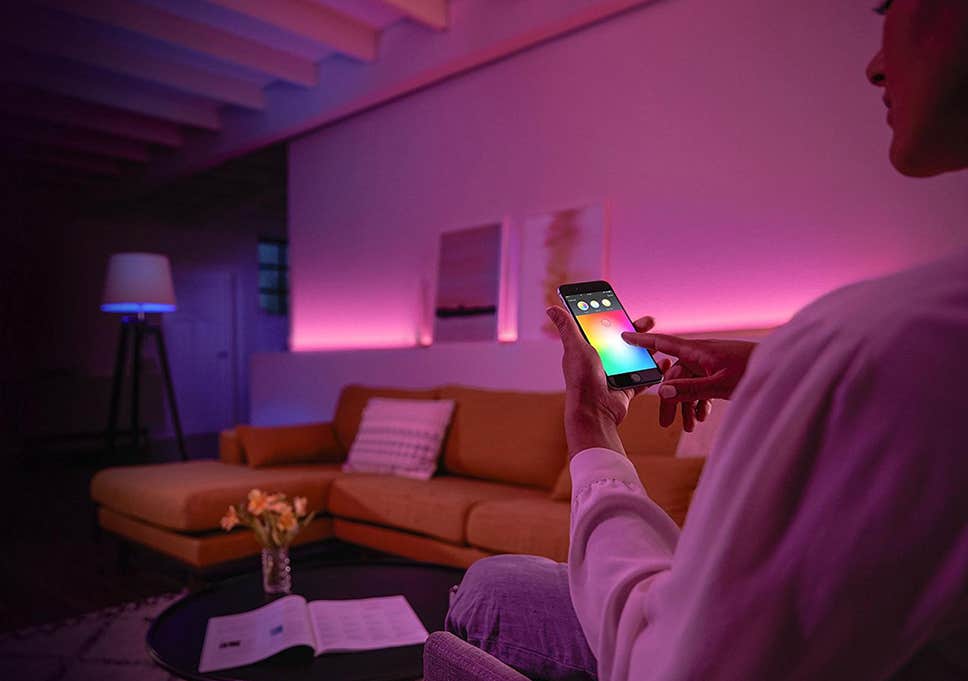
Smart lighting systems can act as an effective deterrent against intruders, enhancing the sense of security by adding a layer of security to your home. The strategic use of lighting can create the illusion of occupancy, making your property appear inhabited even when you’re away. By using smart lights in this fashion, you create a layered approach to security and protection.
Smart Lighting as a Deterrent
Activating smart lighting systems in a timed manner creates the illusion of occupancy, a crucial deterrent against potential intruders. By illuminating your home in a simulated occupied state, you create a disincentive for intruders and thereby increase your home’s overall security posture.
Integration with Other Smart Home Devices
Integrating smart lighting with other smart home devices is key to maximizing security. Imagine a scenario where your smart lights automatically turn on when your smart alarm detects motion, providing a rapid response to potential threats. This integration creates an interconnected and responsive security system, significantly enhancing your home’s security posture.
Practical Examples of Lighting Integration
Smart lighting can provide multiple benefits beyond security. For example, programmable lighting routines can create a welcoming atmosphere when you arrive home. By implementing this, you enhance both the aesthetic and security features of your home, while maximizing the protection of your family. These practical applications demonstrate the diverse functionality and value-add of smart lighting systems.
Cost Considerations and Factors to Consider
Smart lighting solutions vary in cost, depending on the number and type of lights you include in your system. The integration of this system should consider your overall budget. Thorough research is encouraged in order to understand the benefits and shortcomings of each system and to choose the optimal configuration.
Integrating Devices for Maximum Security
Interconnected Smart Security
Connecting different smart security devices creates a comprehensive and interconnected system. This integration enables these devices to work together, providing a layered approach to home security and a greater sense of protection. The integration of different smart devices creates a holistic and user-friendly experience.
Enhanced Monitoring and Response
Consider the possibility of a comprehensive monitoring system where the smart security devices are linked. An example would include a smart lock automatically locking when a camera detects a suspicious movement, or the smart alarm sending alerts if the smart lock is compromised. This integration of systems is key to enhancing the response time and effectiveness of your security measures.
Seamless Communication and Control
Interconnected systems facilitate seamless communication and control. You can monitor and manage all your devices through a single interface, providing an overview of your security status. This enhanced control provides a greater sense of security and enhances the user experience. The interconnected systems are key to a seamless and effective security system.
Implementation Strategies
Implement strategies that focus on integrating smart security systems based on your specific needs. Factor in budget constraints, available space, and preferred functionality. These strategies can create a security system optimized for your specific needs.
Future-Proofing Your Home
Modern smart security systems are designed with future upgrades in mind. Consider the long-term costs and benefits when selecting a smart security system in order to get the best value out of your purchase.
Beyond the Devices: Security Practices
Importance of Strong Passwords
Strong passwords are crucial for protecting your smart home network. Using unique and complex passwords for each account significantly reduces the risk of unauthorized access. Strong passwords are a foundational element in securing your system and protecting your family.
Software Updates and Maintenance
Regular software updates are essential for patching vulnerabilities and keeping your smart devices secure. Outdated software often presents easy targets for hackers; therefore, prioritizing updates is vital.
Physical Security Measures
Complement smart security with traditional security measures. Consider security cameras, locks, and alarms to create a multi-layered security approach.
Awareness and Training
Educate yourself and your family about smart home security practices and procedures. This awareness can create a security culture within your household.
Ongoing Monitoring and Review
Regularly monitor your smart devices for any unusual activity and review your security system’s settings to ensure it’s up-to-date.
Conclusion
FAQ
Frequently Asked Questions
Q: What are the top 3 smart security devices for home protection?
A: Top smart security devices include smart locks for enhanced entry control, security cameras for real-time monitoring, and smart alarms for rapid response to potential threats. These devices provide a robust security network for your home, allowing you to monitor and protect your family effectively from afar. Other options include smart lighting systems that simulate presence, and motion sensors that can automatically activate alarms, further boosting your security posture.
Q: How much does a smart home security system typically cost?
A: Smart home security systems can vary significantly in cost, depending on the features, number of devices, and brands you choose. The price range can span from a few hundred dollars for basic systems to thousands for more advanced and comprehensive setups. Do thorough research on different models and brands to find a system that fits your budget and specific needs. Consider cost savings in the long run, security features that matter to you, and ease of implementation.
In conclusion, smart home security devices offer a comprehensive approach to protecting your family. Implementing these technologies can significantly enhance your home’s security posture, deterring potential threats and providing peace of mind. By integrating smart security devices into your existing home setup, you are taking a proactive step towards bolstering safety and well-being for your loved ones. Consider upgrading or adding smart locks, security cameras, and smart alarms to strengthen your home security system. Visit your local tech store or browse online retailers for a wide array of smart security solutions tailored to your specific needs.