Winter plumbing prep is essential for safeguarding your home from the damaging effects of freezing temperatures. Freezing pipes can lead to costly repairs and inconvenience, often disrupting daily life. This comprehensive guide will provide you with the knowledge and steps to prevent frozen pipes this winter. We’ll explore various strategies, from simple DIY fixes to advanced preventive measures. By understanding the potential issues and the best preventative steps, you’ll be equipped to keep your plumbing system healthy throughout the winter season. This guide is structured as follows: first, we will discuss the importance of winter plumbing prep, then dive into specific strategies to insulate your pipes and maintain the necessary water pressure. Finally, we’ll review important troubleshooting tips and advice for avoiding potential issues. By the end, you’ll be well-prepared to confidently navigate winter plumbing challenges.
The Importance of Winter Plumbing Prep
Understanding the Risks of Frozen Pipes
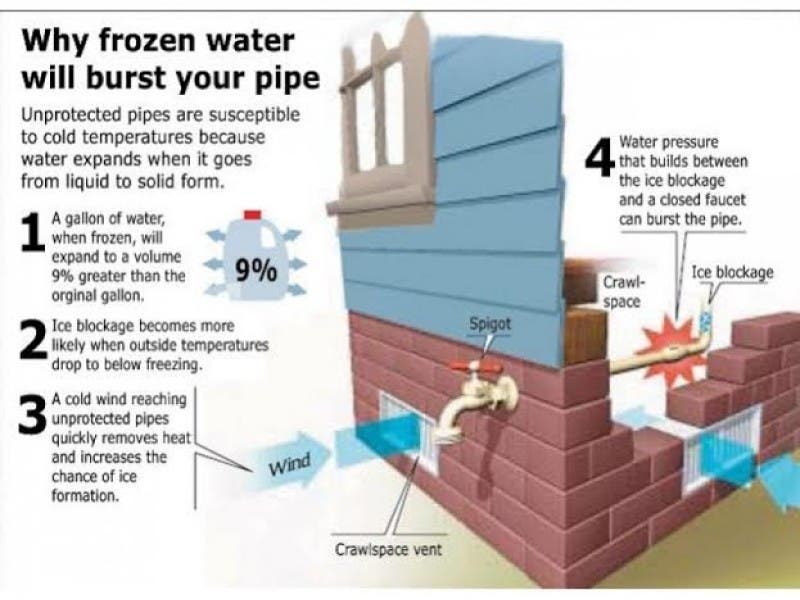
Frozen pipes are a significant concern during winter months. When water within pipes freezes, it expands, potentially causing the pipes to burst or crack. This can lead to significant water damage, flooding, and potentially structural damage to your home. The cost of repairing this damage can range from a few hundred to thousands of dollars, depending on the extent of the damage. Therefore, proactive winter plumbing prep is crucial. This is a relatively inexpensive preventative measure, compared to emergency repairs. Knowing the potential risks and understanding the preventive measures you can take will help you avoid problems later.
Identifying Areas Vulnerable to Freezing
Identifying areas most at risk of freezing is the first step in effective winter plumbing prep. Pipes located in unheated areas, such as crawl spaces, attics, exterior walls, and basements, are especially vulnerable. These are the areas most likely to experience temperature drops and potentially freezing conditions. Knowing where your pipes are located is an important step in understanding where to focus on protection. Knowing the potential risk areas and taking action is better than facing a costly repair later.
Insulating Exposed Pipes
Choosing the Right Insulation Materials
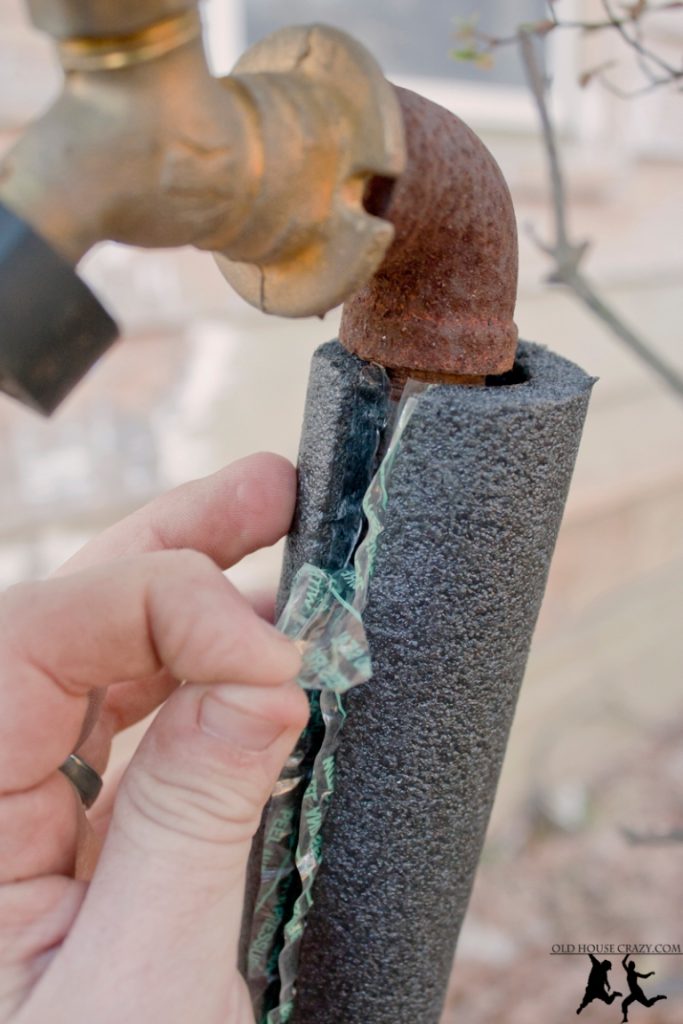
Various insulation materials can effectively protect your pipes from freezing temperatures. Consider using pipe insulation, which comes in various thicknesses and materials. For example, foam pipe insulation is lightweight and inexpensive, providing good protection against freezing. Wrapping pipes with multiple layers of insulation is often recommended for improved protection. You’ll find various materials at most home improvement stores, so research different options before purchasing.
Maintaining Water Pressure
Checking and Adjusting Pressure Regularly
Maintaining proper water pressure is essential to prevent potential problems. A dripping faucet or low water pressure can indicate issues with the water system. If you notice any unusual changes in water pressure, promptly address the issue with the help of a qualified professional. Sometimes an issue might not need extensive work, so fixing a leak or adjusting the water pressure valve may be enough.
Monitoring Temperatures
Checking for Temperature Fluctuations
Regularly checking indoor and outdoor temperatures can provide early warnings of potential freezing temperatures, providing ample opportunity to take preventative measures. Knowing your local climate and the expected temperature fluctuations is an important part of knowing when to take preventative steps. It may be appropriate to take additional preventative measures such as turning on the thermostat and ensuring faucets run with slow drips. These simple steps can prevent potentially costly or inconvenient repairs.
Seeking Professional Help
When to Call a Plumber
If you are uncertain about any aspect of winter plumbing prep, it’s always best to consult a professional plumber. A plumber can offer personalized recommendations based on your home’s unique structure and plumbing system, potentially identifying hidden risks or issues. A professional may also have useful advice to mitigate problems before they become a major issue.
Additional Tips
Preventing Damage during Extreme Cold
During particularly cold spells, consider turning on your faucets slightly to allow a slow drip of water. This helps to prevent water from freezing and expanding within the pipes. This may sound extreme, but it can prevent considerable problems if water freezes.
Addressing Frozen Pipes
What to Do When Pipes Freeze
If despite your best efforts, your pipes freeze, it is important to act quickly. Turn off the main water supply to your home, avoiding additional damage. Contact a professional plumber immediately. Attempting to thaw frozen pipes yourself can lead to further damage.
Conclusion
FAQ
Frequently Asked Questions
What if I live in a climate where extremely low temperatures aren’t expected?
Even if your area doesn’t experience exceptionally frigid temperatures, winter plumbing prep is still recommended. Unexpected drops in temperature can still affect your pipes, leading to potential damage. Proactive measures help protect your pipes and prevent costly repairs.
In conclusion, winter plumbing prep is crucial for preventing costly and inconvenient frozen pipes. By following these steps—insulating exposed pipes, ensuring proper water pressure, and monitoring temperatures—you can safeguard your home from the harsh effects of freezing temperatures. Don’t wait until a crisis occurs; proactive winter plumbing prep is a smart investment in your home’s well-being. Contact a professional plumber for any concerns or if you need additional support.