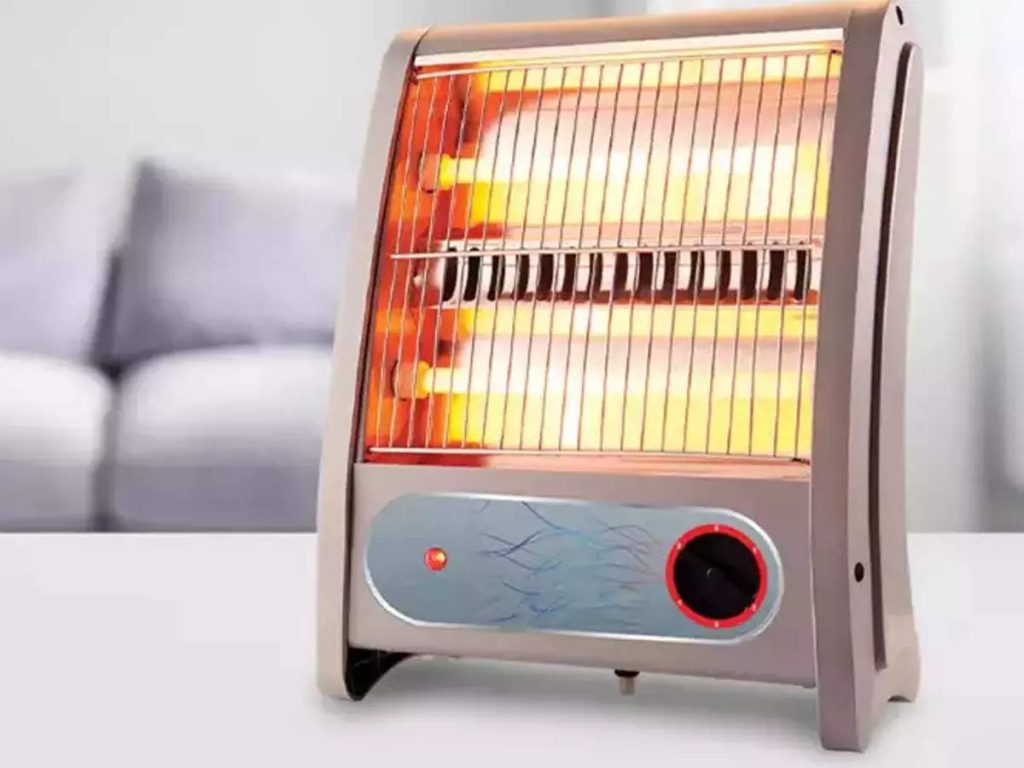
Dangers of Improper Room Heater Use are a significant concern for homeowners, and it’s essential to understand the potential risks and preventive measures to ensure safety. Imagine a cozy evening disrupted by the alarming sounds of a fire alarm, tracing its origin back to your seemingly harmless room heater. This comprehensive guide defines improper use, highlights common hazards, and outlines effective preventive measures, providing readers with crucial steps to secure their home. This article addresses the issue of improper room heater use by focusing on the risks involved, practical prevention methods, and insightful safety recommendations. We’ll explore potential hazards, preventive measures, and practical strategies, providing clear solutions to avoid dangerous scenarios. This article is structured to present the information in a logical and easy-to-understand manner.
Understanding the Risks of Overheating
Potential Fire Hazards
Improper room heater use can lead to various dangers, with overheating being a primary concern. Overheating can cause the heater’s internal components to malfunction, potentially resulting in a fire. This risk is particularly significant with older models or those operating in confined spaces or without proper ventilation. Malfunctioning elements can spark a blaze, leading to devastating consequences in terms of property damage and potential personal injury. A key factor in preventing such mishaps is ensuring correct use, maintenance, and appropriate spacing around flammable materials. For instance, placing a heater directly behind a curtain or too close to furniture significantly increases the risk of ignition.
Common Misunderstandings About Heaters
Many individuals underestimate the potential for fire hazards associated with room heaters. A common misunderstanding is believing that only older models or faulty ones can pose a threat. Even modern, well-maintained heaters can become a fire hazard if not operated properly or placed in inappropriate locations. Neglecting simple maintenance procedures, such as cleaning the heater’s vents or ensuring adequate airflow, can drastically increase the risk of overheating. A critical aspect of preventing fires is to avoid placing heaters near curtains, furniture, or other flammable materials. This is crucial for maintaining a safe home environment.
Preventive Measures for Overheating
The most effective strategy for preventing overheating is through proper operation and maintenance. Always follow the manufacturer’s instructions meticulously for placement, usage, and maintenance. Ensure there’s adequate ventilation and place the heater away from flammable materials. Regular checks and prompt repairs of any component issues are key steps to prevent potential overheating issues. Using appropriate heat shields can also protect flammable materials from excessive heat. Understanding these simple safety precautions can significantly reduce the risk of fire hazards associated with overheating.
Preventing Fires from Faulty Wiring
Identifying Potential Problems
Faulty wiring in room heaters is another significant concern. Damaged or exposed wires can lead to short circuits, creating a substantial fire risk. Over time, wiring can degrade due to wear and tear, exposure to moisture, or physical damage. Visual inspection of the cords and connections is crucial to identify these potential problems. In addition, ensuring that the electrical outlet is capable of handling the heater’s wattage is vital in preventing electrical overload and potential short-circuit risks. Electrical overload frequently results in significant fire risk.
Consequences of Electrical Malfunctions
Electrical malfunctions in room heaters can have catastrophic consequences. Overloaded circuits and short circuits can lead to fires, causing extensive damage to property and posing significant threats to residents. Not only can fires destroy homes, but they can also result in serious injuries and, in some cases, even fatalities. Understanding these implications highlights the importance of routine inspections and maintenance for all heating appliances.
Preventive Steps
To prevent electrical malfunctions, it’s important to adhere to certain safety precautions. Regular inspection of the heater’s wiring and electrical components is critical. Always use the heater with its proper power cord and plug it into a suitable outlet. Avoid overloading the electrical circuit with other appliances. Immediately replace any damaged or frayed electrical cords. Seek professional assistance when necessary for any electrical repairs or troubleshooting, as even seemingly minor issues could lead to serious risks.
The Impact of Insufficient Ventilation
The Role of Airflow
Insufficient ventilation, coupled with the use of a room heater, can create a dangerous situation. When a heater is used in an area with poor airflow, it can overheat and potentially ignite flammable materials in the vicinity. Improper ventilation can also lead to the buildup of harmful fumes or gases. Maintaining sufficient airflow is essential for safe room heater operation. Inadequate ventilation can lead to overheating, contributing to a buildup of flammable gases, increasing the risk of fire or explosion.
The Importance of Proper Air Circulation
Proper air circulation is crucial for safe operation. A room should have proper air circulation to ensure adequate airflow. Using a heater in a poorly ventilated space or when the airflow is blocked can cause the surrounding environment to overheat. Proper ventilation is critical for dissipating the heat generated by the heater, preventing overheating and maintaining a safe temperature.
Ventilation Tips
To ensure proper ventilation, open windows or doors to allow for better air circulation if possible. Keep the area around the heater clear of obstructions. Regularly clean vents and air filters to maintain proper airflow around the heater. Ensuring sufficient airflow is essential for keeping the area around the heater safe and preventing unexpected overheating.
Unattended Operation and Potential Risks
The Importance of Supervision
Never operate a room heater unattended, especially in the presence of children or pets. Children and pets are particularly vulnerable to heat hazards or accidents related to room heaters. Supervise their activity in areas where heaters are in use and take necessary measures to prevent them from approaching or touching the heater. It is important to avoid distractions when operating a heater, maintaining vigilance to prevent accidental burns or fires, especially when children or pets are present.
Unexpected Scenarios
Unattended operation can lead to unforeseen events. Overheating or malfunctioning components can go unnoticed if left unattended. Overheating is a crucial risk to watch out for when a heater is left unattended. This can be a potentially serious threat in the form of a fire, and it’s vital to avoid any risk and keep these situations from happening.
Additional Precautions
Install and maintain functioning smoke detectors in the area to quickly alert you to any fire incidents. Educate family members and household guests on the proper procedures to follow in case of fire. Having an escape plan in place is essential for any home with a heating appliance. Designate a specific person to monitor the operation of the appliance, particularly during extended periods or when children or pets are present.
Placement and Flammable Materials
Choosing a Safe Location
Careful placement of room heaters is critical to mitigating potential hazards. Position the heater a safe distance from flammable materials like curtains, bedding, furniture, or any other potentially combustible items. A general rule of thumb is to maintain a minimum distance of at least three feet between the heater and any flammable materials to minimize fire risks.
Ensuring Clear Space Around the Heater
Maintaining an unobstructed area around the heater is essential for ensuring proper heat dissipation and minimizing fire hazards. Obstructions impede proper heat dispersal, leading to localized overheating. This increased heat concentration near obstructions can easily ignite nearby flammable materials.
Additional Tips
Never place a room heater directly behind or near furniture or curtains. Regularly clear the area around the heater to maintain the proper distance between it and flammable materials. Having a plan for dealing with potential fire hazards is critical, in the event that they occur.
Regular Maintenance
Checking for Wear and Tear
Regular maintenance is essential for ensuring the safety and longevity of room heaters. Inspecting the heater for any signs of wear and tear, such as damaged cords, loose connections, or overheating components, is crucial. Early detection of such issues can prevent potential accidents.
Cleaning and Inspection Schedule
Establish a regular cleaning and inspection schedule to address potential hazards promptly. This schedule could involve cleaning vents, examining components, and checking for any signs of corrosion or damage. Always refer to the manufacturer’s instructions for specific maintenance requirements.
Importance of Following Instructions
Following the manufacturer’s instructions for maintenance is crucial for ensuring the heater operates safely and effectively. These instructions often outline recommended cleaning protocols and steps for inspecting different parts. These precautions are essential for maintaining the heater’s safety and lifespan.
Safety Protocols and Procedures
Emergency Preparedness
Develop an emergency plan to deal with potential heater-related incidents. Familiarize yourself with fire safety procedures and emergency contacts. Having a clear plan of action can help you to respond quickly and effectively in case of an incident.
Installing and Maintaining Smoke Detectors
Properly install and maintain smoke detectors in your home, ensuring their functionality in case of an emergency. Smoke detectors are vital in alerting you to fire incidents early on, increasing your chances of preventing a serious fire incident.
Educating Household Members
Educate household members on fire safety procedures, explaining how to react in case of a room heater fire. Develop clear procedures to guide everyone in the household on how to respond to a fire. Training household members on how to identify potential fire hazards can drastically reduce risks in the home.
Choosing the Right Heater Type
Comparison of Different Heater Types
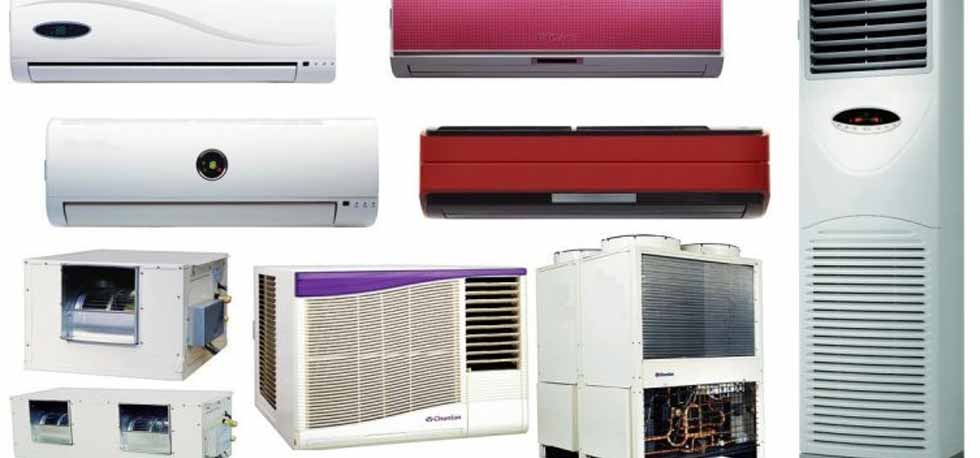
Different room heater types have varying safety features. Consider the type of heater for potential fire risks and safety. Different heater types have different levels of potential risks.
Assessing Safety Features
Evaluate the safety features of a heater based on specific needs and usage conditions. Understanding the features of a heater and how it functions is important for determining the potential risks. A thorough analysis of each heater type can help reduce risk and improve safety.
Additional Considerations
Consider aspects like size and power capacity when evaluating different types of heaters. Always evaluate the needs of a room and the risks associated with various heater types.
Prevention During Specific Situations
Winter Safety Considerations
Wintertime presents specific considerations in the context of heater use. Make sure to follow proper operating procedures for maximizing safety in winter. Extreme winter conditions can intensify risks from heater use.
Safety During Power Outages
Plan for potential power outages. Make sure that you have an alternative heating source or take precautions to prevent hazards. Be prepared for winter conditions.
Avoiding Overloading Electrical Circuits
Avoid overloading electrical circuits during heavy use. Make sure that the circuits and outlets are capable of handling the load.
Frequently Asked Questions
What are some common causes of room heater fires?
Improper room heater use is a leading cause of house fires, stemming from factors such as overheating, faulty wiring, insufficient ventilation, or placing the heater too close to flammable materials. Improper maintenance, including failing to clean the heater or replace damaged parts, further increases the risk. Neglecting these simple steps can result in dangerous situations.
How can I prevent room heater accidents?
Preventing room heater accidents requires a multifaceted approach. Regularly inspecting the heater’s components and ensuring proper ventilation is critical. Never leave the heater unattended, especially when children or pets are present. Ensure a safe distance between the heater and any flammable material, like curtains, furniture, or bedding. Establish clear safety protocols, such as having a smoke detector installed and knowing how to react in case of a fire. Simple steps like following these guidelines can drastically minimize the risk of room heater accidents. Regular maintenance, including cleaning and inspecting the unit’s components, can significantly extend its lifespan and safety.
In conclusion, preventing room heater hazards is crucial for ensuring a safe home environment. Understanding the dangers of improper heater use, from overheating to fire risk, is paramount for protection. By adhering to safety guidelines, such as proper installation, regular maintenance, and establishing clear safety protocols, you can mitigate the risks associated with room heaters. Remember, small precautions can prevent devastating consequences. Regularly checking for potential issues and practicing fire safety measures are essential to preventing accidents, keeping your home safe, and reducing the risk of injuries or fatalities. Always prioritize safety when using heating appliances. By following the advice in this article, you can significantly reduce the risk of fire or injury, ensuring a secure and peaceful home environment for yourself and loved ones.