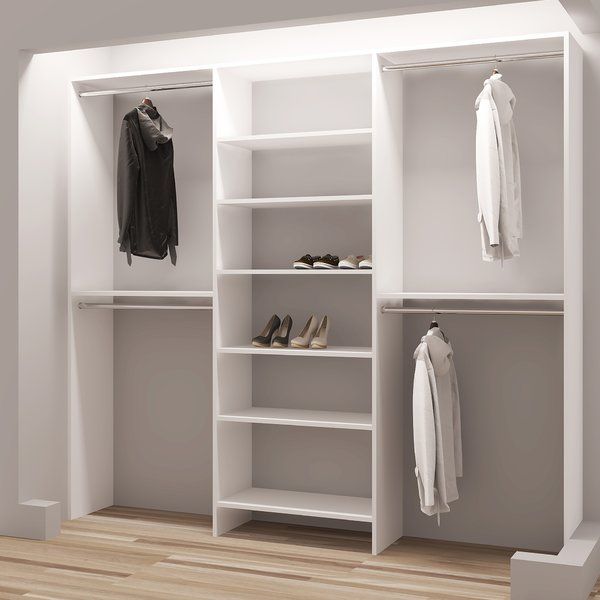

Home office organization is paramount to maximizing productivity and minimizing stress in a work-from-home environment. Imagine a workspace that effortlessly supports your workflow, leaving you feeling focused and energized instead of overwhelmed and drained. A well-organized home office is more than just a physical space; it’s a reflection of your ability to manage your time and tasks effectively, directly impacting your overall well-being. Many people struggle with finding balance between work and personal life at home, often leading to reduced focus and increased stress. This article will delve into practical strategies for organizing your home office, maximizing productivity, and significantly reducing stress. We’ll explore various aspects, from decluttering and ergonomic setups to efficient workflow management and time-saving strategies, providing clear and actionable solutions.
Decluttering and Creating a Functional Space
Clearing the Clutter
Decluttering is the first step in creating a productive and stress-free home office. A cluttered workspace can lead to mental clutter, making it difficult to focus on tasks. Identify items you no longer need or use. Donate, sell, or discard unneeded items. Consider using storage solutions like bins, shelves, and drawers to keep your workspace neat and organized. Categorize items by type and frequency of use, organizing them in logical groupings. This helps you quickly locate what you need without rummaging through piles of clutter. A well-organized space fosters a sense of calm and control, immediately reducing stress levels.
Choosing the Right Layout
The layout of your home office significantly impacts your productivity. Designate a specific area for work, free from distractions. Evaluate natural light sources and consider incorporating these into your layout. Natural light can significantly improve mood and reduce eye strain, which is key to your well-being. Consider your workflow when placing your computer, phone, and other essential tools. Strategically placing these items can streamline your workflow and reduce unnecessary movements or searches. This will create a more focused and efficient work environment.
Essential Workspace Essentials
A well-equipped home office is an efficient home office. Invest in ergonomic furniture like a comfortable chair, a proper desk height, a monitor riser, and a comfortable chair. Prioritizing good posture can significantly improve your physical well-being and reduce the risk of discomfort and injury. Ensure you have ample lighting to reduce eye strain and fatigue. A well-lit workspace promotes better focus and reduces headaches, increasing your productivity.
Establishing a Routine and Workflow
Implementing a Daily Schedule
Creating a daily schedule is essential for managing tasks effectively and maximizing productivity. Block out specific times for work-related tasks, breaks, and personal activities. Consistent schedules improve focus and reduce the feeling of being overwhelmed. Utilize time management techniques like the Pomodoro Technique, which involves working in focused intervals with short breaks to maintain momentum. This technique helps improve focus and efficiency, which translates to reduced stress levels.
Optimizing Time Management
Prioritize tasks according to their urgency and importance. Break down large projects into smaller, manageable tasks. Utilize tools like to-do lists, calendars, or project management software to track your progress. Effective time management significantly reduces stress by giving you control over your schedule. Using a timer for specific tasks, like responding to emails or completing reports, can help you stick to your schedule and maintain focus, thereby reducing stress.
Incorporating Breaks and Mindfulness
Regular breaks are crucial for maintaining focus and preventing burnout. Schedule short breaks throughout the day to stretch, walk around, or simply relax. Incorporate mindfulness exercises, like deep breathing or meditation, into your routine to reduce stress and improve focus. Taking breaks can increase productivity. Mindfulness practices can improve focus and reduce stress and anxiety, creating a more balanced and productive work environment.
Minimizing Distractions and Noise
Creating a Distraction-Free Zone
Identifying and minimizing distractions in a home office is vital for maintaining focus. Communicate your need for focused work time to household members and create a dedicated workspace that minimizes disruptions. Consider using noise-canceling headphones or playing calming music to block out unwanted sounds. Designate a specific time for personal tasks and errands to reduce interruptions during work hours. These strategies create an environment optimized for productivity, stress reduction, and focused work.
Utilizing Technology for Focus
Utilize technology to your advantage in minimizing distractions. Turn off social media notifications, email alerts, and other potential distractions. Use website blockers to prevent unwanted time-wasting activities from interrupting your workflow. Scheduling specific times for checking emails and social media helps maintain focus on work-related tasks. These strategies create a more controlled and productive environment, reducing stress and maximizing focus.
Cultivating a Calming Atmosphere
Enhance your workspace with elements that create a calming and supportive atmosphere. Natural light and plants can improve mood and reduce stress. Incorporate colors that promote relaxation and focus. Consider incorporating a comfortable chair and a desk with a monitor that’s easy on the eyes. These elements contribute to the creation of a pleasant, organized and inspiring work environment that promotes productivity and reduces stress.
Ergonomics and Physical Well-being
Maintaining Proper Posture
Maintaining proper posture in your home office is crucial for minimizing physical strain and reducing stress. Use an ergonomic chair that provides proper support for your back. Adjust your desk height to maintain a neutral spine position. Ensure your monitor is at eye level to prevent neck strain. Regular stretching and movement breaks are also vital in preventing stiffness and discomfort. Taking care of your body promotes focus and well-being.
Prioritizing Physical Health
Include regular physical activity in your routine. Even short walks or stretching exercises can significantly improve your energy levels and reduce stress. Prioritize a healthy diet and sufficient sleep to support your physical and mental well-being. These crucial elements impact your focus and productivity. These elements directly impact stress levels.
Optimizing Your Workspace for Comfort
Your home office should be comfortable and supportive. Choose a comfortable chair and ensure your desk is at a height that allows you to maintain a natural posture. Use a monitor stand to adjust the height of your monitor to maintain an optimal viewing angle and reduce eye strain. These strategies promote physical and mental well-being and reduce stress.
Digital Organization and Productivity Tools
Streamlining Digital Workflow
Streamlining your digital workflow is essential for maximizing productivity in a home office. Use cloud storage solutions to store documents and files. Utilize project management software to track progress and delegate tasks effectively. Establish a filing system for important documents, making them easily accessible when needed. Utilize note-taking applications or digital planners to organize your thoughts and ideas. These methods greatly impact the effectiveness of your home office and reduce stress.
Utilizing Productivity Apps
Productivity apps can enhance your workflow and reduce stress. Explore apps that help you prioritize tasks, manage your schedule, or block distracting websites. Utilize apps to track your time and identify time-wasting activities. Implement strategies to prevent distractions and enhance focus.
Managing Email Effectively
Managing emails effectively is essential for productivity and stress reduction. Establish a specific time each day to check and respond to emails. Categorize and file emails efficiently, ensuring you can quickly locate important information. Utilize filters and rules to automate email management and reduce the overwhelming feeling associated with constant email notifications.
FAQ
Q: How can I prioritize tasks in my home office to improve productivity?
A: Prioritizing tasks is key to a productive home office. Establish a system for managing your workload. Use tools like to-do lists, project management software, or even a simple notebook. Categorize tasks by urgency and importance. Tackle high-priority items first, and break down larger projects into smaller, manageable steps. Regular reviews and adjustments to your schedule are essential for maintaining focus and preventing overwhelm. Regularly assess progress and adjust your strategy as needed to optimize your workflow.
Q: What are some effective strategies for minimizing distractions in a home office environment?
A: Minimizing distractions in a home office environment is crucial for concentration. Designate a specific workspace and communicate your need for focused time to household members. Turn off notifications on your phone and computer. Utilize noise-canceling headphones or create a calming playlist to block out background noise. Establish clear boundaries between work and personal time to prevent distractions from encroaching. Implementing these strategies can create a more conducive atmosphere for productivity and focus.
Q: Are there specific ergonomic considerations for a home office setup to reduce stress?
A: Ergonomics play a significant role in maintaining comfort and reducing stress in a home office. Ensure your chair provides adequate support for your back and posture. Adjust your desk height to maintain a neutral spine position. Use a monitor riser to keep your screen at eye level to prevent neck strain. Regular breaks are essential for preventing physical strain and promoting well-being. Adequate lighting and air circulation are also important aspects of a comfortable and stress-free workspace. These factors contribute significantly to minimizing strain and maximizing comfort in your home office.
In conclusion, optimizing your home office space for productivity and stress reduction is an investment in your well-being and overall success. By implementing these strategies, you can create a workspace that not only enhances your efficiency but also fosters a positive and inspiring environment. Remember to personalize your space to suit your needs and preferences, and regularly evaluate and adapt your organization methods. Embrace the power of a well-organized home office to boost your productivity and reduce your stress levels. Ready to transform your home office? Let’s get started!