This ultimate guide to landscaping provides a comprehensive overview of design, maintenance, and more, equipping you with the knowledge to create a breathtaking outdoor haven. Imagine stepping onto a deck overlooking a vibrant garden, a perfect sanctuary for relaxation and enjoyment. Landscaping is more than just aesthetics; it’s about functionality, sustainability, and creating a space that reflects your personality. Many homeowners struggle with overwhelming choices and lack a systematic approach to their landscaping needs. This guide provides a step-by-step framework, from initial design to ongoing maintenance, ensuring your outdoor space flourishes and brings joy. We’ll cover everything from choosing the right plants and creating functional zones to establishing a robust maintenance schedule. Let’s dive in!
Understanding Your Landscaping Needs
Assessing Your Property and Lifestyle
Before diving into design choices, it’s essential to understand your specific needs and the potential of your property. Consider your lifestyle, budget, and the desired function of the outdoor space. Do you prioritize relaxation, entertaining guests, or growing your own food? Do you have a large yard or a small patio? These factors will influence the design and maintenance strategies you employ. A well-defined understanding of your needs is the cornerstone of successful landscaping.
Site Analysis and Considerations
Conduct a thorough site analysis that evaluates your yard’s aspects, like sun exposure, soil type, existing vegetation, and drainage. Understanding the natural contours of your land helps create a design that harmonizes with the environment. Consider the slope, drainage patterns, and the presence of any existing trees or structures. These considerations are vital for successful plant selection and landscape functionality. Take detailed notes about your property and any specific limitations or opportunities that might impact the design. For instance, a sloping yard may require retaining walls to level areas for gardens or walkways.
Designing Your Dream Landscape
Planning and Layout
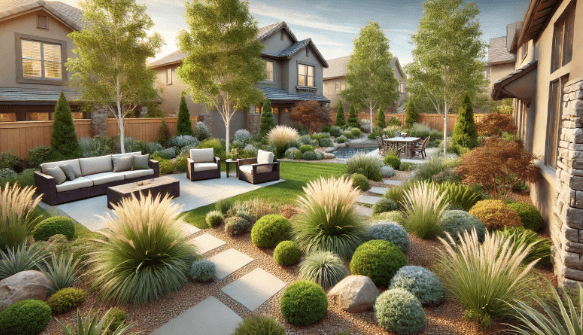
A well-planned layout is crucial for maximizing space and achieving desired aesthetics. Consider creating functional zones like a seating area, a garden for herbs and vegetables, and a pathway connecting these areas. These zones should cater to your lifestyle and activities, allowing for easy movement and enjoyable use of the space. A thoughtfully designed layout creates a sense of flow and order. Visualize the space by sketching different layouts, using grid paper or digital tools to scale your plans.
Choosing the Right Plants
Plant selection is a crucial element of any landscaping design. Consider factors like sun exposure, soil type, and water requirements when choosing plants. Native plants, suited for the local climate, are usually more resilient and require less maintenance. Consider the size and shape of plants at maturity to ensure they fit the design plan. Research different plant varieties and explore their potential to add color, texture, and fragrance to your landscape.
Consult local nurseries or gardening experts for guidance on plant suitability in your area.
Creating a Sustainable Landscape
Water Management
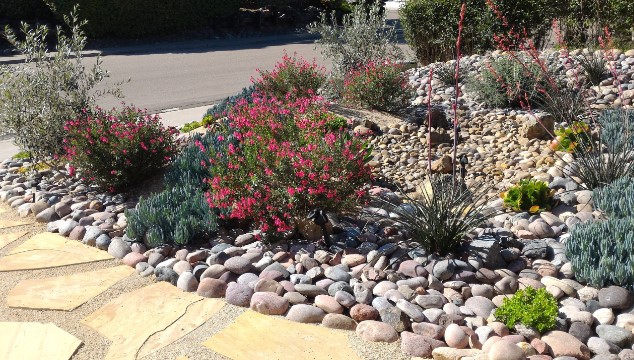
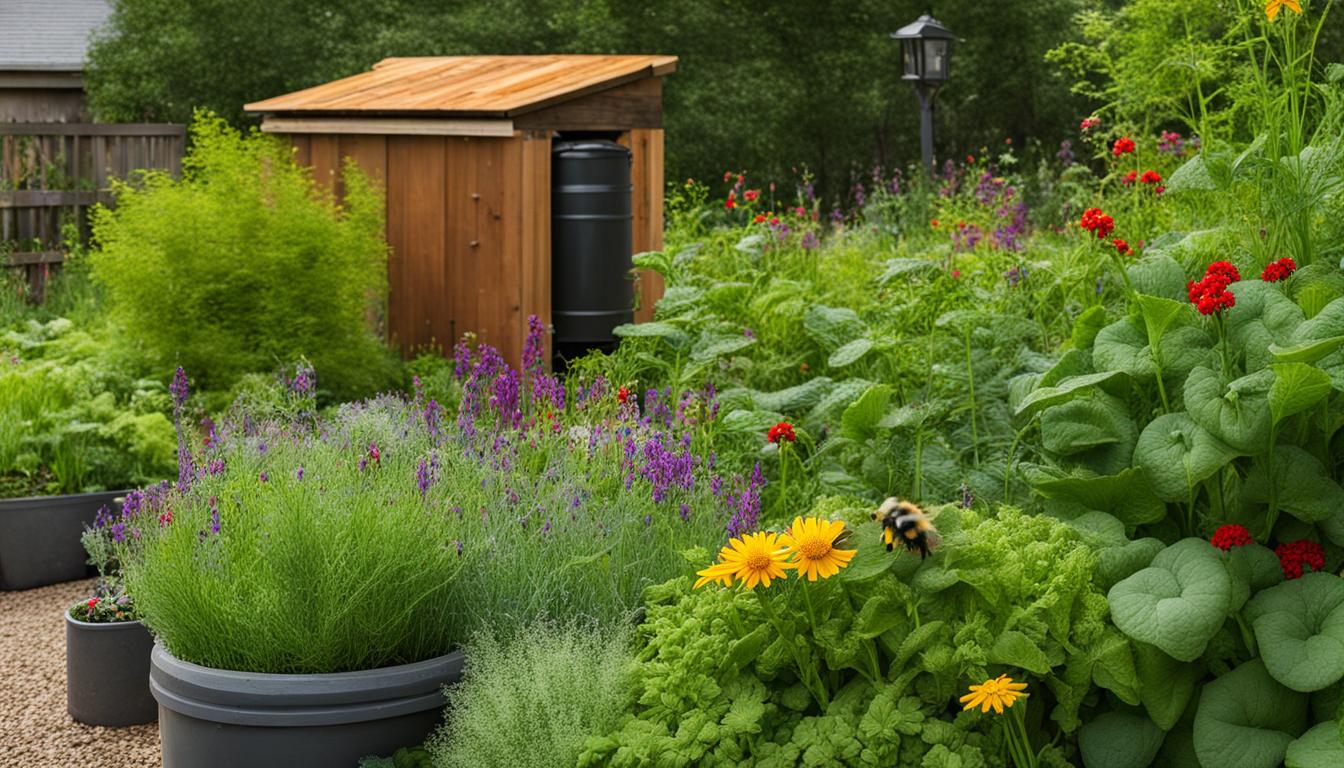
Efficient water management is essential for any sustainable landscape. Xeriscaping, a water-wise landscaping technique, involves using drought-tolerant plants and minimizing water usage. Consider installing rain barrels to collect rainwater for irrigation or using drip irrigation systems to deliver water directly to plant roots. This approach significantly reduces water consumption and promotes long-term sustainability. Implementing these strategies contributes to conserving water resources.
Soil Improvement
Healthy soil is fundamental to vibrant plant growth. Improve soil structure by adding organic matter like compost or well-rotted manure to enrich the soil and enhance its water-holding capacity. This provides essential nutrients for plant development, promoting overall plant health and vigor. A well-maintained soil structure is vital for optimal plant growth and landscape success.
Maintaining Your Landscape
Regular Maintenance
Establish a regular maintenance schedule encompassing tasks like mowing the lawn, weeding, pruning, and watering. Consistent upkeep prevents weeds from overtaking the area and promotes a clean and organized appearance. Regular weeding, pruning, and deadheading contribute to healthy plant growth and aesthetic appeal. Schedule these tasks during the appropriate seasons to optimize plant growth.
Pest and Disease Control
Regular inspections for pest and disease issues are crucial. Early detection allows you to implement preventative measures and control outbreaks before they spread. Use organic or natural pest control methods to ensure the well-being of your plants while safeguarding the environment.
Enhancing Your Outdoor Living Space
Outdoor Furniture and Accessories
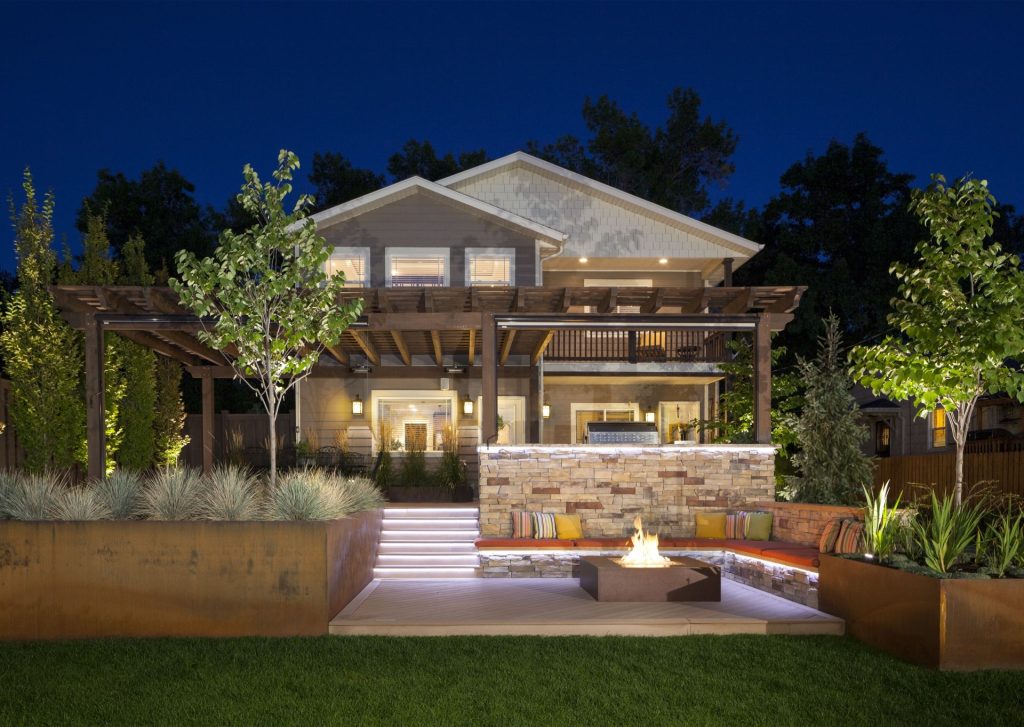
Complementary furniture, lighting, and accessories can elevate the ambiance and functionality of your outdoor space. Select furniture and accessories that blend with the overall design. Durable materials, weather-resistant qualities, and attractive aesthetics are essential for long-term enjoyment. Strategic placement of furniture and accessories can create intimate or expansive spaces.
Pathways and Walkways
Well-maintained pathways and walkways are crucial for easy navigation within the landscape. Materials like pavers, gravel, or wood can create distinct pathways, enhancing the flow and visual appeal of the space. Ensure proper drainage to prevent water accumulation, contributing to the longevity and safety of these areas.
In conclusion, mastering landscaping design and maintenance is a rewarding journey. From meticulous planning to regular upkeep, landscaping enhances both the aesthetic appeal and the functional value of your property. The key to success lies in understanding your needs, choosing the right plants, and implementing a sustainable maintenance strategy. By following the insights shared in this ultimate landscaping guide, you’ll transform your outdoor space into a beautiful and thriving oasis. Ready to embark on your landscaping transformation? Contact a local landscaping professional or visit our website for a free consultation today.