
DIY garden design is the perfect way to create a personalized outdoor oasis. Whether you have a sprawling backyard or a compact balcony, transforming your outdoor space into a haven is achievable with creativity and careful planning. Many people struggle with the fear of not knowing where to start or how to create a visually appealing and functional garden. This guide will provide actionable steps, from initial planning to final touches, enabling you to create your dream garden. We will cover various design styles, budget-friendly solutions, plant selection, and essential maintenance tips. Get ready to transform your space!
Planning Your Dream DIY Garden Design
Understanding Your Space
Every garden project should begin with a thorough understanding of your specific space. Sunlight exposure, soil type, and available water resources play pivotal roles in selecting suitable plants and creating a flourishing environment. Carefully analyze your garden’s dimensions, noting sunlight exposure patterns throughout the day. Consider the soil quality in your area. The soil structure can significantly impact plant growth. Assess the existing drainage, irrigation system, and access to water sources. A clear understanding of these factors will allow you to choose plants that thrive in your unique microclimate, maximizing the beauty and longevity of your garden.
Choosing the Right Design Style
Exploring Diverse Design Styles
From minimalist zen gardens to vibrant cottage gardens, explore the numerous design styles that can bring your vision to life. Research different styles to find one that suits your preferences and complements your personality. A well-chosen style can guide your design decisions and unify the elements of your garden. Consider the colors, textures, and overall aesthetic you want to achieve. Researching various examples online can provide valuable insights, such as a French garden’s emphasis on symmetrical design and the use of formal hedges. This visual research can provide insights into potential solutions for your space.
Budget-Friendly DIY Garden Design
Maximizing Your Budget
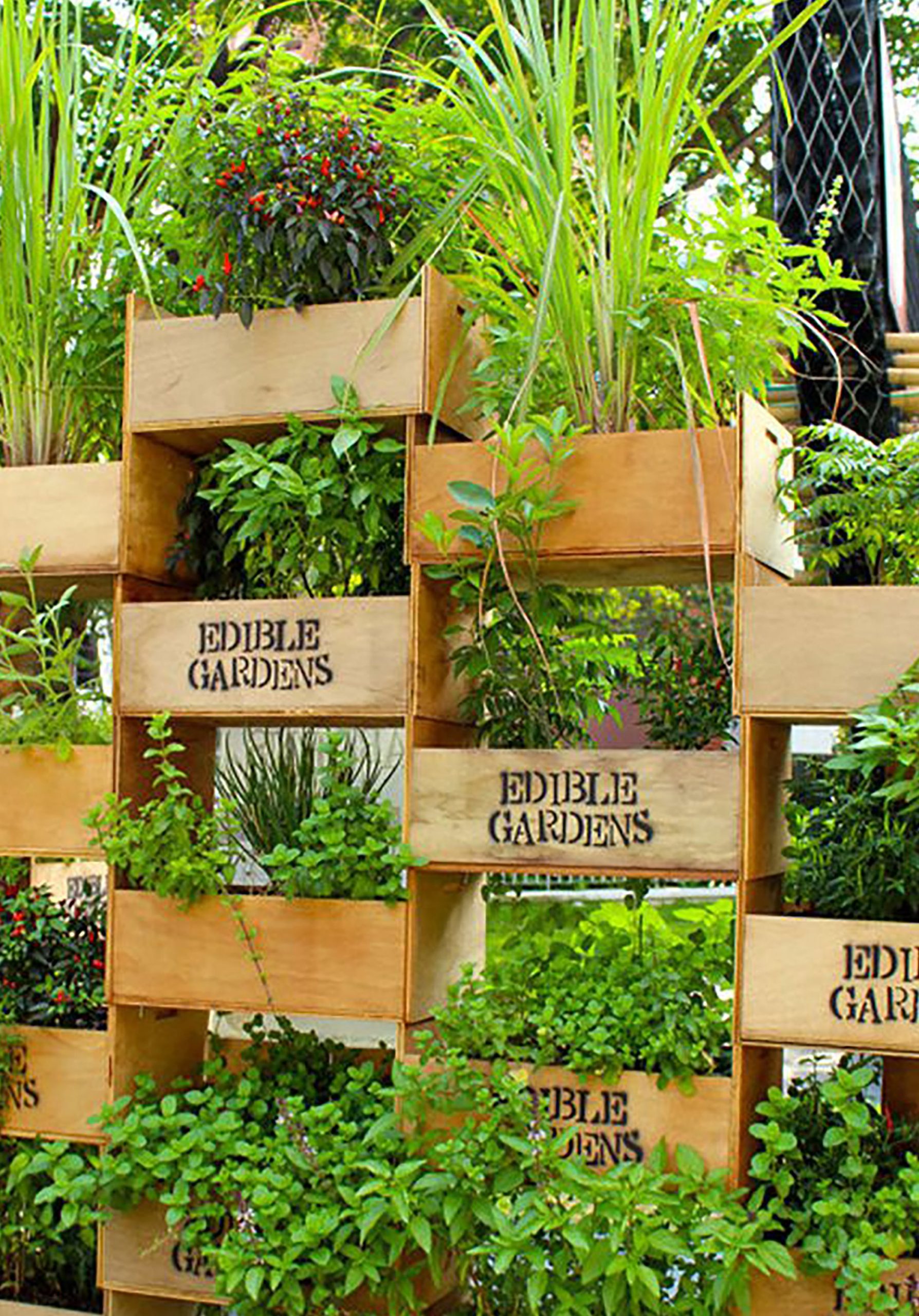
Budget constraints shouldn’t limit your garden dreams. With a little creativity and resourcefulness, you can create a stunning garden without breaking the bank. Repurpose materials like old pallets into raised beds, utilize discarded containers as unique planters, or source affordable decor items from local thrift stores. Consider using recycled materials to create your garden art, adding a personal touch and saving money. Creative repurposing can add a unique character to your design while keeping costs down.
Plant Selection and Placement
Choosing the Perfect Plants
Plant selection is a crucial aspect of any DIY garden design. Select plants that are well-suited to the specific conditions of your space. Thoroughly research plants’ light, water, and soil needs to ensure their well-being and longevity. Consider adding some shade plants in areas of your garden that receive less sunlight. Combine various plant heights and textures to create visual interest and dimension. Grouping similar plant types together can create striking displays.
Maintaining Your DIY Garden
Long-Term Care Strategies
Regular maintenance is crucial for the health and longevity of your DIY garden. Implement a routine for watering, weeding, and pruning, tailored to the needs of your specific plants. Understanding the specific needs of each plant will allow you to develop the proper maintenance strategy. Consider regular fertilization to boost plant growth and maintain healthy plants. Establishing regular maintenance routines helps in keeping your garden in optimal condition. These practices will ensure a thriving and visually appealing garden over time.
Adding Finishing Touches
Enhancing the Aesthetics
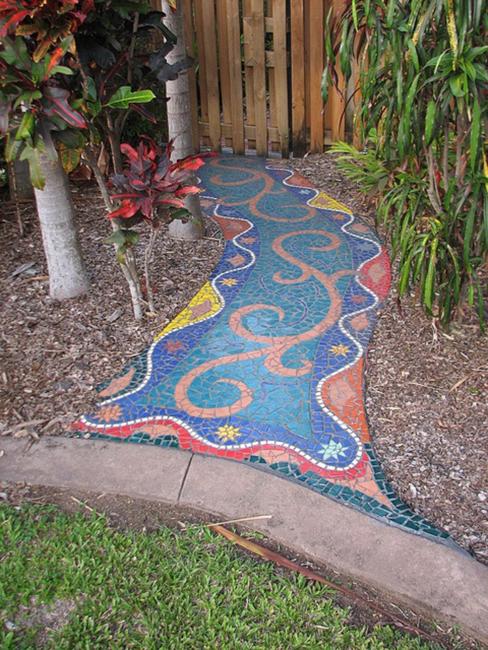
The final touches can greatly enhance the visual appeal of your DIY garden. Consider incorporating decorative elements such as garden art, bird feeders, or pathway stones. These elements can enhance the overall aesthetic and bring a unique character to your space. You can create a relaxing atmosphere by adding soft lighting elements. The use of carefully chosen features can create a welcoming atmosphere. Adding a small fountain or other water feature can create a calming sound in your garden, further enhancing the aesthetic appeal.
Creating a Functional Space
Integrating Practicality
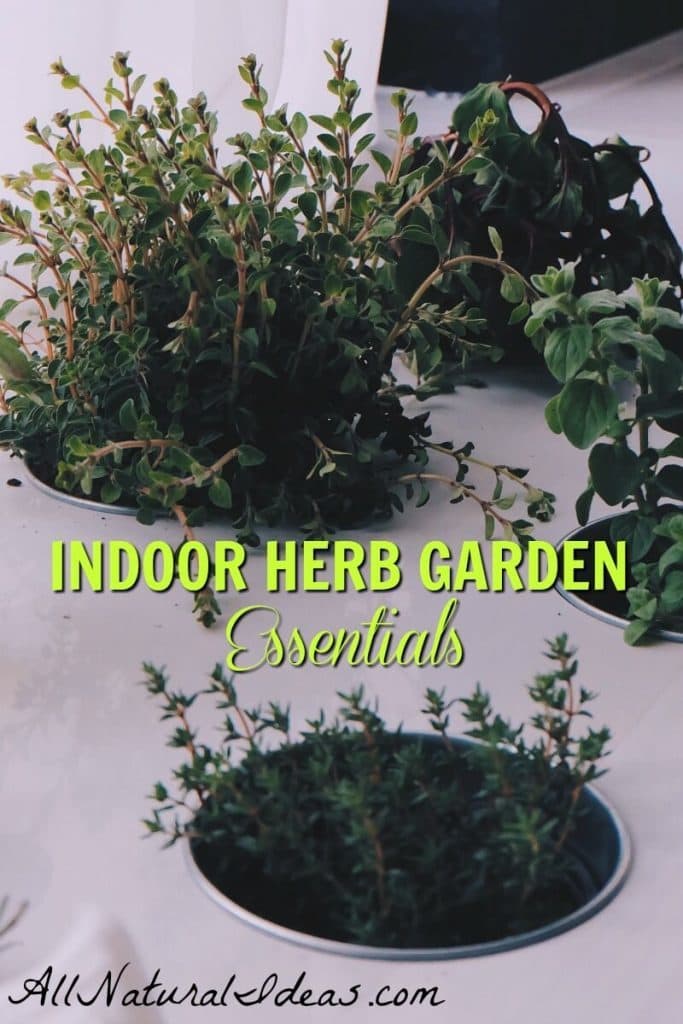
Don’t forget the functionality of your garden. Consider creating designated areas for specific activities, such as seating for relaxation or a dedicated space for growing herbs. Design your garden with a balance between aesthetics and practicality. Create designated areas for specific activities and functions, such as an outdoor dining or play area, integrating practicality into your design. Maximize the use of your garden, turning it into a multifunctional outdoor space.
FAQ:
How can I find inspiration for a DIY garden design?
“There are tons of inspiration resources available! Explore online gardening communities, browse design magazines, and visit local nurseries or gardens. Look for gardens that reflect your personal taste and find inspiration in their layouts and plant choices. Pinterest is also a great tool for visual inspiration.”
What are the most important aspects of planning a DIY garden?
“Planning a successful garden involves careful consideration of sunlight exposure, soil type, and water availability. Understanding these elements is crucial for selecting suitable plants and creating a thriving environment. Think about your preferred style and the amount of time and effort you’re willing to dedicate to maintenance. Knowing these elements is key to maximizing your garden’s potential.”
What are some cost-effective ways to enhance my DIY garden design?
“Embrace repurposed materials! Old pallets can be transformed into raised beds, and discarded containers can become unique planters. Visit local thrift stores or online marketplaces for affordable decor, like birdhouses or statues. You can also create your own garden art using recycled materials for a personalized touch and a lower cost. Creativity is key to finding affordable ways to enhance your garden’s design.”
In conclusion, DIY garden design offers a rewarding journey towards creating a personalized and beautiful outdoor space. By understanding design principles, embracing creativity, and employing practical tips and tricks, you can transform your garden into a tranquil haven. Remember to prioritize your needs, choose suitable plants, and tailor the design to your specific preferences. For further inspiration, explore online resources and gardening communities. Start planning your dream garden today!