Smart upgrades offer a pathway to energy-efficient home improvements that pay off handsomely. Imagine enjoying a comfortable home while significantly reducing your energy bills—this is the potential that smart upgrades unlock. These improvements don’t just focus on immediate savings but also encompass a broader goal of creating sustainable living environments. Many homeowners face challenges like rising energy costs and environmental concerns. This article explores various smart upgrades that address these issues head-on, offering practical solutions and illustrating their potential benefits. We will cover key areas like energy-efficient appliances, insulation upgrades, smart home technology, and the overall return on investment to provide a comprehensive guide for achieving energy-efficient homes. This article is structured to help you understand the different types of smart upgrades, their cost-effectiveness, and their environmental impact.
Energy-Efficient Appliances: A Smart Upgrade
Understanding Energy-Efficient Appliances
Energy-efficient appliances are designed to use less energy to perform the same function as traditional appliances. This translates to lower utility bills and a smaller environmental footprint. The most significant savings often come from refrigerators, washing machines, and dryers. The average household spends a considerable portion of their energy budget on appliances, so investing in energy-efficient models is a smart move. Numerous brands offer various options, and many models come with certifications to verify energy efficiency. Look for Energy Star ratings, which are a standard measure of energy efficiency.
Choosing the Right Appliances
When choosing energy-efficient appliances, consider factors such as energy consumption ratings, features, and price. Look for appliances with high Energy Star ratings, as these models significantly reduce energy use. Additionally, consider the specific features that might benefit your lifestyle, such as smart controls, larger capacities, or special cycles. For instance, a high-efficiency washing machine can substantially reduce water and energy consumption compared to older models. This kind of upgrade offers a significant contribution to energy-saving measures.
Cost-Effectiveness of Energy-Efficient Appliances
While upfront costs for energy-efficient appliances might be higher than conventional models, the long-term savings on utility bills often outweigh the initial investment. Energy Star-rated refrigerators, for example, can save homeowners hundreds of dollars over their lifespan. These savings often far exceed the difference in initial cost. This is why energy-efficient upgrades are highly attractive for many homeowners.
Insulation Upgrades: Sealing Your Home Against Inefficiency
Understanding Home Insulation
Home insulation significantly impacts energy efficiency by preventing heat loss during winter and heat gain during summer. Inadequate insulation contributes substantially to energy waste. Proper insulation can create a more comfortable home environment and drastically reduce energy bills.
Types of Insulation
Various insulation materials are available, each with unique properties and applications. Common options include fiberglass, cellulose, spray foam, and rigid foam board. Choosing the right insulation for specific areas of your home is crucial for maximizing effectiveness. For example, attic insulation is critical for preventing heat loss during cold months, while wall insulation helps regulate temperature all year round. Consulting a professional home inspector or energy auditor can help determine the best insulation options for your specific needs.
Calculating the Return on Investment
Insulation upgrades can lead to significant long-term savings. Proper insulation dramatically lowers energy waste, resulting in lower utility bills. The return on investment often pays off quickly in the long run, due to the consistent savings on heating and cooling costs.
Smart Home Technology: Enhancing Energy Management
Smart Thermostats and Lighting
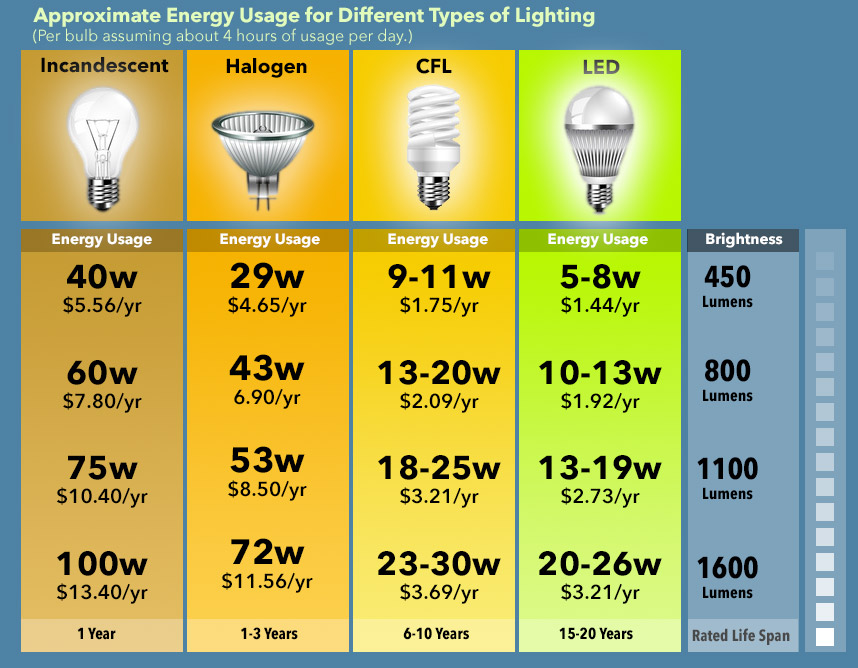
Smart thermostats and lighting systems are transforming energy management. These systems can learn your daily routines, automatically adjusting temperature and lighting to maximize efficiency and minimize energy waste. A smart thermostat can help you create a personalized heating and cooling schedule, saving you money in the long run. Smart lighting solutions also contribute to this effort, dimming lights or turning them off when a room is unoccupied.
Monitoring Energy Consumption
Smart home technology allows you to monitor your energy consumption in real-time. This capability provides valuable insights into where energy is being wasted, enabling you to implement targeted improvements. By understanding your energy use patterns, you can tailor energy-saving strategies and optimize your resource consumption.
Integrating Smart Devices
By seamlessly integrating multiple smart devices, such as smart appliances, lights, and thermostats, you can streamline your energy management system. This creates a unified platform for monitoring and controlling energy consumption across your entire home. This comprehensive approach enhances overall energy efficiency in the home.
The Financial Benefits of Smart Upgrades
Savings on Utility Bills
Smart upgrades demonstrably reduce energy consumption, directly leading to significant savings on monthly utility bills. Over time, these savings can add up substantially, potentially covering the initial costs of the upgrade and providing a considerable return on investment.
Increased Home Value
Homes equipped with energy-efficient features tend to appreciate in value. Homebuyers are increasingly seeking properties with sustainable features, recognizing the long-term benefits of reduced energy consumption and lower utility bills. This increase in home value underscores the financial wisdom of smart upgrades.
Tax Credits and Incentives
Many governments offer tax credits and incentives for energy-efficient home improvements. These incentives can substantially reduce the overall cost of these upgrades, providing further encouragement for homeowners to adopt sustainable practices.
Environmental Impact of Smart Upgrades
Reducing Carbon Footprint
Implementing energy-efficient upgrades minimizes energy consumption, thereby reducing carbon emissions and your home’s overall environmental impact. This reduction translates into a healthier planet and a more sustainable future.
Promoting Green Living
Smart upgrades contribute directly to a greener lifestyle. These upgrades align with the growing global movement towards sustainability, fostering more eco-friendly practices in daily life. These changes are not just about money; they represent a commitment to a more sustainable lifestyle and a healthier planet.
Long-Term Sustainability
Smart upgrades focus on creating long-term sustainable practices. They promote a more eco-conscious approach to homeownership, demonstrating a commitment to minimizing our environmental footprint and promoting energy conservation.
Conclusion
Summarizing the Importance of Smart Upgrades
Smart upgrades for energy-efficient home improvements offer a remarkable pathway to lowering energy consumption, reducing utility bills, and boosting a home’s value. By implementing these upgrades, you can enjoy numerous benefits, including a more sustainable living style and a healthier planet. These smart upgrades offer an immediate return on investment while creating long-term financial and environmental sustainability.
Conclusion (Continued)
Smart upgrades are not just about saving money; they’re about creating a more sustainable future. By making these upgrades, you contribute to reducing your environmental impact and paving the way for a more eco-conscious society. Investing in smart upgrades today creates a healthier and more prosperous future for you and generations to come.
Additional Tips for Smart Upgrades
Consulting Experts
Consider consulting with a professional energy auditor to assess your home’s specific energy needs and identify the most effective upgrades for your situation. They can create a personalized plan that maximizes savings and efficiency.
Prioritizing Upgrades
Prioritize upgrades based on the most significant energy savings potential. Focusing on high-impact areas, such as insulation or appliances, will offer a more substantial return on investment.
Maintaining Appliances
Regular maintenance of energy-efficient appliances and equipment can significantly improve their lifespan and performance, thereby maximizing energy savings and efficiency.
Choosing the Right Materials for Home Improvements
Considering Long-term Value
When selecting materials for energy-efficient home improvements, it’s essential to consider their long-term durability and value. Choosing high-quality, long-lasting materials can avoid the need for costly repairs or replacements in the future.
Exploring Sustainable Options
Explore sustainable materials whenever possible to align with your eco-friendly goals. These materials frequently offer both environmental benefits and cost-effectiveness, representing a win-win for both sustainability and financial savings.
Understanding Maintenance Requirements
Understanding the maintenance requirements of different materials is crucial before making selections. Choose options that will require minimal maintenance to ensure ongoing efficiency and value over time.
Frequently Asked Questions
What are the most common energy-efficient home improvements?
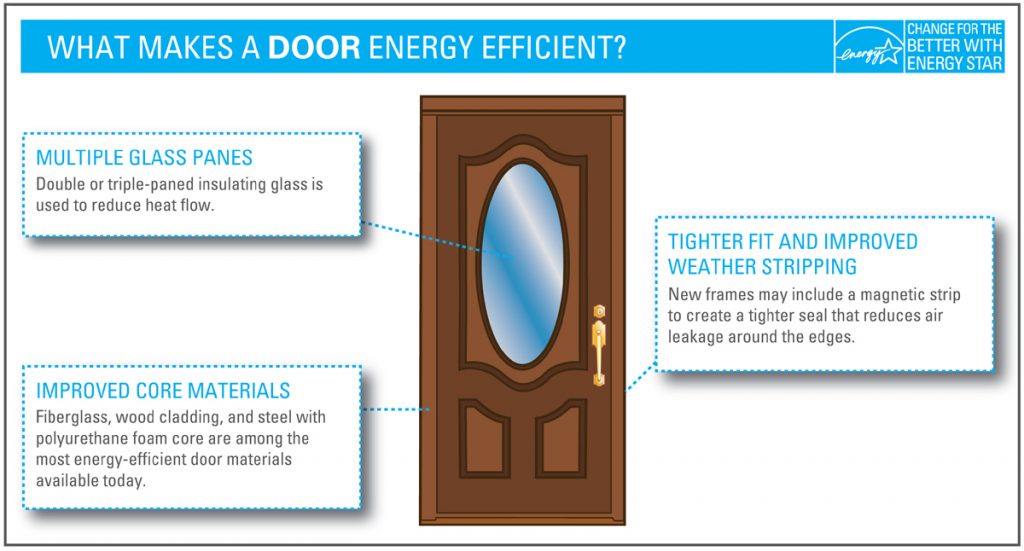
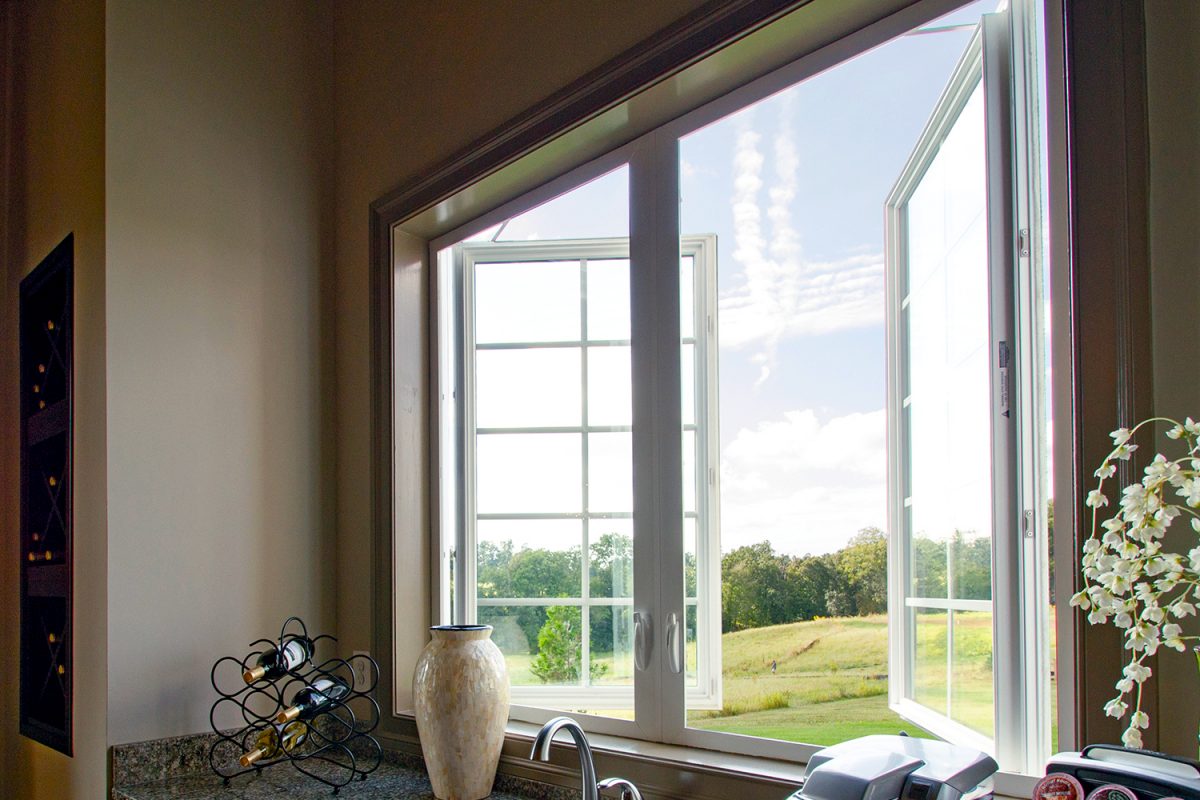
Common energy-efficient home improvements include upgrading windows and doors to better insulate against heat and cold, installing energy-efficient appliances, and improving the home’s insulation. These improvements can result in considerable energy savings and a more comfortable living environment. They can also enhance the value of your property. You can find more information about each improvement type in our article section, where we detail specific solutions and how to implement them.
How much money can I save with energy-efficient home improvements?
The amount of money you can save with energy-efficient home improvements varies considerably depending on factors like the specific upgrades you make, your local energy costs, and the pre-existing energy efficiency levels of your home. While some homeowners may save a modest amount, others might see substantial savings due to a significant lack of energy efficiency in their home. On average, energy-efficient home improvements can save homeowners 10-30% on energy bills annually. We recommend researching your area’s typical energy costs and conducting a personalized assessment with an energy auditor for a more accurate estimate of your potential savings.
Are energy-efficient home improvements costly?
While some energy-efficient upgrades might have a higher upfront cost compared to standard improvements, the long-term return on investment often justifies the expense. For example, investing in high-efficiency windows or a high-efficiency HVAC system, while initially costly, can significantly lower energy bills, leading to savings over time. Moreover, these upgrades can often increase the value of your home, making them a sound investment.
In conclusion, smart upgrades for energy-efficient home improvements are a worthwhile investment that not only reduces your environmental footprint but also boosts your home’s value and saves you money on utility bills in the long run. By implementing these upgrades strategically, you can significantly enhance your home’s energy efficiency and enjoy the numerous benefits associated with a sustainable lifestyle. To get started, consider consulting a qualified energy auditor or home improvement professional to assess your specific needs and recommend the best smart upgrade solutions tailored to your home. Don’t delay; start making smart upgrades today!