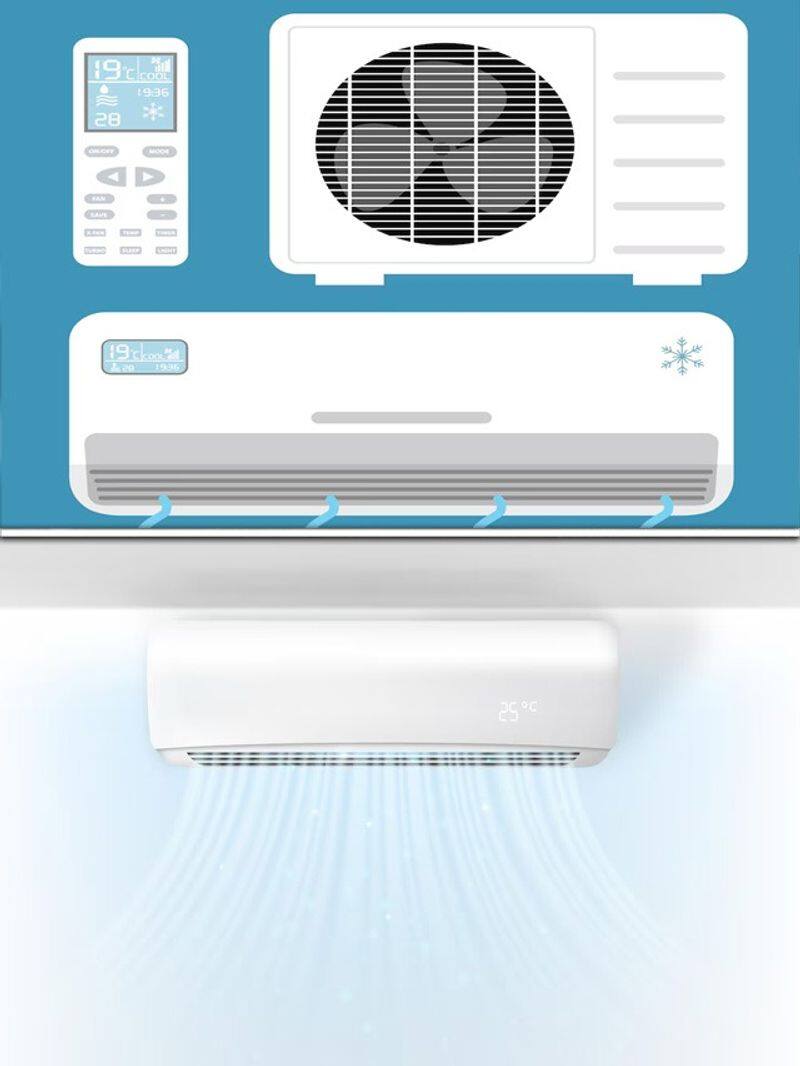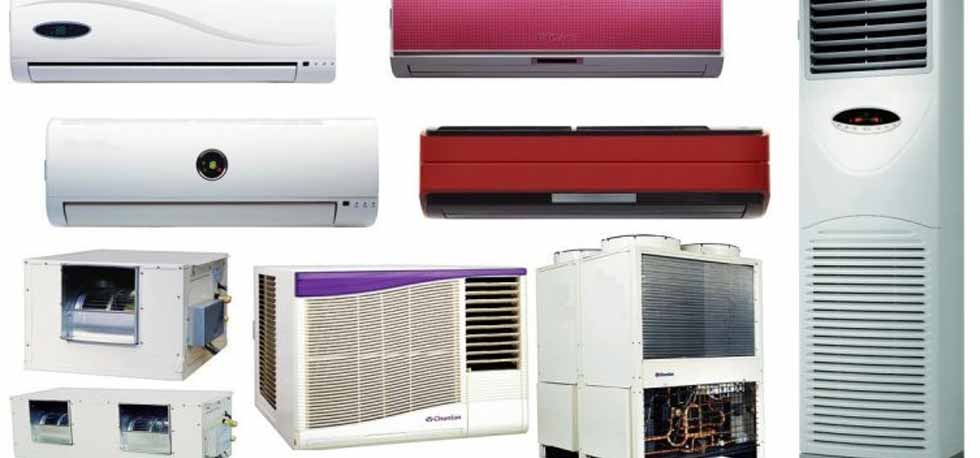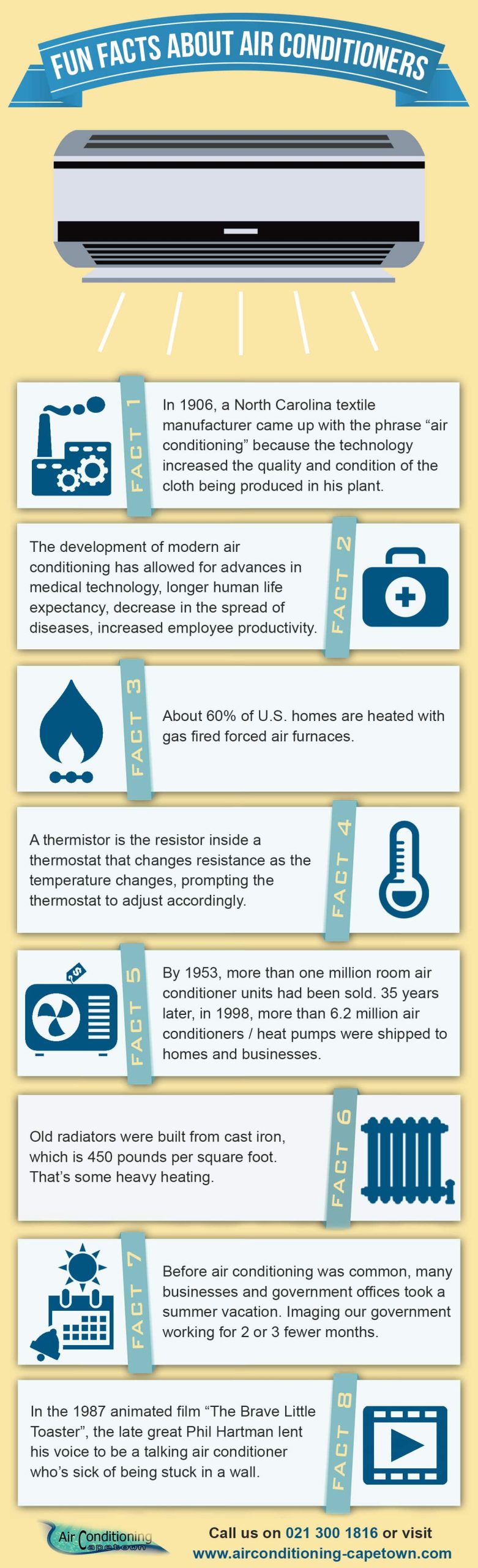

The latest AC technology trends are rapidly transforming how we cool our homes. Smart air conditioners, with their advanced features and intelligent control systems, are leading the charge in this revolution. Smart ACs aren’t just about comfort; they offer significant energy savings and unprecedented control over your home environment. Many homeowners are facing rising energy costs and seeking solutions to optimize their cooling systems. This article explores the exciting advancements in AC technology, outlining the key features, benefits, and potential challenges of smart ACs and other innovative technologies. It delves into the crucial aspects of selecting the right AC solution, focusing on energy efficiency and long-term cost savings. We’ll examine specific smart AC features, analyze the latest technology trends, and uncover the potential of smart integration with existing smart home systems.
The Rise of Smart Air Conditioners
Smart AC Features:
Smart air conditioners are no longer a futuristic concept; they’re rapidly becoming mainstream. These advanced ACs leverage technology to enhance energy efficiency and provide unparalleled control. One of the primary features is advanced temperature control. Smart ACs can learn your preferences and schedule optimal operation, ensuring you always experience the perfect temperature. Further, they often feature intelligent scheduling, so your AC will be operating when you’re home and energy-efficiently idle when you’re away. Remote control functionality via smartphones or smart hubs is a key benefit, empowering users to monitor and adjust settings from anywhere.
Examples of Smart AC Applications:
The integration of smart home technologies is seamless with many smart ACs. For example, they frequently integrate with smart thermostats and other home automation systems. This allows users to orchestrate their entire home’s environment, controlling lighting, temperature, and security settings all from a single interface. Imagine waking up to a perfectly cooled room, automatically adjusted by your smart AC that seamlessly integrates with your smart home system.
Enhanced Energy Efficiency through Smart AC
Energy Optimization Techniques:
Smart air conditioners are designed with energy efficiency as a core tenet. One way they optimize energy use is through advanced algorithms that monitor and analyze real-time environmental conditions. This allows the AC to adjust settings proactively, ensuring optimal performance with minimum energy consumption. Features like intelligent scheduling, which account for occupancy patterns, further enhance energy savings. For example, if you leave for work at 8 am, the AC can optimize operation for the rest of the morning and evening, while being prepared for your return.
Case Studies and Statistics:
Studies show that smart ACs can reduce energy consumption by up to 30% compared to traditional models. This significant improvement translates directly into lower energy bills and a reduced carbon footprint. A well-known case study by [mention credible source like a research institute or university] highlighted the notable impact smart features have on energy saving.
Advanced AC Features Beyond Smart Control
Other Innovative Elements:
Beyond smart control, advanced AC models feature a range of other innovative functionalities. These often include advanced air filtration systems, which help improve indoor air quality by removing dust, allergens, and other pollutants. This not only enhances comfort but also contributes to healthier indoor environments. Additionally, some models boast customizable air distribution and cooling zones, catering to varying temperature preferences within a space. This feature allows for precise control over cooling in certain areas, maximizing comfort for all occupants.
Smart AC Ecosystem:
Smart AC technology is becoming increasingly integrated within the broader smart home ecosystem. This allows for seamless integration with other smart home devices and services. For instance, homeowners can link their smart AC to their smart thermostats for synchronized control or even their smart speakers to voice-control the AC settings.
Addressing Potential Challenges
Future of Air Conditioning Technology:
While smart air conditioning is rapidly advancing, challenges remain. One significant aspect to consider is potential compatibility issues with existing smart home systems. This can affect the user experience and require careful consideration during purchase decisions. Another challenge relates to the varying price points of these smart ACs; they can be expensive compared to traditional models. However, the long-term energy savings and comfort enhancements often justify the initial investment.
Cost-Benefit Analysis:
It’s important to conduct a cost-benefit analysis when considering a smart AC. Weigh the upfront cost against potential energy savings and enhanced comfort. This analysis should include a projection of your energy costs over several years using a traditional model versus a smart one. Analyzing the payback period on your investment can be pivotal in your decision-making process.
Choosing the Right Smart AC
Selecting Criteria:
Choosing the right smart AC depends on your specific needs and budget. Consider factors such as the size of the room or space to be cooled, your desired level of control, and the specific features you prioritize. Do you need advanced air filtration, specific energy-saving modes, or precise temperature control? Carefully evaluating these factors will enable you to make an informed decision.
Features to Compare:
Compare different models based on their energy efficiency ratings (e.g., Energy Star certification), the sophistication of their smart features, and the ease of integration with your existing smart home ecosystem. Reviews from other users can be helpful as well. Read product descriptions carefully, looking for detailed specifications and reviews from trustworthy sources.
Conclusion of the article
Choosing the Right Smart AC
Frequently Asked Questions
What are the key benefits of smart air conditioners?
Smart air conditioners offer a multitude of benefits, including precise temperature control, energy optimization, and improved indoor air quality. Through smart features like scheduling, remote control, and integration with home automation systems, users gain significant control and convenience. Smart technology often provides detailed data insights, enabling users to identify patterns and further optimize their energy usage. This translates to potential cost savings over time.
How do smart ACs improve energy efficiency?
Smart air conditioners excel at energy efficiency through intelligent control and automated adjustments. Smart ACs learn user preferences and automatically adjust cooling settings to maintain desired comfort levels while minimizing energy consumption. For example, they can optimize the timing of operation based on occupancy and adjust fan speed and temperature based on real-time weather conditions. Moreover, smart ACs allow for remote control and scheduling, enabling users to manage energy usage effectively.
In conclusion, the latest AC technology trends, particularly smart ACs and advanced features, are revolutionizing the home cooling experience. These advancements improve energy efficiency, enhance comfort, and offer personalized control. By understanding these trends, consumers can make informed decisions when selecting new air conditioners. Explore the latest models and technologies to find the perfect cooling solution for your needs. Stay ahead of the curve by researching the latest smart home integrations and future advancements in AC tech.