
Wood furniture boasts a timeless appeal, representing a classic choice for homeowners seeking enduring style and quality. From rustic charm to modern minimalism, wood’s versatility makes it a perfect fit for any home decor. However, navigating the world of wood furniture options can be daunting. This article serves as your guide to understanding the benefits, care, and essential considerations when choosing wood furniture, ultimately helping you to select pieces that will enhance your home and stand the test of time. This comprehensive guide will cover the various types of wood, their durability, and design styles, as well as practical maintenance tips to ensure your wood furniture remains beautiful for years to come.
The Timeless Appeal of Wood Furniture
Understanding the enduring charm of wood
Wood furniture transcends fleeting trends, embodying a timeless elegance that effortlessly complements various interior design styles. Its natural beauty, warmth, and texture create an inviting atmosphere in homes and workplaces alike. From traditional to contemporary designs, wood furniture has the ability to adapt to evolving aesthetics, ensuring its relevance across generations. The inherent strength and durability of wood are also important factors. A well-made piece of wood furniture can last for decades, becoming a cherished heirloom passed down through families. The uniqueness of each piece, stemming from the natural variations in wood grain, further adds to its appeal, distinguishing it from mass-produced furniture.
The Benefits of Investing in Quality Wood Furniture
The cost of high-quality wood furniture might seem significant initially, but its long-term benefits often outweigh the price tag. A carefully selected piece of wood furniture isn’t just a purchase—it’s an investment in beauty and lasting value. The inherent durability of wood allows it to withstand everyday wear and tear, often exceeding the lifespan of furniture made from other materials. Furthermore, wood furniture can enhance the aesthetic value of a home. By adding a touch of natural warmth and character, it complements a variety of interior design styles.
Exploring Different Wood Types and Their Characteristics
Understanding the uniqueness of each wood variety
The world of wood extends beyond aesthetics. Various types of wood offer different characteristics, impacting durability, texture, and cost. Oak, for instance, is renowned for its strength and resistance to dents and scratches. Maple, on the other hand, is known for its light color and fine grain, often popular in contemporary designs. Cherry, with its rich, warm tones, is a classic choice, adding sophistication to any room. Walnut’s dark, rich color and beautiful grain make it a statement piece, adding a touch of luxury. Pine, while affordable, also offers a variety of styles and options for those on a budget.
Choosing wood based on your aesthetic needs
When selecting wood furniture, consider the desired aesthetic and the room’s existing design. A modern living room might benefit from the sleek lines of maple, while a traditional dining room could be beautifully enhanced by the warmth of cherry wood. Consider factors like the color palette, existing textures, and overall style of the room to ensure that the chosen wood furniture seamlessly integrates and enhances the environment.
Maintaining the Beauty and Durability of Your Wood Furniture
Regular care for long-lasting beauty
Maintaining wood furniture requires a few simple steps to preserve its beauty and extend its lifespan. Regular dusting prevents dust particles from scratching the surface and helps maintain the wood’s natural shine. Protecting your furniture from direct sunlight and excessive moisture is crucial, as these factors can cause damage and discoloration over time. Implementing these simple strategies will keep your wood furniture looking pristine and beautiful for many years to come.
Addressing potential damage or wear and tear
In case of minor scratches or dents, using specialized wood fillers and refinishing solutions can often restore the original beauty of the furniture. For more serious damage, professional repair services can restore the furniture to its former glory. Taking proactive steps to protect and maintain your wood furniture, whether through regular cleaning or addressing minor issues, can dramatically extend its lifespan and keep it looking beautiful.
Case study: Maintaining heirloom-quality wood furniture
One family’s story highlights the value of proper maintenance. A grandfather’s antique oak dining table, meticulously cared for over generations, remained in near-perfect condition. This is a testament to the long-term benefits of investing in quality wood furniture and the importance of responsible maintenance.
Design Trends in Wood Furniture
Evolution of styles through the decades
Wood furniture has always been adaptable to changing design trends. From the ornate carvings of Victorian pieces to the clean lines of modern designs, wood’s flexibility allows it to complement various interior aesthetics. Understanding the evolution of styles, like the transitional, minimalist, or Scandinavian styles, helps in selecting pieces that resonate with current design preferences.
Incorporating contemporary elements into wooden furniture
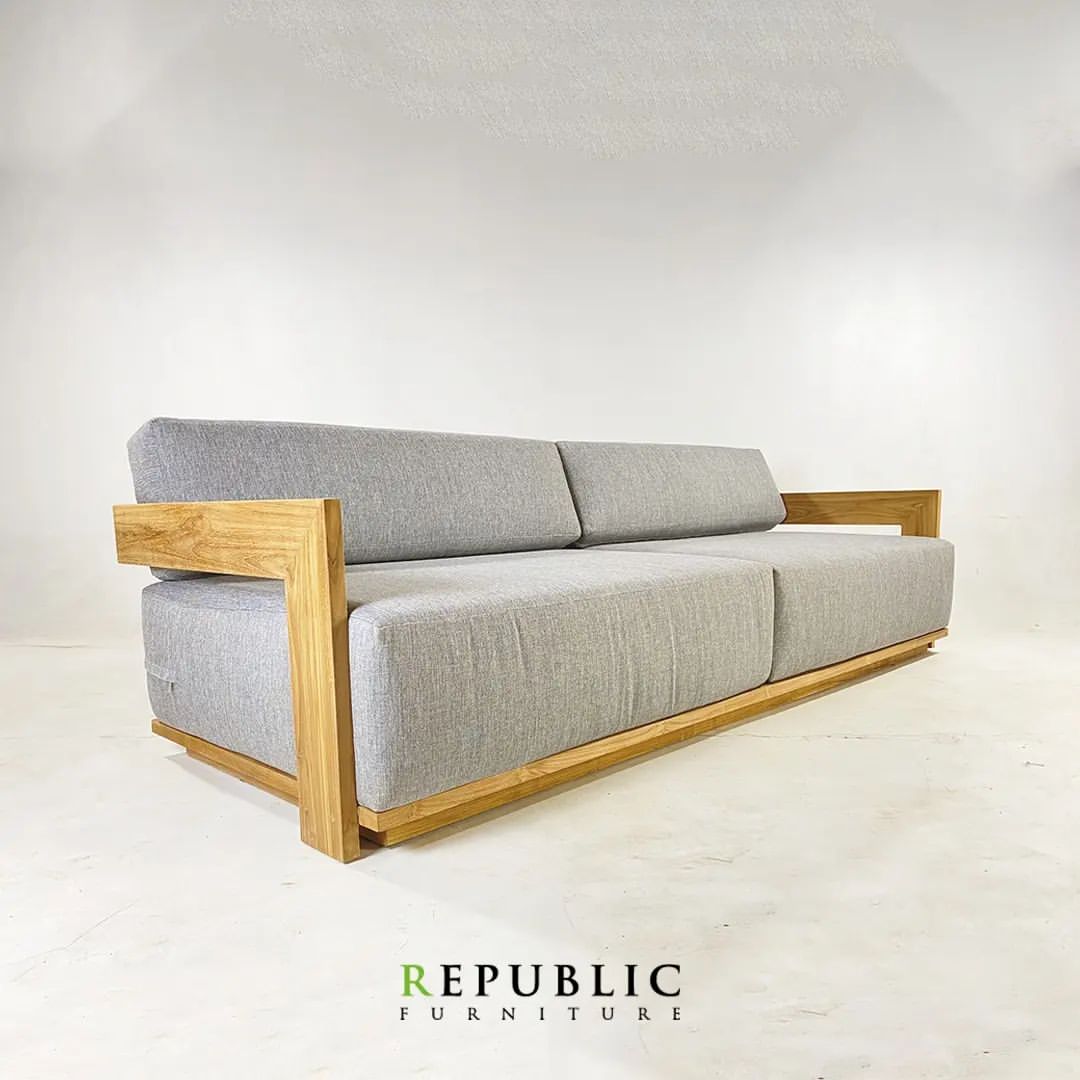
Contemporary wood furniture often features sleek lines, minimal embellishments, and a focus on function. These designs emphasize the natural beauty of the wood, showcasing its grain and texture without elaborate carvings or patterns. This allows wood to stand out in modern settings, becoming a focal point without unnecessary distractions.
Examples of wood furniture design integration
Many designers successfully integrate wood furniture into modern spaces. This is often accomplished through contrasting textures, like pairing a wood table with metal chairs or a wooden headboard with a minimalist bedside table. This approach creates visual interest and allows the natural warmth of wood to complement the clean lines of contemporary designs.
Budget-Friendly Options in Wood Furniture
Finding affordable yet high-quality options
There are numerous budget-friendly options for acquiring quality wood furniture without sacrificing its aesthetic or lasting qualities. Purchasing pieces made from less expensive wood varieties like pine or fir, or opting for furniture with simpler designs can significantly impact the price point. Exploring options like second-hand furniture or refurnishing pre-owned pieces can also provide a cost-effective way to incorporate wood furniture into your home while still preserving its value and beauty. Online retailers and local furniture stores often offer deals and discounts that can make affordable wood furniture more accessible.
Considerations for cost-effective purchases
When considering budget-friendly options, prioritize solid wood furniture over particle board or veneer options. While veneer furniture may appear appealing initially, the overall quality and durability often differ significantly and may not withstand everyday use. Checking reviews and comparing prices from different retailers is crucial to finding the best possible value.
Case Study: Reclaimed wood furniture
Reclaimed wood furniture offers a unique and sustainable solution. By incorporating recycled wood from old barns, houses, or other sources, this approach is both eco-friendly and stylish. This option provides a compelling way to integrate both value and sustainability into your purchase decisions.
Finding the Perfect Wood Furniture for Your Home
Matching style and functionality
Matching wood furniture to your home’s aesthetic is essential for creating a harmonious and inviting environment. Consider the overall style of your rooms and select wood furniture that complements the existing decor, from the color palette and textures to the room’s layout and purpose.
Exploring different styles
Explore various styles, such as contemporary, traditional, farmhouse, or rustic, to find the perfect fit for your preferences. Each style brings a unique aesthetic appeal. Contemporary designs often showcase minimalist lines, while traditional styles often feature intricate details. Farmhouse and rustic styles emphasize natural materials, creating a warm and inviting ambiance.
Understanding room function
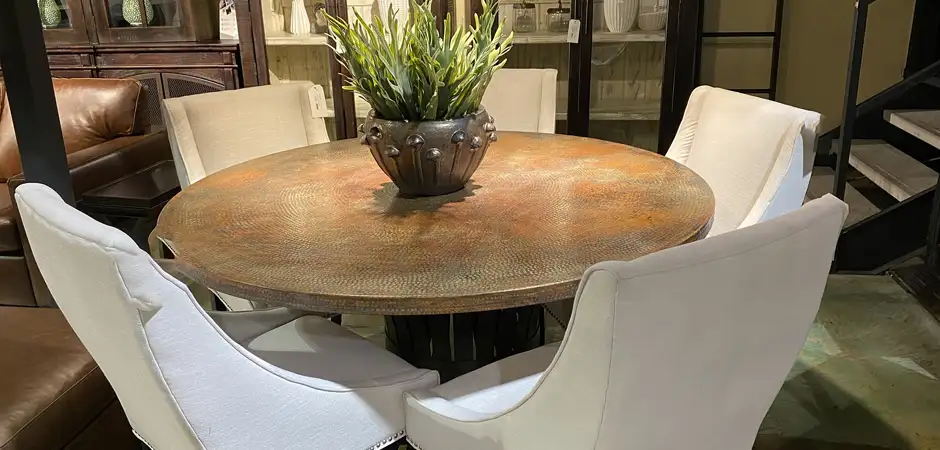
Functionality is just as crucial as aesthetics. For a dining room, a sturdy dining table and matching chairs are essential. In a living room, a comfortable sofa and matching coffee table are important elements. Carefully considering how you use the furniture and its intended purpose will be beneficial in choosing the right pieces.
Buying and Maintaining Wood Furniture: A Step-by-Step Guide
Researching and comparing options
When purchasing wood furniture, research different brands, styles, and materials. Consider factors like durability, construction, and aesthetic appeal to make an informed decision. Comparison shopping and reading reviews from other customers can help make an informed decision.
Checking for quality in wood furniture
Look for solid wood construction, not just veneer, which can be less durable. Consider the craftsmanship, ensuring the joints are properly secured and the finish is smooth and consistent. A solid piece of furniture should exhibit a level of quality that warrants longevity.
Proper maintenance
Maintaining the beauty of wood furniture is vital. Following manufacturers’ care instructions is crucial, which often include dusting regularly and protecting it from moisture and direct sunlight. Investing in appropriate furniture protectors can also further enhance its durability.
Conclusion
This exploration has delved deep into the world of wood furniture, demonstrating its timeless quality and enduring appeal. From its varied styles to the unique characteristics of different wood types, we’ve underscored the importance of careful selection and ongoing maintenance to ensure that your wood furniture remains a cherished part of your home for years to come.
FAQ
What are the benefits of purchasing sustainable wood furniture?
Sustainable wood furniture sources materials from responsibly managed forests, minimizing environmental impact. This not only conserves natural resources but also supports ethical and eco-friendly practices. Choosing sustainable options aligns with environmental consciousness and ensures the longevity of our natural resources for future generations. Often, sustainable options are comparable in quality and aesthetics to other wood options, making them a practical and responsible choice for any homeowner.
How can I tell the difference between solid wood and veneer wood furniture?
Solid wood furniture is constructed entirely from a single piece of wood, whereas veneer wood furniture employs thin layers of wood (veneer) glued onto a less expensive core material. Solid wood pieces are generally more durable, resistant to damage, and maintain their value over time, while veneer may show signs of wear or damage more quickly. Carefully examining the furniture’s construction, such as the joints and the visible surface material, can help determine whether a piece is solid wood or veneer.
Frequently Asked Questions
What are the most common types of wood used in furniture?
Common wood types used in furniture include oak, maple, cherry, walnut, mahogany, and pine. Each type has its own unique characteristics in terms of color, grain, hardness, and durability, affecting the price and aesthetic appeal. Oak, for example, is known for its strength and durability, making it a popular choice for dining tables and other heavy-use pieces. Maple offers a light, versatile look, while walnut exudes a rich, sophisticated style. The choice of wood often depends on the desired aesthetic, budget, and the intended use of the furniture.
In conclusion, wood furniture offers a timeless style and exceptional durability that few other materials can match. Its natural beauty, versatility, and enduring quality make it a smart investment for any home. Choosing the right wood type, considering your budget, and understanding the care required are key factors in making an informed decision. By embracing the beauty of wood furniture, you’re choosing a piece that will endure the test of time and add both character and value to your home. Explore different styles and finishes online or visit local furniture stores to discover the perfect wood furniture for your unique taste. You’ll be rewarded with a piece that will bring warmth and beauty to your living space for years to come.