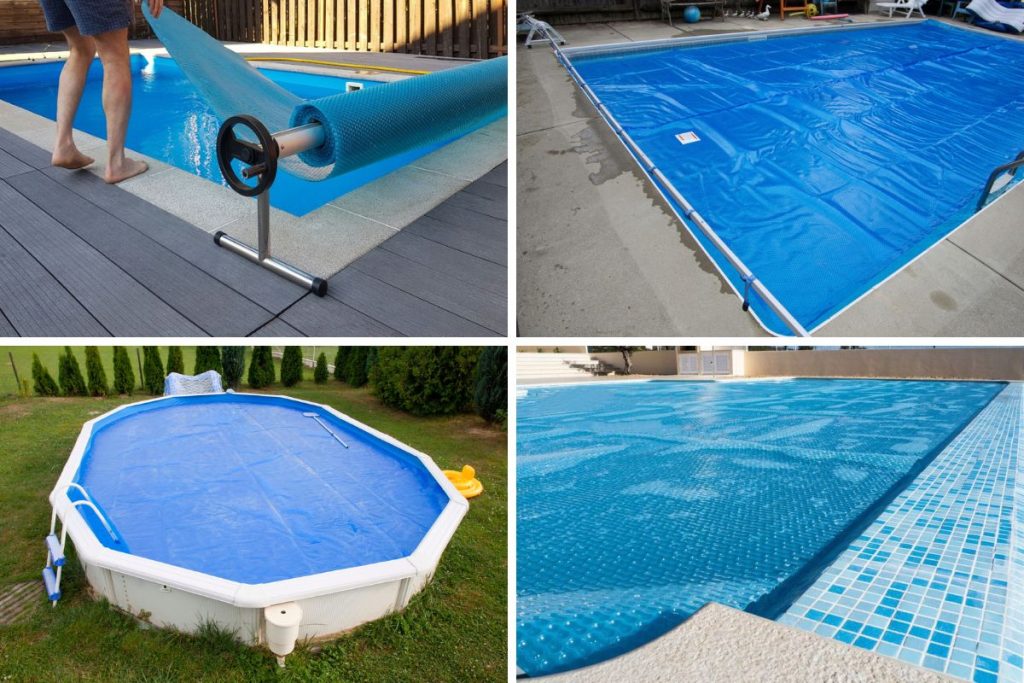
Swimming pool covers are essential for preserving the quality and longevity of your investment. Imagine enjoying a refreshing swim in a clean and safe pool, regardless of the weather, without the hassle of constant maintenance. A quality swimming pool cover can transform your pool experience. This comprehensive guide explores various types of swimming pool covers, outlining their key features, benefits, and drawbacks to help you make an informed decision. We’ll cover mesh covers, solid covers, and automatic covers, along with factors to consider for your specific needs.
Understanding the Importance of Swimming Pool Covers
Protecting Your Investment
Swimming pools are significant investments, requiring ongoing maintenance and protection. Leaves, twigs, debris, and harsh weather conditions can quickly degrade water quality, leading to costly repairs and decreased enjoyment. A well-maintained swimming pool cover acts as a shield against these elements, safeguarding your investment and ensuring pristine water clarity. Choosing the right cover for your pool can reduce maintenance time and increase enjoyment.
Benefits Beyond Protection
The benefits of using a swimming pool cover extend beyond protection. They play a crucial role in energy conservation, significantly reducing water evaporation and heating costs, especially during the off-season. Proper cover usage reduces the need for frequent chemical treatments, lowering your maintenance expenses and improving water quality. For many homeowners, the protection and savings quickly outweigh the initial investment.
Types of Swimming Pool Covers
Mesh Pool Covers
Mesh pool covers are a popular choice for their affordability and moderate level of protection. Made from a fine-mesh material, these covers allow some water evaporation but effectively prevent most debris from entering the pool. They’re ideal for homeowners seeking a budget-friendly solution to keep their pool clean. The fine mesh design can still allow some water to evaporate, especially in dry climates. This means your pool may require more frequent top-ups during the off-season.
Solid Pool Covers
Solid pool covers provide superior protection against debris and harsh weather elements. Made from durable materials like PVC or fiberglass, these covers completely seal the pool, minimizing water loss and preserving the pool’s cleanliness. These are a good choice for those seeking to maintain the highest level of pool water quality in any conditions and who are willing to invest more in the cover.
Automatic Pool Covers
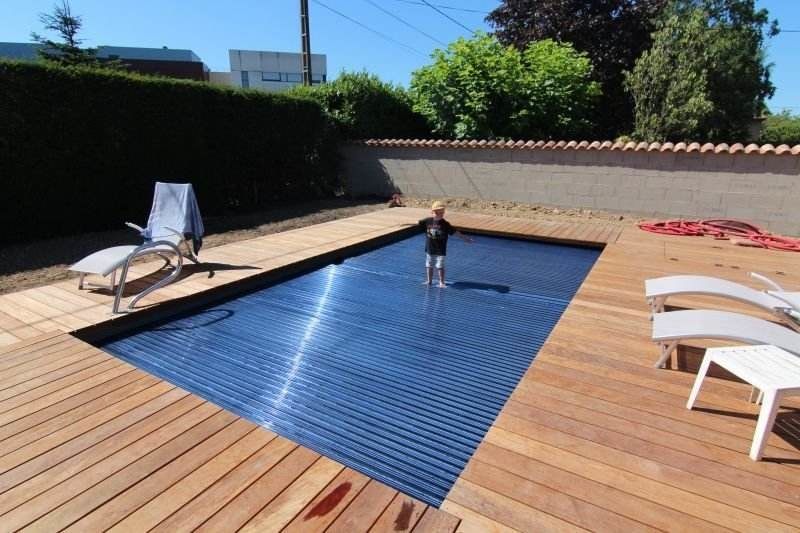
Automatic pool covers, as the name implies, automate the opening and closing process. These covers are operated by motors and controls, offering significant convenience and ease of use. These are particularly appealing to busy families or homeowners who value convenience and time-saving automation in their routine.
Factors to Consider When Choosing a Pool Cover
Budget Constraints
The cost of a swimming pool cover can vary significantly depending on the material, size, and features. Mesh covers are generally the most affordable option, while automatic covers often come with a higher price tag. Carefully consider your budget to choose a cover that fits your financial capabilities. Many homeowners choose mesh covers because they are affordable and effective for keeping debris out of the pool, although other options may reduce water evaporation further.
Climate Conditions
The weather in your region plays a crucial role in selecting the optimal swimming pool cover. In areas with extreme temperatures and heavy rainfall, a more robust cover, like a solid cover, would be essential to shield against extensive water loss and debris entering the water. Areas with more moderate climates can often get away with mesh covers.
Pool Size and Shape
The size and shape of your pool are significant considerations. Larger pools typically require more substantial covers to effectively manage water loss. Custom-designed covers ensure the correct fit for all pool shapes and sizes, maximizing protection and utility.
Maintenance and Installation Considerations
Cleaning and Maintenance
Regular cleaning and maintenance are crucial for all types of swimming pool covers. Mesh covers are often easy to clean, while solid covers may need periodic scrubbing or power washing. Regular maintenance is key to preventing buildup and ensuring the longevity of the cover and your pool.
Installation Process
Proper installation is essential for the effective use and longevity of your pool cover. Professional installation ensures a secure and reliable fit, maximizing the cover’s protection and minimizing the risk of damage to the pool or cover itself. Improper installation can lead to serious problems for the cover itself or for your pool.
Case Studies and Statistics
Reduced Water Evaporation
Studies show that properly installed pool covers can reduce water evaporation by up to 90% compared to uncovered pools, particularly in dry climates. This translates into significant energy savings over time. This cost-saving factor is a strong incentive for many homeowners to purchase a pool cover.
Improved Water Quality
Maintaining a clean swimming pool is a top priority for many owners. A study found that covered pools exhibited better water quality, reducing the need for frequent chemical treatments and improving the overall swimming experience. This translates to lower chemical costs and a cleaner pool overall.
Long-Term Savings
Energy Efficiency
Reduced water evaporation leads to lower heating costs. This financial benefit is important, especially during off-season months when the pool isn’t in frequent use and needs less frequent heating. It’s critical for families with young children who may need to use the pool more often, and for owners with a pool in a hot climate.
Maintenance Cost Savings
Pool covers minimize debris and sediment buildup, reducing the frequency of maintenance tasks like cleaning and skimming. This not only saves time but also lowers the overall cost associated with pool maintenance.
Choosing the Right Pool Cover for Your Needs
Addressing Specific User Needs
Consider the needs of the individual pool owner when making a decision. Different situations call for different coverings. For busy families, automatic covers simplify the pool experience, whereas mesh covers might suit budget-conscious individuals.
Considerations for Different Environments
Environmental conditions impact the optimal pool cover choice. A mesh cover might suffice in milder climates; however, in areas with harsh weather conditions, a solid cover may be a better choice to prevent damage from storms and other weather events.
Conclusion:
By understanding the variety of pool covers and the specific advantages of each type, you can make an informed decision when purchasing or upgrading your existing pool cover. A pool cover is not simply a cover, but a crucial component for ensuring long-term protection and functionality. This guide has detailed the benefits of pool covers for your pool and highlighted important factors like energy efficiency, water preservation, and safety.
Conclusion
Ultimately, choosing the perfect pool cover is a deeply personal decision, balancing your budget, environmental factors, and desired level of convenience and protection. Swimming pool covers are an essential investment, not just a luxury. Consider factors like climate, pool size, and personal preferences to choose the best pool cover for you. Contact us today for a free quote and expert guidance in finding the ideal pool cover for your needs!
Frequently Asked Questions
What are the most common types of swimming pool covers?
Common types of swimming pool covers include mesh, solid, and automatic covers. Mesh covers allow for some water evaporation but offer protection from debris. Solid covers, while providing excellent protection, can be more costly. Automatic covers, as the name suggests, offer ease of use by automatically opening and closing. Each type has pros and cons, depending on your budget, climate, and desired level of protection.
How much does a swimming pool cover typically cost?
The cost of a swimming pool cover varies greatly based on the type of cover, size of your pool, and any extra features. Basic mesh covers can be relatively inexpensive, while more advanced automatic options can be substantial. It’s wise to get multiple quotes from reputable suppliers and compare prices to find the most suitable option for your budget. Factor in potential long-term savings, like reduced energy costs and less maintenance, when making your decision.
How can I choose the right swimming pool cover for my needs?
Consider your budget, climate conditions, desired level of protection, and ease of use when making your selection. A mesh cover might be sufficient for a mild climate, while a solid cover would be preferable in harsh weather. If convenience is a priority, an automatic cover could be a suitable option, especially for larger pools or busy schedules.
In conclusion, choosing the right swimming pool cover is crucial for maintaining water quality, safety, and energy efficiency. This guide has explored various types, highlighting their benefits and drawbacks. By considering your specific needs and budget, you can select the perfect cover to maximize your pool’s enjoyment throughout the year. For a free quote and expert advice on finding the ideal pool cover solution for your home, contact us today!