Hardscaping is the art and science of creating durable, aesthetically pleasing outdoor structures. From meticulously crafted walkways to expansive patios, hardscaping plays a crucial role in defining outdoor living spaces. Many homeowners struggle with creating outdoor living spaces that are both functional and beautiful. This guide will take you through the fundamentals of hardscaping, highlighting design considerations, material choices, and installation techniques to help you confidently enhance your landscape. We’ll address how to plan, design, and implement your perfect hardscaping project. This article will cover planning, materials, and installation.
Planning Your Hardscaping Project
Understanding Your Needs
Before diving into design, assess your property’s unique characteristics and desired outcomes. Consider factors such as sunlight exposure, existing vegetation, and proximity to buildings. Consider your lifestyle and how you want to use the outdoor space. Do you envision a quiet retreat or a lively gathering area? Understanding the usage and preferences of your family will help establish your hardscaping goals. This preliminary assessment will serve as the foundation for a successful and personalized design.
Defining Your Hardscaping Style
Explore different hardscaping styles to find one that complements your home’s architecture and personal preferences. Contemporary designs often feature clean lines and modern materials, while traditional designs might incorporate natural stone and intricate patterns. Consider local architectural styles to ensure your hardscaping design seamlessly integrates into your community. Understanding local design trends can provide valuable inspiration and insight into current and emerging styles in the area.
Choosing the Right Hardscaping Materials
Pavers: Versatile and Durable
Pavers are incredibly versatile in terms of appearance and application. They come in a multitude of colors, shapes, and sizes, making them adaptable to various styles. Pavers are also incredibly durable and resilient, requiring minimal maintenance compared to other materials. Their flexibility allows homeowners to design various patterns and layouts, which are attractive and stylish. These materials are commonly used for walkways, patios, and driveways.
Concrete: A Classic Choice
Concrete is a robust and reliable choice for hardscaping. It offers immense versatility, letting you achieve different designs and finishes. Concrete slabs are ideal for creating large patios or driveways. Stamped concrete designs provide a customizable look without the high cost of other materials. Proper curing and maintenance are crucial to ensure the concrete’s longevity, but it’s known to withstand harsh weather conditions.
Design Considerations for Walkways and Patios
Walkway Design and Aesthetics
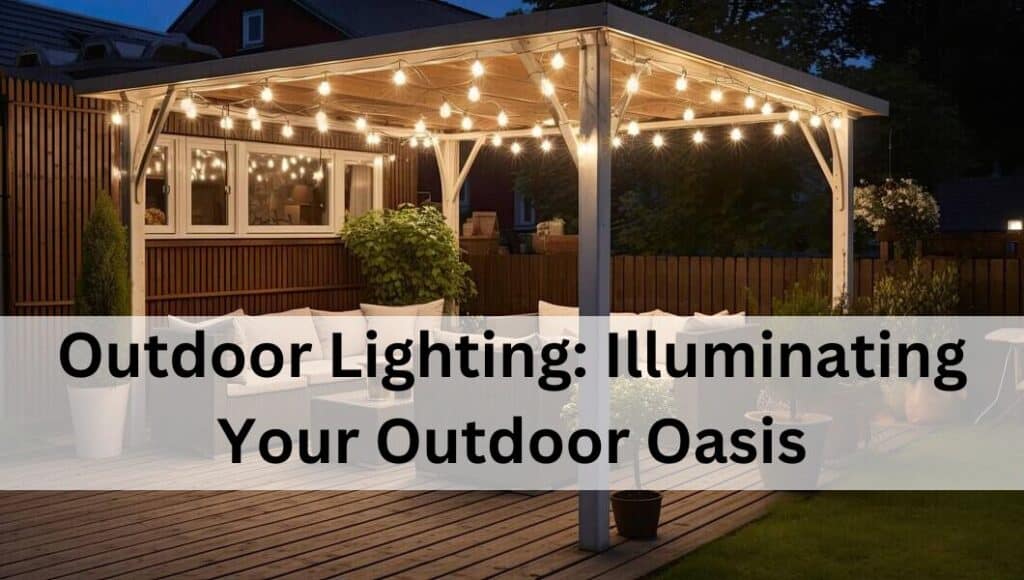
Walkways aren’t just functional; they are also significant design elements. Consider the path’s flow and how it interacts with the rest of the landscape. Walkways can lead to gardens, seating areas, or even a charming entrance. Incorporating different materials along the walkway, such as stone and pavers, can create visual interest. Strategic placement of lighting can dramatically enhance the walkway’s appeal, especially at night.
Patio Design and Functionality
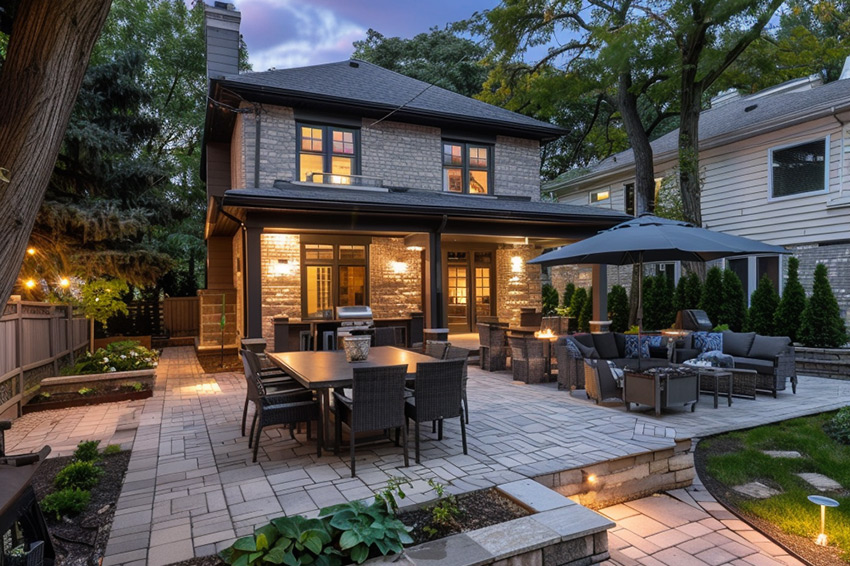
Patios serve as outdoor living areas. A well-designed patio seamlessly integrates with the surrounding hardscaping and landscape features. Consider the size, shape, and location of the patio to maximize its functionality and aesthetic appeal. Factors to consider include access to utilities and proximity to the house. These details will help determine the ideal size and style for your patio.
Installation and Maintenance
Hardscaping Installation Process
Understanding the installation process is key to a successful project. Proper planning and execution are critical to achieving a structurally sound and aesthetically pleasing result. Professional contractors will handle the excavation, material placement, and structural aspects, which helps ensure your project meets building codes. Hiring qualified professionals will streamline the installation process while preserving the integrity of the hardscaping.
Maintenance Tips for Longevity
Maintaining your hardscapes is just as important as installation. Regular cleaning and inspections will ensure the longevity of your investment. This includes clearing debris, addressing any cracks or damage, and resealing as needed. Proper maintenance practices can significantly extend the life of your hardscaping.
Example: Enhancing a Small Backyard
Transforming a Small Space
Consider a homeowner with a small backyard. Instead of letting the space feel cramped, a well-designed hardscaping project can create a feeling of spaciousness. The addition of a small patio, a winding pathway, and a raised seating area allows the homeowner to utilize the entire area without sacrificing functionality. These small additions create a well-defined and inviting outdoor space.
Conclusion for Hardscaping
Additional Hardscaping Examples and Techniques
Hardscaping Cost Estimation Factors
Understanding Local Codes and Regulations
FAQs
What are the most common hardscaping materials?
Common hardscaping materials include pavers, concrete, stone, brick, and wood. Each material offers unique aesthetic qualities and durability characteristics. Consider factors such as budget, maintenance needs, and desired aesthetics when choosing materials. Different materials respond to weather conditions differently, so understanding local climate patterns is critical. Proper installation and maintenance are essential to prolong the lifespan of any hardscaping project.
How much does hardscaping typically cost?
Hardscaping costs vary significantly based on the scope of the project, materials chosen, and labor costs. A small patio might cost a few thousand dollars, while a complex system of pathways, retaining walls, and water features could cost tens of thousands. It’s crucial to get detailed estimates from multiple hardscaping contractors to compare pricing and ensure you understand the total project cost, including potential permits and additional services.
What are the benefits of hardscaping?
Hardscaping enhances the functionality, aesthetics, and value of your outdoor space. It provides designated areas for relaxation, dining, entertaining, and play, creating a cohesive outdoor living experience. Adding elements such as patios, walkways, and fire pits also increases property value. The design and execution of hardscaping are critical for maintaining your landscape’s integrity and creating an inviting aesthetic.
How do I choose the right hardscaping contractor?
When selecting a hardscaping contractor, look for licensed, insured professionals with a proven track record. Ask for references, review past projects, and get detailed proposals outlining the scope of work, timeline, and pricing structure. Ensure they are familiar with local building codes and regulations. A well-researched decision will ensure a successful and well-executed project.
In conclusion, hardscaping 101 is about designing and implementing the structural elements of your landscape. By thoughtfully planning walkways, patios, retaining walls, and other hardscapes, you can create a visually appealing and functional outdoor space. This enhances the overall aesthetic and value of your property while simultaneously promoting usable outdoor living areas. Ready to transform your landscape? Explore our hardscaping services today! Contact us for a free consultation.