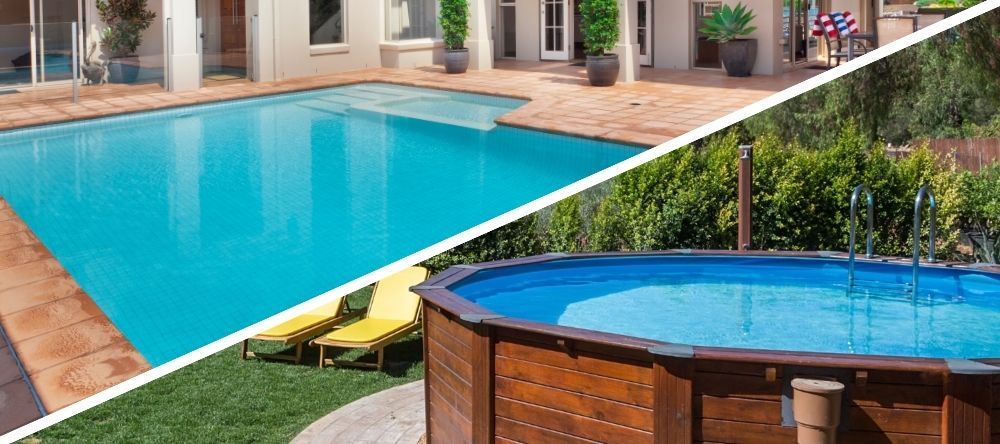
Choosing between an above-ground and inground pool is a significant decision for any homeowner looking to add a refreshing swimming experience to their property. Imagine the family fun, the summer splashes, and the cooling retreat in the heart of your backyard. But with various options available, choosing the right one can be overwhelming. This comprehensive guide will explore the key differences between above-ground and inground pools, offering insights into their benefits, drawbacks, costs, and overall value proposition. We’ll examine crucial aspects like installation, maintenance, and customization, equipping you with the knowledge to make an informed decision. Let’s dive in and discover which pool best fits your lifestyle!
Above-Ground Pools: A Quick and Affordable Option
Initial Investment and Installation
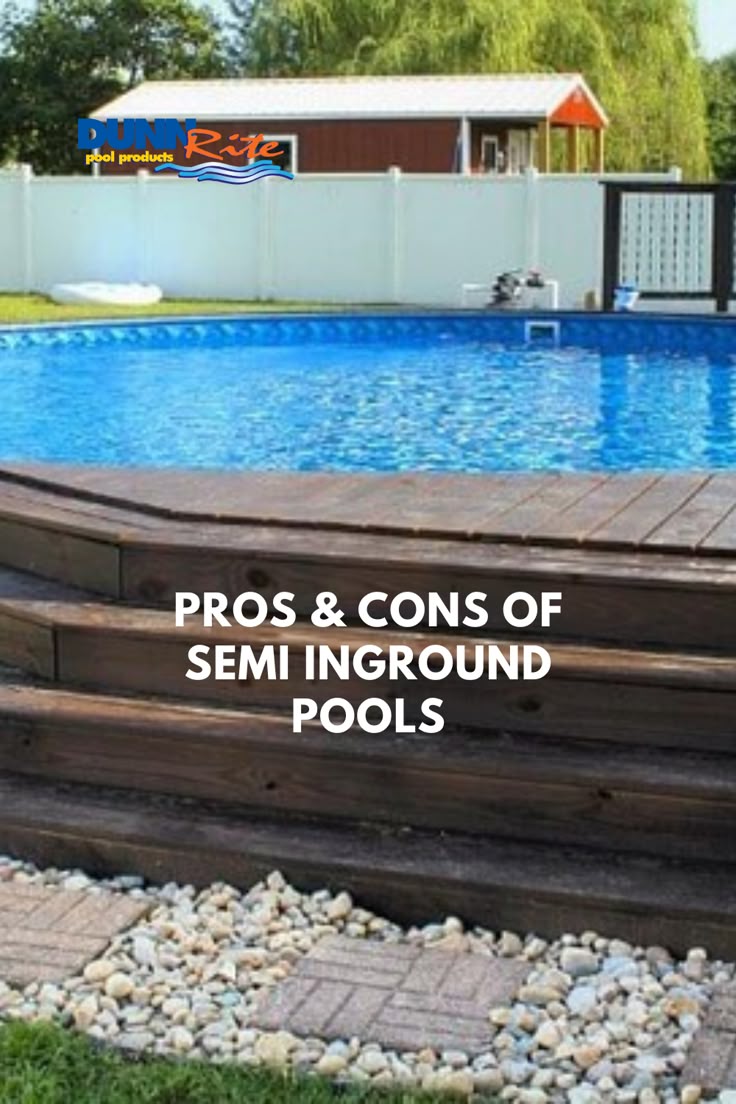
Above-ground pools offer a significant advantage in terms of initial investment and installation time. The upfront costs are typically lower compared to inground pools, often falling within a range of $3,000 to $15,000. The installation process is considerably faster and less disruptive, often taking only a few days. This makes them an attractive option for those with limited budgets or those who need a pool quickly. The flexibility in terms of location is also considerable, as they can be easily set up in various spaces, like patios or yards, and easily moved or disassembled if needed.
Maintenance and Customization
While above-ground pools are easier and faster to install, maintenance can require more effort. Regular cleaning and water treatment are necessary to maintain water quality and prevent algae growth. Customization options for above-ground pools are also limited compared to inground pools. The pool’s appearance is often determined by the style of the pool itself and the deck/coverings that come with it. The limited customization can lead to less aesthetic appeal for homeowners who value a more personalized touch to their yard.
Considerations for Families with Young Children
Families with young children must prioritize pool safety. Above-ground pools require extra care and attention to ensure that the surrounding areas are secured and that adequate supervision is always provided. The risk of falls or accidents is higher with above-ground pools compared to inground pools due to the lack of an enclosed structure.
Inground Pools: A Permanent Investment
Installation and Cost
Inground pools represent a significant, permanent investment, typically ranging from $25,000 to $75,000 or more. The installation process is substantially more involved, requiring excavation, concrete pouring, and often the use of specialized equipment. This process can take several weeks or even months to complete. The significant upfront cost often makes them less attractive to those on a tighter budget. This high price tag comes with the long-term value proposition of a more immersive and valuable asset.
Maintenance and Customization
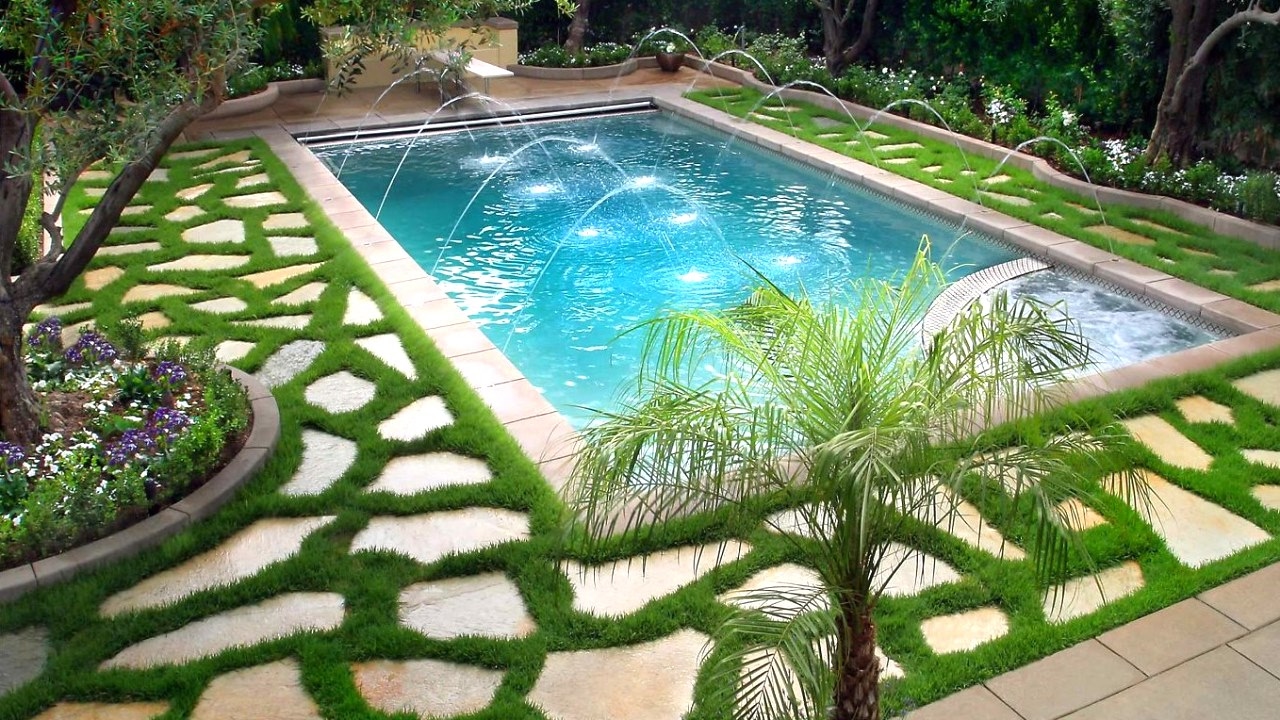
Inground pools, due to their permanence, often have lower maintenance costs in the long run. The structured environment significantly reduces the risks associated with water quality and other potential issues. Customization options are vast, allowing homeowners to integrate the pool seamlessly into their landscape and design aesthetic. From custom pool shapes to unique decking and lighting options, inground pools offer endless possibilities for personalization. A professional, experienced installer is crucial to ensuring quality and structural integrity.
Safety Features
Inground pools often come equipped with safety features designed to prevent accidents. These include automatic covers, alarms, and reinforced walls to prevent falls. These features significantly enhance safety and reduce the possibility of accidents, especially in homes with young children.
Comparison of Costs and Lifespan
Long-Term Value and Cost-Benefit Analysis
While inground pools often have a higher initial cost, they can provide a higher return on investment in the long run. The aesthetic value and potential for customization make them a valuable addition to a property. On the other hand, above-ground pools offer quicker and more affordable entry into the swimming experience. The long-term costs associated with each type of pool should also be considered. Both inground and above-ground pools require maintenance, but the level of maintenance required, and the costs of the necessary equipment, vary. Factors like water testing, filtration, and chemicals must be considered when making a decision.
Lifespan and Durability
Inground pools, when properly maintained, can last for decades. High-quality materials and professional installation significantly contribute to the longevity of the pool. Above-ground pools also have a decent lifespan, but they might need occasional repairs or replacements of components over time. This factor significantly influences the long-term cost of each type of pool. Budgeting should account for all likely long-term costs.
Maintenance Costs Throughout the Pool’s Life
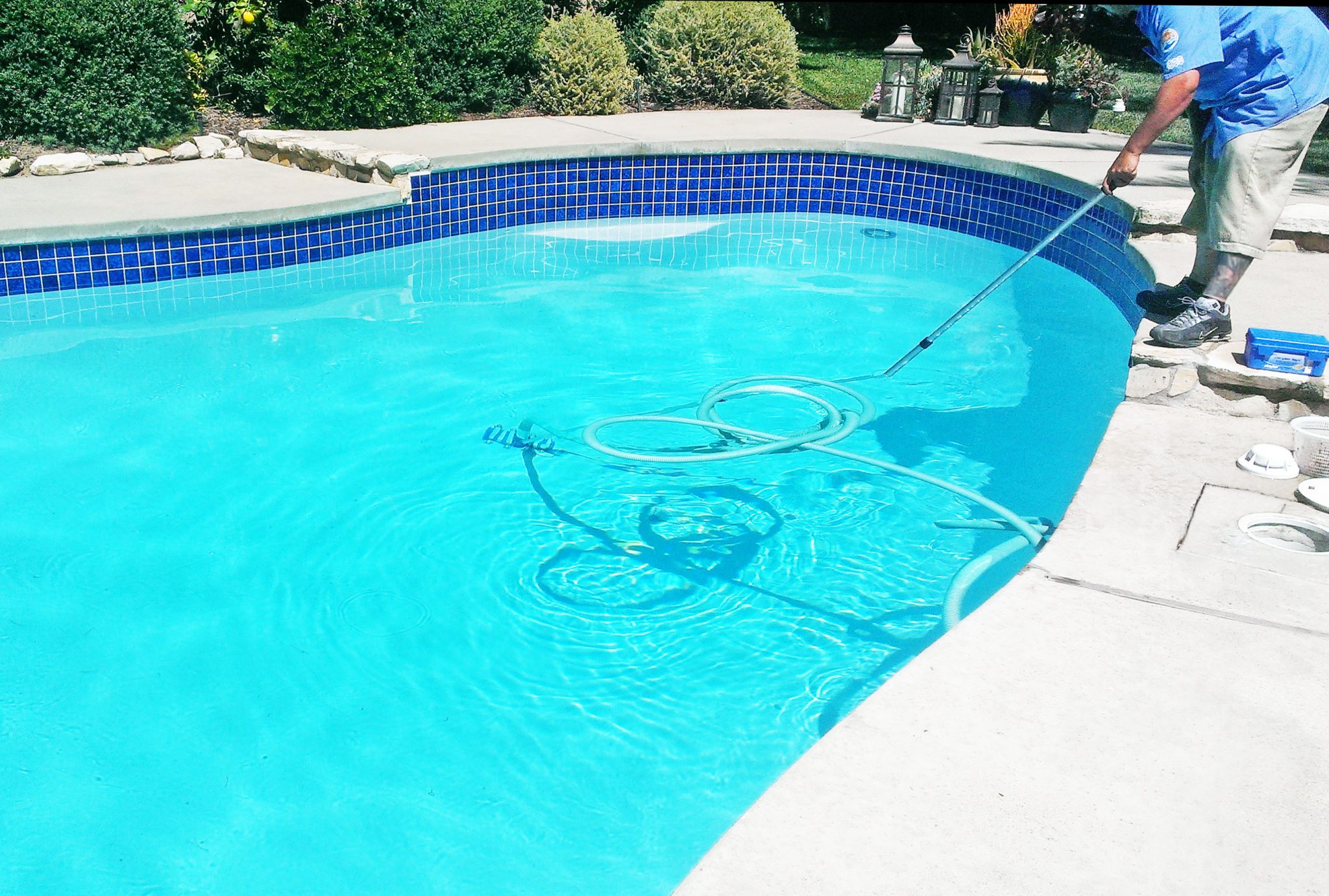
The recurring maintenance costs for both above-ground and inground pools are significant. Regular cleaning, water testing, and chemical additions are necessary. The frequency and intensity of maintenance will vary based on pool use and climate conditions. Both require specialized equipment and ongoing attention to ensure a safe and enjoyable swimming experience. Regular maintenance and upkeep play a key role in a pool’s overall lifespan.
Factors to Consider When Choosing
Budget and Financing Options
Budget constraints are a major factor in choosing between above-ground and inground pools. Inground pools require a substantial upfront investment, which may require financing options. Above-ground pools are a more accessible option, but long-term maintenance costs should be considered. A detailed budget, including both upfront costs and ongoing maintenance, will assist in the decision-making process.
Lifestyle and Family Needs
Family needs and lifestyle significantly impact the decision. Families with young children may prioritize safety and ease of maintenance. A family that frequently entertains or values a unique and aesthetically appealing feature may opt for the permanence of an inground pool. The frequency of pool use and the desired level of customization will influence the decision.
Yard Space and Location
Available yard space and location are crucial factors. Above-ground pools can be placed in smaller yards or areas where space is limited. Inground pools require a dedicated space and often require additional landscaping or renovations. Planning and considering location should be a preliminary step in the decision-making process.
Additional Considerations
Customization and Design Options
Inground pools allow for significant customization in design, shapes, and features. Homeowners can incorporate unique elements to enhance the pool’s aesthetics and functionality. Above-ground pools have limited options, generally sticking to the features of the pool itself, thus limiting flexibility in design. Different design concepts influence the aesthetics and final cost of a pool.
Environmental Impact
Both inground and above-ground pools can have an environmental impact, primarily concerning water consumption and potential chemical use. However, the impact can be mitigated through responsible use, proper maintenance, and the selection of eco-friendly products. Consumers can choose sustainable options, or invest in innovative pool technologies that reduce water waste, which could lead to greater long-term sustainability.
Future Resale Value
Inground pools can increase the resale value of a home due to their permanency. However, above-ground pools might not significantly affect resale value in the same way. This is a factor that should be considered for future homeowners who may also weigh the cost and maintenance of an inground pool against the return.
Comparison Table
| Feature | Above-Ground Pool | Inground Pool |
|—|—|—|
| Cost | Lower upfront cost | Higher upfront cost |
| Installation Time | Faster installation | Slower installation |
| Maintenance | More frequent maintenance | Less frequent maintenance |
| Customization | Limited customization | Extensive customization |
| Safety | Requires careful supervision | Often includes safety features |
| Space Requirements | Flexible placement | Dedicated space required |
| Resale Value | Minimal impact on resale value | Potential increase in resale value |
This table highlights the key differences between the two types of pools, helping you make a more informed decision based on your needs.
Choosing the Right Pool For You
Evaluating Your Needs and Priorities
The best pool for your needs depends on your budget, lifestyle, family, and yard space. Thorough research and careful consideration of each aspect are crucial for selecting the most appropriate option.
Exploring Different Options
Beyond the basic differences between inground and above-ground pools, factors such as pool size, shape, water features, and landscaping should be explored in order to choose the best fit for your space and budget. This careful evaluation can help in the decision-making process.
Making an Informed Decision
Weighing your priorities and budget will lead you to the best decision for your lifestyle. Consider the long-term implications of both options before making your selection.
Additional Resources and References
Recommended Pool Installation Professionals
Contacting licensed and insured pool installation professionals can offer insights into the specific options available based on your location. They can provide further advice on local regulations and help you navigate the pool installation process.
Industry Best Practices for Pool Safety
Understanding industry best practices for pool safety can ensure optimal safety measures for your pool and the well-being of those using it. Consult local authorities for guidelines that address community specific safety measures.
Local Regulations and Permits
Local regulations and permits for pool installations often vary based on location. Contact your local municipality for specific requirements.
Long-Term Maintenance and Repairs
Necessary Pool Maintenance Throughout the Year
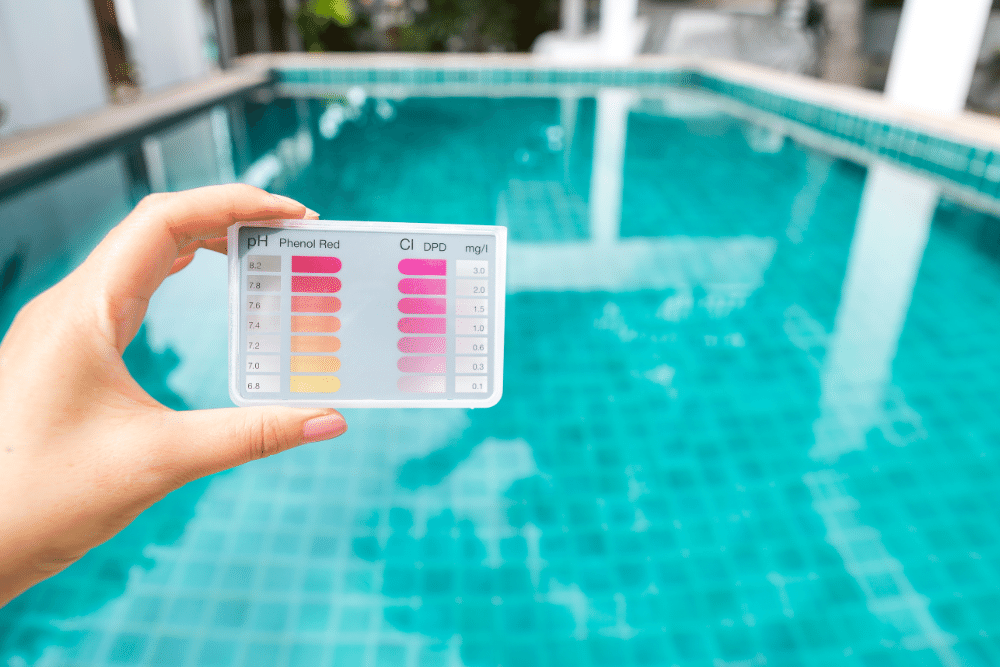
Regardless of the pool type, regular maintenance is crucial for maintaining water quality, preventing damage, and ensuring longevity. This includes tasks like cleaning, testing, balancing, and chemical adjustments. Professional services for ongoing maintenance can also be considered as a cost-saving measure in the long-term.
Potential Issues and Repair Costs
Above-ground and inground pools can encounter various issues, from leaks and equipment malfunctions to structural damage. Understanding potential repair costs associated with both types of pools can help in budgetary planning.
Ongoing Costs Beyond the Initial Investment
While inground pools typically have a higher initial cost, the ongoing expenses for maintenance and repairs can vary depending on the pool’s type, age, and level of care. Consider all factors for overall costs.
Frequently Asked Questions
What are the key differences between inground and above-ground pools?
Above-ground pools are typically less expensive to purchase, install, and maintain than their inground counterparts. They offer greater flexibility in terms of location and can often be set up and taken down seasonally. However, they often lack the aesthetic appeal and potential for customization that inground pools provide. Inground pools, conversely, offer a more permanent and integrated design element in a yard, with more elaborate customization options. They also offer a more immersive swimming experience and often better safety features. However, inground installations typically come with higher initial costs and a more lengthy installation process.
What is the average cost difference between installing above-ground and inground pools?
The price difference is significant. Above-ground pools can cost anywhere from $3,000 to $15,000, depending on size, features, and labor costs. Inground pools, on the other hand, often range from $25,000 to $75,000 or more. This substantial difference stems from the excavation, concrete, and specialized equipment necessary for inground installations. The long-term costs also vary, as inground pools generally have a lower maintenance cost per year than above-ground pools, but this depends on the specific circumstances of the property, and the choices of the pool owner.
What are some of the potential safety concerns associated with above-ground pools?
Potential safety concerns for above-ground pools include the possibility of falling in, especially for young children or those who are not properly supervised. The instability of the structure itself can be a factor, as well as the risk of falling off the ladder. It’s crucial to ensure proper fencing and supervision for safe use. Inground pools can also have safety concerns, but these are often mitigated by factors such as more robust walls, and in-built safety features like alarms and automatic pool covers.
In conclusion, choosing between above-ground and inground pools depends entirely on your individual needs, budget, and lifestyle. Consider the pros and cons carefully, and weigh the upfront costs against the long-term enjoyment. Whether you’re looking for a quick, affordable option or a permanent investment, this guide has equipped you with the knowledge to make the right decision. Now, go forth and splash!