The future of home is undeniably intertwined with the latest smart home trends. Homes are evolving into highly connected and technologically advanced spaces, revolutionizing how we live and interact with our surroundings. This evolution represents a significant shift from traditional design concepts to more integrated and adaptable living spaces. Homeowners today face the challenge of navigating this technological landscape, searching for trustworthy guidance on integrating new technologies into their existing homes and improving their quality of life. This guide will explore the transformative trends shaping the future of home design and provide practical strategies for creating a more connected, sustainable, and comfortable living space. This article is structured as follows: first, an introduction to home automation followed by explorations into various facets of smart home technology, and finally, a look at the future of homes through emerging trends. This exploration is divided into subsections, including the impacts of technology on our daily routines and how to create a home that optimizes comfort.
The Rise of Smart Home Automation
Integrating Technology Seamlessly into Your Daily Routine
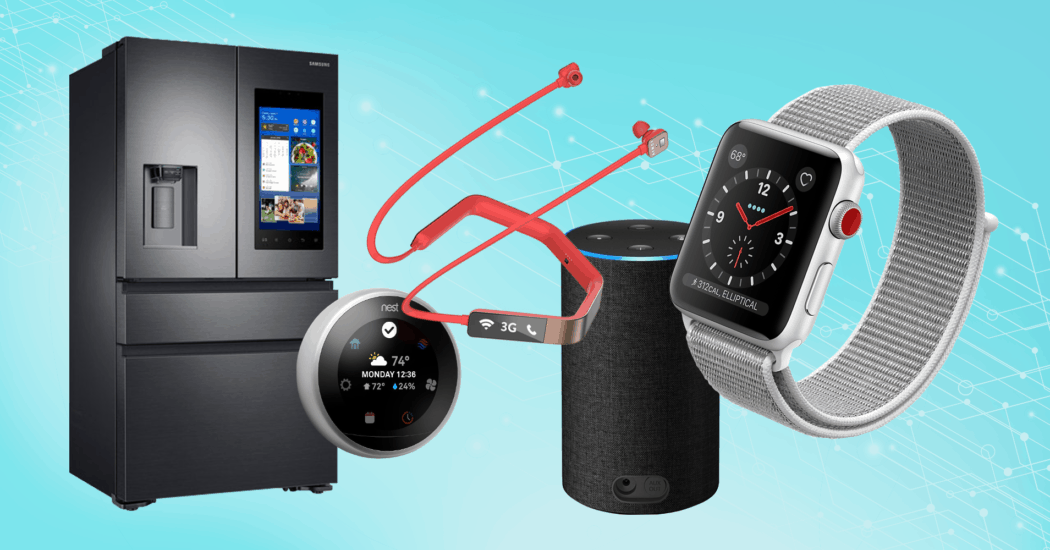
Smart home technology is revolutionizing the way we interact with our homes, from simple tasks to complex home automation systems. Smart appliances, lighting systems, and security devices are no longer futuristic concepts, but rather, integral parts of everyday life, offering significant comfort and convenience. A great example is the rise in demand for smart thermostats. Homeowners are recognizing the potential for energy savings by connecting thermostats to smart home assistants and scheduling adjustments based on their daily routines. This automation not only enhances comfort but also contributes to significant energy savings. According to recent studies, integrating smart home technology can reduce energy consumption by up to 25%. These devices can also help to secure your home by monitoring activity and sending alerts when necessary.
The Evolution of Smart Home Devices
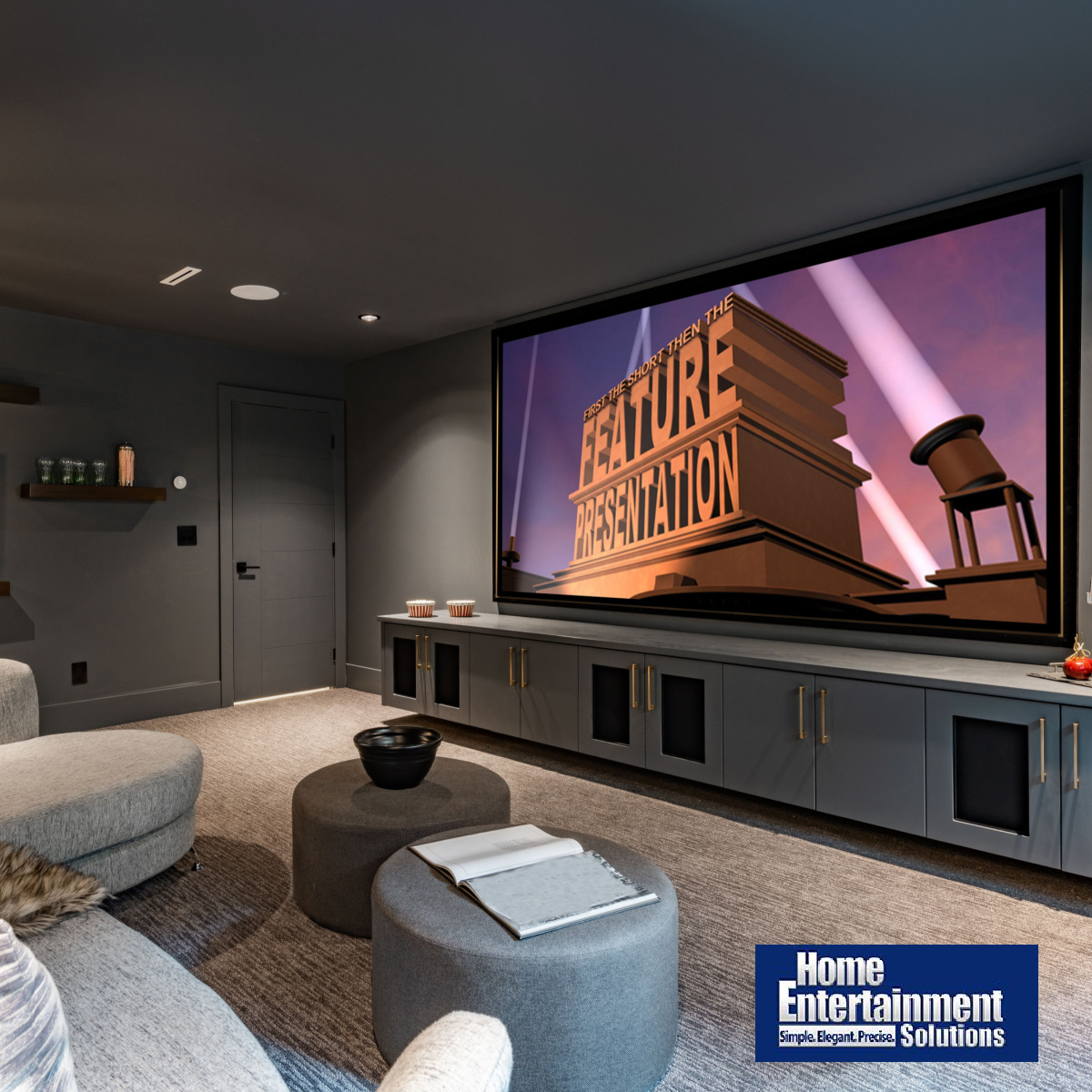
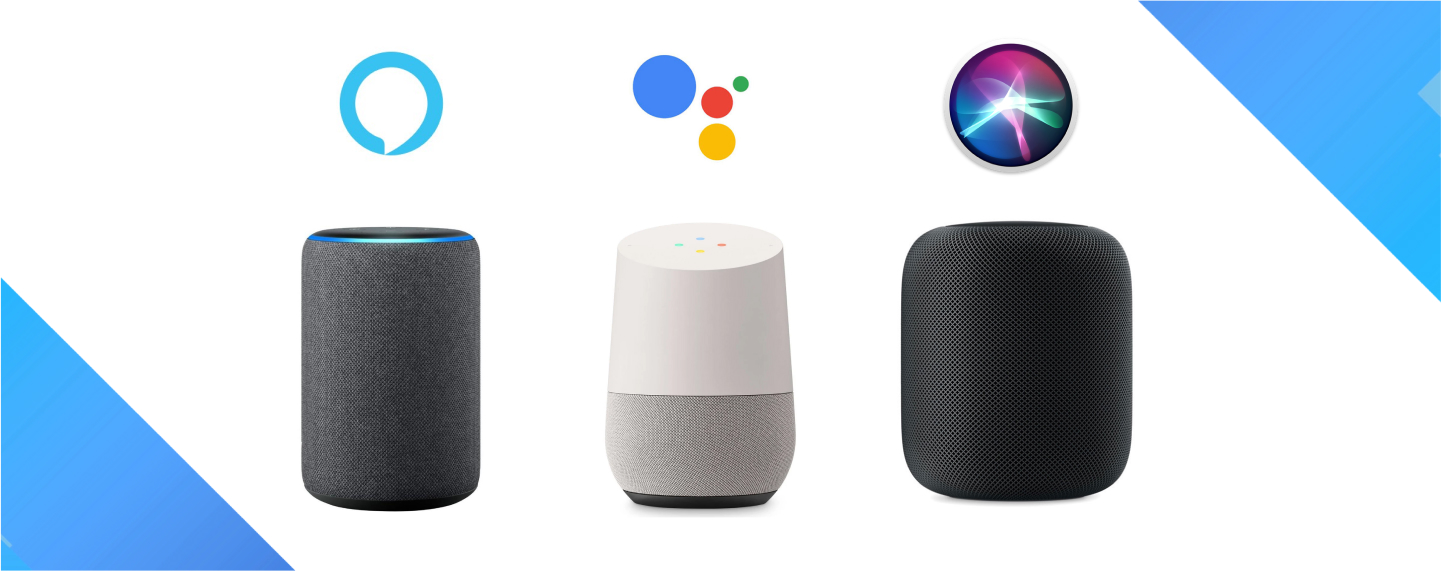
Smart home devices are constantly evolving, incorporating more advanced features and improving their ability to work seamlessly together. This seamless connectivity is revolutionizing how we live, improving the accessibility and user-friendly nature of our living spaces. The latest smart home devices offer intuitive interfaces, enabling users to control various functions with their voice or a mobile app. For example, homeowners are increasingly utilizing voice-activated assistants to manage their lighting, temperature, and entertainment systems, creating a more effortless and comfortable living experience. This improvement in technology is not only enhancing efficiency but also improving our quality of life.
Sustainable Design and Eco-Conscious Living
Embracing Eco-Friendly Smart Home Solutions
The future of home is inextricably linked to environmental consciousness. Sustainable design practices are becoming increasingly popular as homeowners incorporate eco-friendly elements into their living spaces. Smart home technologies can play a crucial role in promoting sustainability by optimizing energy consumption. This is an area where technology and nature meet. Smart appliances, for instance, can adjust their energy usage based on real-time energy costs and optimize energy efficiency.
Innovative Material Choices for Green Living
Today’s homeowners are making conscious material choices, embracing eco-friendly options such as reclaimed wood, sustainable fabrics, and natural materials. These choices reflect a growing commitment to environmentally responsible home building, creating a harmonious blend of sustainability and modern aesthetics. The use of recycled materials and renewable resources are becoming more integrated into modern design, driving a demand for more eco-friendly constructions. This trend highlights a crucial shift towards minimizing environmental impact while improving quality of living.
Enhanced Security and Safety Features
Securing Your Home with Advanced Technology
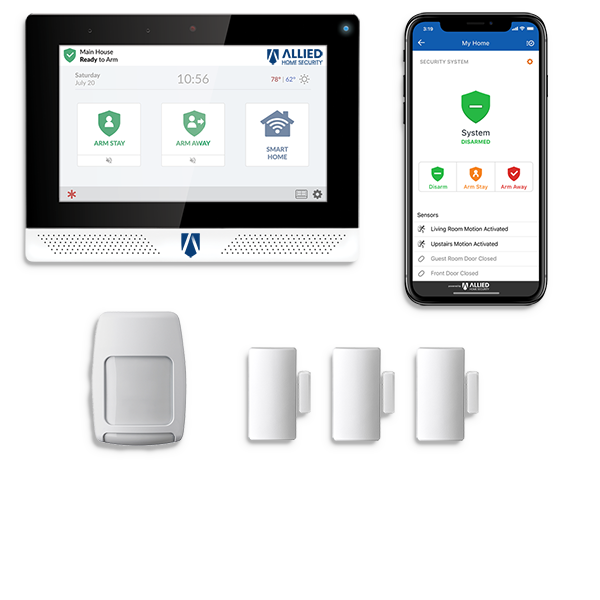
Security is a top priority for many homeowners, and smart home technology is revolutionizing how we approach home security. Smart locks, security cameras, and sensors are offering advanced ways to protect your home, providing peace of mind and preventing intruders. One example is the use of smart doorbells, which provide remote monitoring and access to video recordings of visitors, creating an added layer of protection.
Advanced Monitoring Systems for Peace of Mind
Sophisticated security systems are becoming increasingly important. Monitoring systems are enabling homeowners to stay connected to their homes and property. This constant monitoring allows users to be proactive and responsive to potential threats, protecting their families and belongings. For example, homeowners can receive real-time alerts when motion is detected in their homes, allowing immediate intervention if necessary.
Advanced Energy Management Solutions
Optimizing Energy Efficiency in Your Home
Energy consumption is a growing concern for homeowners. Smart home technology is playing a significant role in optimizing energy efficiency, with smart thermostats, smart lighting, and energy monitoring systems helping to reduce wasted energy. Through connected devices and systems, homeowners can easily monitor and manage energy consumption in real-time. Smart homes are equipped with advanced energy-efficient lighting options, allowing homeowners to reduce their electricity bills, improve their environmental footprint, and ensure that their homes are functioning efficiently.
Integration of Solar Panels and Renewable Energy Sources
Smart home systems are able to integrate with solar panels and other renewable energy sources. This allows homeowners to take advantage of renewable energy and further reduce their carbon footprint. Moreover, systems can adjust energy consumption based on solar power availability, improving long-term cost-effectiveness and environmental sustainability.
The Integration of AI and Machine Learning
Creating Personalized Experiences in the Home
AI and machine learning are transforming the home experience by creating personalized environments that cater to individual preferences and routines. AI is enhancing our interactions with smart home technology, creating more seamless integrations into our daily lives. For instance, smart systems can adjust lighting and temperature settings based on user preferences, maximizing comfort and minimizing energy use.
Automated Responses and Predictive Maintenance
The use of AI in predictive maintenance is revolutionizing the field, helping to ensure that systems in our homes are always in good working order. This technology can predict potential equipment failures, such as malfunctions in your home appliances. By proactively identifying potential issues, homeowners can take steps to prevent breakdowns and costly repairs, saving time, energy, and money.
Frequently Asked Questions
What are some major concerns about smart home technology?
Home security breaches, privacy issues, and compatibility problems between different smart devices are major concerns. Some smart home systems can be expensive to install and maintain, and the constant reliance on technology may lead to a disconnect from the tactile experience of owning a home. Many homeowners are researching smart home security systems in the context of protecting their belongings. Moreover, many homeowners are interested in discovering practical approaches to home design and automation.
How do I choose the right smart home technology for my home?
Consider your budget, current home setup, and needs. Research available smart home systems and their compatibility with existing devices. If you need new devices, look into how to integrate these seamlessly into your home’s design. Consult with professionals to receive expert advice. Assess your energy efficiency needs and look for options that optimize power consumption. Focus on smart home trends to select technology that aligns with your goals and lifestyle.
What are some examples of smart home integration strategies for a home?
Integration with lighting, thermostats, security systems, and appliances can create energy-efficient, convenient, and comfortable homes. Smart lighting systems that adjust to natural light and occupancy create a welcoming atmosphere. Intelligent thermostats optimize energy use based on occupancy and weather conditions. Smart security systems provide remote monitoring and alerts. Smart home assistants can automate routines, manage schedules, and control various aspects of the house, from lights to appliances and even home entertainment. Homeowners are exploring new approaches to design to optimize their comfort.
In conclusion, the future of home is rapidly evolving, driven by cutting-edge technology and a desire for smarter, more efficient living. From smart home assistants to sustainable design choices, homeowners are embracing these advancements to create a more comfortable, connected, and eco-conscious living environment. To fully embrace these changes, staying updated on emerging trends and exploring how they can improve your home is key. Dive deeper into smart home trends and find inspiration on how to integrate these features in your home. Visit our website to explore more and start designing the home of your dreams!