Budget-friendly organization is the art of creating a well-organized home or workspace without draining your wallet. This approach prioritizes practicality and creativity, not expensive products. Many people struggle with the feeling that effective organization requires large financial outlays, but that’s a misconception. This article will help you understand and implement effective strategies for home organization and will empower you to maximize your space while saving money. We’ll delve into practical and creative methods for decluttering, organizing storage, and streamlining workflow, all while sticking to a tight budget. We’ll cover how to declutter and organize on a budget, from simple tips to powerful strategies and will show you how to make your organizational goals a reality.
Understanding the Importance of Budget-Friendly Organization
Why Is it Important?
Effective organization saves you time, reduces stress, and makes you feel more in control of your home or workspace. It promotes greater efficiency, and having a well-organized space can greatly reduce clutter and create a more positive, calm and focused environment. Effective organization, in many cases, can reduce wasted time and make managing your space much easier. Often this contributes to greater overall well-being.
The Myth of Expensive Organization
The misconception exists that successful organization requires expensive solutions and products. However, with the right techniques and a creative mindset, you can achieve exceptional results without spending a fortune. Budget-friendly organization is all about smart solutions, not expensive purchases.
Decluttering: The Foundation of Budget-Friendly Organization
The Power of Minimalism
Minimalism is a valuable tool in budget-friendly organization. The act of decluttering encourages a focus on essential items and reducing possessions. A minimalist approach helps to achieve a more organized and clutter-free space quickly and effectively without spending significant amounts of money. Getting rid of things that you don’t need or use helps to minimize clutter, making your space feel less crowded. By simplifying your belongings, you’re naturally setting the stage for a more well-organized and manageable space.
Identifying and Eliminating Unnecessary Items
Start by categorizing your possessions into categories like “needs,” “occasionals,” “wants,” and “donations.” Keep what you genuinely need and use, and then donate, sell, or discard the rest. Consider the amount of use and storage that each item requires. If an item is rarely used, it’s likely taking up unnecessary space. This process helps to clear unnecessary clutter and makes the entire organization process much more streamlined.
Efficient Storage Solutions on a Budget
Repurposing Existing Items
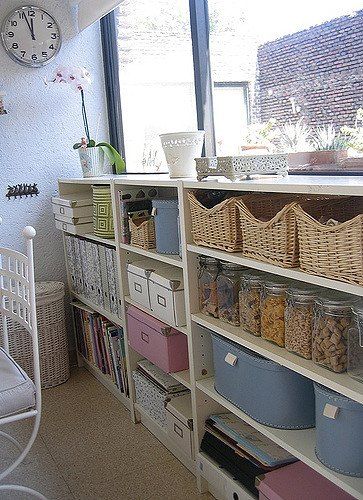
Repurposing existing items is a great budget-friendly approach for storage. Look around your house for items that can serve a dual purpose. Old shoe boxes can become storage for small items, drawers can use dividers to keep items separated and organized, and clear bins can be used to keep items visible. Use your imagination and think creatively when considering repurposing.
Affordable Storage Solutions
Thrift stores, local markets, and online marketplaces are treasure troves for affordable storage solutions. Look for storage containers, shelves, and organizers that fit your needs and your budget. Bulk buys are often more cost-effective when they meet your needs. Remember to consider the size and type of storage needed before making a purchase.
Organizing Systems That Work
The KonMari Method
The KonMari method, popularized by Marie Kondo, emphasizes keeping only items that spark joy. This mindful approach can be adapted to budget-friendly principles. Consider using this strategy to minimize clutter and only keep what brings you true joy or has a practical function. It’s a great way to approach organization with a focus on maintaining a clutter-free home.
Customizable Systems
Create simple, customized systems that work for you. Label containers and shelves. Use color-coding to identify different categories or items. Create a system for easy sorting and retrieval, saving you time in the long run. Simple organization is often the best and makes your space more user friendly.
Maintaining Your Budget-Friendly Organization
Consistency is Key
Consistency is essential for maintaining any organizational system, especially a budget-friendly one. Schedule regular decluttering sessions or dedicate a specific time each week to tackle organization tasks. Consistent effort can make a significant difference over time in how much you can maintain a healthy organizational style.
Long-Term Strategies
Develop long-term strategies for preventing clutter from accumulating. Designate specific areas for different items. Implement simple strategies and routines to keep your home organized. Use organizational tools or techniques to support your efforts. By setting up an organized space you can improve your quality of life.
Free Organization Resources
Online Tutorials
Numerous online tutorials offer budget-friendly organization tips and strategies. Research, follow, and use these to help your efforts. Many social media platforms, blogs, or influencers provide useful advice on organization and helpful tools that are often free.
Free Printables
Free printables like labels, checklists, and organizers can be found online. Utilizing these resources can reduce the costs associated with organization.
Measuring Success
Set Realistic Goals
Setting realistic and achievable goals is critical to maintaining a budget-friendly organization. Don’t try to do everything at once. Start with one small area or task. Focus on one area at a time to ensure gradual but effective progress.
Track Your Progress
Track your progress to stay motivated and to assess the effectiveness of your strategies. By tracking your progress, you can learn what techniques work best for your space and make changes where necessary. It’s a valuable way to monitor progress and identify areas needing adjustment.
Incorporating Sustainability into Your Budget-Friendly Approach
Repurposing and Upcycling
Repurposing and upcycling items that are no longer needed can drastically reduce waste and save money. This is a sustainable approach to reduce waste and create a more eco-friendly lifestyle. It involves creativity and innovation to find alternative uses for existing items.
Using Eco-Friendly Products
Opt for eco-friendly products that promote sustainability and minimize the environmental impact of your organization efforts. Many sustainable products are also surprisingly budget-friendly. This includes items like reusable storage containers or eco-friendly cleaning supplies.
Additional tips for Budget-Friendly Organization
The Importance of Storage
Proper storage solutions are crucial for maintaining a budget-friendly organization. Assess and improve your storage solutions to help maintain a functional and well-organized living space.
The Importance of Routine
Establishing routines is important to keep your organization consistent. Plan and implement daily or weekly routines to reduce the risk of clutter.
Frequently Asked Questions
Q: What are some free or low-cost organization tools I can use?
A: Numerous free and low-cost organization tools are readily available. For digital organization, tools like Google Drive, Evernote, or even free spreadsheet apps are excellent choices. For physical organization, consider repurposing items you already have like shoe boxes, drawer dividers, or even fabric markers. Check out local thrift stores or buy storage solutions in bulk if they fit your budget. A combination of techniques and resources often helps to make the most of your budget and maximize your organizational efforts.
Q: How can I avoid overspending when organizing?
A: Avoiding overspending is key for a budget-friendly organization. Set a realistic budget for your organization. Don’t try to buy everything at once. Start with a small space or area and prioritize your needs. Look for deals, use discount sites, and repurpose existing items. Many times, simple strategies can create big impact. By prioritizing what you already have and evaluating your real needs, you can avoid unnecessary spending and achieve your goals within your budget.
Q: How do I stay motivated to maintain a budget-friendly organization?
A: Sustaining a budget-friendly organization takes consistent effort. Celebrate your progress and find ways to keep yourself engaged. Break down the process into smaller, more manageable tasks. Focus on the positive outcomes of organization such as time savings, stress reduction, and a more enjoyable living space. This motivation often comes through finding ways to create meaningful habits. Make it an ongoing positive experience!
In conclusion, achieving a budget-friendly organization doesn’t require a significant financial investment. With a little creativity and these proven strategies, you can transform your space and your life without breaking the bank. Remember, the key is to prioritize your needs, be resourceful, and celebrate your progress along the way. Take small steps and sustainable habits that fit your budget, making organization an ongoing positive experience. Start today and discover the joy of a well-organized life on a budget!