
Texture and pattern play are fundamental elements in elevating interior design. Imagine a space that effortlessly blends aesthetic appeal with functional practicality, a place that reflects your personal style, and inspires creativity. This design strategy is crucial in transforming a mere dwelling into a vibrant and inspiring environment. Many individuals struggle to combine patterns and textures harmoniously to achieve a desired aesthetic. This guide explores practical strategies to master texture and pattern play, offering a range of solutions and actionable steps to transform any space into a breathtaking and inviting haven.
Understanding the Essence of Texture and Pattern Play
Definition and Overview
Texture and pattern play a vital role in creating visual interest and depth in interior design. Texture refers to the surface quality of an object, such as rough, smooth, soft, or hard. Pattern refers to a repeated design or motif, adding visual appeal and structure to a space. Combining these elements can dramatically alter the mood and atmosphere of any area. The thoughtful integration of various patterns and textures can transform a mundane room into a captivating and personalized space. The key is balance; combining different patterns can create visual complexity if done correctly, and can make a room feel overwhelming if not executed carefully.
Mastering the Art of Pattern Mixing
Strategic Approaches
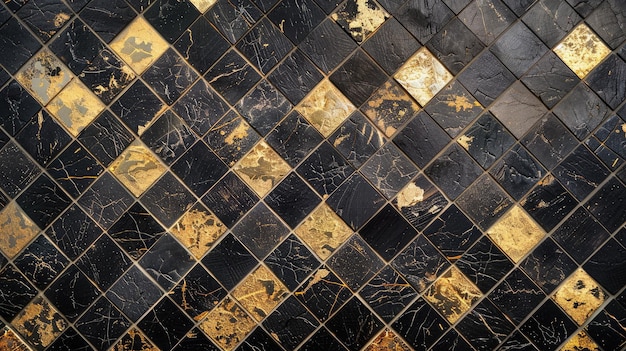
Strategic mixing of patterns is essential for a visually appealing interior design. A common mistake is overwhelming a room with multiple patterns; a key element to success lies in understanding how to strategically blend different patterns to achieve harmony. The secret lies in considering the pattern’s scale, color, and style. Start by selecting a dominant pattern, then introduce supporting patterns in smaller or complementary scales. A good example is incorporating large-scale floral patterns with smaller-scale geometric patterns in a dining room or living room, achieving a stunning yet balanced aesthetic.
The Role of Texture in Enhancing Interior Aesthetics
Exploring Different Textures
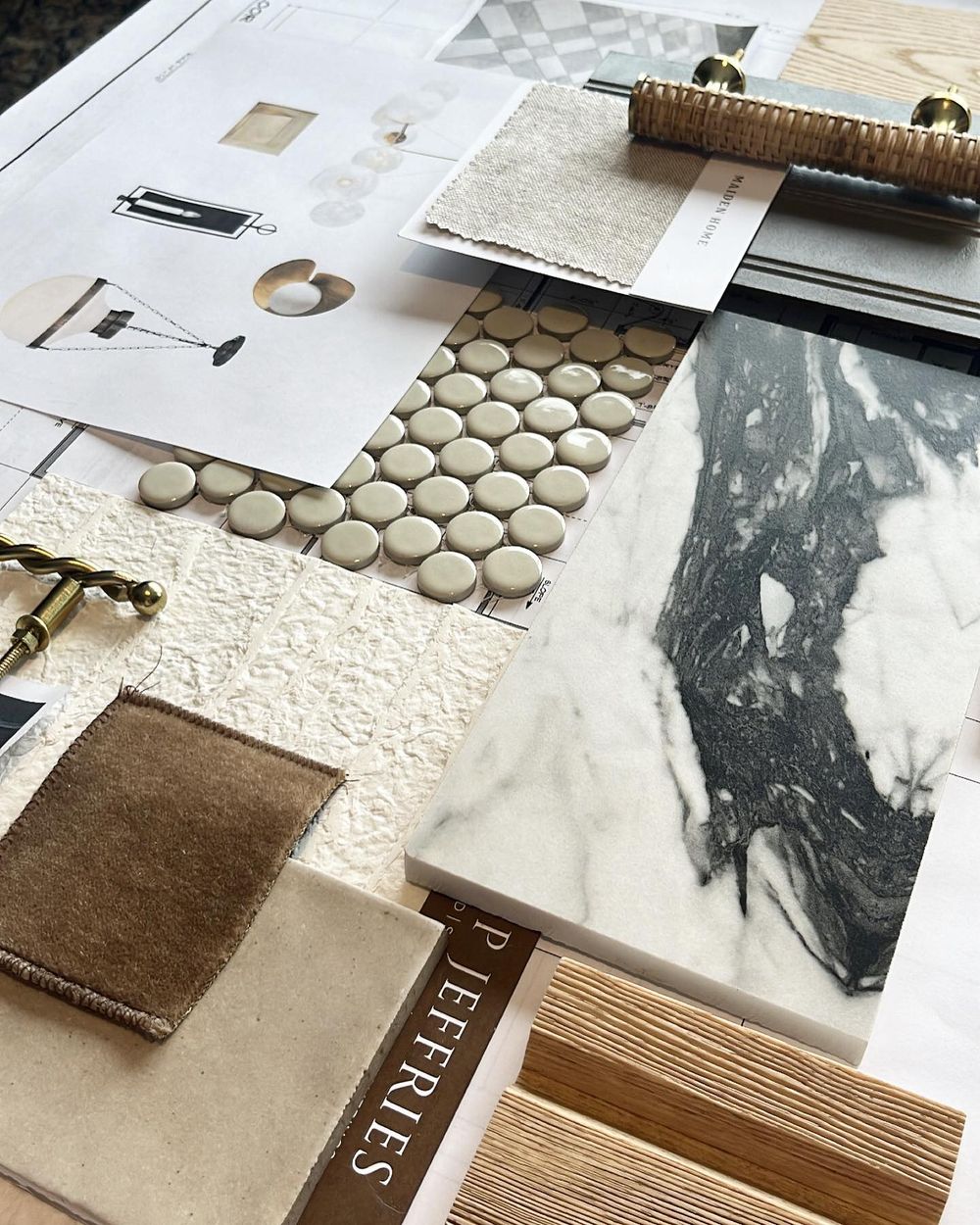
Texture, in addition to pattern, plays a crucial role in creating visual depth and a distinct atmosphere. Integrating different textures—such as smooth, rough, soft, or hard—adds visual interest to a room. Think of velvet curtains creating a cozy atmosphere, polished wood furniture exuding elegance, or a rugged stone wall creating a raw and inviting ambiance. The incorporation of contrasting textures generates a tactile quality to the space, fostering a distinct personality and style. Consider contrasting coarse linen with soft silk or polished tile with woven rugs. This interplay can create a lively, stimulating atmosphere.
Creating a Harmonious Blend of Patterns and Textures
Combining Patterns and Textures for Visual Depth
Creating visual depth using textures and patterns hinges on balancing contrasting elements. A great approach is to choose one dominant pattern to set the stage, then complement it with supporting patterns in smaller scales or distinct color palettes. Using various textures – from smooth ceramic tiles to rough woven textiles – creates visual complexity and layers the space with personality. An example is a living room featuring a bold floral wallpaper as the dominant pattern, paired with smaller geometric patterns on accent pillows, and smooth leather furniture. This approach results in a balanced yet dynamic interior design, rich in visual appeal.
Case Studies: Illustrative Examples of Effective Use
Highlighting Successful Interior Design Projects
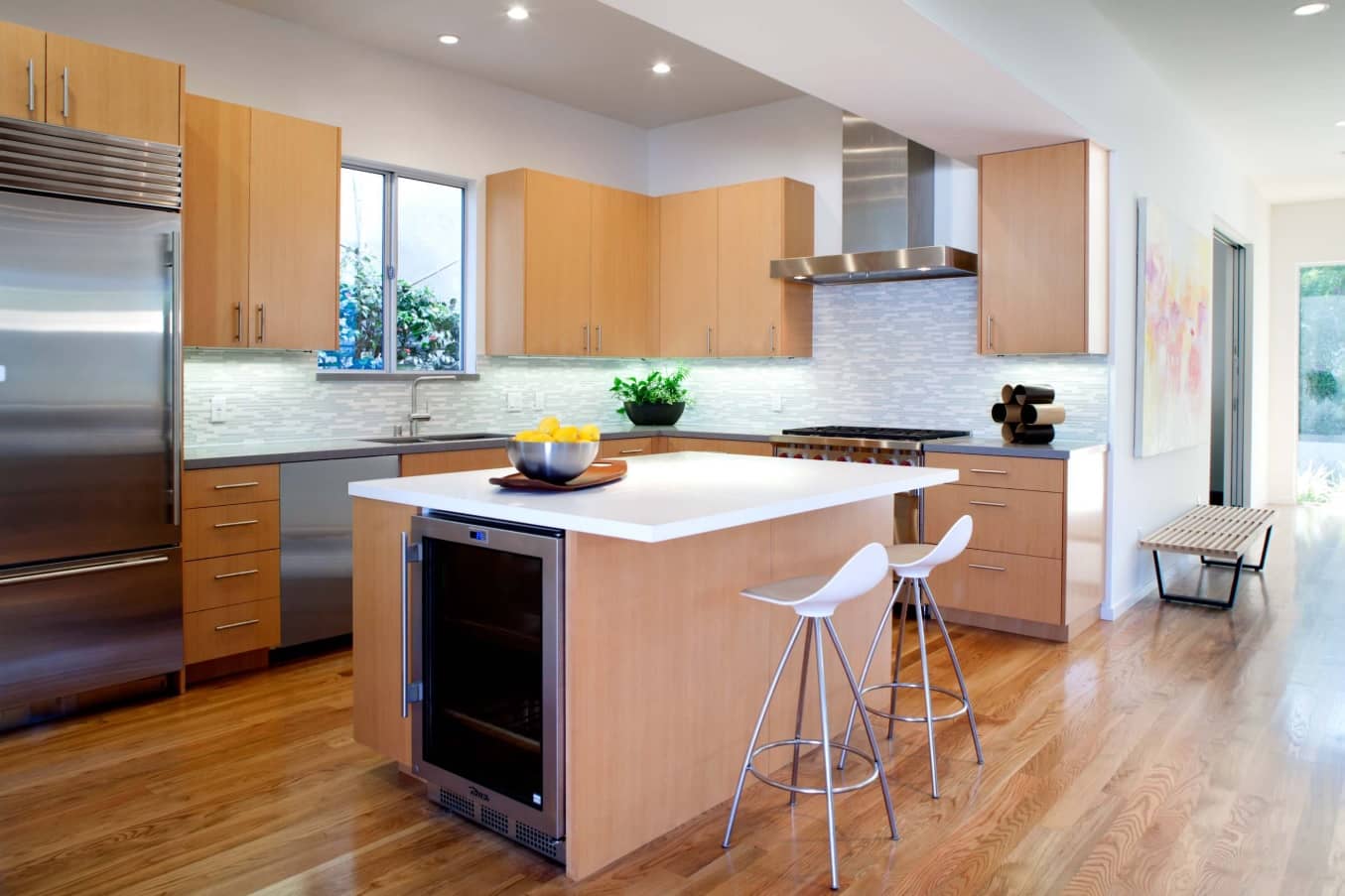
Numerous case studies demonstrate the impactful use of texture and pattern play. A study shows that strategically placed patterns and textures not only enhance the aesthetics of a room but also affect its functionality. A hotel room, for instance, might incorporate soft, plush fabrics in the seating area to foster relaxation, while a modern kitchen might incorporate sleek, metallic accents to create a dynamic and functional space. Similarly, a bedroom can incorporate intricate wallpapers and layered textures to evoke a sense of tranquility and comfort. By understanding how each design choice influences the overall aesthetic and the functionality of the space, you can elevate your interior design project.
Tips for Choosing the Right Texture and Patterns
Guiding Principles for Design Choices
Several guiding principles help in choosing appropriate textures and patterns. Consider the room’s purpose. A bedroom benefits from softer textures and calming patterns, while a kitchen might benefit from more durable and functional elements. Also, consider the existing color palette of the room when selecting patterns and textures. Choose textures and patterns that complement the existing colors and don’t clash with the room’s aesthetic. For instance, choose a patterned rug that complements the existing furniture color scheme. This approach prevents visual clutter and creates a balanced aesthetic.
Implementing Texture and Pattern Play in Various Spaces
Tailoring to Different Room Types
Implementing texture and pattern play is adaptable to various spaces. A living room, for example, can showcase a range of textures and patterns, from plush velvet furniture to patterned throws and rugs. A bedroom might benefit from incorporating calming textures and patterns, such as linen bedding and floral wallpaper. A kitchen may need more practical textures and patterns, like sleek metallic accents and bold patterned backsplashes. These adaptable elements create distinct aesthetics for different room types, each reflective of its intended use.
The Psychology of Texture and Pattern
How Design Elements Impact Mood
The psychology behind texture and pattern play is significant. Different textures and patterns evoke distinct emotions. Soft textures like velvet can evoke feelings of calmness and luxury, while rough textures can impart a sense of strength and warmth. Likewise, patterns can also influence mood. Floral patterns might create a sense of joy and freshness, while geometric patterns can create a contemporary and organized aesthetic. Understanding these influences is crucial to creating a space that reflects the desired mood and provides the intended ambiance.
Integrating Technology and Innovation
Utilizing Modern Design Strategies
Modern design strategies integrate advanced technology to further enhance texture and pattern play in interior design. Digital printing techniques allow for a myriad of custom patterns and textures to be applied to various surfaces, from wallpaper to furniture. Sophisticated materials such as reclaimed wood or handcrafted textiles showcase a strong connection to nature, further enhancing the overall aesthetic of a space. These innovative approaches enable the creation of unique and personalized environments. Smart lighting systems, for example, can be integrated to highlight textures and patterns in a creative and dynamic manner.
Frequently Asked Questions
Q1: How can I create a cohesive look when using different textures and patterns in a room?
A1: Creating a cohesive look with diverse textures and patterns involves careful consideration of color palettes, scale, and overall style. Start by selecting a dominant color scheme and selecting patterns and textures that complement it. Use similar color tones or color families to tie elements together. Maintain a balance between bold and subtle patterns, and ensure the scale of the patterns complements the size of the room. Employ various textures – rough, smooth, soft, hard – for an interesting layered effect. Consistent use of materials like wood or metal can also contribute to visual cohesion.
In conclusion, thoughtfully incorporating texture and pattern play significantly elevates interior design, transforming spaces into captivating and personalized environments. By understanding the nuances of these design elements, you can create a harmonious blend of aesthetics and functionality, reflecting your unique style. Consider experimenting with various textures and patterns to discover your personal design language. Remember to prioritize a balanced approach and choose elements that complement each other. Explore different combinations to achieve the desired visual impact. For further assistance or inspiration, browse online resources dedicated to interior design trends and concepts, or consult with a professional interior designer.